
Differences
AI-Powered Procurement and Sourcing Agents
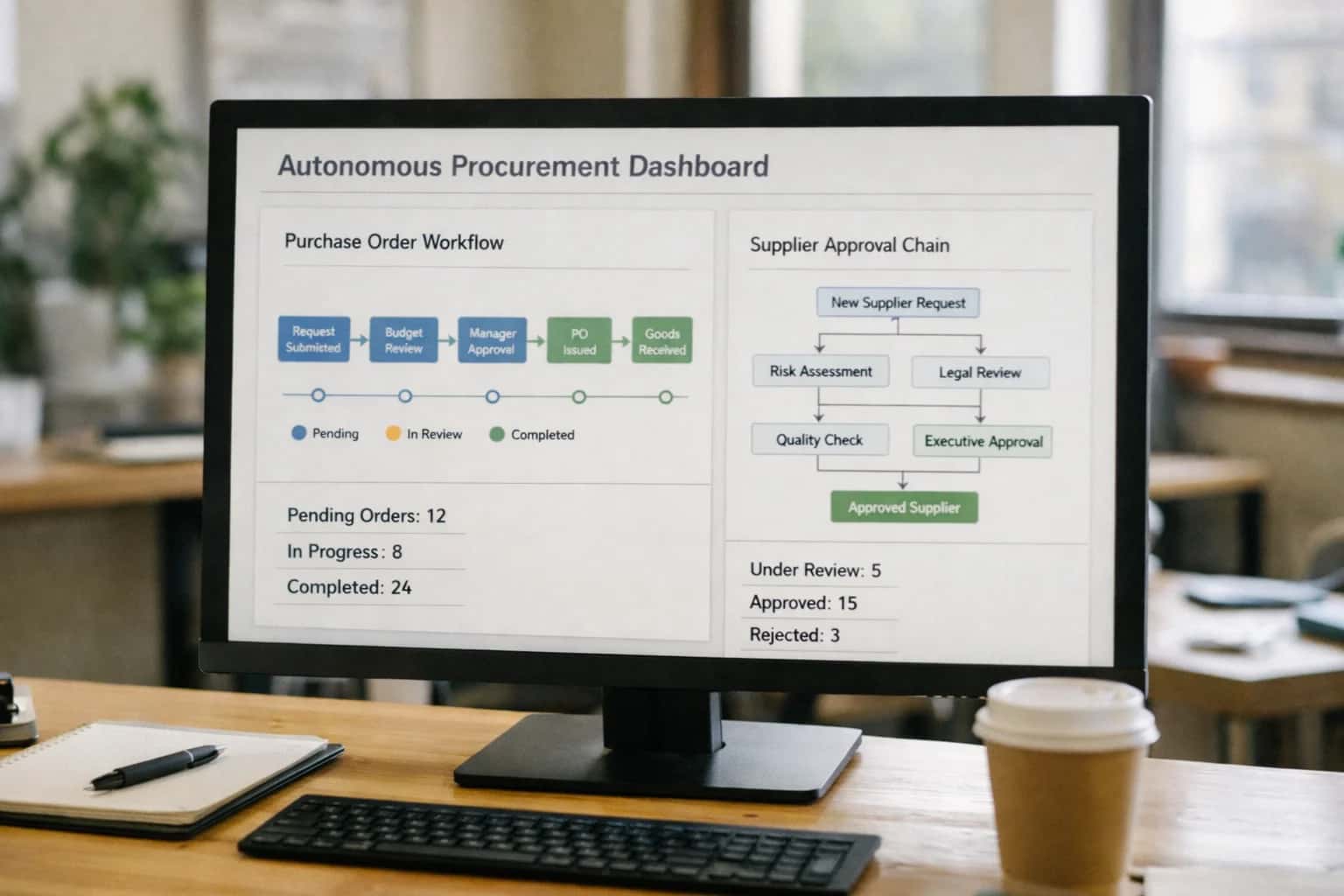
Autonomous Negotiation Bot Platforms
Comparisons related to AI agents that autonomously negotiate pricing, terms, and contracts with suppliers. Target: CPOs and Heads of Strategic Sourcing evaluating 'autonomous negotiation' vs. 'assisted negotiation' tools.
Pactum AI vs Nibble Technology
A direct comparison of two leading autonomous negotiation platforms. Pactum focuses on enterprise-scale, autonomous supplier negotiations for large retailers and CPG companies, while Nibble specializes in e-commerce and marketplace price negotiations. This analysis covers negotiation logic (game theory vs. adaptive AI), integration depth with ERP and e-commerce platforms, and which solution delivers better savings for tail spend vs. strategic supplier relationships.
Keelvar Autonomous Sourcing vs Arkestro Predictive Procurement
Compares Keelvar's autonomous sourcing bots, which automate RFQ and auction events, against Arkestro's predictive procurement orchestration that uses behavioral science to nudge suppliers. The analysis focuses on event automation vs. predictive pricing, supplier adoption rates, and which platform is better suited for direct materials sourcing versus indirect services procurement.
Autonomous Negotiation Bots vs Traditional eAuction Platforms
Evaluates the shift from manual reverse auctions to AI-driven autonomous negotiation. Compares cost structures, time-to-savings, and supplier relationship dynamics. Focuses on whether autonomous bots can replace eAuctions for tail spend or if traditional platforms still hold an edge for complex, high-value strategic sourcing events.
Autonomous Negotiation Bots vs Manual Strategic Sourcing
A head-to-head comparison of AI-driven negotiation outcomes against human-led strategic sourcing teams. Analyzes key metrics like achieved savings percentage, cycle time reduction, and compliance rates. Determines the break-even point where autonomous bots outperform human negotiators for specific spend categories.
Autonomous Negotiation Bots vs Rule-Based Procurement Chatbots
Distinguishes between true autonomous negotiation agents that alter pricing and terms in real-time versus simple rule-based chatbots that only guide users to catalogs. Compares the underlying AI architecture, integration complexity, and the tangible ROI difference between guided buying and autonomous deal-making.
Autonomous Negotiation Bots vs Guided Buying Interfaces
Compares the 'do-it-for-me' approach of autonomous bots against the 'do-it-yourself' model of guided buying platforms like Zip or Tropic. Analyzes user adoption, maverick spend prevention, and which method yields higher savings for tail spend versus complex services procurement.
Autonomous Negotiation Bots vs Supplier Discovery AI
Clarifies the distinction between AI that finds new suppliers and AI that negotiates with them. Compares platforms that excel at market intelligence and vetting against those that execute the transaction. Focuses on how these technologies should integrate rather than compete in a modern procurement tech stack.
Autonomous Negotiation Bots vs Contract Lifecycle Management AI
Analyzes the boundary between pre-signature negotiation and post-signature contract management. Compares autonomous bots that handle pricing and term negotiation against CLM AI that automates redlining and obligation extraction. Focuses on the handoff point and integration requirements for a seamless source-to-contract process.
Autonomous Negotiation Bots vs Spend Intelligence Platforms
Compares the action-oriented nature of negotiation bots against the analytical power of spend intelligence engines like Sievo or SpendHQ. Analyzes whether autonomous action on identified savings opportunities provides a faster ROI than deep analytics alone, and how the two systems should be sequenced in a procurement transformation roadmap.
Autonomous Negotiation Bots vs Procurement Orchestration Layers
Evaluates whether autonomous negotiation is a standalone capability or a feature within a broader orchestration platform like Zip or Workday. Compares best-of-breed negotiation bots against integrated suites, focusing on workflow connectivity, data silos, and the total cost of ownership for procurement technology ecosystems.
Autonomous Negotiation Bots vs Should-Cost AI Models
Compares AI that negotiates price against AI that calculates what a price should be. Analyzes how should-cost models from platforms like aPriori inform negotiation bots' target pricing, and whether combining these technologies yields a multiplicative savings effect compared to using either in isolation.
Autonomous Negotiation Bots vs Tail Spend Management AI
Focuses specifically on the unmanaged tail spend category. Compares autonomous bots that negotiate spot buys against AI platforms that consolidate tail spend into catalogs. Analyzes which approach delivers faster savings and whether negotiation or consolidation is the superior strategy for long-tail supplier rationalization.
Autonomous Negotiation Bots vs AP Automation AI
Clarifies the distinction between pre-purchase negotiation and post-purchase invoice processing. Compares the ROI of preventing overpayment through autonomous negotiation against the efficiency gains of AI-driven invoice matching and payment optimization. Focuses on the total Procure-to-Pay cycle.
Autonomous Negotiation Bots vs Supplier Risk AI
Analyzes the tension between aggressive autonomous negotiation and supplier risk mitigation. Compares bots optimized for cost savings against AI platforms that monitor financial, cyber, and geopolitical risk. Focuses on how to embed risk thresholds into autonomous negotiation parameters to avoid sourcing from unstable suppliers.
Autonomous Negotiation Bots vs Human-in-the-Loop Approval Platforms
Compares fully autonomous negotiation against supervised autonomy models where humans approve deals above a threshold. Analyzes the trade-off between negotiation speed and control, focusing on risk tolerance, audit requirements, and the optimal human-machine collaboration pattern for high-stakes procurement.
Spend Intelligence and Classification Engines
Comparisons related to AI platforms that automatically classify, enrich, and analyze procurement spend data to identify savings. Target: Procurement Analytics Directors comparing AI-driven spend classification accuracy against traditional rule-based systems.
AI-Driven Spend Classification vs Rule-Based Spend Classification
Compares the accuracy, scalability, and maintenance overhead of machine learning models against static business rules for categorizing procurement transactions into taxonomies like UNSPSC.
Sievo vs SpendHQ
Head-to-head comparison of two leading spend analytics platforms, evaluating their AI-powered classification accuracy, savings opportunity identification, and data enrichment capabilities.
Coupa Spend Guard vs SAP Concur Intelligence
Evaluates AI-driven spend analysis and anomaly detection within the Coupa ecosystem against SAP's embedded intelligence for travel, expense, and invoice auditing.
Jaggaer One vs Ivalua
Compares the AI spend classification, supplier enrichment, and analytics modules within these two comprehensive source-to-pay suites.
GEP SMART vs Zycus
Analyzes the AI-driven spend intelligence engines of GEP and Zycus, focusing on data cleansing, category classification, and autonomous opportunity identification.
LLM-Based Enrichment vs Traditional Fuzzy Matching
Compares the use of large language models for supplier normalization and transaction enrichment against legacy probabilistic matching algorithms.
Unsupervised Machine Learning vs Supervised Machine Learning for Spend Taxonomies
Evaluates the trade-offs between training models on pre-labeled data versus allowing algorithms to discover natural spend categories for classification.
Real-Time Spend Analytics vs Periodic Batch Processing
Compares the business impact of continuous, streaming spend intelligence against traditional monthly or quarterly data refreshes for proactive budget control.
AI-Powered Supplier Normalization vs D-U-N-S Number Consolidation
Evaluates AI-driven entity resolution for cleaning supplier masters against relying solely on static D-U-N-S hierarchies for parent-child linking.
Generative AI Data Augmentation vs Manual Data Cleansing
Compares the efficiency of using synthetic data generation to fill gaps in spend records against the labor-intensive process of manual Excel scrubbing.
Autonomous Opportunity Identification vs Analyst-Driven Savings Discovery
Evaluates the speed and comprehensiveness of AI engines that automatically surface cost reduction levers against traditional consultant-led spend cube analysis.
Predictive Spend Forecasting vs Historical Spend Reporting
Compares AI models that forecast future procurement costs and demand against backward-looking dashboards that only visualize past spending patterns.
Natural Language Querying vs Structured Dashboard Drill-Downs
Evaluates the accessibility of asking questions in plain English to a spend data copilot against the technical skill required to navigate OLAP cubes and filters.
Anomaly Detection for Maverick Spend vs Static Policy Rules
Compares dynamic AI models that identify off-contract buying patterns against rigid, rule-based alerts that generate high false-positive rates.
AI-Powered Contract Leakage Detection vs Manual Invoice Auditing
Evaluates the accuracy of AI matching invoice line items against contract terms to find overcharges, versus random sampling by audit teams.
Automated UNSPSC Code Assignment vs Manual Code Tagging
Compares the consistency and speed of AI-driven commodity code classification against error-prone manual entry by requisitioners or data clerks.
AI-Driven Should-Cost Modeling vs Traditional Cost Breakdown Analysis
Evaluates the accuracy of AI engines that calculate clean-sheet costs using market indices against spreadsheet-based models for direct materials sourcing.
AI-Powered Duplicate Payment Detection vs Three-Way Match Rules
Compares AI's ability to identify sophisticated duplicate invoices across systems against rigid ERP matching logic that misses complex fraud patterns.
Supplier Discovery and Risk AI
Comparisons related to AI agents that identify, vet, and monitor suppliers using market intelligence and risk signals. Target: Supply Chain VPs comparing AI supplier discovery platforms against traditional supplier networks and manual vetting.
Tropic vs Zip
Head-to-head comparison of the two leading intake-to-procure and supplier discovery platforms. We analyze Tropic's AI-driven supplier intelligence and contract management against Zip's intake orchestration and approval workflow strengths for enterprise procurement teams.
Keelvar vs Pactum
Comparing autonomous sourcing bots: Keelvar's AI-powered strategic sourcing optimization and event automation versus Pactum's autonomous negotiation agents for tail spend and supplier agreements.
AI Supplier Discovery vs Traditional Supplier Networks
Evaluating the shift from closed B2B databases like ThomasNet and Dun & Bradstreet to AI agents that scrape the open web, analyze capabilities, and match suppliers using natural language and market intelligence.
Automated Supplier Vetting vs Manual Background Checks
Comparing the speed, depth, and accuracy of AI-driven supplier qualification—including sanctions screening, financial health prediction, and compliance checks—against traditional manual due diligence processes.
AI-Powered Risk Monitoring vs Periodic Manual Scorecards
Analyzing the transition from static, quarterly supplier risk reviews to continuous AI monitoring of real-time signals like financial distress, geopolitical events, cyber threats, and weather disruptions.
Supplier Discovery AI vs Dun & Bradstreet
Comparing modern AI supplier discovery platforms that use web scraping and NLP against D&B's traditional credit and risk data for identifying, vetting, and monitoring global suppliers.
Real-Time Risk Signals vs Quarterly Business Reviews
Evaluating the operational impact of AI-driven real-time disruption alerts and dynamic risk heatmaps against the latency of periodic manual scorecards and quarterly supplier business reviews.
AI Agent Market Intelligence vs Human Analyst Research
Comparing the breadth, speed, and bias of AI agents conducting supplier market intelligence against the deep contextual understanding of human sourcing analysts.
Autonomous Supplier Outreach vs Manual RFI Processes
Analyzing the efficiency of AI agents that autonomously identify, contact, and pre-qualify suppliers against traditional manual RFI creation, distribution, and response analysis.
Predictive Supplier Risk Scoring vs Reactive Issue Management
Comparing AI models that predict supplier bankruptcy, quality failures, and delivery risks before they occur against traditional reactive approaches that address problems only after disruption.
AI-Driven Supplier Diversity Discovery vs Manual Certification Checks
Evaluating AI's ability to automatically identify diverse suppliers through web scraping and NLP against the manual process of verifying certifications like MBE, WBE, and VBE.
Multi-Tier Supply Chain Mapping AI vs Single-Tier Visibility Tools
Comparing AI platforms that illuminate sub-tier dependencies, including Tier-2 and Tier-3 suppliers, against traditional tools that only provide visibility into direct suppliers.
Natural Language Supplier Search vs Boolean Database Queries
Analyzing the user experience and discovery accuracy of AI-powered natural language search for supplier capabilities against rigid Boolean and keyword-based database queries.
Continuous Supplier Monitoring vs Point-in-Time Audits
Comparing the risk coverage of always-on AI monitoring for financial, ESG, and compliance changes against the snapshot-in-time view provided by annual or bi-annual supplier audits.
Financial Health Prediction AI vs Credit Rating Agencies
Evaluating AI models that predict supplier financial distress using real-time alternative data against the lagging indicators and periodic updates from traditional credit rating agencies.
AI-Powered Supplier Onboarding vs Manual Document Collection
Comparing the speed and compliance of AI-driven onboarding that automates document collection, validation, and system integration against manual, email-based supplier setup processes.
Supplier Discovery Speed: AI Agents vs Sourcing Consultants
Analyzing the time-to-market and cost differences between AI agents that identify and vet suppliers in hours against the weeks-long process of engaging traditional sourcing advisory firms.
AI ESG Risk Scoring vs Manual Sustainability Surveys
Comparing the accuracy and coverage of AI-driven ESG risk assessment using public data and news against the self-reported, often incomplete data from manual supplier sustainability questionnaires.
Contract Lifecycle Management AI
Comparisons related to AI-native CLM tools that automate redlining, obligation extraction, and renewal forecasting. Target: Legal Operations and Procurement Leads comparing AI CLM vs. traditional CLM suites for contract velocity.
Ironclad AI vs Icertis Contract Intelligence
Comparing the enterprise-grade AI CLM heavyweights: Ironclad's workflow automation and user-friendly interface against Icertis' deep contract intelligence and structured data modeling for complex global enterprises.
LinkSquares AI vs Evisort
Head-to-head of AI-native CLM tools focused on pre-signature acceleration: LinkSquares' finalizing and project management versus Evisort's pre-trained AI for rapid repository search and metadata extraction.
SirionLabs AI vs ContractPodAi
Comparing post-signature CLM leaders: Sirion's AI-driven obligation management and performance tracking against ContractPodAi's end-to-end, one-platform approach with embedded legal AI.
Agiloft AI vs Malbek
Comparing highly configurable, no-code CLM platforms: Agiloft's flexible data model and workflow engine against Malbek's user-centric design and AI-driven clause analysis for mid-market agility.
Lexion vs Onit AI
Comparing AI-powered CLM for streamlined operations: Lexion's intuitive, AI-first repository and workflow builder against Onit's enterprise legal management platform with integrated AI for complex matter and contract management.
CobbleStone AI vs Conga CLM
Comparing adaptable CLM suites: CobbleStone's highly configurable contract and procurement management against Conga's document generation-centric CLM deeply integrated with Salesforce CRM.
DocuSign CLM vs Juro
Comparing modern, user-friendly CLM: DocuSign's e-signature-led, agreement cloud ecosystem against Juro's browser-native, collaborative contract platform designed for business teams.
PandaDoc CLM vs SpotDraft
Comparing CLM for fast-moving teams: PandaDoc's document automation and quoting focus against SpotDraft's AI-powered contract creation and management designed for high-velocity legal and sales teams.
Icertis Contract Intelligence vs DocuSign CLM
Comparing enterprise CLM foundations: Icertis' deep, AI-driven contract data structure and obligation management against DocuSign's expansive agreement cloud and dominant e-signature network.
Ironclad AI vs LinkSquares AI
Comparing AI-native CLM for legal teams: Ironclad's dynamic workflow designer and process automation against LinkSquares' AI-powered repository and project management for high-volume contract review.
Evisort vs SirionLabs AI
Comparing AI-first CLM for contract visibility: Evisort's rapid, no-training AI for repository search and analytics against SirionLabs' specialized post-signature obligation extraction and performance management.
Agiloft AI vs ContractPodAi
Comparing configurable vs. unified CLM: Agiloft's no-code, highly customizable platform against ContractPodAi's all-in-one, end-to-end CLM with embedded AI legal assistant.
Malbek vs Lexion
Comparing user-centric AI CLM: Malbek's intuitive, AI-driven contract lifecycle for business users against Lexion's AI-first approach to repository management and workflow automation for legal ops.
Onit AI vs CobbleStone AI
Comparing enterprise legal management and CLM: Onit's broad ELM suite with AI for complex workflows against CobbleStone's unified CLM and procurement platform with extensive configurability.
Conga CLM vs Juro
Comparing document-centric vs. collaborative CLM: Conga's Salesforce-native document generation and CLM against Juro's browser-based, real-time collaborative contract platform for business teams.
DocuSign CLM vs PandaDoc CLM
Comparing agreement cloud ecosystems: DocuSign's vast e-signature network and comprehensive CLM against PandaDoc's integrated document automation, quoting, and e-signature for sales-driven contracts.
Intake-to-Procure Workflow Automation
Comparisons related to AI-guided buying interfaces and intake orchestration that route requests, enforce policies, and prevent maverick spend. Target: Procurement Operations Directors comparing intake-to-procure platforms against traditional requisition tools.
Zip vs. Coupa: Intake-to-Procure vs. Suite Power
A direct comparison of Zip's AI-native intake orchestration and workflow automation against Coupa's comprehensive Business Spend Management suite. We analyze which platform better prevents maverick spend, accelerates requisition-to-PO cycles, and integrates with existing ERP landscapes for procurement operations directors.
Zip vs. SAP Ariba: Modern Intake vs. Legacy Network
Compares the user-centric, guided buying experience of Zip against the deep supplier network and transactional power of SAP Ariba. This analysis focuses on user adoption rates, policy enforcement effectiveness, and the total cost of ownership for enterprises tied to SAP ecosystems.
Zip vs. Oracle Procurement Cloud: Agility vs. ERP Depth
Evaluates Zip's lightweight, AI-driven intake layer against Oracle's deeply integrated Procurement Cloud. We assess the trade-offs between rapid deployment and best-in-class intake versus a unified suite with native financial controls and supply chain execution.
Zip vs. Workday Strategic Sourcing: Intake Orchestration vs. Sourcing Events
Analyzes the functional overlap and divergence between Zip's intake-to-procure workflow and Workday's strategic sourcing capabilities. This comparison helps Workday-centric organizations decide whether to extend their stack or adopt a specialized intake layer.
Zip vs. Jaggaer: User Experience vs. Configurable Depth
Compares Zip's modern, consumer-like intake interface against Jaggaer's highly configurable, enterprise-grade procurement platform. We focus on the speed of deployment, administrative overhead, and the ability to handle complex, indirect spend categories.
Zip vs. Procurify: Enterprise Orchestration vs. SMB Spend Control
Distinguishes between Zip's enterprise intake orchestration and Procurify's spend management for mid-market companies. The comparison covers scalability, approval workflow complexity, and integration capabilities for organizations on a growth trajectory.
Zip vs. GEP SMART: AI-Native Intake vs. Unified Procurement
A technical comparison of Zip's AI-driven intake and approval routing against GEP SMART's unified procurement platform. We evaluate which approach delivers faster user onboarding, better policy compliance, and lower total procurement cycle times.
Zip vs. Ivalua: Best-of-Breed Intake vs. Platform Breadth
Compares Zip's focused intake-to-procure automation against Ivalua's extensive suite covering spend management, contracts, and payments. The analysis centers on whether a specialized intake layer or a monolithic platform better serves complex global enterprises.
Zip vs. Zycus: Guided Buying vs. Cognitive Procurement
Evaluates Zip's guided buying and intake orchestration against Zycus's AI-powered cognitive procurement suite. We compare the practical impact on maverick spend reduction, catalog adoption, and the employee purchasing experience.
Zip vs. Tonkean: Intake Orchestration vs. Process Automation
Analyzes the architectural differences between Zip's purpose-built procurement intake and Tonkean's general-purpose enterprise process automation. This comparison helps technical teams decide between a specialized procurement solution and a customizable automation layer.
Zip vs. Pipefy: Procurement Workflow vs. No-Code Automation
Compares Zip's structured intake-to-procure workflows against Pipefy's flexible, no-code process automation. We assess the trade-offs in time-to-value, procurement-specific compliance features, and the ability to handle complex cross-functional approvals.
Zip vs. Airbase: Procurement Intake vs. Spend Management
Distinguishes between Zip's upstream intake and approval orchestration and Airbase's downstream spend management and corporate card platform. The comparison focuses on the handoff between procurement and finance and the total visibility into committed spend.
Zip vs. Tipalti: Procurement Control vs. AP Automation
Compares Zip's focus on controlling spend before it happens through intake workflows against Tipalti's strength in automating accounts payable and global payments. We analyze how these platforms complement or compete in the Procure-to-Pay chain.
Zip vs. Ramp: Pre-Purchase Control vs. Post-Purchase Visibility
Evaluates Zip's proactive intake and approval workflows against Ramp's reactive spend management and corporate card controls. This analysis helps finance and procurement leaders decide where to place their primary control point for indirect spend.
Zip vs. Brex: Procurement Orchestration vs. Financial Software
Compares Zip's procurement-specific intake orchestration against Brex's broader financial operations platform. We focus on the depth of procurement policy enforcement, supplier onboarding, and integration with ERP systems.
Zip vs. Navan: Indirect Procurement vs. Travel and Expense
Analyzes the overlap between Zip's general intake-to-procure capabilities and Navan's specialized travel and expense management. The comparison helps organizations decide whether to consolidate on a single intake platform or maintain specialized T&E tools.
Zip vs. Spendesk: Enterprise Intake vs. SMB Spend Control
Distinguishes between Zip's enterprise-grade intake orchestration and Spendesk's integrated spend management for small to medium businesses. We evaluate scalability, multi-entity support, and the complexity of approval workflows each platform can handle.
Zip vs. Pleo: Procurement Workflow vs. Employee Expense Management
Compares Zip's structured procurement intake against Pleo's user-friendly expense management and company spending cards. The analysis focuses on the cultural and process shift from reactive expense reporting to proactive procurement orchestration.
Invoice Reconciliation and AP Automation AI
Comparisons related to AI agents that match invoices to POs, resolve discrepancies, and optimize payment terms. Target: Finance and AP Managers comparing AI-driven reconciliation accuracy against OCR-only or manual matching.
AI-Powered 3-Way Matching vs Manual 2-Way Matching
Compares AI agents that autonomously match invoices, POs, and goods receipts against traditional manual 2-way matching processes. Focuses on touchless processing rates, discrepancy resolution speed, and the reduction of payment errors for AP managers evaluating automation ROI.
Deep Learning Invoice Capture vs Template-Based OCR
Evaluates the accuracy and flexibility of deep learning models for extracting line-item data from complex invoices against rigid, template-dependent OCR systems. Targets finance teams struggling with supplier invoice format variability and high data entry exception rates.
Agentic Workflow for AP vs RPA Bot for AP
Distinguishes autonomous AI agents that handle exceptions and make decisions from deterministic RPA bots that only automate static keystrokes. Compares exception handling rates, maintenance overhead, and the ability to manage non-standard invoice scenarios.
AI Fraud Detection in AP vs Rules-Based Fraud Flags
Compares machine learning models that detect subtle anomaly patterns and vendor collusion against static rule-based systems that only flag exact duplicates or amount thresholds. Focuses on false positive rates and the detection of sophisticated business email compromise schemes.
Autonomous Vendor Statement Reconciliation vs Manual Spreadsheet Reconciliation
Analyzes AI agents that automatically ingest and reconcile large vendor statements against ERP subledgers versus manual Excel-based reconciliation. Highlights time savings during month-end close and the reduction of unidentified aged credit balances.
AI Dynamic Discounting vs Static Early Payment Terms
Compares AI engines that optimize discount capture based on real-time cash flow forecasting against fixed '2/10 Net 30' terms. Evaluates the impact on working capital improvement and supplier adoption rates for treasury and AP teams.
Machine Learning GL Coding vs Manual Account Coding
Evaluates the accuracy of ML models that suggest or auto-populate general ledger codes from invoice context against manual coding by AP clerks. Focuses on coding consistency, error reduction, and acceleration of the month-end accrual process.
Autonomous Discrepancy Resolution vs Rule-Based Exception Handling
Compares AI agents that proactively resolve price and quantity mismatches by communicating with suppliers against workflow tools that simply route exceptions to a human queue. Measures mean-time-to-resolution and the percentage of exceptions resolved without human intervention.
AI-Powered Duplicate Payment Detection vs Exact-Match Duplicate Checks
Analyzes fuzzy logic and entity resolution AI that catches duplicate invoices with slight variations against legacy systems that only block identical invoice numbers. Focuses on recovery audit savings and the prevention of sophisticated duplicate payment leakage.
Continuous AI Audit vs Periodic Manual Audit
Compares AI systems that audit 100% of transactions in real-time against traditional sampling-based internal audits. Highlights the shift from detective to preventive controls and the reduction of post-payment recovery costs.
Autonomous Cash Application AI vs Manual Remittance Matching
Evaluates AI agents that match complex remittance advices and lockbox data to open invoices against manual cash application processes. Focuses on posting speed, deduction management, and the reduction of unapplied cash on the balance sheet.
AI-Powered AP Helpdesk Chatbot vs Human AP Inquiry Management
Compares conversational AI agents that answer supplier payment status inquiries 24/7 against human-staffed AP helpdesks. Measures deflection rates, supplier satisfaction scores, and the reduction of inquiry resolution time.
AI-Powered PO Matching vs Traditional ERP Auto-Matching
Distinguishes AI matching engines that handle complex services, freight, and milestone invoices from rigid ERP auto-match rules. Compares straight-through processing rates for non-standard invoices that typically require manual intervention.
Autonomous Month-End Close for AP vs Manual Close Checklist Execution
Compares AI agents that automate accrual calculations, subledger reconciliations, and variance analysis against manual checklist-driven close processes. Focuses on reducing the close cycle from days to hours and improving balance sheet accuracy.
AI-Powered Spend Categorization vs Manual Expense Classification
Evaluates AI engines that classify line-item spend to granular categories against manual classification by AP staff. Compares accuracy, granularity, and the ability to feed clean data into procurement analytics and ESG reporting.
Supplier Performance and Compliance Monitoring AI
Comparisons related to AI systems that track OTIF, quality, ESG scores, and compliance risks across the supply base. Target: Supplier Relationship Managers comparing AI monitoring platforms against periodic manual scorecards.
Prewave vs Resilinc: AI Supply Chain Risk Intelligence
Compares Prewave's AI-driven risk signals and sub-tier visibility against Resilinc's event monitoring and multi-tier mapping for predicting and mitigating supply chain disruptions.
Everstream Analytics vs Interos: Predictive Supply Chain Risk
Evaluates Everstream's predictive disruption analytics and dynamic risk scoring against Interos's graph-based risk intelligence and multi-tier visualization for enterprise resilience.
EcoVadis vs IntegrityNext: Sustainability & Compliance Monitoring
Compares EcoVadis's sustainability scorecards and corrective action plans against IntegrityNext's real-time media monitoring and automated evidence collection for supplier ESG compliance.
Sourcemap vs FRDM: Supply Chain Traceability & Forced Labor
Evaluates Sourcemap's end-to-end traceability platform against FRDM's forced labor analytics and risk heatmaps for mapping hidden risks in global supply chains.
Avetta vs ISNetworld: Contractor Prequalification & Safety
Compares Avetta's contractor prequalification and audit automation against ISNetworld's (ISN) compliance tracking and safety metrics for workforce management.
SAP Ariba Supplier Risk vs Coupa Risk Aware: Integrated Risk Management
Evaluates SAP Ariba's supplier lifecycle performance and network intelligence against Coupa's Community Intelligence and AI-driven risk alerts within the source-to-pay suite.
Dun & Bradstreet Risk Analytics vs Moody's Orbis: Financial Supplier Risk
Compares D&B's predictive risk scores and beneficial ownership data against Moody's Orbis financial strength metrics and credit risk models for supplier viability assessment.
Exiger Supply Chain Explorer vs Kharon: Third-Party & Sanctions Risk
Evaluates Exiger's AI-driven due diligence and entity resolution against Kharon's sanctions analytics and restricted party screening for regulatory compliance.
Ivalua Supplier Risk & Performance vs GEP SMART: Unified Supplier Management
Compares Ivalua's AI-powered risk alerts and 360-degree scorecards against GEP SMART's supplier performance management and risk prediction within a unified procurement platform.
Sphera Supply Chain Risk vs Assent: Operational & Product Compliance
Evaluates Sphera's operational risk and control of work solutions against Assent's product stewardship and chemical compliance for deep-tier manufacturing visibility.
Craft Supplier Risk vs Sayari: Intelligence & Entity Resolution
Compares Craft's supplier intelligence and news monitoring against Sayari's graph-based entity resolution and ultimate beneficial owner analysis for investigative due diligence.
Zycus Supplier Risk vs Tradeshift Risk: AI-Powered Risk Scoring
Evaluates Zycus's Merlin AI for risk scoring and performance 360 against Tradeshift's Ada AI risk insights and collaboration scores within a commerce network.
Vizibl Supplier Collaboration vs HICX Supplier Experience: SRM Platforms
Compares Vizibl's supplier innovation and relationship management against HICX's supplier information management and data validation for onboarding and engagement.
Worldly (Higg) vs SupplyShift: Facility Data & Engagement
Evaluates Worldly's Higg Index facility environmental data against SupplyShift's supplier engagement and performance benchmarking for Scope 3 data collection.
Lythouse ESG vs Benchmark Gensuite: AI-Driven ESG Management
Compares Lythouse's AI ESG analyst and carbon accounting against Benchmark Gensuite's responsible sourcing and AI advisor for comprehensive sustainability programs.
Resilinc EventWatch AI vs Everstream AI Supply Chain Graph: AI Event Monitoring
Evaluates Resilinc's EventWatch AI for impact assessment and war room capabilities against Everstream's AI-driven supply chain graph for dynamic risk visualization.
Strategic Sourcing and Should-Cost AI
Comparisons related to AI engines that model should-costs, optimize sourcing events, and analyze RFx responses. Target: Category Managers comparing AI-driven should-cost modeling against traditional spreadsheet-based cost analysis.
aPriori vs FACTON: Should-Cost Engineering Platforms
Compares aPriori and FACTON for detailed should-cost modeling in manufacturing. aPriori excels with its extensive digital factory simulation and 3D CAD integration, while FACTON offers deeper customization for complex, engineer-to-order cost structures. Category managers evaluating design-to-cost vs. procurement-led cost analysis will find this comparison critical for selecting the right engineering cost intelligence tool.
Keelvar vs Jaggaer: Autonomous Sourcing Optimization
A direct comparison of Keelvar's AI-powered autonomous sourcing bots against Jaggaer's integrated sourcing optimization suite. Keelvar specializes in automating complex logistics and direct materials events with minimal human touch, whereas Jaggaer provides a broader source-to-pay platform with embedded AI. This analysis helps CPOs decide between a specialized autonomous bot and an end-to-end suite with advanced sourcing capabilities.
Sievo vs SpendHQ: AI-Powered Spend Intelligence
Evaluates Sievo's predictive procurement analytics against SpendHQ's spend intelligence platform. Sievo focuses on AI-driven forecasting, inflation modeling, and savings validation, while SpendHQ provides robust spend visibility with a strong emphasis on data enrichment and actionable category insights. This comparison is for analytics directors choosing between predictive power and data fidelity.
Arkestro vs Zumen: Predictive Procurement Orchestration
Compares Arkestro's Predictive Procurement Orchestration (PPO) against Zumen's AI-native sourcing platform. Arkestro uses behavioral science and machine learning to predict supplier pricing and accelerate cycles, while Zumen focuses on collaborative workflows and quality compliance for direct materials. Sourcing leads can use this to decide between a predictive, price-focused tool and a collaborative, compliance-driven platform.
Fairmarkit vs Scoutbee: Autonomous Tail Spend Sourcing
Analyzes Fairmarkit's AI-driven tail spend automation against Scoutbee's AI-powered supplier discovery for unmanaged spend. Fairmarkit automates the RFQ process for low-value purchases, while Scoutbee uses AI to find and vet new suppliers globally. This comparison helps procurement directors determine if they need to automate existing tail spend processes or discover new sources of supply.
LevaData vs Resilinc: AI-Driven Supply Risk in Sourcing
Compares LevaData's cognitive sourcing platform against Resilinc's supply chain risk monitoring for proactive risk mitigation. LevaData maps multi-tier supply chains to predict cost and risk impacts on BOMs, while Resilinc specializes in event monitoring, mapping, and disruption alerts. This is essential for supply chain VPs deciding between a cost-risk nexus tool and a dedicated supply chain resilience platform.
Ivalua vs Coupa: AI-Embedded Strategic Sourcing Suites
A comprehensive comparison of Ivalua's unified spend management platform against Coupa's community-driven AI suite for strategic sourcing. Ivalua offers highly configurable, AI-embedded modules on a single codebase, while Coupa leverages its vast community spend data for prescriptive insights and benchmarking. This helps enterprise architects and CPOs choose between a deeply customizable platform and a data-rich, community-powered suite.
GEP SMART vs SAP Ariba: AI-Native Sourcing Optimization
Compares GEP SMART's unified, AI-first procurement platform against SAP Ariba's network-driven sourcing suite. GEP SMART provides native AI across sourcing, spend analysis, and contract management, while SAP Ariba's strength lies in its vast supplier network and ERP integration. This is a key decision point for organizations choosing between an AI-native unified platform and a network-centric, ERP-aligned solution.
Simfoni vs Xeeva: AI Spend Classification and Sourcing
Evaluates Simfoni's AI-powered spend analytics and sourcing against Xeeva's AI-driven spend classification and procurement solutions. Simfoni combines automated spend classification with embedded sourcing and tail spend modules, while Xeeva focuses on cleaning and enriching messy spend data for better decision-making. Analytics directors should compare these to decide between an integrated analytics-to-action platform and a best-in-class data enrichment engine.
Pactum vs Xeeva: Autonomous Supplier Negotiation Bots
A focused comparison of Pactum's autonomous negotiation AI against Xeeva's assisted negotiation capabilities. Pactum deploys chatbots that independently negotiate terms and pricing with suppliers, while Xeeva provides AI-driven recommendations to human negotiators. This is crucial for CPOs evaluating the trade-offs between fully autonomous negotiation for tail spend and AI-assisted strategies for strategic suppliers.
TealBook vs Craft.co: AI Supplier Discovery and Vetting
Compares TealBook's AI-powered supplier data foundation against Craft.co's supplier intelligence and risk platform. TealBook focuses on enriching and maintaining a clean, comprehensive supplier master, while Craft.co provides deep company profiles, news monitoring, and risk scores. Supply chain VPs should use this to decide between building a reliable internal supplier data backbone and accessing a dynamic external intelligence layer.
Tacto vs Prewave: AI-Driven Supplier Risk Monitoring
Analyzes Tacto's AI-based supplier collaboration and risk platform against Prewave's AI-driven supply chain risk intelligence. Tacto focuses on operational procurement and direct supplier engagement for risk mitigation, while Prewave uses public data and social listening for predictive risk scoring. This comparison helps supplier relationship managers choose between a collaborative, workflow-integrated tool and a broad, predictive risk intelligence solution.
LavenirAI vs Zycus: Conversational AI in Sourcing
Compares LavenirAI's conversational AI for procurement training and negotiation against Zycus's AI assistant for source-to-pay processes. LavenirAI uses AI to simulate supplier negotiations for skill-building, while Zycus embeds conversational AI to guide users through sourcing events and approvals. This is for procurement leaders deciding between an AI training and simulation tool and an AI assistant integrated into daily workflows.
AI-Driven Should-Cost Modeling vs Spreadsheet-Based Cost Analysis
A fundamental comparison of AI-powered should-cost engines against traditional spreadsheet-based cost analysis. AI models dynamically factor in real-time commodity prices, labor rates, and machine cycle times, while spreadsheets rely on static assumptions and manual updates. This is essential for category managers quantifying the ROI of moving from periodic, error-prone manual analysis to continuous, data-driven cost intelligence.
AI-Powered Total Cost of Ownership (TCO) Models vs Traditional TCO Templates
Compares dynamic, AI-driven TCO models against static, template-based TCO calculations. AI models incorporate real-time logistics, tariff, and risk data to provide a live view of total cost, whereas traditional templates use historical averages and fixed assumptions. This analysis helps strategic sourcing leaders understand the value of continuous TCO visibility for making resilient, long-term supplier decisions.
Tail Spend and Maverick Spend Management AI
Comparisons related to AI tools that identify, consolidate, and manage unmanaged tail spend and off-contract buying. Target: Procurement Directors comparing AI tail spend solutions against spot-buy desks or manual consolidation.
Fairmarkit vs Simfoni
Comparing two leading AI-powered tail spend management platforms. Fairmarkit's autonomous sourcing engine vs Simfoni's spend analytics and tail spend marketplace approach for automating unmanaged spend.
Fairmarkit vs SAP Ariba Spot Buy
AI-native autonomous sourcing for tail spend vs the spot buy capability within the SAP Ariba ecosystem. Comparing ease of use, supplier discovery, and savings capture for non-catalog purchases.
Fairmarkit vs Coupa Open Buy
Comparing Fairmarkit's AI-driven tail spend solution against Coupa's Open Buy feature for managing spot purchases. Evaluating supplier matching, guided buying enforcement, and integration with the broader Coupa BSM platform.
Simfoni vs SAP Ariba Spot Buy
Simfoni's AI-powered spend analytics and tail spend consolidation vs SAP Ariba's Spot Buy module. Comparing data-driven opportunity identification and automated sourcing execution for maverick spend.
Simfoni vs Coupa Open Buy
Simfoni's tail spend management platform vs Coupa's Open Buy capability. Comparing AI-driven supplier discovery, spend classification accuracy, and the ability to convert unmanaged spend into managed contracts.
AI Tail Spend Consolidation vs Outsourced Spot-Buy Desk
Comparing AI-driven tail spend management platforms against traditional outsourced spot-buy services. Evaluating cost-to-serve, savings capture rate, data visibility, and speed of sourcing for low-value, high-volume purchases.
AI Maverick Spend Detection vs Manual Policy Audit
Comparing AI-powered maverick spend detection engines against traditional manual policy audits. Evaluating real-time identification, root-cause analysis, and the ability to prevent off-contract buying before it occurs.
AI Spend Classification vs Rule-Based Spend Taxonomy
Comparing AI-driven spend classification engines against traditional rule-based taxonomies. Evaluating accuracy, granularity, enrichment speed, and the ability to handle unstructured free-text purchase data for tail spend visibility.
AI Tail Spend Management vs ERP-Only Spend Analytics
Comparing specialized AI tail spend platforms against the native spend analytics capabilities within ERP systems like SAP or Oracle. Evaluating the ability to identify, consolidate, and source unmanaged spend categories.
AI Maverick Spend Prevention vs Post-Purchase Audit
Comparing AI-driven maverick spend prevention at the point of requisition against traditional post-purchase audit and recovery methods. Evaluating real-time policy enforcement, user guidance, and closed-loop compliance.
AI-Powered Spot Buy vs Catalog Punchout
Comparing AI-driven spot buy solutions against traditional catalog punchout processes for non-contract purchases. Evaluating user experience, policy compliance, and the ability to source competitively for one-time buys.
AI-Powered Spot Buy vs P-Card Statement Reconciliation
Comparing AI-driven spot buy platforms against the manual process of reconciling P-Card statements for tail spend. Evaluating data capture, spend classification, and the ability to enforce procurement policy at the point of purchase.
AI Maverick Spend Root-Cause Analysis vs Spend Dashboard Drill-Down
Comparing AI-powered root-cause analysis for maverick spend against traditional spend dashboard drill-downs. Evaluating the ability to automatically identify why off-contract buying occurs and recommend corrective actions.
AI Tail Spend Marketplace vs Traditional B2B Marketplace
Comparing AI-curated tail spend marketplaces against traditional B2B marketplaces like Amazon Business. Evaluating supplier curation, pricing optimization, and integration with procurement policy and approval workflows.
AI Tail Spend Marketplace vs Group Purchasing Organization
Comparing AI-driven tail spend marketplaces against traditional Group Purchasing Organizations (GPOs) for consolidating unmanaged spend. Evaluating savings leverage, supplier diversity, and ease of adoption for non-strategic categories.
Supply Chain Disruption and Geopolitical Risk AI
Comparisons related to AI engines that predict supply chain disruptions, map multi-tier dependencies, and score geopolitical risk. Target: Chief Supply Chain Officers comparing AI risk prediction against traditional risk monitoring services.
Everstream Analytics vs Resilinc
A head-to-head comparison of the two leading AI-driven supply chain risk platforms. We analyze Everstream's strength in predictive weather and logistics mapping against Resilinc's deep multi-tier supplier mapping and event monitoring capabilities to determine which is better for proactive disruption management.
Project44 vs FourKites
A direct comparison of the dominant real-time transportation visibility platforms. This analysis focuses on network scale, carrier onboarding speed, and the accuracy of AI-powered ETAs for over-the-road, ocean, and air freight to help supply chain leaders choose the right visibility partner.
Interos vs Resilinc
Comparing Interos's automated, graph-based multi-tier relationship mapping against Resilinc's event-driven risk assessment and supplier engagement model. We evaluate which platform provides faster sub-tier transparency and more actionable risk scores.
Altana AI vs Everstream Analytics
A comparison of Altana's global supply chain map built on public and non-public data against Everstream's predictive analytics engine. We assess which platform offers superior visibility for customs compliance, forced labor prevention, and deep-tier logistics disruption.
Exiger vs Resilinc
Comparing Exiger's AI-driven supply chain compliance and third-party risk management against Resilinc's disruption monitoring. We focus on which tool is more effective for proactive forced labor detection, sanctions screening, and multi-tier supplier governance.
PreWave vs Everstream Analytics
A comparison of PreWave's AI-based early warning system against Everstream's predictive risk platform. We analyze the latency of disruption alerts, the depth of supplier network analysis, and the quality of actionable intelligence for European and global supply chains.
Dun & Bradstreet Supply Chain Risk vs Resilinc
Comparing D&B's vast corporate linkage data and financial risk scores against Resilinc's specialized supply chain disruption monitoring. We determine whether broad financial health data or deep event-specific mapping is more critical for supplier stability analysis.
AI-driven multi-tier mapping vs manual supplier surveys
A comparison of AI-powered platforms that automatically discover sub-tier relationships against traditional manual survey methods. We evaluate the trade-offs in data accuracy, refresh frequency, and the ability to uncover hidden concentration risks in the supply base.
AI geopolitical risk scoring vs human analyst reports
Comparing the speed and scale of AI models that ingest news, sanctions lists, and trade data against the nuanced context of human geopolitical analysts. We assess which approach provides more reliable early warnings for supply chain localization decisions.
AI supply chain visibility vs control tower solutions
A comparison of modern AI-native visibility platforms against traditional supply chain control towers. We analyze the differences in predictive capabilities, real-time alerting, and the ability to automate prescriptive actions during disruptions.
AI supplier financial risk vs credit rating agency reports
Comparing AI models that analyze real-time transactional data, news sentiment, and payment behaviors against traditional credit rating agency reports. We determine which method provides earlier signals of supplier bankruptcy or financial distress.
AI sanctions screening vs manual compliance checks
A comparison of AI-driven continuous monitoring against periodic manual sanctions list reviews. We evaluate the reduction in false positives, the speed of identifying sanctioned entities within complex corporate hierarchies, and the impact on compliance team efficiency.
AI weather risk modeling vs traditional weather alerts
Comparing AI models that predict the specific supply chain impact of weather events against generic weather alert services. We assess the ability to forecast port closures, road blockages, and supplier downtime with enough precision to trigger proactive inventory moves.
AI supplier concentration risk vs spreadsheet analysis
A comparison of AI platforms that dynamically map supplier dependencies by region, parent company, and site against manual spreadsheet-based concentration analysis. We evaluate which method is more effective at preventing single points of failure in a global network.
AI trade war impact modeling vs trade policy briefings
Comparing AI engines that simulate the landed-cost impact of tariff changes against traditional legal and policy advisory briefings. We analyze which approach provides more actionable data for rapid sourcing shifts and cost engineering decisions.
AI risk heatmaps vs static risk matrices
A comparison of dynamic, AI-generated risk heatmaps that update in real-time against traditional static risk matrices updated quarterly. We evaluate the impact on risk mitigation speed and the ability to visualize cascading failures across the supply chain.
Guided Buying and Procurement Chatbot Platforms
Comparisons related to conversational AI interfaces that guide employees to preferred suppliers and enforce procurement policies. Target: Procurement UX and Adoption Leads comparing AI chatbots against traditional catalogs for user compliance.
Zip vs Tropic: Intake-to-Procure Platform Comparison
A technical comparison of Zip and Tropic for guided buying and intake orchestration. We analyze workflow automation, policy enforcement, ERP integrations, and AI-driven request routing to determine which platform better prevents maverick spend for mid-market and enterprise procurement teams.
Zip vs Coupa: Guided Buying and Spend Control
A direct comparison of Zip's intake-to-procure interface against Coupa's comprehensive suite. We evaluate user experience, catalog management, punchout capabilities, and how each platform enforces procurement policies at the point of requisition.
Tropic vs Coupa: Procurement Chatbot and Intake UX
Comparing Tropic's modern, chat-first procurement interface with Coupa's established guided buying module. This analysis focuses on employee adoption rates, mobile accessibility, and the effectiveness of conversational AI in reducing procurement cycle times.
Zip vs SAP Ariba Guided Buying: Modern UX vs Legacy Suite
An evaluation of Zip's agile intake layer against SAP Ariba's guided buying capabilities. We compare deployment speed, user interface intuitiveness, and the total cost of ownership for organizations looking to modernize their procurement front-end.
Zip vs Oracle Procurement Cloud: Intake Agility vs ERP Depth
Comparing Zip's specialized intake-to-procure workflow against Oracle's native procurement chatbot and self-service requisition tools. The analysis focuses on integration complexity, real-time budget checking, and the best fit for Oracle-heavy tech stacks.
Zip vs Workday Strategic Sourcing: Intake and Sourcing Alignment
A comparison of Zip's guided buying interface with Workday's strategic sourcing module. We assess how each platform connects employee requests to strategic sourcing events, supplier contracts, and spend visibility dashboards.
Zip vs Jaggaer: AI-Powered Intake vs Full-Suite Procurement
Comparing Zip's focused intake orchestration against Jaggaer's comprehensive procure-to-pay platform. We analyze AI capabilities, configurability, and which solution better serves complex, global enterprises with high compliance requirements.
Zip vs Procurify: Intake Management for SMB and Mid-Market
A head-to-head comparison of Zip and Procurify for guided buying. We evaluate budget tracking, approval workflows, and ease of use for smaller procurement teams seeking to eliminate maverick spend without heavy IT involvement.
Zip vs Airbase: Procurement Intake vs Spend Management
Comparing Zip's procurement intake focus with Airbase's integrated spend management platform. We analyze virtual card provisioning, PO matching, and how each tool handles the transition from requisition to payment for software and services.
Zip vs Ramp: Guided Buying vs Corporate Card-Led Procurement
A comparison of Zip's policy-enforced intake forms against Ramp's card-first procurement model. We evaluate spend control mechanisms, receipt capture, and the effectiveness of each approach in preventing off-contract purchasing.
Zip vs Levelpath: Next-Gen Intake Platform Comparison
Comparing two modern, AI-native intake-to-procure platforms: Zip and Levelpath. We analyze workflow design flexibility, stakeholder collaboration features, and the depth of AI assistance for requisition creation and approval routing.
Zip vs Opstream: Intake Orchestration and Workflow Automation
A technical comparison of Zip and Opstream for procurement intake management. We evaluate real-time budget visibility, integration depth with ERP systems, and the ability to handle complex, multi-stakeholder purchasing workflows.
Zip vs Order.co: Guided Buying for Physical Goods and Services
Comparing Zip's general intake platform with Order.co's specialized buying interface for physical goods. We analyze supplier network breadth, catalog consolidation, and payment reconciliation for organizations with high-volume, recurring purchasing needs.
Zip vs BuyerQuest: Enterprise Catalog and Punchout Experience
A comparison of Zip's intake orchestration against BuyerQuest's consumer-like catalog interface. We evaluate search relevance, guided navigation, and how each platform drives user adoption and contract compliance in large enterprises.
Zip vs Arkestro: Intake vs Predictive Procurement Orchestration
Comparing Zip's guided buying workflow with Arkestro's predictive procurement approach. We analyze how each platform uses AI to recommend suppliers, optimize pricing, and accelerate the requisition-to-order cycle.
ESG and Carbon Accounting AI for Procurement
Comparisons related to AI tools that score supplier sustainability, calculate Scope 3 emissions, and track diversity spend. Target: Sustainability and Procurement Directors comparing AI-driven ESG scoring against manual supplier surveys.
AI-Driven ESG Scoring vs Manual Supplier Surveys
Compares the accuracy, frequency, and cost of AI-powered continuous ESG risk scoring against traditional periodic manual supplier questionnaires for Scope 3 management.
Scope 3 Emissions Calculation AI vs Traditional Spend-Based Modeling
Evaluates AI-driven hybrid methodologies (LCA + transactional data) against generic EEIO spend-based emission factors for calculating Category 1 and Category 4 emissions.
Supplier Sustainability Risk AI vs Third-Party Audit Reports
Analyzes the trade-off between real-time AI news sentiment and satellite monitoring versus the depth and legal defensibility of on-site third-party social audits.
AI-Powered Carbon Accounting vs ERP-Integrated Sustainability Modules
Compares specialized AI carbon ledger platforms against the native sustainability modules of SAP and Oracle for granular transaction-level carbon tracking.
AI-Driven LCA Automation vs Consultant-Led Lifecycle Assessments
Weighs the speed and scalability of generative AI for product footprint calculations against the methodological rigor and defensibility of human consultant-led LCAs.
AI for Supplier Net-Zero Alignment vs Self-Declared Climate Pledges
Examines AI's ability to verify corporate transition plans against actual procurement data versus relying on supplier self-declared SBTi pledges and marketing claims.
Satellite Imagery AI for Deforestation Monitoring vs Supplier Self-Audits
Compares geospatial AI monitoring of raw material origins against supplier-provided geolocation data and self-audits for EUDR compliance.
AI-Powered Supplier Diversity Discovery vs Manual Certification Database Searches
Evaluates AI agents that crawl unstructured web data to find diverse suppliers against manual searches of static certification databases like WBENC or NMSDC.
Automated EU Taxonomy Alignment vs Manual Eligibility Screening
Compares NLP-driven analysis of supplier activities for DNSH and substantial contribution criteria against manual spreadsheet-based EU Taxonomy screening.
AI for Greenwashing Detection vs Manual Marketing Claim Reviews
Analyzes the effectiveness of AI semantic analysis on supplier marketing materials against human expert review for identifying unsubstantiated environmental claims.
Automated CSRD Double Materiality Assessment vs Workshop-Based Analysis
Compares AI-driven stakeholder sentiment and financial impact modeling against traditional consultant-facilitated double materiality workshops for ESRS compliance.
AI-Powered Human Rights Risk Mapping vs NGO Watchlist Monitoring
Evaluates predictive AI models for forced labor and human rights risks against reactive monitoring of NGO reports and static watchlists for supply chain due diligence.
Automated Carbon Offset Integrity AI vs Manual Registry Verification
Compares AI analysis of carbon credit additionality and permanence against manual verification of registry documents for procurement of high-integrity offsets.
AI-Driven ESG Benchmarking vs Peer Group Manual Analysis
Weighs the breadth of AI-powered automated peer group normalization against the depth of manual analyst-driven ESG benchmarking for supplier selection.
Automated Supplier Code of Conduct Compliance vs Manual Policy Attestation
Examines AI's ability to verify compliance through data signals versus relying on manual supplier attestations and policy acknowledgments.
Procurement Orchestration and Integration Layers
Comparisons related to AI middleware that connects ERPs, niche procurement tools, and supplier systems into a unified workflow. Target: Enterprise Architects comparing procurement orchestration platforms against point-to-point ERP integrations.
Zip vs Coupa: Intake-to-Procure vs Suite
Compares Zip's AI-native intake orchestration and workflow automation against Coupa's comprehensive Business Spend Management suite. Focuses on user experience, speed of deployment, and the ability to prevent maverick spend at intake versus managing it within a broader ERP-connected platform.
Zip vs SAP Ariba: Agility vs Scale
Evaluates the modern, AI-driven procurement orchestration of Zip against the entrenched, large-scale supplier network and ERP integration of SAP Ariba. The core trade-off is between a flexible, user-friendly intake layer and a deeply integrated, but often rigid, legacy suite.
Tropic vs Vendr: SaaS Procurement Optimization
A direct comparison of two leading AI-powered SaaS buying and management platforms. Analyzes their approaches to benchmarking, supplier negotiation support, and ongoing license management to determine which is better for controlling a sprawling SaaS portfolio.
Keelvar vs Jaggaer: Sourcing Agility vs Suite Breadth
Compares Keelvar's specialized AI-powered autonomous sourcing and optimization bots against Jaggaer's extensive, configurable source-to-pay suite. Focuses on the trade-off between best-in-class event automation and a comprehensive, all-in-one platform for complex industries.
Zip vs Workato: Orchestration vs Integration
Distinguishes between Zip's purpose-built procurement orchestration layer and Workato's general-purpose enterprise automation and integration platform. The key question is whether a specialized procurement workflow tool or a flexible iPaaS is better for connecting disparate procurement systems.
Zip vs ServiceNow Procurement: Workflow Specialists
Compares Zip's dedicated intake-to-procure workflow against ServiceNow's broader enterprise service management platform that includes procurement. Evaluates which approach offers better user adoption, faster process automation, and tighter policy enforcement for procurement requests.
Tropic vs Brex: Spend Control vs Corporate Card
Analyzes Tropic's AI-driven procurement and contract management platform against Brex's financial software and corporate card with spend controls. The comparison centers on managing vendor relationships and contracts versus controlling employee spend at the point of transaction.
Keelvar vs Fairmarkit: Autonomous Sourcing vs Tail Spend
Compares Keelvar's autonomous sourcing bots for strategic events against Fairmarkit's AI-driven platform focused on automating tail spend and spot-buy requests. Focuses on which AI approach delivers better savings for different categories of spend.
Zip vs NetSuite: Best-in-Class vs Unified ERP
Evaluates the modern procurement intake and orchestration capabilities of Zip against the native procurement module within Oracle NetSuite's unified cloud ERP. The core trade-off is between a superior user experience for requesters and the data integrity of a single, integrated system.
Zip vs UiPath: Agentic vs Robotic Automation
Compares Zip's AI-native procurement orchestration with UiPath's RPA platform for automating procurement tasks. Focuses on the architectural difference between an intelligent workflow layer that connects systems and a bot that mimics human clicks to bridge legacy application gaps.
Tropic vs Zylo: SaaS Management Showdown
A head-to-head comparison of two leading SaaS Management Platforms (SMPs). Analyzes their capabilities in discovery, license optimization, renewal management, and benchmarking to determine which provides better visibility and control over the entire SaaS lifecycle.
Keelvar vs Coupa: Strategic Sourcing vs BSM Suite
Compares Keelvar's specialized AI for autonomous sourcing and optimization against Coupa's broad Business Spend Management platform. The key decision point is whether advanced sourcing AI delivers more value than a unified suite for procurement, invoicing, and expenses.
Partnered with leading AI, data, and software stack.





How We Work
Custom AI workflows for your Business
One-fit-all AI don't work for modern businesses. At Inferensys, we aim to understand your business & custom requirements; which we use to define most efficient agentic workflows, the data, and the tools for your business.
01
Review the use case
We understand the task, the users, and where AI can actually help.
Read more02
Pick the right approach
We define what needs search, automation, or product integration.
Read more03
Build the first useful version
We implement the part that proves the value first.
Read more04
Improve from there
We add the checks and visibility needed to keep it useful.
Read moreThe first call is a practical review of your use case and the right next step.
Talk to Us