
Blog
Agentic Commerce and M2M Transactions
Agentic Commerce and M2M Transactions
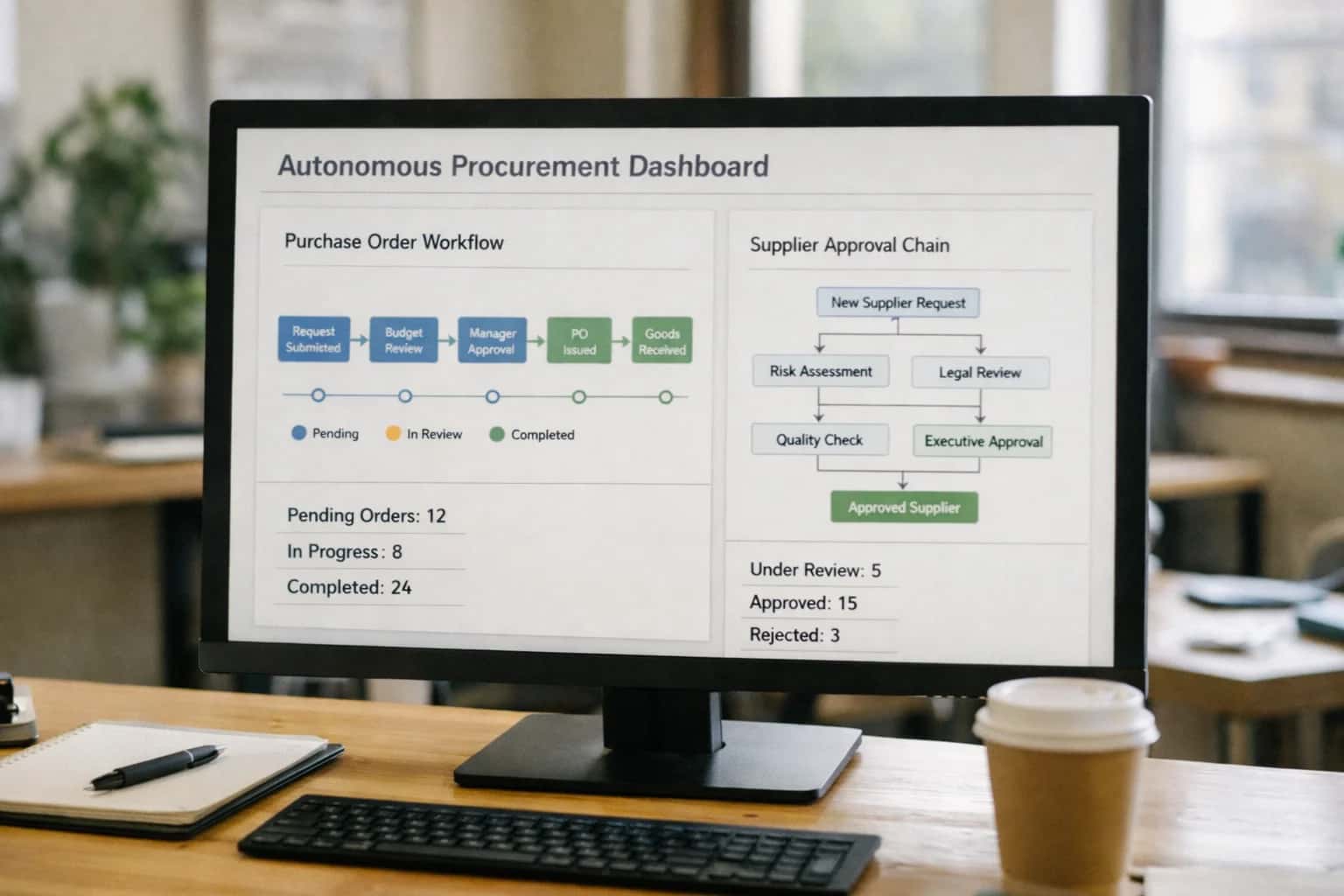
'Agentic Commerce' refers to AI agents that find, trust, and use information without a user ever visiting a site. This pillar focuses on optimizing for machine readability and API compatibility. Sub-topic clusters include structured data for autonomous shopping agents, machine-to-machine payment protocols, and supplier agents for just-in-time manufacturing.
Why Agentic Commerce Will Kill the Traditional E-Commerce Website
AI agents that transact directly via APIs render the human-centric website obsolete, demanding a fundamental shift to machine-first commerce infrastructure.
The Hidden Cost of Ignoring Machine-Readable Product Data
Unstructured product catalogs create a silent tax, blocking autonomous agents from purchasing and exposing your business to competitive irrelevance.
Why Your API Strategy is the New Competitive Moat in Commerce
In an agentic world, the quality, reliability, and discoverability of your APIs directly determine your market share and transaction volume.
The Future of Payments: Autonomous Machine-to-Machine Transactions
Agentic commerce requires payment protocols that enable secure, real-time, and auditable value transfer between AI agents without human approval.
Why Legacy ERP Systems Will Fail Agentic Procurement
Monolithic, batch-oriented ERPs lack the real-time API interfaces and semantic data models required for autonomous AI agents to execute just-in-time purchasing.
The Cost of Human Latency in Just-in-Time Manufacturing
Human-in-the-loop approvals for procurement and logistics create costly delays that AI-driven supplier agents are designed to eliminate.
Why Autonomous Shopping Agents Demand a New Data Taxonomy
Existing product categorization fails AI agents, requiring a shift to ontologies and schemas that encode intent, compatibility, and total cost of ownership.
The Future of Supply Chains: Self-Negotiating Supplier Agents
AI agents representing buyers and sellers will dynamically negotiate price, terms, and logistics, creating hyper-efficient, self-optimizing supply networks.
Why Schema Markup is Now a Critical Business Infrastructure
Structured data formats like Schema.org are no longer just for SEO; they are the essential language for AI agents to discover and understand your offerings.
Why M2M Payment Protocols Will Disintermediate Financial Institutions
Direct machine-to-machine settlement layers bypass traditional banking rails, challenging the role of intermediaries in B2B and B2C transactions.
The Future of B2B Commerce: Invisible, Agent-to-Agent Transactions
B2B purchasing will shift from RFPs and sales calls to silent, automated negotiations and fulfillment between corporate AI agents.
Why Trust Frameworks Are the Linchpin of Agentic Commerce
For AI agents to transact autonomously, they require verifiable digital credentials, reputation scores, and enforceable smart contracts to mitigate risk.
Why Machine Readability is the New SEO
Optimizing for AI agent discovery and comprehension through structured data has replaced keyword density as the primary driver of commercial visibility.
The Cost of Semantic Ambiguity for Autonomous Purchasing Agents
Vague or inconsistent product attribute definitions cause AI agents to hallucinate incorrect purchases, leading to operational waste and financial loss.
Why M2M Transactions Will Render Traditional Invoicing Obsolete
Real-time settlement between agents eliminates the need for asynchronous invoicing and reconciliation, collapsing the order-to-cash cycle.
The Future of Procurement: AI Agents as Strategic Sourcing Partners
Procurement teams will shift from managing vendors to configuring and overseeing AI agents that continuously optimize for cost, risk, and sustainability.
Why Your Commerce Platform Needs an 'Agent Interface' Layer
A dedicated API facade designed for AI agents—with standardized endpoints, authentication, and error handling—is now a core platform requirement.
The Hidden Cost of Friction in Machine-to-Machine Handshakes
Poorly designed APIs, authentication bottlenecks, and non-standard error codes introduce crippling latency and failure rates in autonomous transaction chains.
Why Agentic Systems Will Expose Flawed Data Governance
Autonomous agents acting on inconsistent or poor-quality data will systematically amplify and monetize existing data governance failures.
The Future of Logistics: Autonomous Agents Booking Autonomous Carriers
Shipping and fulfillment will become a fully automated marketplace where AI agents dynamically secure capacity from autonomous trucks, drones, and ships.
Why Just-in-Time Manufacturing is Impossible Without AI Suppliers
Achieving true JIT requires AI agents that can predict shortages, source alternatives, and negotiate deliveries in real-time, a task beyond human-led processes.
Why Trust Scores Will Become the Currency of Agentic Commerce
In a multi-agent ecosystem, verifiable, algorithmically determined trust scores will be the primary metric for selecting partners and approving transactions.
The Future of Customer Service: Pre-emptive Resolution by Shopping Agents
Personal AI shopping agents will predict issues, initiate returns, and secure replacements before the human customer is even aware of a problem.
Why Your Data Silos Are a Roadblock to Autonomous Commerce
AI agents require a unified, real-time view of inventory, pricing, and customer data; silos force them to make decisions with incomplete information.
Why M2M Micropayments Will Unlock New Economic Models
Frictionless, low-cost machine-to-machine transactions enable pay-per-use models for industrial equipment, software, and data that were previously untenable.
The Future of Wholesale: Direct Agent-to-Factory Negotiations
AI agents will bypass traditional distributors to negotiate directly with manufacturing agents, compressing supply chains and reducing margins for intermediaries.
Why Explainability is Non-Negotiable for Autonomous Spending Agents
Businesses must audit and understand every autonomous purchasing decision for compliance, cost control, and strategic alignment, demanding built-in explainability.
Why Agentic Commerce Demands a Shift from REST to Event-Driven APIs
The request-response model is too slow and inefficient for real-time agent negotiation, requiring event-driven architectures for state synchronization and alerts.
The Future of Compliance: Autonomous Auditing Agents
Regulatory compliance will be enforced in real-time by AI agents that monitor transactions, verify documentation, and report anomalies without human intervention.
Why Your Legacy Payment Gateway is a Single Point of Failure
Traditional gateways designed for card-not-present human checkout cannot handle the volume, speed, or machine-native authentication required for agentic commerce.
Partnered with leading AI, data, and software stack.





How We Work
Custom AI workflows for your Business
One-fit-all AI don't work for modern businesses. At Inferensys, we aim to understand your business & custom requirements; which we use to define most efficient agentic workflows, the data, and the tools for your business.
01
Review the use case
We understand the task, the users, and where AI can actually help.
Read more02
Pick the right approach
We define what needs search, automation, or product integration.
Read more03
Build the first useful version
We implement the part that proves the value first.
Read more04
Improve from there
We add the checks and visibility needed to keep it useful.
Read moreThe first call is a practical review of your use case and the right next step.
Talk to Us