AI integration connects to compliance monitoring systems at three key layers: data ingestion, workflow automation, and reporting surfaces. For platforms like Guidewire, Duck Creek, or Sapiens, this means using their APIs to inject AI analysis into objects like PolicyChange, ClaimActivity, PaymentTransaction, and CustomerCommunication. The AI acts as a continuous audit agent, scanning these records in real-time or batch for compliance flags—such as unfair claims settlement practices, disclosure omissions, or rate filing deviations—and creating ComplianceFinding records linked to the source.

Integration
AI Integration for Insurance Compliance Platforms
A technical blueprint for integrating AI with insurance compliance systems to automate regulatory change tracking, scan claims and communications for risks, and generate defensible audit trails for AI-assisted decisions.
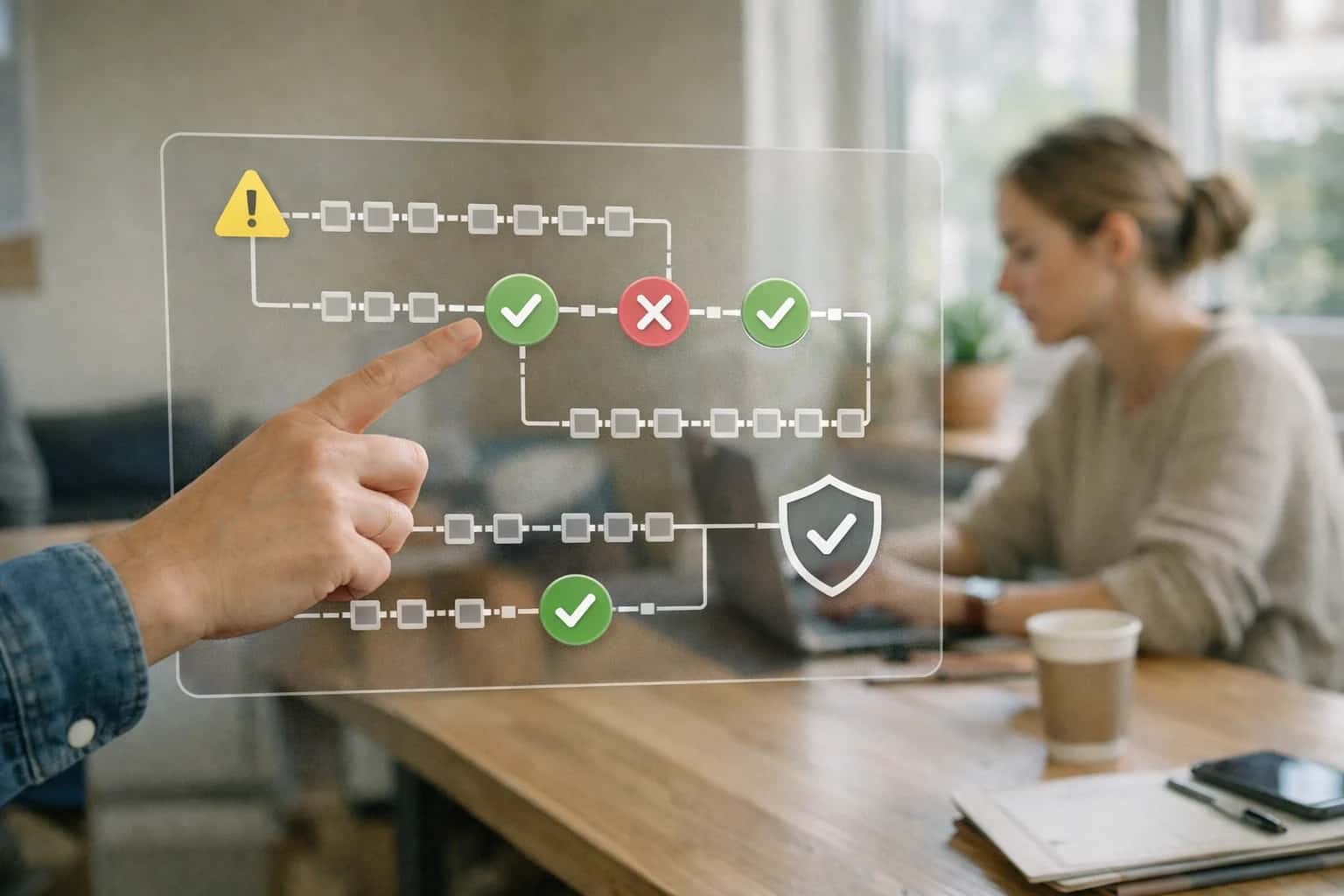
ARCHITECTURE & GOVERNANCE
Where AI Fits into Insurance Compliance Operations
Integrating AI into insurance compliance platforms automates regulatory tracking, risk scanning, and audit trail generation, embedding intelligence directly into core policy, claims, and billing workflows.
Implementation typically involves a middleware service that subscribes to platform events (e.g., a new claim note in Guidewire ClaimCenter, a policy endorsement in Duck Creek Policy). This service calls AI models for regulatory change impact analysis (comparing new regulations against policy wording) and communications compliance scanning (checking outbound letters for mandated language). Results are posted back as workflow tasks or alerts, often integrating with the platform's native rules engine to trigger mandatory review steps or halt non-compliant processes. For example, an AI service can analyze a draft settlement letter, flag missing California Department of Insurance required disclosures, and route it back to the adjuster with specific edits before release.
Governance is critical. Rollout uses a phased, human-in-the-loop approach: AI scores and recommendations are first presented as advisor copilots within the compliance officer's workspace, requiring approval before any system-triggered action. All AI interactions—prompts, model outputs, and user decisions—are logged to immutable audit trails linked to the original business record, satisfying regulatory requirements for explainability. This design ensures AI augments, not replaces, the compliance officer's judgment, while reducing manual review volume from 100% of transactions to a targeted subset of high-risk or complex cases.
ARCHITECTURE FOR REGULATORY AI
Key Integration Surfaces in Insurance Compliance Platforms
Monitoring and Impact Analysis
Integrate AI to continuously scan sources like the NAIC, state DOI websites, and federal registers for new regulations, bulletins, and enforcement actions. The system parses unstructured text, classifies updates by line of business (e.g., auto, property, WC), and maps them to affected internal processes, policy forms, and claims handling procedures.
Key Integration Points:
- Document Management Systems: Automatically tag and route new regulatory documents within platforms like Sapiens Document Management or Guidewire.
- Workflow Engines: Trigger compliance review tasks in systems like Duck Creek Workflow Automation, assigning them to legal and compliance teams with AI-generated summaries and recommended action items.
- Policy Administration Systems: Flag policies in Guidewire PolicyCenter or Duck Creek Policy that may require endorsement or non-renewal based on regulatory changes.
INSURANCE COMPLIANCE PLATFORMS
High-Value AI Compliance Use Cases
Integrating AI with compliance monitoring and reporting systems automates the tracking of regulatory changes, scans claims and communications for compliance risks, and generates audit trails for AI-assisted decisions. These use cases show where to connect AI to reduce manual oversight and improve regulatory readiness.
01
Regulatory Change Monitoring & Impact Analysis
AI agents continuously monitor state DOI websites, NAIC bulletins, and legal databases for new regulations. They analyze the text against your policy forms, claim handling procedures, and rate filings in Guidewire or Sapiens to flag specific workflows, documents, or calculations that require updates, generating prioritized task lists for legal and compliance teams.
Days -> Hours
Impact assessment time
02
Claims Communication Compliance Scan
Integrate AI with your claims platform's correspondence engine (e.g., Guidewire Contact Manager, Sapiens Customer Communications) to scan all outbound adjuster emails, letters, and payment explanations. The AI checks for adherence to fair claims settlement practices, proper disclosure language, and timeliness requirements, flagging potential violations before sending.
Batch -> Real-time
Review mode
03
AI Decision Audit Trail Generation
For every AI-assisted action—like a reserve recommendation in ClaimCenter or a fraud score in Duck Creek—automatically generate a structured audit log. This includes the input data, model version, prompt used, reasoning chain, and final output, stored in the system of record. This creates a defensible, searchable trail for regulators and internal audit.
Manual -> Automated
Audit readiness
04
Unfair Claims Practice Detection
Deploy AI models that analyze patterns across closed claim files in your core system to detect potential systemic issues. The models look for indicators like consistent lowball estimates, unreasonable investigation delays, or discriminatory settlement patterns by region or demographic, surfacing insights for proactive corrective action before a regulatory audit.
05
Producer & Agency Licensing & Appointment Monitoring
Connect AI to your producer management databases and external licensing boards. Agents automatically validate active licenses, appointments, and continuing education credits for thousands of agents. The system flags expirations, disqualifications, or missed filings, triggering automated workflows to suspend quoting/binding rights in the policy administration system.
1000s of records
Automated validation
06
Market Conduct Exam Preparation Automation
When an exam is announced, AI orchestrates data retrieval from Policy, Claims, and Billing systems. It uses natural language to interpret the data request, extracts relevant policies and claim files, redacts sensitive information, and generates organized, indexed response packages. This turns a multi-week manual effort into a structured, repeatable process.
Weeks -> Days
Response preparation
AUTOMATED REGULATORY OPERATIONS
Example AI Compliance Workflows
Integrating AI with compliance platforms automates the tracking of regulatory changes, scans claims and communications for risks, and generates audit trails for AI-assisted decisions. These workflows show how to connect AI models to your core systems to reduce manual oversight and improve audit readiness.
Trigger: A compliance platform (e.g., a subscribed feed) ingests a new regulatory bulletin, circular, or statutory update.
Workflow:
- Document Ingestion & Summarization: The new regulatory document is sent via API to an AI service. The model generates a concise summary, highlighting key changes, effective dates, and affected lines of business (e.g., auto, property).
- Policy & Procedure Cross-Reference: The AI system queries the Policy Administration System (PAS) and internal procedure databases to identify all policy forms, endorsements, and internal guidelines that reference the impacted regulations.
- Impact Scoring & Routing: An AI agent analyzes the overlap and generates an impact score and a preliminary list of required actions (e.g., update policy language, modify claim handling rules). This analysis is posted as a task to the compliance team's workflow queue in the compliance platform, prioritized by score.
- Audit Trail: The entire process—original document, AI summary, cross-reference results, and generated task—is logged with timestamps and model version in the compliance platform's audit log.
Human Review Point: The compliance officer reviews the AI-generated impact assessment and task list before initiating formal change management procedures.
ENSURING COMPLIANCE IN AI-ASSISTED DECISIONS
Implementation Architecture: Data Flow & Guardrails
A production-ready architecture for integrating AI with insurance compliance platforms, focusing on secure data flow, auditability, and regulatory guardrails.
A compliant AI integration for platforms like Guidewire, Duck Creek, or Sapiens requires a clear separation between the core system of record and the AI inference layer. The architecture typically involves a secure API gateway that brokers requests from the compliance platform. For example, a RegulatoryChangeMonitor workflow in Guidewire can trigger an API call to an AI service, sending only the necessary metadata (e.g., jurisdiction, line of business, effective date). The AI service, hosted in your VPC or a compliant cloud, processes the request—scanning external regulatory feeds or internal claims communications for compliance risks—and returns a structured JSON payload with findings, confidence scores, and suggested actions. This payload is then posted back to a dedicated AI_Compliance_Audit custom object in the core platform, never directly updating master policy or claim records without a human-in-the-loop approval step defined in the platform's native workflow engine.
Critical guardrails are implemented at multiple layers:
- Data Minimization & Masking: Before leaving the core platform, personally identifiable information (PII) and sensitive financial data are masked or tokenized. Only de-identified claim IDs or policy numbers are used for cross-referencing.
- Approval Workflows: AI-generated outputs, such as a flagged high-risk communication or a recommended reserve adjustment based on new regulations, do not auto-apply. They create a task in the compliance officer's queue within the platform (e.g., a Guidewire Activity or Duck Creek Work Item) requiring review and explicit approval.
- Immutable Audit Trail: Every AI interaction is logged with a unique correlation ID. The audit log captures the input sent, the model version used, the full output received, the reviewing officer, and the final action taken. This log is written both to the platform's audit tables and to a separate, immutable storage layer (e.g., a WORM-compliant S3 bucket) to satisfy regulatory record-keeping requirements.
Rollout follows a phased, risk-based approach. Start with a low-risk, high-volume use case like automated scanning of agent emails for unapproved sales language. Deploy the AI model in a "shadow mode" for 30-90 days, where it processes real data but its outputs are only compared to human reviews to measure accuracy and bias. Once validated, enable it as an "assist mode," presenting findings as suggestions. Finally, after regulatory and legal review, certain workflows can progress to "automated review with override," where the AI can auto-close low-risk alerts but must escalate medium/high-risk items. This governance model, coupled with the technical architecture, ensures AI enhances compliance operations without introducing uncontrolled regulatory risk. For a deeper look at orchestrating these approval workflows, see our guide on AI Integration for Insurance Workflow Automation.
AI INTEGRATION FOR INSURANCE COMPLIANCE
Code & Payload Examples
Automated Regulatory Alerting
Integrate AI to monitor state DOI websites, NAIC bulletins, and internal legal memos. Use a scheduled agent to fetch, summarize, and classify new regulations, then post actionable alerts directly to the compliance team's workflow queue in your core system.
Example Payload to Compliance Workflow API:
json{ "workflowType": "REGULATORY_ALERT", "priority": "HIGH", "title": "New CA DOI Bulletin 2024-05: AI Use in Claims", "summary": "Bulletin mandates disclosure of AI-assisted decisions to claimants and establishes audit trail requirements for models used in loss estimation.", "affectedStates": ["CA"], "affectedLines": ["AUTO", "PROPERTY"], "deadlineDate": "2024-10-01", "sourceUrl": "https://www.insurance.ca.gov/...", "aiGenerated": true }
This payload triggers a compliance task, auto-assigns it based on line of business, and logs the AI-generated summary for the audit trail.
AI INTEGRATION FOR COMPLIANCE MONITORING
Realistic Time Savings & Operational Impact
How AI integration transforms manual, reactive compliance processes into proactive, automated workflows within platforms like Guidewire, Duck Creek, and Sapiens.
| Compliance Workflow | Before AI Integration | After AI Integration | Implementation Notes |
|---|---|---|---|
Regulatory Change Tracking | Manual review of bulletins & emails (4-8 hrs/week) | Automated scanning & summarization (30 min/week review) | AI monitors official sources, flags relevant changes to compliance team |
Claims Communication Screening | Spot-check sampling of adjuster notes & emails | Continuous, full-population analysis for red flags | AI scans for non-compliant language, high-risk phrases; flags for review |
Audit Trail Generation for AI Decisions | Manual logging in spreadsheets or separate systems | Automated, immutable logging integrated with core platform | Every AI recommendation or action is logged with context for regulator review |
Policy Document & Endorsement Review | Manual comparison against compliance checklists | AI-assisted clause extraction & gap analysis | Highlights missing required language or conflicts with new regulations |
Compliance Reporting Preparation | Manual data aggregation from multiple systems (2-3 days) | Automated data compilation & draft narrative (same-day) | AI pulls from claims, policy, and comms data; human finalizes and submits |
Targeted Training Identification | Annual generic compliance training for all staff | Dynamic, role-specific modules based on detected risk patterns | AI analyzes individual/team compliance gaps, suggests training to LMS |
ARCHITECTING FOR COMPLIANCE AND CONTROLLED ADOPTION
Governance, Security & Phased Rollout
Integrating AI into insurance compliance platforms requires a deliberate architecture that embeds governance, maintains auditability, and enables controlled, phased adoption.
AI integration for platforms like Guidewire, Duck Creek, or Sapiens must be designed to respect the existing compliance data model. This means mapping AI outputs to specific regulatory change records, audit trail objects, and risk flagging modules. For instance, an AI agent scanning claims communications for compliance risks should write its findings—such as a potential Unfair Claims Settlement Practices Act (UCSPA) violation flag—to a dedicated ComplianceFinding object, linking it to the original claim, communication, and the specific rule or regulation ID from the platform's master data. All AI-generated content, like summaries of regulatory changes, should be stored as versioned documents with clear metadata indicating the source model, prompt, and timestamp for lineage.
Security is enforced at the integration layer. API calls to external LLMs or internal vector databases should be routed through a secure gateway that enforces role-based access control (RBAC), ensuring AI services only access claims, policy, or communication data the authenticated user is permitted to see. For sensitive workflows—like using AI to redact personally identifiable information (PII) from documents for external review—data must be processed in a secure, isolated environment with encryption in transit and at rest. The system should log all AI interactions, including the input context sent to the model and the raw output received, creating an immutable audit trail for regulators.
A phased rollout is critical for managing risk and proving value. Phase 1 typically involves a read-only copilot, such as an AI assistant that helps compliance officers by retrieving relevant regulations for a given claim type from a vector store, with no ability to write back to the system. Phase 2 introduces assisted writing and flagging, where the AI drafts monitoring reports or suggests risk scores, but requires human approval before creating any system records. Phase 3 enables controlled automation for high-confidence, repetitive tasks, like automatically categorizing and routing newly published regulatory bulletins to the appropriate business owners based on their content and affected lines of business. Each phase includes defined success metrics, manual review sampling rates, and a clear escalation path to human oversight.
Enabling Efficiency, Speed & Accuracy
Intelligent Analysis, Decision & Execution
We build AI systems for teams that need search across company data, workflow automation across tools, or AI features inside products and internal software.
Talk to Us
Search across company data
Give teams answers from docs, tickets, runbooks, and product data with sources and permissions.
Useful when people spend too long searching or get different answers from different systems.
Enterprise searchRAGPermissions
Read more
Automate internal workflows
Use AI to route work, draft outputs, trigger actions, and keep approvals and logs in place.
Useful when repetitive work moves across multiple tools and teams.
AI agentsWorkflow automationGovernance
Read more
Add AI to products and internal tools
Build assistants, guided actions, or decision support into the software your team or customers already use.
Useful when AI needs to be part of the product, not a separate tool.
AI integrationDecision supportModel routing
Read moreIMPLEMENTATION AND GOVERNANCE
Frequently Asked Questions
Practical questions for integrating AI with insurance compliance platforms like Guidewire, Duck Creek, and Sapiens to automate regulatory monitoring, risk scanning, and audit trail generation.
The safest pattern is a sidecar architecture where AI services operate on a copy of the data or intercept outbound workflows.
Typical Integration Flow:
- Trigger: A claim is saved, a payment is issued, or a customer communication is sent from your core platform (e.g., Guidewire ClaimCenter).
- Data Context: A webhook or event from the platform sends a secure payload (claim ID, relevant fields, document references) to a dedicated queue.
- AI Action: A compliance agent processes the payload. It may:
- Retrieve the full claim document bundle from your DMS.
- Call an LLM with a grounded prompt to scan for red flags (e.g., unfair settlement language, missing mandated disclosures, data privacy leaks).
- Check claim actions against a vector database of recent regulatory bulletins for relevance.
- System Update: The agent posts results as a non-blocking activity note or creates a low-priority diary entry in the claim file, flagging it for compliance review. It never auto-adjusts reserves or payments.
- Human Review: The compliance or special investigations team reviews the flagged claim in their normal workflow.
This keeps AI as an advisory layer, maintaining system integrity and clear accountability.

About the author
Prasad Kumkar
CEO & MD, Inference Systems
Prasad Kumkar is the CEO & MD of Inference Systems and writes about AI systems architecture, LLM infrastructure, model serving, evaluation, and production deployment. Over 5+ years, he has worked across computer vision models, L5 autonomous vehicle systems, and LLM research, with a focus on taking complex AI ideas into real-world engineering systems.
His work and writing cover AI systems, large language models, AI agents, multimodal systems, autonomous systems, inference optimization, RAG, evaluation, and production AI engineering.
LinkedIn
Limited slotsGet a Free AI Consultation
Partnered with leading AI, data, and software stack.





How We Work
Custom AI workflows for your Business
One-fit-all AI don't work for modern businesses. At Inferensys, we aim to understand your business & custom requirements; which we use to define most efficient agentic workflows, the data, and the tools for your business.
01
Review the use case
We understand the task, the users, and where AI can actually help.
Read more02
Pick the right approach
We define what needs search, automation, or product integration.
Read more03
Build the first useful version
We implement the part that proves the value first.
Read more04
Improve from there
We add the checks and visibility needed to keep it useful.
Read moreThe first call is a practical review of your use case and the right next step.
Talk to Us