AI integration connects at three primary layers within Seismic's architecture: the Content Delivery API, the Analytics Event Stream, and the Automation Rules Engine. The Content Delivery API allows external AI services to inject personalized messaging, imagery, or value propositions into assets in real-time before they are served to a buyer. This requires a low-latency call to your AI model, passing context like buyer_firmographics, engagement_history, and deal_stage from Seismic's session context. The Analytics Event Stream (via webhooks or data export) feeds content interaction data—clicks, time spent, shares—back to the AI system to continuously refine personalization models. Finally, the Automation Rules Engine can be triggered by AI-generated scores or tags to route buyers into specific nurture streams or alert sellers to high-intent signals.

Integration
AI Integration for Seismic Content Personalization
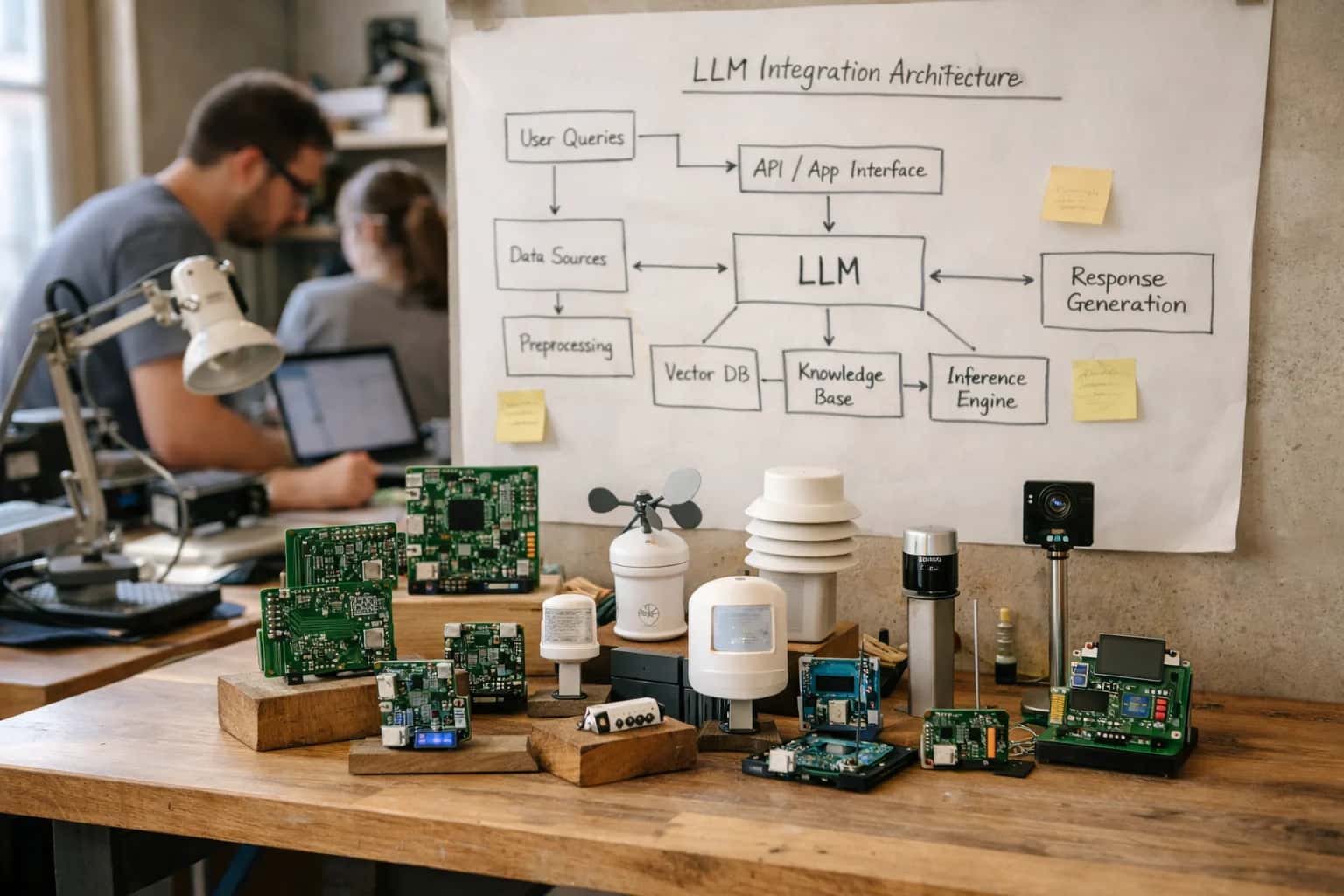
Where AI Fits into Seismic's Personalization Engine
A technical blueprint for integrating AI models directly into Seismic's content delivery, analytics, and automation surfaces to power dynamic, one-to-one personalization at scale.
Implementation focuses on augmenting, not replacing, Seismic's native rules. A common pattern is a hybrid scoring system: Seismic handles baseline rules (e.g., "industry = financial services"), while an AI model adds a nuanced, predictive layer (e.g., "propensity for ESG content based on job title and recent webinar attendance"). This is executed by deploying a lightweight orchestration service that sits between Seismic and your LLM or recommendation model. This service calls the Seismic API for context, enriches it with CRM data (via a separate integration), calls the AI model, and returns structured personalization instructions—like swapping a headline or selecting a case study variant—back to Seismic for rendering. All decisions are logged to an audit trail for compliance and optimization.
Rollout should be phased, starting with a single content type (e.g., proposal templates) and a controlled audience. Governance is critical: establish a human-in-the-loop review for AI-generated variants before they go live, and implement A/B testing at the API level to measure lift in engagement metrics like content_effectiveness_score within Seismic. Because personalization directly touches customer-facing materials, ensure your AI integration includes content compliance checks, especially for regulated industries. For a deeper technical walkthrough of API patterns and event handling, see our guide on [/integrations/sales-enablement-platforms/seismic-integration-apis](Seismic Integration APIs).
Key Seismic Surfaces for AI Integration
The Intelligent Content Repository
This is the core data layer for personalization. AI integration surfaces here focus on transforming static assets into a dynamic, queryable knowledge base.
Key Integration Points:
- Asset Metadata & Taxonomy: Use AI to automatically tag uploaded content (presentations, PDFs, videos) with topics, sentiments, intended buyer roles, and product associations. This enriches Seismic's native search and powers semantic retrieval.
- Content Lifecycle Automation: Implement models to analyze usage data and engagement metrics to identify stale, underperforming, or outdated assets. Trigger automated archival workflows or alert content managers for review.
- Document Intelligence: For complex assets like proposals or case studies, use RAG (Retrieval-Augmented Generation) to index internal text. This allows sellers to ask natural language questions (e.g., "Find case studies where we reduced operational costs for manufacturing clients") and get precise, cited excerpts.
Implementation Pattern: Ingest content via Seismic's APIs into a vector database. Use embedding models to create semantic indexes. Expose a retrieval endpoint that your custom app or Seismic LiveSend can call for real-time, context-aware content assembly.
High-Value AI Personalization Use Cases for Seismic
Integrating AI into Seismic transforms static content libraries into dynamic, context-aware engines. These patterns show where to connect models to Seismic's APIs, content objects, and user workflows for measurable seller productivity gains.
Dynamic Content Assembly for LiveSend
AI analyzes the recipient's firmographics, engagement history, and deal stage to automatically select and sequence the most relevant slides, one-pagers, and case studies within a Seismic LiveSend. It tailors the cover message and suggests optimal send times, turning a batch operation into a personalized touchpoint.
In-CRM Asset Recommendations
Using Seismic's APIs and Salesforce triggers, an AI layer surfaces personalized content suggestions directly on the opportunity, contact, or account record. Models evaluate CRM data (industry, deal size, stage) and past content performance to recommend the single best asset for the seller's next action, reducing context-switching.
Playbook Generation from Win/Loss Data
AI ingests closed-won opportunity data, call transcripts, and content usage logs to automatically generate and update Seismic playbooks. It identifies winning content patterns and conversation themes for specific buyer roles and verticals, creating dynamic playbooks that guide sellers based on proven success.
Semantic Search Across Asset Libraries
Implement RAG (Retrieval-Augmented Generation) on top of Seismic's content repository. Sellers use natural language queries (e.g., 'case study for cost overruns in manufacturing') instead of keyword tags. AI retrieves and summarizes relevant assets, even from dense PDFs and video transcripts, cutting search time dramatically.
Personalized Learning Paths for Onboarding
AI analyzes a new seller's role, background, and initial assessment results in Seismic to build a customized 30-60-90 day learning path. It dynamically recommends training modules, core content, and practice scenarios, adjusting the curriculum based on the seller's consumption and quiz performance.
Automated Content Lifecycle Management
AI monitors content engagement metrics, version history, and external product updates to flag outdated or underperforming assets in the Seismic library. It suggests archival candidates, identifies gaps in the content portfolio, and can even draft metadata tags and summaries for new uploads, reducing administrative overhead.
Example AI-Personalization Workflows
These workflows demonstrate how to wire AI models into Seismic's content delivery surfaces, using real-time context from CRM, buyer engagement, and deal data to personalize assets at the point of use.
Trigger: A seller initiates a Seismic LiveSend for a specific opportunity.
Context Pulled:
- Opportunity stage, industry, and deal size from Salesforce via Seismic's native sync.
- Recipient's role and engagement history (email opens, link clicks) from marketing automation platform.
- Core value propositions and pain points associated with the asset being sent.
AI Action: A lightweight LLM call rewrites the email body and subject line, tailoring the messaging to the recipient's role (e.g., technical vs. financial) and the specific pain points relevant to their industry. It selects 1-2 key bullet points from the asset to highlight.
System Update: The personalized email body and subject are populated in the LiveSend composer for the seller's review and approval before sending.
Human Review Point: The seller must explicitly approve the AI-generated copy before the send is executed, maintaining control over outbound communications.
Implementation Architecture & Data Flow
A production-ready blueprint for connecting AI models to Seismic's content delivery and analytics APIs to power dynamic, context-aware asset personalization.
The integration architecture centers on Seismic's Content API and Events API. A middleware AI service, deployed as a containerized microservice, subscribes to real-time events—like a seller viewing a playbook or a buyer opening a shared link—and enriches the request context using data from connected systems (e.g., Salesforce for opportunity stage, ZoomInfo for firmographics). This service calls a configured LLM (like GPT-4 or Claude) with a structured prompt containing the asset metadata, recipient context, and personalization rules. The LLM generates tailored messaging, selects alternative imagery, or adjusts value propositions, which are then injected via the Content API to render a personalized asset version before delivery to the end-user.
Key data flows include:
- Real-Time Context Fetch: On an event trigger, the service executes a federated query to pull fresh account data from the CRM and enrichment platforms.
- Vector-Based Asset Retrieval: For broader recommendations, a parallel RAG pipeline queries a vector store (like Pinecone) indexed with Seismic asset embeddings, using the deal context as the search query to find semantically related content.
- Feedback Loop: Engagement data (time spent, downloads, shares) captured via Seismic's analytics is streamed back to the AI service to fine-tune personalization models and measure impact on content performance metrics.
Rollout is typically phased, starting with a single high-value surface like Seismic LiveSend for email, where personalization can be A/B tested. Governance is critical; all AI-generated variants should be logged with the source prompt, model version, and originating data for audit trails. Implement a human-in-the-loop review step for regulated industries before full automation, ensuring compliance with messaging guidelines. For scalability, the middleware service should be deployed behind an API gateway, with rate limiting and caching strategies to handle peak loads during sales kick-offs or quarter-ends.
Code & API Integration Patterns
Ingest & Enrich Content Metadata
Integrate with Seismic's Content API (POST /v2/content) to push newly tagged assets or update existing ones. Use an AI model to analyze uploaded documents, presentations, and videos, then write back enriched metadata like topics, intendedAudience, painPointsAddressed, and keyValueProps.
A typical workflow listens for webhooks from Seismic's content.created or content.updated events, processes the asset via an AI service, and updates the content record via PATCH. This powers more accurate semantic search and foundational personalization.
python# Example: Enrich a new Seismic asset with AI-generated tags import requests def enrich_seismic_content(content_id, file_url): # 1. Call AI service to analyze document ai_response = call_ai_analysis(file_url) # 2. Prepare metadata payload for Seismic payload = { "customFields": { "ai_topics": ai_response.get('topics'), "ai_audience": ai_response.get('audience'), "ai_sentiment": ai_response.get('sentiment') } } # 3. Update Seismic content record headers = {"Authorization": f"Bearer {SEISMIC_API_KEY}"} response = requests.patch( f"{SEISMIC_BASE_URL}/v2/content/{content_id}", json=payload, headers=headers ) return response.json()
Realistic Time Savings & Business Impact
How integrating AI into Seismic's content management and delivery surfaces transforms manual, reactive workflows into automated, predictive processes.
| Workflow / Metric | Before AI Integration | After AI Integration | Implementation Notes |
|---|---|---|---|
Content discovery for a deal | Manual search across folders; 15-30 minutes per rep | AI surfaces top 3 assets in CRM context; <1 minute | Uses RAG on library + CRM data; human selects final asset |
Battle card creation / update | Marketing manually researches & drafts; 3-5 days turnaround | AI drafts initial version from news & win/loss data; 1-2 days review | Human-in-the-loop for compliance & strategic nuance |
Personalized proposal assembly | Reps copy/paste from templates; 2-4 hours per proposal | AI generates first draft from RFP & client data; 30-60 min review | Integrates with Seismic LiveSend; ensures brand compliance |
Content tagging & taxonomy management | Manual tagging by enablement team; ongoing weekly effort | AI auto-tags new uploads & suggests categories; weekly audit | Improves search relevance; reduces admin backlog |
Identifying outdated/underperforming assets | Quarterly manual audit based on download metrics | AI flags stale assets monthly via engagement & relevance scores | Proactive library hygiene; frees enablement for strategic work |
Sales onboarding content path | Static 90-day plan for all new hires | AI creates dynamic plan based on role & initial knowledge checks | Personalized in Seismic Learning; reduces time-to-productivity |
Post-call content follow-up | Manual email with attached PDFs; next-day follow-up | AI suggests & packages content in email based on call transcript; same-day | Triggered via Seismic-Gong integration; rep approves send |
Governance, Security & Phased Rollout
A practical blueprint for deploying AI-driven personalization in Seismic with controlled risk and measurable impact.
A production-grade integration for Seismic content personalization is built on a secure, event-driven architecture. This typically involves deploying a middleware service that listens for Seismic webhooks (e.g., content.viewed, user.profile_updated) and CRM events (e.g., opportunity.stage_changed). This service calls your AI models—hosted in your private cloud or a compliant AI provider—to generate personalized content variants. All prompts, model inputs (like firmographics and engagement history), and generated outputs are logged to a dedicated audit database. Access to the personalization engine is controlled via Seismic's existing Role-Based Access Control (RBAC), ensuring only authorized users can trigger or view AI-generated content variants.
Rollout follows a phased, value-first approach. Phase 1 targets a single, high-impact content type—like a core product one-pager—for a pilot sales team. AI generates 2-3 personalized messaging variants based on the buyer's industry and role. Impact is measured via Seismic's native analytics for engagement lift. Phase 2 expands to dynamic imagery and value proposition swapping within Seismic LiveSend sequences, using A/B testing to validate performance. Phase 3 operationalizes the system, integrating it into automated playbooks and enabling content managers to review and approve AI-suggested personalizations via a moderation queue before they go live to the broader seller base.
Governance is non-negotiable. Establish a content compliance guardrail that checks all AI-generated text against a deny-list of unapproved claims or regulated terms before it's surfaced in Seismic. Implement a human-in-the-loop review step for net-new content variants, especially in regulated industries. Use the audit trail to trace any personalized asset back to the source data and model version used. This controlled approach allows you to capture the efficiency gains of AI—turning manual content tailoring from a days-long process to a real-time suggestion—while maintaining brand consistency and mitigating regulatory risk.
Enabling Efficiency, Speed & Accuracy
Intelligent Analysis, Decision & Execution
We build AI systems for teams that need search across company data, workflow automation across tools, or AI features inside products and internal software.
Talk to Us
Search across company data
Give teams answers from docs, tickets, runbooks, and product data with sources and permissions.
Useful when people spend too long searching or get different answers from different systems.

Automate internal workflows
Use AI to route work, draft outputs, trigger actions, and keep approvals and logs in place.
Useful when repetitive work moves across multiple tools and teams.

Add AI to products and internal tools
Build assistants, guided actions, or decision support into the software your team or customers already use.
Useful when AI needs to be part of the product, not a separate tool.
Frequently Asked Questions
Practical questions for technical teams planning an AI integration to power real-time content personalization within Seismic.
The integration typically uses Seismic's REST APIs and webhooks in a multi-step process:
- Data Ingestion: A secure service (often deployed in your cloud) periodically syncs metadata from Seismic, including:
- Asset properties (title, description, tags, custom fields)
- Engagement data (views, downloads, shares per asset per user/account)
- User and group structures from Seismic's directory.
- Context Enrichment: This service enriches the Seismic data with external context pulled from your CRM (e.g., Salesforce), such as:
- Account firmographics (industry, revenue, location)
- Opportunity stage, product interest, and competitor mentions.
- Individual contact role and seniority.
- Model Inference: For a real-time request (e.g., a seller searching the library), the system sends a context payload to the AI model. This payload includes the query, user ID, and enriched account/opportunity data.
- Personalized Ranking: The model (often a fine-tuned embedding or reranking model) scores all candidate assets from Seismic, boosting those most relevant to the specific buyer context. The ranked list is returned via API to the Seismic interface.
Key Consideration: Personal data is never sent to a public LLM endpoint without strict anonymization or prior consent. The integration architecture is designed to keep PII within your controlled environment, sending only contextual vectors or anonymized identifiers to the model.

About the author
Prasad Kumkar
CEO & MD, Inference Systems
Prasad Kumkar is the CEO & MD of Inference Systems and writes about AI systems architecture, LLM infrastructure, model serving, evaluation, and production deployment. Over 5+ years, he has worked across computer vision models, L5 autonomous vehicle systems, and LLM research, with a focus on taking complex AI ideas into real-world engineering systems.
His work and writing cover AI systems, large language models, AI agents, multimodal systems, autonomous systems, inference optimization, RAG, evaluation, and production AI engineering.
Partnered with leading AI, data, and software stack.





How We Work
Custom AI workflows for your Business
One-fit-all AI don't work for modern businesses. At Inferensys, we aim to understand your business & custom requirements; which we use to define most efficient agentic workflows, the data, and the tools for your business.
01
Review the use case
We understand the task, the users, and where AI can actually help.
Read more02
Pick the right approach
We define what needs search, automation, or product integration.
Read more03
Build the first useful version
We implement the part that proves the value first.
Read more04
Improve from there
We add the checks and visibility needed to keep it useful.
Read moreThe first call is a practical review of your use case and the right next step.
Talk to Us