AI integrates into pharmacy management platforms by connecting to three key layers: the transactional data layer (prescription records, inventory logs, claim histories), the workflow automation layer (queues, task assignments, alerting), and the user interaction layer (pharmacist dashboards, technician screens, patient portals). The most effective implementations use platform-specific APIs or database hooks to inject AI-driven logic—like predictive refill triggers or clinical flagging—directly into existing screens and processes, avoiding disruptive rip-and-replace. For example, an AI agent can be triggered by a new prescription entry in the verification queue, analyze the patient's profile for interactions, and surface a concise alert within the same UI the pharmacist is already using.

Integration
AI Integration for Pharmacy Management Platform Pharmacy Operations
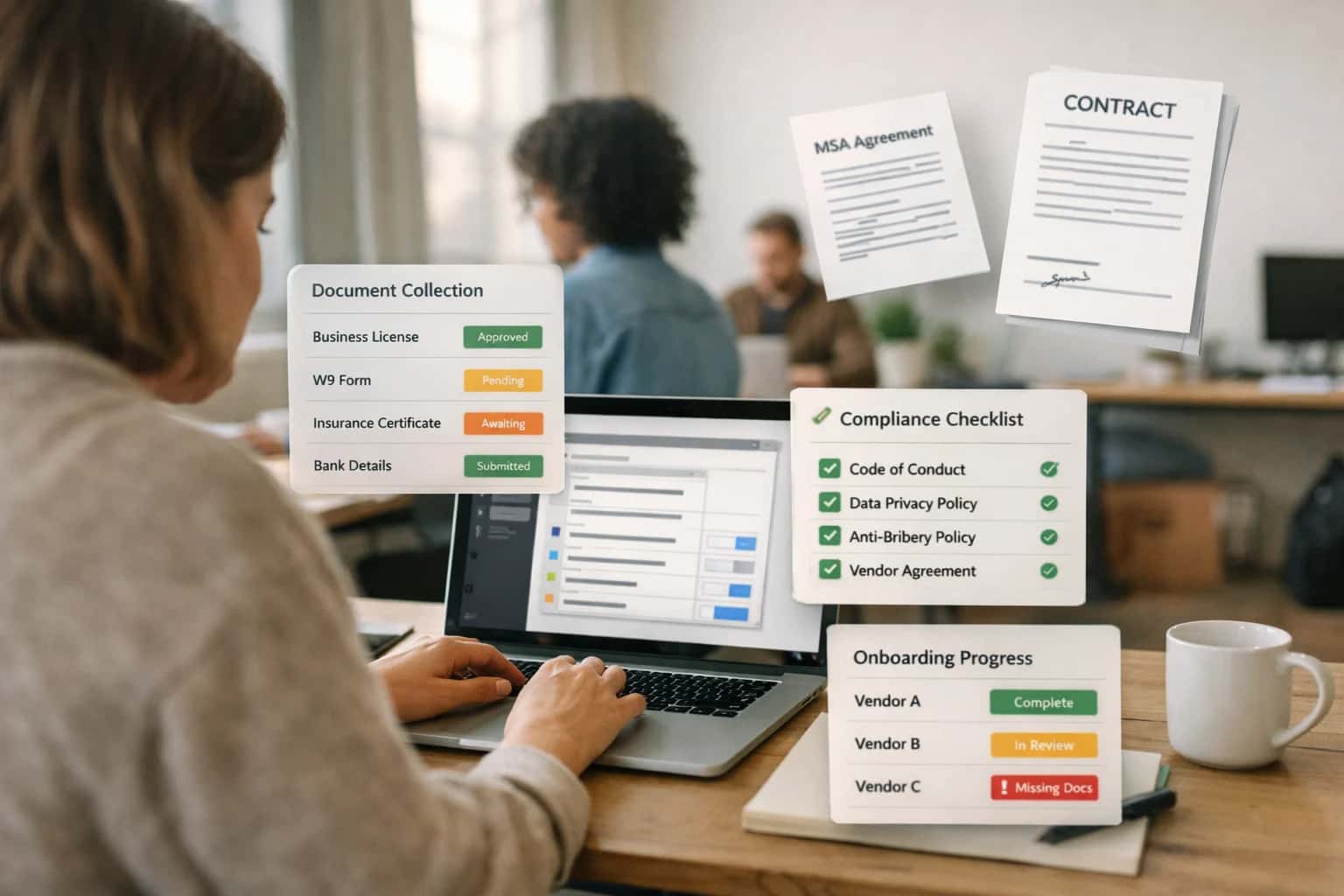
Where AI Fits into Pharmacy Operations
A practical guide to embedding AI into the core operational workflows of McKesson, PioneerRx, PrimeRx, and BestRx.
Rollout follows a phased, workflow-first approach. Start with a single, high-volume, rule-based task like automated refill eligibility checking or inventory expiry scanning. Implement a lightweight integration that reads from the platform's refill request table or inventory database, processes the data, and writes recommendations or status updates back via a secure API. This proves value without overhauling core systems. Subsequent phases can tackle more complex orchestration, such as an AI agent that manages the entire prior authorization workflow—from triggering on a rejected claim, to gathering clinical notes from connected EHRs, drafting the submission, and updating the platform's PA status field upon payer response—all while maintaining a full audit trail in the platform's native logs.
Governance is critical. AI outputs in pharmacy operations are recommendations, not autonomous actions, requiring pharmacist-in-the-loop review for clinical decisions and manager oversight for financial or inventory actions. Integrations must respect the platform's existing role-based access controls (RBAC) and data permissions. A successful implementation includes monitoring for model drift on key tasks (e.g., denial prediction accuracy) and establishing clear procedures for human override, ensuring the AI augments—rather than complicates—the pharmacist's workflow and the platform's compliance posture.
Key Integration Surfaces for Operational AI
Central Hub for Staff and Task Orchestration
Operational AI integrates directly into the platform's workflow engine and scheduling modules, which manage pharmacist and technician assignments, prescription queues, and central fill coordination. This is the primary surface for balancing workloads and automating task routing.
Key integration points include:
- Queue Management APIs: Inject AI logic to dynamically prioritize prescriptions based on complexity, patient wait time, and staff availability.
- Scheduling Event Hooks: Trigger AI agents when shifts are published or when real-time demand (e.g., flu shot appointments) spikes, suggesting optimal break coverage and labor reallocation.
- Central Fill Coordination Interfaces: For multi-store models, AI can analyze batch fill requests from spoke pharmacies, optimize routing to central facilities, and synchronize completion statuses back to the originating platform instance.
By tapping into these modules, AI transforms static schedules and manual task assignment into adaptive, predictive operations that reduce bottlenecks and overtime.
High-Value AI Use Cases for Pharmacy Operations
Integrating AI into pharmacy management platforms like McKesson EnterpriseRx, PioneerRx, PrimeRx, and BestRx moves beyond simple alerts to create intelligent, self-correcting workflows. These use cases target the core operational friction points where staff time is consumed by manual coordination, data entry, and exception handling.
Intelligent Staff Workload Balancing
AI analyzes real-time prescription queue data, flu shot appointments, and historical volume patterns from the platform's scheduling and transaction logs. It dynamically recommends technician-to-pharmacist task assignments and break coverage, pushing alerts to manager dashboards to prevent bottlenecks before they impact wait times.
Central Fill Coordination Agent
For pharmacies using hub-and-spoke models, an AI agent monitors prescription queues across multiple platform instances. It intelligently routes eligible scripts to the central fill facility based on drug type, urgency, and batch capacity, then synchronizes status updates and patient notifications back to the spoke pharmacy's workflow, automating a highly manual coordination task.
Automated Compliance Reporting
AI agents are triggered by platform audit trails and prescription data to automatically compile state-mandated reports for controlled substances (C-IIs), Drug Utilization Review (DUR), and inventory reconciliation. The agent extracts, formats, and submits reports, logging the action within the platform and flagging only true anomalies for pharmacist review, turning a weekly administrative chore into a hands-off process.
Exception-Driven Workflow Orchestration
Instead of linear checklists, AI monitors the platform for workflow exceptions—like a rejected claim, a missing prior authorization, or a drug out of stock. It then orchestrates the corrective multi-step process: gathering necessary data, triggering the appropriate follow-up task (e.g., drafting a PA, suggesting an alternative), and reassigning the prescription to the correct queue once resolved, keeping operations flowing.
Predictive Inventory & Waste Reduction
Moving beyond simple low-stock alerts, AI models analyze platform purchase history, seasonal script trends, and supplier lead times to predict demand for specific drugs and generics. It integrates with the platform's inventory module to generate smart purchase orders, flag slow-moving items for return authorization before expiry, and suggest therapeutic substitutions to use existing stock, directly impacting cost of goods and waste.
Unified Payer Communication Log
AI creates a searchable, intelligent log of all payer interactions by integrating with the platform's billing module, call records, and external portal scrapes. It summarizes call outcomes, tracks claim status promises, and sets follow-up reminders. For common inquiries, it can auto-draft responses or populate forms, giving staff a single source of truth and reducing repeat calls for the same issue.
Example AI-Driven Operational Workflows
These concrete workflows illustrate how AI agents integrate directly into pharmacy management platform data and automation layers to streamline daily operations, balance staff workload, and enhance compliance reporting.
Trigger: A new e-prescription is received via Surescripts or a manual Rx is entered into the platform (e.g., PioneerRx's NewRx queue).
Context/Data Pulled: The AI agent accesses the platform's prescription object, extracting:
- Drug name, dosage, and SIG
- Patient age, allergy flags, and medication history
- Current queue length and pharmacist/technician availability status (from the platform's scheduling module)
- Known high-risk flags (e.g., controlled substance, high-alert medication)
Model or Agent Action: A lightweight classification model scores the prescription for:
- Complexity: Simple refill vs. new therapy requiring clinical review.
- Urgency: Based on drug type (e.g., antibiotic, rescue inhaler).
- Risk: Potential for drug-drug interactions based on patient's profile.
The agent then assigns the Rx to the optimal staff member's work queue, prioritizing high-urgency items and balancing workload.
System Update or Next Step: The agent uses the platform's API (e.g., POST /api/v1/workqueue/assign) to:
- Move the prescription to a "Prioritized Verification" queue for a pharmacist.
- Or, route a simple refill to a technician's "Data Entry & Fill" queue.
- Add an internal note with the AI's priority score and reasoning.
Human Review Point: The final verification and dispensing always remain with the licensed pharmacist. The AI's assignment is a suggestion; pharmacists can manually re-prioritize.
Implementation Architecture: Connecting AI to the Platform
A technical blueprint for embedding AI agents into pharmacy management platforms to optimize staff workflows, central fill coordination, and compliance reporting.
The integration architecture connects AI agents directly to the pharmacy platform's operational data layer, primarily tapping into transaction logs, scheduling modules, and inventory databases. For staff workload balancing, an AI agent consumes real-time data feeds from the prescription queue, flu shot scheduler, and point-of-sale system. It analyzes variables like script complexity, verification time, and technician availability to generate dynamic shift assignments and break coverage recommendations, which are surfaced via a custom dashboard or injected into the platform's native task management module via API.
For central fill coordination, the AI acts as an orchestration layer between the central pharmacy's platform instance and spoke locations. It uses webhooks from the main platform's batch processing module to monitor fill statuses. The agent then optimizes routing logic—considering patient location, medication urgency, and courier schedules—and automatically updates the spoke platform's patient profile with tracking information and estimated ready times. This creates a closed-loop system where manual phone calls and status checks are replaced by automated, platform-native notifications.
Compliance reporting is automated by having AI agents with read-only access to the platform's audit trail and prescription data. On a scheduled basis, the agent queries for controlled substance transactions, DUR flags, and state-specific reporting requirements. It structures this data, applies regulatory logic, and generates pre-filled report drafts (e.g., for state boards or DEA) that are pushed to a secure review queue within the platform. This architecture ensures all AI activity is itself logged in the platform's audit trail, maintaining a clear chain of custody for compliance purposes.
Code and Payload Examples
Real-Time Queue Analysis and Alerting
Integrate AI to analyze prescription transaction logs and predict queue bottlenecks. The agent calls the platform's reporting API to fetch pending tasks, then uses a simple scoring model to flag high-priority items and suggest staff reallocation. The response can be pushed to a dashboard or a Slack/Teams channel for the pharmacy manager.
python# Example: Fetch pending tasks and score workload import requests from datetime import datetime, timedelta # Call pharmacy platform API for pending prescriptions def get_pending_rxs(api_key, store_id): url = f"https://api.pharmacyplatform.com/v1/stores/{store_id}/prescriptions/pending" headers = {"Authorization": f"Bearer {api_key}"} response = requests.get(url, headers=headers) return response.json()['data'] # AI scoring function for workload prioritization def score_workload(pending_list): scores = [] for rx in pending_list: score = 0 # Add points for time in queue wait_time = datetime.now() - datetime.fromisoformat(rx['entered_at']) if wait_time > timedelta(minutes=30): score += 3 # Add points for controlled substance if rx['is_c2']: score += 2 # Add points for patient wait status if rx['patient_status'] == 'waiting': score += 2 scores.append({"rx_id": rx['id'], "score": score}) return sorted(scores, key=lambda x: x['score'], reverse=True) # Main workflow pending = get_pending_rxs(API_KEY, STORE_ID) priority_list = score_workload(pending) # Post top 3 priorities to operations channel for item in priority_list[:3]: send_alert(f"High-priority RX {item['rx_id']} needs attention.")
Realistic Time Savings and Operational Impact
This table illustrates the tangible efficiency gains and operational improvements when AI is integrated into core pharmacy management platform workflows, focusing on staff coordination, central fill, and compliance tasks.
| Operational Task | Before AI | After AI | Implementation Notes |
|---|---|---|---|
Staff Workload Balancing | Manual review of queue dashboards and gut-feel allocation | AI-driven forecast of verification & dispensing volume per hour | Integrates with platform transaction logs and scheduling APIs to predict peaks |
Central Fill Batch Coordination | Phone/email coordination for batch status and exceptions | Automated status sync and exception alerts via platform integration | AI agent monitors central system API, updates spoke platform in real-time |
Compliance Report Generation | Weekly manual data pulls, spreadsheet compilation (2-4 hours) | Automated daily report compilation with anomaly flagging (15 mins review) | Connects to platform audit trails, auto-formats for state board submission |
Inventory Shortage Triage | Reactive; technician flags out-of-stock after patient arrival | Proactive alerts with suggested substitutions 3-5 days before shortage | Analyzes platform stock levels, supplier catalogs, and prescription trends |
Multi-Store Labor Reallocation | Manager calls to coordinate based on perceived need | AI recommends optimal technician shifts based on cross-store prescription volume | Aggregates data from multiple platform instances via centralized API layer |
Regulatory Audit Preparation | Panicked, multi-day record gathering for surprise audits | Pre-compiled audit packet generated on-demand in under an hour | AI continuously tags and organizes relevant platform records against compliance rules |
Operational Exception Handling | Manual logging and follow-up on misfilled scripts, system errors | Automated ticket creation, root-cause analysis, and assigned follow-up | Triggers from platform error logs and integrates with ITSM like Jira Service Management |
Governance, Security, and Phased Rollout
A controlled, phased approach is essential for deploying AI in pharmacy operations without disrupting critical workflows or compliance.
AI integration into pharmacy management platforms like McKesson EnterpriseRx or PioneerRx requires a governance-first architecture. This means implementing strict role-based access controls (RBAC) so that AI agents and copilots only interact with data and functions appropriate to their role—such as a refill automation agent having read/write access to the prescription queue but not to controlled substance logs. All AI-generated actions, whether suggesting an inventory reorder or drafting a prior authorization letter, must be logged in the platform's native audit trail with a clear AI_Agent source identifier, creating a transparent chain of accountability for state board inspections or internal reviews.
Security is paramount when AI systems interface with Protected Health Information (PHI) and pharmacy transaction data. Our integrations are designed to keep sensitive data within your existing platform environment. AI models typically operate via secure API calls where the platform sends a contextual payload (e.g., a de-identified prescription snippet for interaction checking) and receives a recommendation, rather than exporting full patient records. For workflows requiring deeper analysis, such as predicting inventory shortages, we implement data anonymization and aggregation layers that feed the AI from the platform's reporting database, not its live transactional core.
A successful rollout follows a phased, value-driven path. We recommend starting with a low-risk, high-volume workflow like automating refill reminder calls or triaging simple prior authorization status inquiries. This Phase 1 is deployed in a single store or for a single pharmacist, operating in a 'copilot mode' where all AI suggestions require a human pharmacist's approval within the platform UI. After validating accuracy and measuring time savings (e.g., reducing manual refill call-backs from hours to minutes), Phase 2 expands to more complex workflows like inventory expiry forecasting or denial management, and scales to additional locations. This iterative approach builds trust, refines prompts and logic based on real pharmacy data, and ensures each step delivers measurable operational relief before proceeding. For related implementation patterns, see our guide on AI Integration for Pharmacy Management Platform Workflow Automation.
Enabling Efficiency, Speed & Accuracy
Intelligent Analysis, Decision & Execution
We build AI systems for teams that need search across company data, workflow automation across tools, or AI features inside products and internal software.
Talk to Us
Search across company data
Give teams answers from docs, tickets, runbooks, and product data with sources and permissions.
Useful when people spend too long searching or get different answers from different systems.

Automate internal workflows
Use AI to route work, draft outputs, trigger actions, and keep approvals and logs in place.
Useful when repetitive work moves across multiple tools and teams.

Add AI to products and internal tools
Build assistants, guided actions, or decision support into the software your team or customers already use.
Useful when AI needs to be part of the product, not a separate tool.
Frequently Asked Questions
Practical questions about integrating AI into the daily workflows of McKesson EnterpriseRx, PioneerRx, PrimeRx, and BestRx to balance staff workload, coordinate central fill, and automate compliance reporting.
AI agents connect to your pharmacy management platform's backend via secure APIs or database read replicas to access real-time operational data. Key integration points include:
- Transaction Logs: Pulling prescription volume, verification times, and dispensing statuses to model workflow bottlenecks.
- Staff Scheduling Modules: Reading pharmacist/technician schedules, break times, and certifications to assess real-time capacity.
- Central Fill Queue Systems: Monitoring batch statuses, transit times, and patient notifications for hub-and-spoke models.
An AI orchestration layer processes this data to:
- Predict peak verification times and suggest dynamic staff reallocation.
- Automatically reroute eligible prescriptions to central fill based on in-store queue length and promised turnaround times.
- Generate proactive alerts to management 2-3 hours before predicted service level breaches.
The AI updates a dashboard or sends platform-native alerts (e.g., within PioneerRx's messaging) without modifying core platform tables, ensuring stability.

About the author
Prasad Kumkar
CEO & MD, Inference Systems
Prasad Kumkar is the CEO & MD of Inference Systems and writes about AI systems architecture, LLM infrastructure, model serving, evaluation, and production deployment. Over 5+ years, he has worked across computer vision models, L5 autonomous vehicle systems, and LLM research, with a focus on taking complex AI ideas into real-world engineering systems.
His work and writing cover AI systems, large language models, AI agents, multimodal systems, autonomous systems, inference optimization, RAG, evaluation, and production AI engineering.
Partnered with leading AI, data, and software stack.





How We Work
Custom AI workflows for your Business
One-fit-all AI don't work for modern businesses. At Inferensys, we aim to understand your business & custom requirements; which we use to define most efficient agentic workflows, the data, and the tools for your business.
01
Review the use case
We understand the task, the users, and where AI can actually help.
Read more02
Pick the right approach
We define what needs search, automation, or product integration.
Read more03
Build the first useful version
We implement the part that proves the value first.
Read more04
Improve from there
We add the checks and visibility needed to keep it useful.
Read moreThe first call is a practical review of your use case and the right next step.
Talk to Us