
Use Cases
Precision AgTech and Generative Agronomy Support
Precision AgTech and Generative Agronomy Support
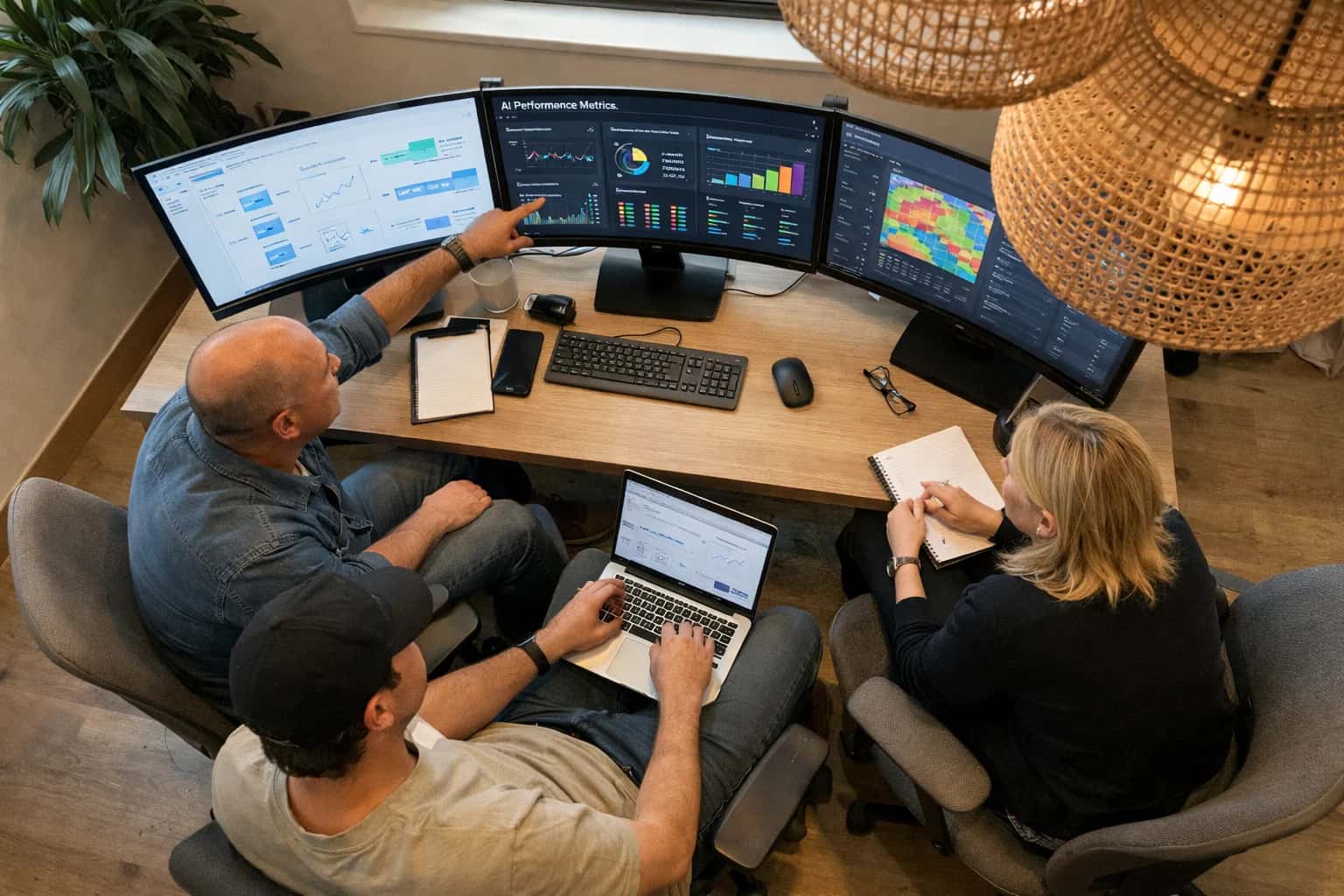
In 2026, AI has shifted from being 'under the hood' to a direct, conversational partner for farmers and agronomists. This pillar focuses on generative AI and decision intelligence that translates complex field data—imagery, weather, machine telemetry, and soil history—into farm-specific plans. It encompasses autonomous equipment, robotics for specialty crops, and 'carbon farming' technologies. Use cases cluster around variable-rate application, modular robotics for labor constraints, and food traceability compliance.
Generative Field Plans from Conversational AI
Turn natural language requests into executable field operation plans, reducing planning time by 80% and ensuring agronomic best practices are followed.
Real-Time Variable-Rate Prescription Maps
Dynamically generate and deploy input application maps from live sensor and imagery data, cutting fertilizer and chemical costs by 15-30%.
Autonomous Crop Scouting with AI Drones
Deploy drone fleets for automated field inspection, providing daily plant-level health reports and freeing skilled labor for decision-making.
Predictive Yield Modeling with Multi-Source Data
Fuse satellite, weather, and soil data into accurate yield forecasts months before harvest, optimizing sales contracts and logistics.
AI-Driven Irrigation Scheduling Optimization
Automate irrigation systems based on real-time evapotranspiration and soil moisture, reducing water use by 20-40% without impacting yield.
Instant Pest and Disease Detection via Imagery
Identify crop threats from drone or smartphone imagery in seconds, enabling targeted treatment before significant damage occurs.
Soil Health Forecasting and Amendment Plans
Predict future soil nutrient and organic matter levels to generate precise, cost-effective amendment and cover crop prescriptions.
Carbon Credit Forecasting and Verification
Model and verify carbon sequestration potential for farms, creating a new revenue stream through high-integrity carbon credits.
Robotic Harvesting for Specialty Crops
Deploy vision-guided robots to harvest high-value fruits and vegetables, solving critical labor shortages and reducing waste.
Real-Time Harvest Readiness Index
Combine fruit firmness, sugar content, and color data from sensors to pinpoint the optimal harvest window for maximum quality and price.
AI-Optimized Fleet Routing for Field Operations
Dynamically route tractors and equipment across fields to minimize fuel use, overlap, and operational time by up to 25%.
Predictive Mycotoxin Risk Forecasting
Analyze weather patterns and crop data to predict mycotoxin outbreaks, allowing for pre-harvest interventions to protect grain quality and safety.
Generative Intercropping and Companion Planting Plans
AI designs optimal multi-crop planting layouts to boost biodiversity, improve soil health, and increase overall farm profitability.
Real-Time Traceability from Field to Buyer
Automate blockchain-based provenance tracking for each lot, ensuring compliance with food safety regulations and premium market requirements.
AI-Powered Grain Storage Condition Monitoring
Continuously analyze temperature and humidity sensor data in silos to prevent spoilage and automate aeration, protecting stored asset value.
Partnered with leading AI, data, and software stack.





How We Work
Custom AI workflows for your Business
One-fit-all AI don't work for modern businesses. At Inferensys, we aim to understand your business & custom requirements; which we use to define most efficient agentic workflows, the data, and the tools for your business.
01
Review the use case
We understand the task, the users, and where AI can actually help.
Read more02
Pick the right approach
We define what needs search, automation, or product integration.
Read more03
Build the first useful version
We implement the part that proves the value first.
Read more04
Improve from there
We add the checks and visibility needed to keep it useful.
Read moreThe first call is a practical review of your use case and the right next step.
Talk to Us