
Use Cases
Automated Code Modernization and Tech Debt Mitigation
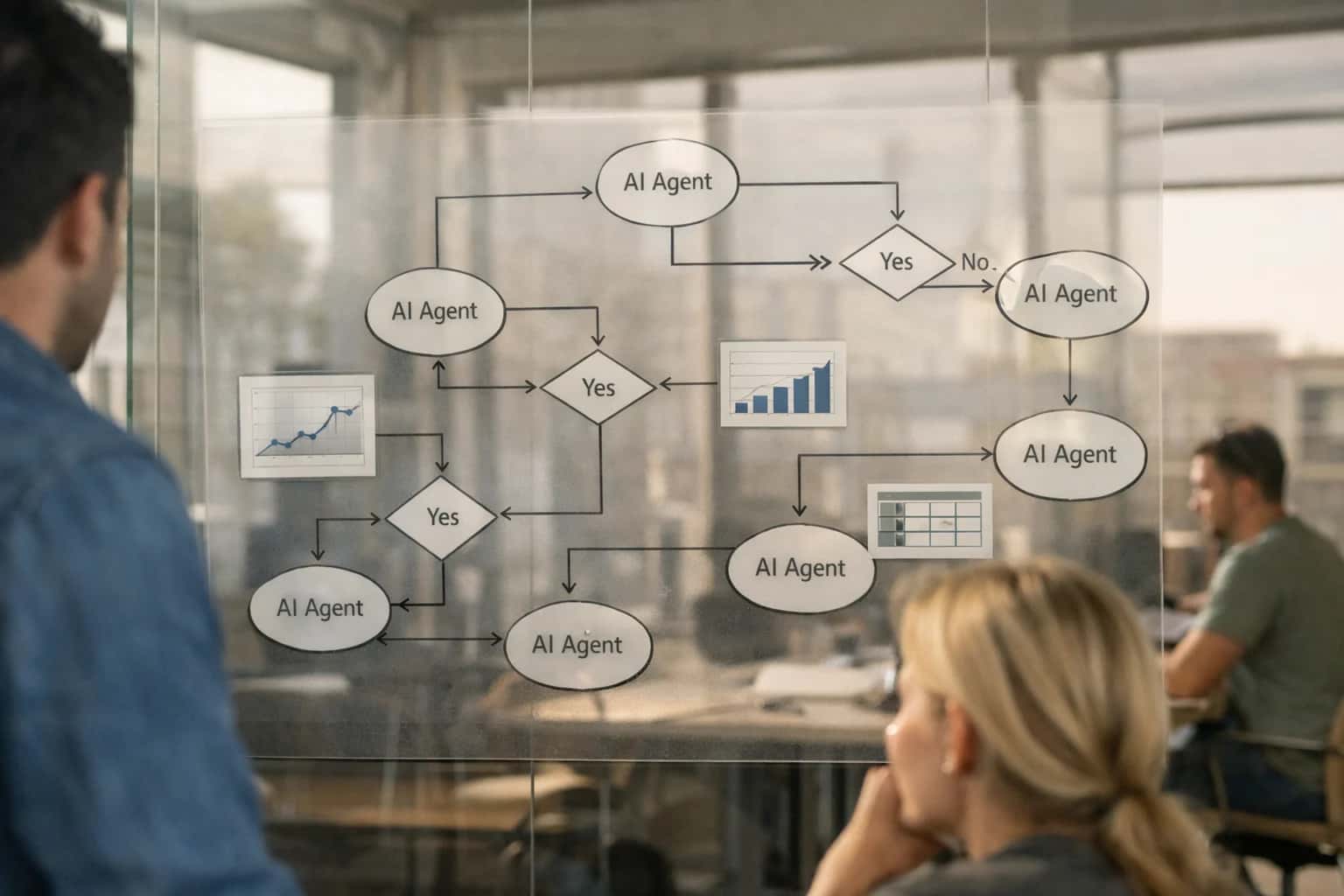
Automated Code Modernization and Tech Debt Mitigation
Governments and enterprises in 2026 are using AI agents to 'refactor' legacy code and modernize systems in manageable, incremental waves. This pillar focuses on automated code conversion, AI-enabled testing, and the reduction of technical debt. It involves the use of agentic workflows to orchestrate the transition from outdated, proprietary platforms to modern, cloud-native architectures. Use cases cluster around 'retiring legacy systems' to unlock the potential for AI across departments and improving the 'execution velocity' of digital transformation.
Automated Legacy Code Refactoring
AI agents systematically modernize outdated codebases, reducing maintenance costs by up to 40% and unlocking developer capacity for innovation.
AI-Powered Mainframe-to-Cloud Migration
Automated conversion of COBOL and mainframe systems to cloud-native architectures, cutting migration timelines from years to months and eliminating vendor lock-in.
Continuous Technical Debt Reduction Engine
Proactively identifies and remediates code quality issues, security vulnerabilities, and architectural flaws before they impact release velocity or system stability.
Automated Monolith-to-Microservices Decomposition
Intelligently decomposes legacy monolithic applications into scalable, independent microservices, enabling faster feature delivery and improved system resilience.
Automated Test Suite Generation and Validation
Generates comprehensive, maintainable test suites for modernized code, ensuring functional integrity and reducing regression risk during large-scale transformations.
Legacy Language and Framework Translation
Converts outdated programming languages (e.g., VB6, PowerBuilder) and proprietary frameworks to modern, supported standards like Java, C#, or Python.
Real-Time Code Health and Compliance Monitoring
Continuously analyzes code quality, architectural adherence, and regulatory compliance, providing actionable dashboards to prevent technical debt accumulation.
Automated API Modernization and Standardization
Transforms legacy, brittle APIs into modern RESTful or GraphQL interfaces, improving interoperability, security, and developer experience for internal and external consumers.
Intelligent Legacy System Retirement Analysis
AI-driven assessment to identify redundant or low-value legacy systems, creating data migration and decommissioning plans that maximize cost savings and minimize business risk.
Automated Database Schema and Query Modernization
Migrates and optimizes legacy database schemas, stored procedures, and queries for modern cloud data platforms, dramatically improving performance and reducing licensing costs.
Partnered with leading AI, data, and software stack.





How We Work
Custom AI workflows for your Business
One-fit-all AI don't work for modern businesses. At Inferensys, we aim to understand your business & custom requirements; which we use to define most efficient agentic workflows, the data, and the tools for your business.
01
Review the use case
We understand the task, the users, and where AI can actually help.
Read more02
Pick the right approach
We define what needs search, automation, or product integration.
Read more03
Build the first useful version
We implement the part that proves the value first.
Read more04
Improve from there
We add the checks and visibility needed to keep it useful.
Read moreThe first call is a practical review of your use case and the right next step.
Talk to Us