The integration connects to the salon platform's core data objects via its Appointment API and Client API. The AI model ingests historical appointment records, client visit patterns, service types, booking channels, and past cancellation behavior. This data is used to generate a real-time cancellation risk score for each upcoming appointment, which is written back to a custom field on the appointment object via a PATCH request. For platforms like Zenoti or Fresha, this scoring process typically runs on a scheduled job (e.g., nightly) and again in real-time when a new booking is created via webhook.

Integration
AI to Reduce No-Shows for Salons
Technical blueprint for integrating predictive AI models with salon management platforms to forecast cancellations, personalize confirmation sequences, and automatically fill empty slots from waitlists.
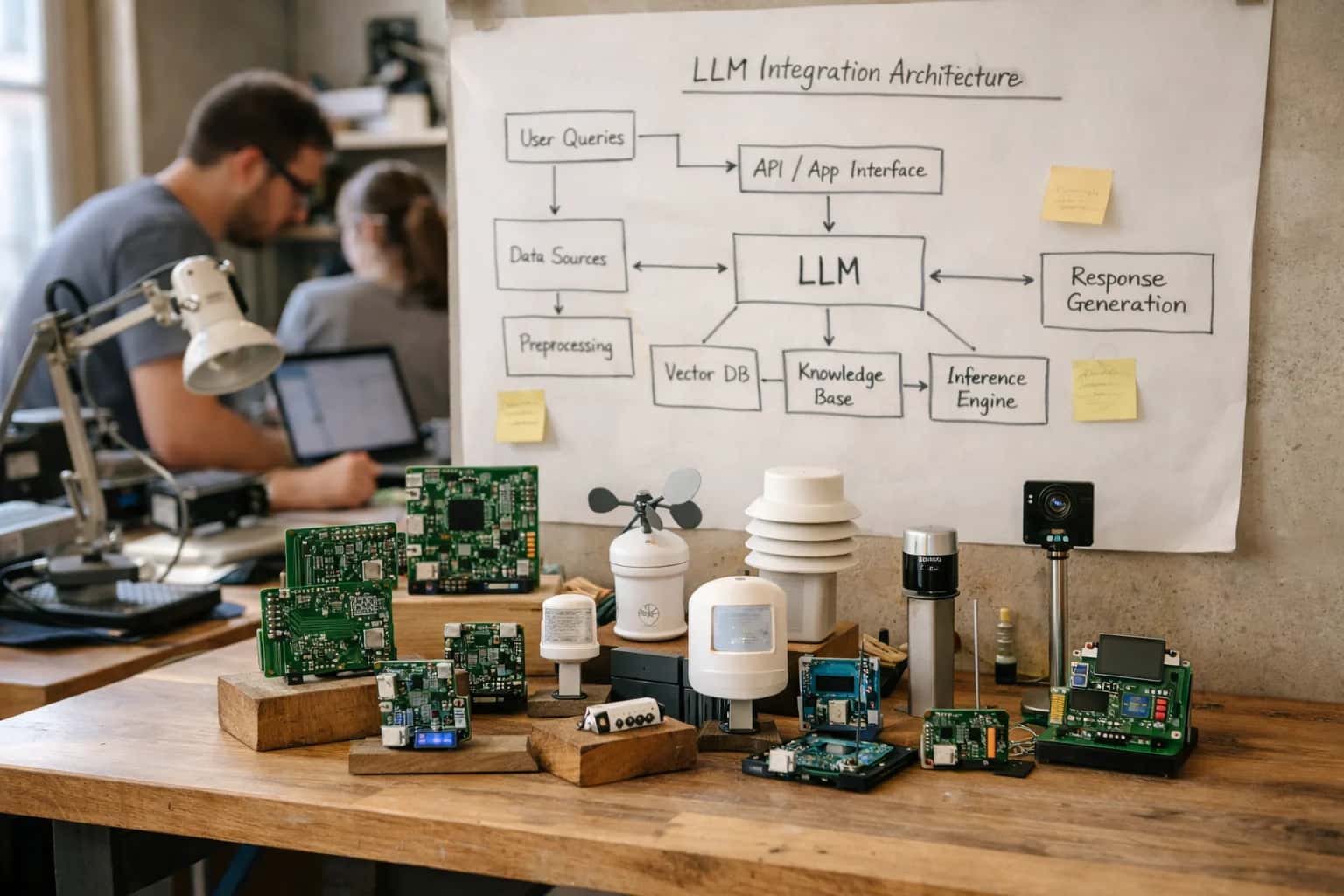
ARCHITECTURE AND ROLLOUT
Where AI Fits into Salon No-Show Management
A technical blueprint for integrating predictive AI models into salon software to reduce no-shows by 15-30%, focusing on data flows, API triggers, and automated intervention workflows.
High-risk appointments trigger automated, personalized intervention sequences. This is executed by having the AI system call the platform's Communication API (e.g., for SMS or email) or by pushing a task into a workflow queue that the native automation engine consumes. Example workflows include:
- Sending a personalized confirmation request 48 hours out, with dynamic content acknowledging the specific service booked.
- If no confirmation is received, triggering a follow-up message offering a flexible rescheduling link generated via the Booking API.
- For last-minute high-risk slots, automatically notifying clients on a prioritized waitlist via the Waitlist API, using the AI to match client preferences with the open slot to increase fill probability.
Governance is critical. The system should log all AI-generated scores and triggered actions to an audit trail. A human-in-the-loop approval step can be configured for certain high-stakes interventions (e.g., offering a discount to confirm). Rollout should be phased: start with a pilot service category or location, monitor the false-positive rate (clients who would have shown up anyway), and adjust model thresholds. The goal is not to eliminate all cancellations, but to convert a predictable percentage of at-risk appointments into confirmed revenue, while improving client communication touchpoints.
AI TO REDUCE NO-SHOWS
Integration Surfaces in Salon Management Platforms
Core Calendar and Client Data
The primary integration surface for no-show prediction is the platform's appointment and booking API. This provides real-time access to the appointment book, client profiles, and historical attendance data.
Key Data Objects to Access:
Appointmentrecords with timestamps, service IDs, and status (booked, confirmed, canceled, no-show).Clientprofiles containing visit history, preferred communication channels, and demographic data.Servicedetails including duration, price, and resource (stylist/therapist) assignments.
Integration Workflow:
- A nightly batch job pulls the next day's appointments via the
GET /appointmentsendpoint, filtering by status. - For each appointment, enrich the data with the client's no-show history and recent booking patterns from the
GET /clients/{id}/visitsendpoint. - Pass this enriched dataset to a predictive model to score each appointment's cancellation risk.
- Flag high-risk appointments in a custom dashboard or push them to a queue for proactive intervention.
SALON AND SPA MANAGEMENT PLATFORMS
High-Value AI Use Cases for No-Show Reduction
Integrating AI with platforms like Fresha, Zenoti, Mangomint, and Vagaro can transform no-show management from reactive to predictive. These use cases connect to appointment, client, and communication APIs to automate interventions and protect revenue.
01
Predictive Cancellation Scoring
An AI model analyzes historical booking data (client tenure, appointment type, time of day, weather) via the platform's reporting API to assign a real-time cancellation risk score to each upcoming appointment. High-risk bookings are flagged in the dashboard and can be routed to a dedicated confirmation workflow.
Batch -> Real-time
Risk detection
02
Personalized Confirmation Sequences
Integrates with the platform's communication engine (SMS/email) to trigger AI-generated, hyper-personalized reminders. Instead of generic texts, messages reference the client's preferred stylist, past services, or loyalty status (e.g., 'Your color refresh with Sarah is confirmed!'). This increases open and confirmation rates.
1-2 days
Lead time for outreach
03
Automated Waitlist Fill
When a cancellation is detected or predicted, the AI agent immediately queries the platform's waitlist API for clients who match the newly available slot (based on preferred service, stylist, and time). It then sends a prioritized, time-sensitive offer via text, often filling the slot within minutes.
Minutes
Slot recovery time
04
Deposit & Pre-Pay Enforcement
For high-value services or chronically late clients, the AI integration recommends and automates deposit requirements within the booking flow. It connects to the platform's payment gateway API to securely collect pre-payment, significantly reducing financial risk from no-shows.
Policy → Automation
Workflow shift
05
Front-Desk Copilot for Rebooking
When a client calls to cancel, an AI assistant (integrated via the platform's telephony or CRM API) surfaces intelligent rebooking suggestions in real-time. It shows the front-desk agent the client's next-best available slots, improving the chance of rescheduling instead of losing the appointment entirely.
Same-day
Rebooking rate
06
No-Show Root Cause Analytics
This AI integration aggregates no-show data across locations, stylists, and service categories from the platform's data warehouse. It generates automated reports identifying patterns (e.g., high no-shows for late-evening brow appointments) so managers can adjust policies, pricing, or staffing.
Weekly → Daily
Insight frequency
IMPLEMENTATION PATTERNS
Example AI-Powered No-Show Prevention Workflows
These workflows illustrate how to connect predictive AI models to salon management platform APIs (like Fresha, Zenoti, Mangomint, Vagaro) to automate personalized interventions, fill cancellations, and reduce revenue loss.
Trigger: A new appointment is booked via the platform's API.
Context Pulled: The AI agent queries the salon software for:
- Client's historical no-show/cancellation rate.
- Time since last appointment.
- Appointment value and therapist seniority.
- Day of week and time of booking.
Agent Action: A lightweight model scores the booking on a 1-5 risk scale. Based on the score, the system selects a confirmation sequence:
- Low Risk (1-2): Standard 48-hour SMS reminder.
- Medium Risk (3): 72-hour SMS + 24-hour email with a personalized note (e.g., "We've reserved the keratin treatment room for you, Sarah!").
- High Risk (4-5): 96-hour SMS, 72-hour email, and a 24-hour pre-call from an AI voice agent confirming the appointment.
System Update: The selected communication workflow is triggered via the platform's native marketing automation or a connected comms service (Twilio, Postmark). The risk score and triggered actions are logged to the client's profile for future model training.
PREDICTIVE MODELING AND AUTOMATED WORKFLOWS
Implementation Architecture: Data Flow and Model Layer
A production-ready blueprint for integrating predictive AI models with salon management platforms to reduce no-shows.
The integration architecture connects to two primary data sources within platforms like Fresha, Zenoti, Mangomint, or Vagaro: the Appointment API for real-time booking state and the Client Profile API for historical behavior. A scheduled job extracts features such as booking_lead_time, day_of_week, service_type, client_previous_no_show_count, and last_confirmation_channel. This feature set is pushed to a predictive model layer (e.g., a lightweight XGBoost model or a fine-tuned LLM classifier) that outputs a cancellation risk score for each upcoming appointment, typically refreshed nightly or in near-real-time via webhook.
High-risk appointments (score > 0.7) trigger automated workflows through the platform's Communication API. Instead of generic reminders, the system generates personalized confirmation sequences:
- First Touch: An AI-drafted SMS or email referencing the specific service and therapist, sent 48 hours prior.
- Second Touch: If no confirmation, a follow-up message 24 hours out offering a flexible reschedule link generated via the platform's Booking API.
- Final Action: For persistent high-risk slots, the system can automatically add the appointment to a dynamic waitlist and notify the next eligible client via an integrated SMS workflow, minimizing revenue loss.
Governance is managed through a central configuration dashboard where salon managers can set risk thresholds, review automated actions in an audit log, and define fallback rules for VIP clients. The model is retrained weekly using updated platform data, with performance monitored on key metrics like false positive rate (unnecessary interventions) and fill rate for waitlist-activated slots. This closed-loop system ensures the AI augments, rather than disrupts, existing staff workflows and platform-native communication tools.
IMPLEMENTATION PATTERNS
Code and Payload Examples
Real-Time No-Show Risk Scoring
This API call is made when a new appointment is booked or when a client profile is updated. It sends key features to a hosted AI model and returns a risk score and recommended action.
pythonimport requests import json # Example payload sent from salon platform webhook or scheduled job payload = { "appointment_id": "APT_78910", "client_id": "CL_12345", "features": { "days_until_appointment": 2, "client_total_no_shows": 1, "client_total_cancellations": 3, "days_since_last_visit": 45, "booking_channel": "website", # 'phone', 'walk-in', 'app' "service_price_tier": "premium", "time_of_day": "17:30", "previous_confirmation_response": "none" # 'confirmed', 'no_reply', 'cancelled' } } # Call to Inference Systems prediction endpoint response = requests.post( "https://api.inferencesystems.com/v1/predict/no-show", json=payload, headers={"Authorization": f"Bearer {API_KEY}"} ) # Example response result = response.json() # { # "risk_score": 0.72, # "risk_tier": "high", # "recommended_action": "send_personalized_sms", # "action_parameters": { # "template_id": "confirm_urgent", # "send_time_offset_hours": -4 # } # }
The score triggers different confirmation workflows in the salon platform's automation engine.
AI-PREDICTIVE NO-SHOW REDUCTION
Realistic Time Savings and Business Impact
How integrating predictive AI models with salon management platforms like Fresha, Zenoti, Mangomint, and Vagaro transforms manual, reactive processes into automated, proactive workflows.
| Workflow Stage | Before AI Integration | After AI Integration | Operational Impact |
|---|---|---|---|
No-Show Risk Identification | Manual review of client history and notes before each day | Automated scoring of every appointment using predictive models | Front-desk staff focus shifts from data review to high-value client service |
Confirmation & Reminder Strategy | One-size-fits-all SMS/email blasts 24-48 hours prior | Personalized, multi-channel sequences triggered by risk score | Higher open/response rates and reduced perceived spam |
Waitlist Activation | Manual calls to waitlisted clients after a cancellation | Automatic, instant notifications to top-priority waitlist matches | Filled slots in minutes instead of hours, maximizing revenue per chair |
Cancellation Analysis & Reporting | Monthly review of no-show reports to spot trends | Real-time dashboard with root-cause insights (e.g., time of day, service type) | Data-driven decisions to adjust booking policies and deposit rules |
Client Profile Enrichment | Static notes field; preferences often missed or outdated | AI updates client profiles with inferred preferences from interaction history | More personalized future bookings and communications, boosting retention |
Front-Desk Workload | High volume of reactive calls and manual follow-ups | AI handles routine confirmations; staff intervenes only for high-risk or complex cases | Enables staff to manage more clients and focus on upselling and experience |
Revenue Recovery | Lost revenue from empty slots and manual waitlist inefficiency | Direct recapture of 60-80% of high-risk slots via automated fills | Predictable protection of bottom-line revenue, especially for high-value services |
PRACTICAL IMPLEMENTATION
Governance, Security, and Phased Rollout
A secure, controlled deployment of AI for no-show reduction requires careful planning around data access, model governance, and incremental rollout.
The integration architecture connects to two primary data surfaces within your salon management platform (e.g., Fresha, Zenoti, Mangomint, Vagaro): the Appointment API for real-time booking status and the Client Profile API for historical visit patterns and contact preferences. A secure middleware layer, acting as an AI agent, ingests this data to generate a cancellation risk score for each upcoming appointment. This agent then triggers personalized confirmation sequences—via the platform's native SMS/Email Automation hooks or a dedicated comms API—and can propose waitlist fills by calling the Calendar/Waitlist API. All client Personally Identifiable Information (PII) and transaction data remain within the platform's ecosystem; the AI model receives only anonymized, feature-engineered data points for scoring, with results written back to a custom object or tag for auditability.
A phased rollout is critical for managing change and measuring impact. Start with a pilot cohort (e.g., 10-20% of clients or a single location) to test the AI's prediction accuracy and communication templates. Key governance steps include:
- Establishing a human-in-the-loop review for the first 30 days, where staff confirm AI-suggested waitlist calls before they are made.
- Implementing role-based access controls (RBAC) so only managers can adjust AI sensitivity thresholds or pause the system.
- Creating an audit log that tracks every AI-generated score, triggered message, and resulting client action (confirmed, canceled, rescheduled). This controlled approach allows you to tune the model based on real-world data—like which message variants drive the highest confirmation rates—before expanding.
For security, the integration should use OAuth 2.0 for platform authentication and store no persistent client PII. The AI model itself should be regularly evaluated for drift to ensure its predictions remain accurate as booking patterns evolve. The final operational goal is to move from a pilot to a steady-state automation, where the system handles the majority of confirmation workflows, freeing front-desk staff to focus on high-touch client interactions. The business impact is directional: reducing manual confirmation work by 60-80% and potentially decreasing no-show rates by 15-30%, directly protecting revenue from last-minute cancellations.
Enabling Efficiency, Speed & Accuracy
Intelligent Analysis, Decision & Execution
We build AI systems for teams that need search across company data, workflow automation across tools, or AI features inside products and internal software.
Talk to Us
Search across company data
Give teams answers from docs, tickets, runbooks, and product data with sources and permissions.
Useful when people spend too long searching or get different answers from different systems.
Enterprise searchRAGPermissions
Read more
Automate internal workflows
Use AI to route work, draft outputs, trigger actions, and keep approvals and logs in place.
Useful when repetitive work moves across multiple tools and teams.
AI agentsWorkflow automationGovernance
Read more
Add AI to products and internal tools
Build assistants, guided actions, or decision support into the software your team or customers already use.
Useful when AI needs to be part of the product, not a separate tool.
AI integrationDecision supportModel routing
Read moreAI TO REDUCE NO-SHOWS
Frequently Asked Questions
Common technical and operational questions about implementing predictive AI models to reduce appointment no-shows in salon and spa management platforms like Fresha, Zenoti, Mangomint, and Vagaro.
The model analyzes historical and real-time data pulled from your salon software's APIs. Key signals include:
- Client History: Prior no-shows, last-minute cancellations, booking frequency, and lifetime value.
- Appointment Context: Day of week, time of day, service duration and price, therapist assigned, and how far in advance the booking was made.
- Behavioral Signals: Whether the client opened confirmation emails/SMS, clicked links, or has an incomplete profile.
- External Factors: Local weather or traffic events for the appointment time (via integrated services).
The model assigns a risk score (e.g., Low, Medium, High) to each upcoming appointment. This score is stored back in a custom field via the platform's API or in an external database linked by a unique appointment ID.

About the author
Prasad Kumkar
CEO & MD, Inference Systems
Prasad Kumkar is the CEO & MD of Inference Systems and writes about AI systems architecture, LLM infrastructure, model serving, evaluation, and production deployment. Over 5+ years, he has worked across computer vision models, L5 autonomous vehicle systems, and LLM research, with a focus on taking complex AI ideas into real-world engineering systems.
His work and writing cover AI systems, large language models, AI agents, multimodal systems, autonomous systems, inference optimization, RAG, evaluation, and production AI engineering.
LinkedIn
Limited slotsGet a Free AI Consultation
Partnered with leading AI, data, and software stack.





How We Work
Custom AI workflows for your Business
One-fit-all AI don't work for modern businesses. At Inferensys, we aim to understand your business & custom requirements; which we use to define most efficient agentic workflows, the data, and the tools for your business.
01
Review the use case
We understand the task, the users, and where AI can actually help.
Read more02
Pick the right approach
We define what needs search, automation, or product integration.
Read more03
Build the first useful version
We implement the part that proves the value first.
Read more04
Improve from there
We add the checks and visibility needed to keep it useful.
Read moreThe first call is a practical review of your use case and the right next step.
Talk to Us