The integration connects at the Reminders module and the Client Communications API. AI acts as a decision layer between Neo's scheduled reminder events and the actual outbound communication. Instead of sending a standard SMS or email blast based on a fixed schedule, the AI system analyzes historical client data—such as past response rates, preferred contact channels, appointment type, and even pet species/breed—to determine the optimal channel (SMS, email, voice), timing, and message content for each individual reminder. This logic is executed via a lightweight microservice that calls Neo's API to update the communication plan for each pending reminder record before it's sent.

Integration
AI Integration for IDEXX Neo Appointment Reminders
A technical blueprint for integrating AI with IDEXX Neo's appointment module to predict and prevent no-shows by personalizing reminder workflows based on client history and behavior.
ARCHITECTURE & ROLLOUT
Where AI Fits into IDEXX Neo's Reminder Workflow
A practical guide to integrating AI into the core reminder and recall engine of IDEXX Neo to reduce no-shows and increase compliance.
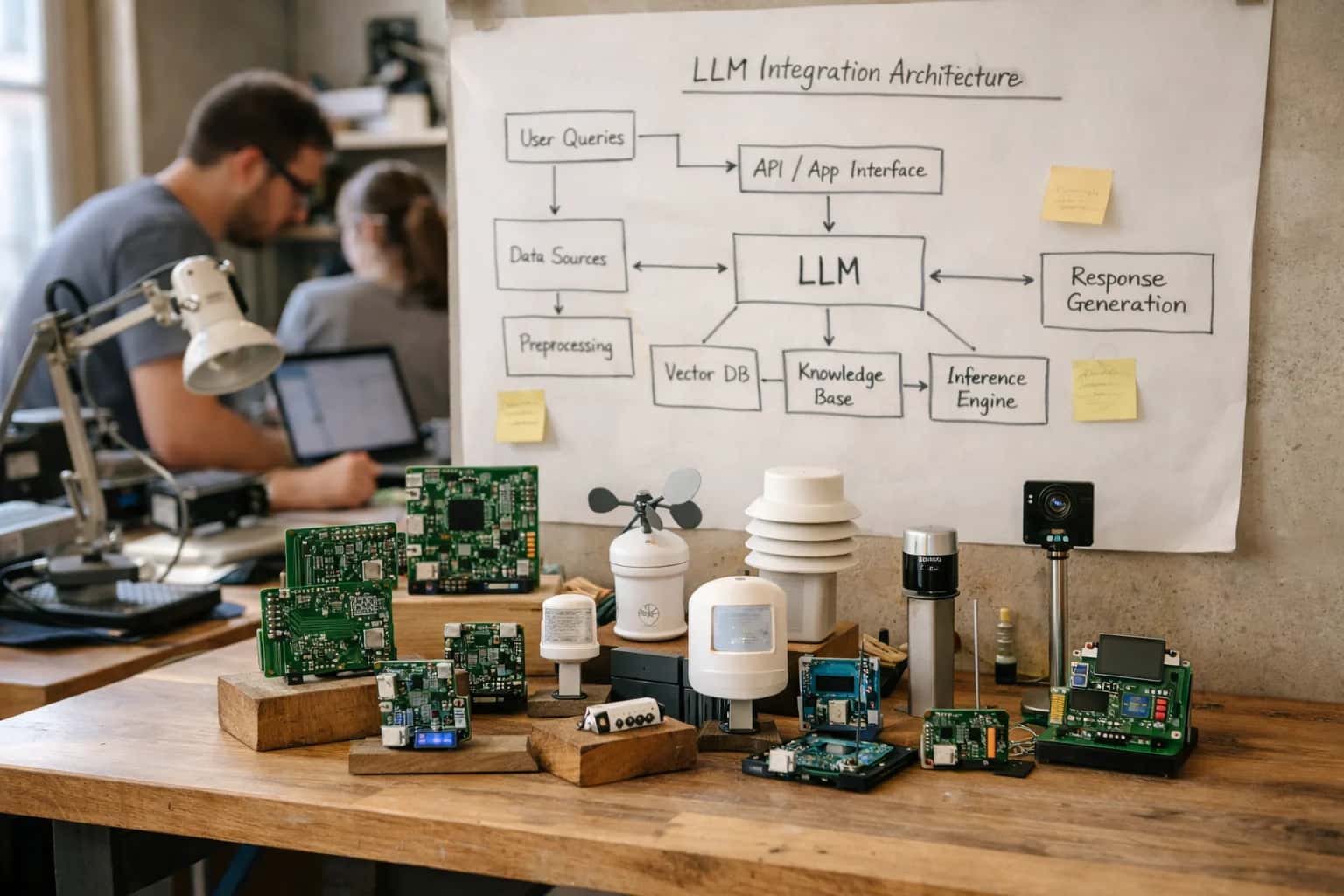
A typical production implementation involves setting up a secure queue (e.g., AWS SQS, Azure Service Bus) that receives webhook events from IDEXX Neo for upcoming appointments. An AI orchestration service processes each event, calls the configured LLM (like GPT-4 or Claude) with a structured prompt containing the client/pet context, and returns a personalized communication strategy. This strategy is then pushed back into Neo via the PATCH /api/v1/reminders/{id} endpoint to override default settings. The entire loop, from webhook to API update, should complete in under 2 seconds to avoid workflow delays. Audit logs for each decision—recording the original rule, the AI's recommendation, and the final action—are stored externally for compliance and model tuning.
Rollout is best done in phases: start with a silent pilot where AI recommendations are logged but not acted upon, to establish a baseline and tune models. Then, move to a parallel run for a subset of clients (e.g., wellness plan patients) where both the old and new systems operate, comparing no-show rates. Finally, full automation can be enabled, with a human-in-the-loop review queue for low-confidence predictions or high-value appointments. Governance is critical: establish clear guardrails in the AI prompt to prevent off-brand messaging and ensure all recommendations adhere to practice communication policies. Regularly review the model's "reasoning" logs to catch drift or unintended biases, such as over-relying on SMS for elderly clients who may prefer phone calls.
APPOINTMENT REMINDERS
IDEXX Neo Modules and APIs for AI Integration
Core Data Objects for AI Analysis
AI-driven reminder personalization begins with the structured data within IDEXX Neo. The system's API provides access to key objects that form the behavioral model for predicting client responsiveness.
Primary Data Sources:
- Client Records: Contact details, preferred communication channels (email, SMS, phone), and historical engagement metrics.
- Pet/Patient Records: Species, breed, age, and medical history that influence care urgency and reminder relevance.
- Appointment History: A complete log of past bookings, including status (completed, no-show, cancelled), service type (wellness, sick, surgery), and lead time.
- Communication Logs: Records of past reminders, confirmations, and client responses sent through Neo's native tools.
By querying these objects, an AI model can identify patterns—such as which clients consistently confirm via SMS but ignore emails, or which appointment types (e.g., annual vaccines vs. dentals) have higher no-show rates. This data foundation is accessed via Neo's REST API, typically requiring OAuth 2.0 authentication for server-to-server integration.
IDEXX NEO APPOINTMENT WORKFLOWS
High-Value AI Use Cases for Neo Reminders
Move beyond simple calendar alerts. Integrate AI directly with IDEXX Neo's reminder engine to analyze client behavior, predict no-shows, and personalize outreach—reducing missed appointments and increasing practice revenue.
01
Predictive Channel Optimization
AI analyzes each client's historical response rates to SMS, email, and phone calls within Neo. It automatically selects the highest-performing channel for each reminder, dynamically routing the message through Neo's communication tools to maximize open and confirmation rates.
15–25%
Higher confirmation rate
02
Dynamic Timing & Escalation
Instead of fixed reminder schedules, AI sets personalized send times based on client activity patterns (e.g., evening vs. morning responders). For high no-show risk appointments, it can trigger an automated phone call or staff alert in Neo 2 hours before, creating a last-chance touchpoint.
Batch -> Real-time
Reminder logic
03
Personalized Message Generation
Generates reminder content tailored to the patient (pet name, reason for visit) and client history. For example, for a diabetic patient's recheck, the message can include specific pre-appointment instructions pulled from Neo's medical records, increasing preparedness and reducing visit delays.
1 sprint
To implement
04
No-Show Risk Scoring & Triage
AI scores every upcoming appointment based on factors like past no-shows, appointment type, and day-of-week trends. High-risk scores are flagged in Neo's dashboard and can automatically trigger a different workflow, such as requiring a deposit via the integrated payment system or a priority callback.
Hours -> Minutes
Risk identification
05
Post-Cancellation Recovery
When a client cancels in Neo, AI immediately analyzes schedule density and staff availability to suggest optimal alternative slots. It can then automatically send a personalized offer to rebook, often recovering revenue that would otherwise be lost.
Same day
Recovery attempt
06
Reminder Performance Analytics
Provides a dedicated dashboard within Neo or a connected BI tool showing which reminder strategies are working. Tracks metrics like channel effectiveness by client segment and no-show rates by predicted risk tier, enabling continuous optimization of the reminder protocol.
Actionable Insights
For practice managers
IDEXX NEO INTEGRATION PATTERNS
Example AI-Powered Reminder Workflows
These workflows illustrate how AI can be integrated into IDEXX Neo's reminder system to move beyond simple calendar-based alerts. Each pattern uses client and patient data to personalize timing, channel, and message, aiming to reduce no-shows and increase preventive care compliance.
Trigger: A patient's record in IDEXX Neo indicates they are due for a core or lifestyle-based vaccination based on the practice's standard protocol.
Context Pulled: The AI agent queries Neo's API for:
- Patient species, breed, age, and medical history.
- Client's historical responsiveness to different reminder channels (SMS open rates, email clicks, call answer rates).
- Local disease prevalence data (e.g., Lyme disease risk in the area).
- Client's typical booking lead time and preferred appointment days.
Agent Action: A model analyzes the data to:
- Personalize Timing: Schedule the reminder not just on a due date, but 2-3 weeks before the client's perceived "risk window" based on local data and pet lifestyle.
- Select Optimal Channel: Choose the highest-probability channel (e.g., "For this client, send SMS first, follow with email 3 days later if no response").
- Generate Message: Draft a personalized message. Instead of "Fido is due for vaccines," it generates "Based on Fido's hiking trips and recent tick activity in Springfield, his Lyme vaccine is recommended before peak season. Schedule his booster today."
System Update: The personalized reminder and send schedule are pushed back to IDEXX Neo's communications module via API for execution. The agent logs the reasoning (risk factor, channel choice) to a separate audit trail.
Human Review Point: For high-value clients or complex medical histories, the system can flag the drafted message for veterinarian review before sending, ensuring clinical appropriateness.
A PRODUCTION-READY BLUEPRINT
Implementation Architecture: Data Flow & System Design
A secure, event-driven architecture for integrating AI-powered reminder orchestration directly into your IDEXX Neo workflow.
The integration is built on a serverless, event-driven model that listens for appointment creation and update events via IDEXX Neo's API or webhook system. When a new appointment is booked or an existing one is modified, a payload containing the appointment ID, client/patient details, and historical interaction data is securely sent to a dedicated Inference Systems orchestration layer. This layer acts as the brain of the operation, querying a vector database containing enriched client profiles—built from historical no-show rates, preferred communication channels (SMS, email, phone), and past engagement patterns—to determine the optimal reminder strategy.
The orchestration engine executes a multi-step workflow: First, it scores the no-show risk for the specific appointment using a model trained on your practice's historical data. Based on this score and the client's profile, it determines the reminder channel, timing, and message content. For example, a high-risk appointment might trigger a personalized phone call two days prior, followed by an SMS the morning of, while a low-risk, digitally-engaged client receives only an email. The system then calls back into IDEXX Neo's communication APIs to schedule and send the reminders, logging all actions and client responses back to the patient record for a closed-loop audit trail.
Rollout is phased, starting with a pilot group of clients to calibrate models and measure impact on no-show rates. Governance is maintained through a human-in-the-loop approval dashboard where staff can review and adjust AI-generated reminder plans before they are sent. All data flows are encrypted in transit and at rest, with strict access controls ensuring PHI compliance. This design ensures the AI augments—rather than replaces—your team's workflow, providing a scalable system to reduce administrative burden and missed appointments without disrupting existing Neo operations.
IDEXX NEO APPOINTMENT REMINDERS
Code Patterns and API Payload Examples
Analyzing Client History for Channel Prediction
To determine the optimal reminder channel (SMS, email, phone), an AI service analyzes historical client interaction data from IDEXX Neo. This involves querying the Neo API for past appointment attendance, response rates to different communication types, and client demographic data. The model predicts the highest probability channel for each upcoming appointment.
A typical workflow extracts this data nightly, processes it, and stores the prediction (e.g., preferred_channel: 'sms') back into a custom field on the appointment or client record. This field is then used by the reminder automation system.
python# Example: Fetch client history for channel prediction neo_api_response = requests.get( f"{NEO_BASE_URL}/api/v1/clients/{client_id}/appointments", headers={"Authorization": f"Bearer {api_token}"}, params={"status": "completed", "limit": 24} ).json() # Process data points: no-show count, SMS open rate, email click rate client_data = { "client_id": client_id, "sms_response_rate": calculate_rate(neo_api_response, 'sms'), "email_open_rate": calculate_rate(neo_api_response, 'email'), "last_minute_cancel_count": count_cancellations(neo_api_response) } # Call AI service for prediction channel_prediction = ai_client.predict_optimal_channel(client_data) # Returns: {"channel": "sms", "confidence": 0.87}
IDEXX NEO APPOINTMENT REMINDERS
Realistic Time Savings and Operational Impact
How AI-driven personalization changes the workflow for reducing no-shows and improving client engagement.
| Workflow Step | Manual Process | AI-Assisted Process | Key Impact |
|---|---|---|---|
Reminder Channel Selection | Standard rule (e.g., SMS for all) | Predictive model selects email, SMS, or call | Increase open/response rates by matching client preference |
Message Timing | Fixed schedule (e.g., 48hrs before) | Dynamic timing based on client open history | Reduce last-minute cancellations by catching attention earlier |
Message Content Personalization | Generic template with pet/owner name | Context-aware drafts referencing past visits or breed | Improve client perception and recall compliance |
No-Shot Risk Scoring | Reactive review after missed appointment | Proactive flagging of high-risk appointments for staff follow-up | Shift from reactive to proactive intervention, saving staff chase time |
Campaign Performance Review | Monthly manual report run | Automated weekly insights on channel effectiveness | Reduce manager analysis time from hours to minutes |
Client Preference Updates | Manual entry from phone calls or notes | AI infers preference shifts from interaction data | Keep communication rules current without manual admin work |
Integration with Other Workflows | Reminders operate in a silo | Triggers for follow-up tasks in Neo if reminder fails | Create closed-loop operations, reducing dropped balls |
PRODUCTION-READY IMPLEMENTATION
Governance, Security, and Phased Rollout
A responsible AI integration for IDEXX Neo requires a secure, governed architecture and a phased rollout to manage risk and build trust.
The integration architecture connects to IDEXX Neo's REST API and webhook endpoints, operating as a secure middleware layer. This layer ingests appointment and client interaction data, processes it through AI models to generate reminder strategies, and then executes communications via Neo's native messaging channels or approved third-party services like Twilio. All data flows are encrypted in transit and at rest, with API keys and credentials managed in a secrets vault. The system maintains a full audit log of all AI-generated decisions and outbound messages, linking back to the specific patient and appointment records in Neo for complete traceability.
A phased rollout is critical for adoption and risk management. Phase 1 begins with a pilot on a single, high-volume service line (e.g., annual wellness exams) for a subset of trusted clients. During this phase, all AI-generated reminders are placed in an approval queue within a custom dashboard for the practice manager to review and manually send, allowing the team to validate the AI's logic and message tone. Phase 2 introduces automated sending for the pilot group but with a human-in-the-loop override, where the system flags low-confidence predictions for staff review. Phase 3 expands the automation to all appointment types and the full client base, with continuous monitoring of key metrics like open rates, confirmation rates, and client sentiment feedback collected via post-appointment surveys.
Governance is built around the client data model in IDEXX Neo. The AI is configured with strict data access policies, ensuring it only uses fields necessary for its prediction (e.g., appointment history, pet species, preferred contact method) and never accesses sensitive financial or detailed clinical notes without explicit, logged justification. A weekly review meeting with practice leadership examines performance dashboards, any flagged edge cases, and client feedback, allowing for prompt tuning of the AI's decision thresholds. This structured approach ensures the integration enhances operations without disrupting the trusted veterinarian-client relationship central to the practice.
Enabling Efficiency, Speed & Accuracy
Intelligent Analysis, Decision & Execution
We build AI systems for teams that need search across company data, workflow automation across tools, or AI features inside products and internal software.
Talk to Us
Search across company data
Give teams answers from docs, tickets, runbooks, and product data with sources and permissions.
Useful when people spend too long searching or get different answers from different systems.
Enterprise searchRAGPermissions
Read more
Automate internal workflows
Use AI to route work, draft outputs, trigger actions, and keep approvals and logs in place.
Useful when repetitive work moves across multiple tools and teams.
AI agentsWorkflow automationGovernance
Read more
Add AI to products and internal tools
Build assistants, guided actions, or decision support into the software your team or customers already use.
Useful when AI needs to be part of the product, not a separate tool.
AI integrationDecision supportModel routing
Read moreIDEXX NEO APPOINTMENT REMINDERS
Frequently Asked Questions (Technical & Commercial)
Practical questions for practice managers and technical leads evaluating AI to reduce no-shows and optimize reminder workflows within IDEXX Neo.
The system analyzes historical client behavior stored in IDEXX Neo to predict the most effective channel. It uses a simple scoring model based on:
- Past Response Rates: Did this client confirm via SMS for their last 3 appointments, but ignore emails?
- Demographic & Pet Data: Client age (from profile) and pet type (e.g., equine clients may prefer calls).
- Appointment Context: Urgent vs. wellness visit, length of appointment, and estimated cost.
- Temporal Patterns: Time of day and day of week the client typically engages.
The AI assigns a probability score for each channel and selects the highest. This logic runs via a secure, external service that calls the IDEXX Neo API to fetch the necessary data, processes it, and returns the channel decision. The result is stored in a custom field or external cache to trigger the appropriate Neo communication workflow.

About the author
Prasad Kumkar
CEO & MD, Inference Systems
Prasad Kumkar is the CEO & MD of Inference Systems and writes about AI systems architecture, LLM infrastructure, model serving, evaluation, and production deployment. Over 5+ years, he has worked across computer vision models, L5 autonomous vehicle systems, and LLM research, with a focus on taking complex AI ideas into real-world engineering systems.
His work and writing cover AI systems, large language models, AI agents, multimodal systems, autonomous systems, inference optimization, RAG, evaluation, and production AI engineering.
LinkedIn
Limited slotsGet a Free AI Consultation
Partnered with leading AI, data, and software stack.





How We Work
Custom AI workflows for your Business
One-fit-all AI don't work for modern businesses. At Inferensys, we aim to understand your business & custom requirements; which we use to define most efficient agentic workflows, the data, and the tools for your business.
01
Review the use case
We understand the task, the users, and where AI can actually help.
Read more02
Pick the right approach
We define what needs search, automation, or product integration.
Read more03
Build the first useful version
We implement the part that proves the value first.
Read more04
Improve from there
We add the checks and visibility needed to keep it useful.
Read moreThe first call is a practical review of your use case and the right next step.
Talk to Us