AI integration for Coupa tax compliance primarily targets three functional surfaces: the Invoice object for line-item tax determination, the Supplier/Vendor master for exemption certificate management, and the Payment and GL posting workflows for audit-ready reporting. The integration acts as a pre-processor and validator, sitting between Coupa's core P2P engine and your configured tax service provider (e.g., Avalara, Vertex). Key data objects include InvoiceLine for item descriptions and commodity codes, Supplier for tax IDs and jurisdiction, and TaxDetail records where calculated amounts are stored before final posting.

Integration
AI Integration for Coupa Tax Compliance
A practical guide to embedding AI agents into Coupa's procure-to-pay workflows to automate tax determination, validate exemption certificates, and reduce compliance risk. Integrates with tax engines like Avalara.
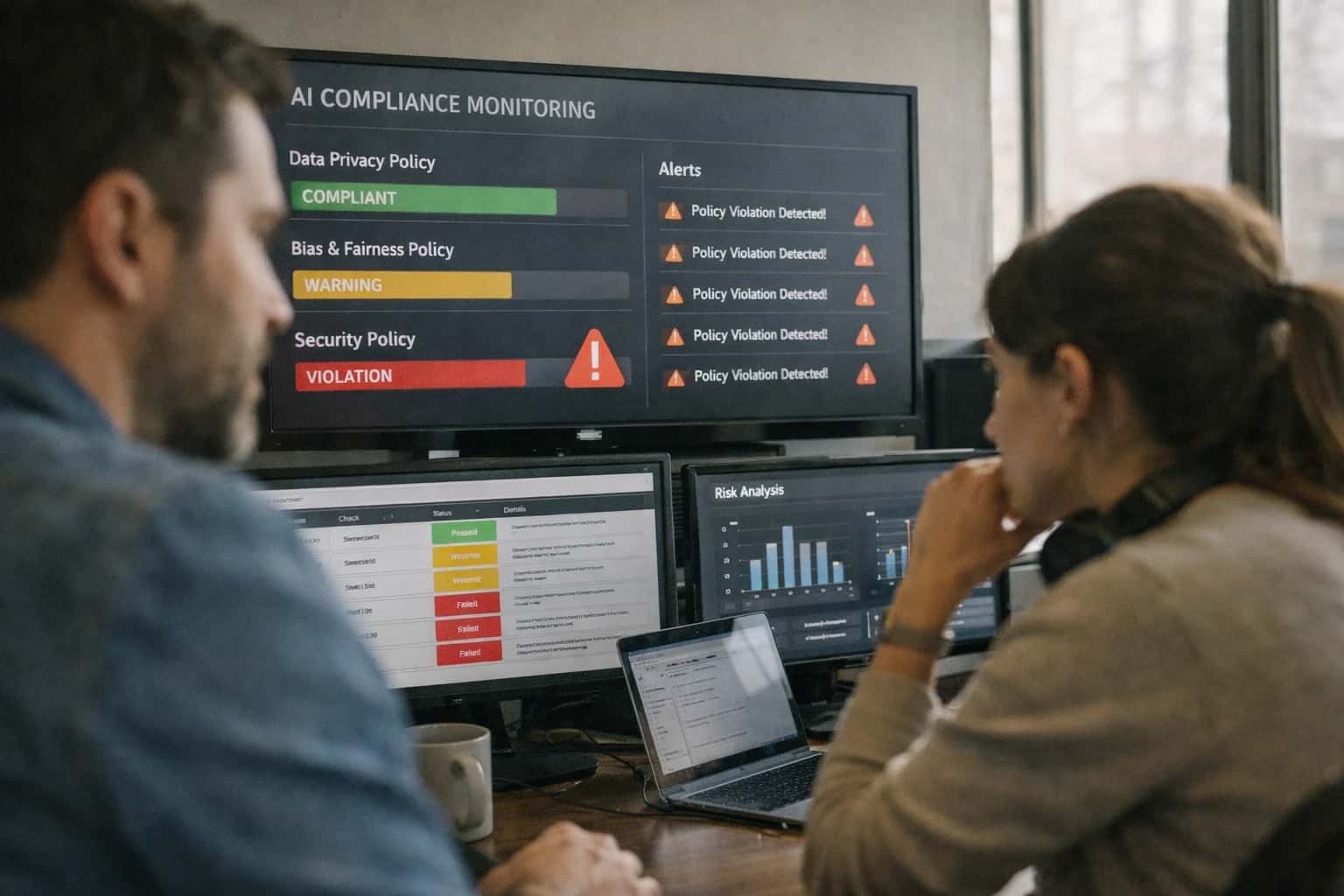
ARCHITECTURE AND IMPLEMENTATION
Where AI Fits into Coupa's Tax Workflows
A technical blueprint for automating sales and use tax determination, exemption certificate validation, and reporting within Coupa by integrating AI with tax engines like Avalara.
Implementation typically involves a middleware agent or a service extension to Coupa's Invoice Validation API or webhook framework. For each invoice line, the AI agent can:
- Parse unstructured item descriptions to suggest the correct tax code and jurisdiction.
- Validate supplier-provided
Tax Identification Numbersagainst official registries. - Review attached exemption certificates (PDFs, images) to confirm validity, expiration, and scope.
- Flag discrepancies between AI-calculated tax and any supplier-calculated amounts for manual review before the three-way match is finalized. This reduces the volume of invoices that get stuck in a 'tax review' queue, moving them from hours of manual research to automated validation in seconds.
Rollout should be phased, starting with a pilot commodity category or supplier region. Governance is critical: all AI-suggested tax codes and validations must be logged in a TaxAuditTrail object within Coupa, linking to the source document and the AI's confidence score. A human-in-the-loop approval step should remain for low-confidence determinations or high-value transactions. This architecture ensures compliance teams maintain oversight while AP teams benefit from dramatically reduced exception handling, leading to faster payment cycles and fewer audit adjustments due to tax errors.
AUTOMATING SALES & USE TAX COMPLIANCE
Key Integration Surfaces in Coupa for Tax AI
Invoice & PO Processing
Integrate AI at the point of invoice and purchase order creation to automate tax determination before transactions are finalized. This surface uses Coupa's Invoice Pay and Purchase Order APIs to intercept line items for real-time tax calculation.
Key Workflows:
- Line-item Classification: Extract product/service descriptions from invoice lines or PO requisitions and classify them against taxability matrices (e.g., NAPCS codes).
- Jurisdiction Determination: Analyze ship-to/ship-from addresses from the PO or invoice header to determine state, county, city, and special district tax jurisdictions.
- Tax Engine Call: Pass classified items and jurisdiction data to an integrated tax engine (Avalara, Vertex) via API to fetch accurate tax rates and rules.
- Data Enrichment: Write the calculated tax amount, tax code, and jurisdiction details back to the Coupa transaction record, populating custom fields for audit trails.
This pre-validation prevents downstream errors and reduces the manual review burden on AP teams, ensuring tax is calculated correctly at the source.
AUTOMATE COMPLIANCE WORKFLOWS
High-Value AI Use Cases for Coupa Tax
Integrate AI directly into Coupa's tax determination, validation, and reporting workflows to reduce manual effort, minimize audit risk, and accelerate payment cycles. These use cases connect Coupa's APIs with tax engines like Avalara and Vertex for a seamless, intelligent compliance layer.
01
Automated Tax Determination & Code Assignment
AI analyzes invoice line items, supplier data, and ship-to addresses in real-time to determine the correct sales and use tax jurisdiction and rate. It calls the integrated tax engine (e.g., Avalara) via API, validates the response, and automatically populates the Tax Code and Tax Amount fields on the Coupa invoice or purchase order, eliminating manual lookups.
Hours -> Minutes
Processing time
02
Exemption Certificate Validation & Management
An AI agent reviews uploaded exemption certificates (W-9, resale certificates) attached to supplier records in Coupa. It extracts key fields (tax ID, jurisdiction, expiration), validates them against external databases, flags expired or invalid certificates, and triggers automated workflows for procurement to request updated documentation, maintaining a clean audit trail.
Batch -> Real-time
Validation
03
AI-Powered Invoice Tax Line Review
For invoices where suppliers self-assess tax, an AI copilot reviews each tax line for accuracy before posting. It compares the supplier-calculated tax against the expected rate based on item, location, and supplier tax status. Discrepancies are flagged with an explanation and routed via Coupa's approval workflow for exception handling, preventing overpayment and audit exposure.
90%+
Auto-approval rate
04
Proactive Nexus & Registration Monitoring
AI monitors procurement and payment activity in Coupa to identify new tax nexus triggers (e.g., first purchase into a new state, hiring remote employees). It alerts the tax team with a summary of activity and recommended registration steps, integrating with third-party registration services. This turns reactive compliance into a proactive, data-driven process.
05
Intelligent Tax Accrual & Reporting Prep
At period close, AI aggregates Coupa transaction data (invoices, credits) and generates a preliminary tax accrual report. It highlights transactions requiring manual review (e.g., non-standard items, missing codes) and prepares formatted data files ready for import into tax filing software (e.g., Sovos), slashing the manual consolidation and reconciliation effort for the finance team.
Same day
Report generation
06
Supplier Tax Status Onboarding & Updates
During Coupa supplier onboarding or periodic reviews, an AI workflow guides suppliers through a dynamic tax questionnaire. Based on responses (entity type, locations), it determines required tax forms, pre-fills data, and initiates the appropriate W-9 or W-8 collection workflow within Coupa, ensuring compliance from the first transaction and keeping master data current.
COUPA TAX COMPLIANCE
Example AI-Powered Tax Workflows
These workflows illustrate how AI agents integrate with Coupa's APIs and webhooks to automate tax determination, validation, and reporting, connecting to external tax engines like Avalara for real-time calculations.
Trigger: A new invoice is submitted into Coupa Invoice Pay via API, OCR, or supplier portal.
Workflow:
- An AI agent intercepts the invoice payload via a Coupa webhook or listens on a designated queue.
- The agent extracts key fields:
ship-to address,ship-from address,line item descriptions,product/service codes, andsupplier tax ID. - It calls the integrated tax engine (e.g., Avalara
createTransactionAPI) with the parsed data to determine the correct jurisdictional tax codes and rates. - The agent validates the calculated tax against the supplier-submitted tax amount on the invoice.
- Action: If the amounts match within a configured tolerance, the agent automatically posts the validated tax line to the Coupa invoice via the
POST /invoices/{id}/linesAPI and moves the invoice to the next workflow step. If a discrepancy exceeds the threshold, the invoice is routed to a "Tax Review" queue with an explanation.
Human Review Point: Discrepant invoices are flagged for AP specialist review, with the AI agent providing a side-by-side comparison of submitted vs. calculated tax and the reasoning from the tax engine.
AUTOMATED TAX DETERMINATION & COMPLIANCE WORKFLOWS
Implementation Architecture: Data Flow & Guardrails
A production-ready architecture for integrating AI-driven tax compliance into Coupa's Procure-to-Pay cycle, connecting to external tax engines and internal audit systems.
The integration architecture connects three primary systems: Coupa's transactional APIs, a tax engine like Avalara or Vertex, and the AI orchestration layer. The data flow begins when a new invoice, purchase order, or expense report is created or updated in Coupa. A webhook triggers the AI service, which extracts key fields: ship-to/ship-from addresses, item/product codes, vendor tax IDs, and line-item descriptions. This payload is first validated against Coupa's master data for completeness before being sent to the tax engine API for a preliminary tax determination. The AI's role is to analyze unstructured data (like item descriptions on invoices) to improve the accuracy of the product tax code mapping, a common source of error in automated systems.
Critical guardrails are implemented at multiple stages. Before calling the external tax engine, an AI validation agent reviews extracted data for red flags: mismatched vendor addresses, missing exemption certificates on file in Coupa Supplier Portal, or line items that historically require manual review. The system implements a human-in-the-loop approval queue within Coupa's existing approval framework for any transaction where confidence scores fall below a threshold or where the AI suggests an override to the tax engine's initial determination. All actions—AI suggestions, overrides, final tax calculations—are logged to a dedicated Coupa_Tax_Audit_Log custom object via Coupa's API, creating an immutable record for compliance and financial reporting.
Rollout follows a phased approach, typically starting with a pilot for a specific entity or spend category. Governance is managed through a prompt management and evaluation layer, where tax rule logic and exemption handling instructions are version-controlled and tested against a curated set of historical transactions. The integration is designed to fail gracefully; if the AI service or tax engine is unavailable, transactions are routed to a designated "Tax Review" queue in Coupa with clear status flags, ensuring the P2P process is not blocked. This architecture ensures that AI augments the tax determination process while keeping Coupa as the system of record, maintaining existing controls, approval chains, and audit trails.
COUPA TAX COMPLIANCE
Code & Payload Examples
Automating Sales Tax Lookup
When a purchase order or invoice is created in Coupa, an AI agent can call an external tax engine like Avalara to determine the correct tax jurisdiction and rate. This example shows a Python function triggered by a Coupa webhook to perform the lookup, validate the result against internal rules, and update the Coupa transaction record via the REST API.
pythonimport requests from coupa_api import CoupaClient # Hypothetical SDK def determine_tax_for_invoice(invoice_id, line_items, ship_to_address): """Call Avalara API for tax calculation and update Coupa.""" # 1. Prepare payload for Avalara avalara_payload = { "companyCode": "YOUR_CO_CODE", "type": "SalesInvoice", "customerCode": invoice_id, "addresses": {"shipTo": ship_to_address}, "lines": [ { "number": item['line_num'], "itemCode": item['product_code'], "description": item['description'], "quantity": item['qty'], "amount": item['amount'], "taxCode": item.get('tax_code', "P0000000") } for item in line_items ] } # 2. Call Avalara Transactions API avalara_response = requests.post( 'https://rest.avalara.com/api/v2/transactions/create', json=avalara_payload, headers={'Authorization': 'Bearer YOUR_AVALARA_KEY'} ).json() # 3. Validate and extract total tax total_tax = avalara_response.get('totalTax', 0) tax_details = avalara_response.get('summary', []) # 4. Update Coupa Invoice via API coupa = CoupaClient(api_key='YOUR_COUPA_KEY') update_response = coupa.update_invoice( invoice_id, {"tax": total_tax, "tax_calculation_details": tax_details} ) return {"tax_amount": total_tax, "coupa_updated": update_response.ok}
AI-POWERED TAX COMPLIANCE IN COUPA
Realistic Time Savings & Operational Impact
This table illustrates the operational impact of integrating AI with Coupa for tax compliance, automating manual processes while keeping critical human oversight in the loop.
| Process | Before AI | After AI | Key Notes |
|---|---|---|---|
Tax Code Determination | Manual lookup in tax tables or Avalara portal | Automated classification via AI + Avalara API call | Reduces data entry errors; human review for high-value/atypical invoices |
Exemption Certificate Validation | AP clerk manually checks file repository | AI agent retrieves & validates certificate status | Ensures compliance before payment; flags expired/missing certs for follow-up |
Invoice Line-Item Review | Visual scan of each line for tax applicability | AI highlights lines requiring tax review or missing codes | Focuses human effort on exceptions; typical review time drops 70-80% |
Tax Reporting & Reconciliation | Monthly manual spreadsheet reconciliation | Automated discrepancy reports & journal entry drafts | Finance team reviews AI-generated reports, approves adjustments |
Nexus Determination for New Vendors | Manual research based on vendor address & services | AI analyzes vendor data against rules, suggests nexus status | Procurement or AP approves suggestion; creates audit trail |
Use Tax Accrual | End-of-month manual calculation from non-taxed invoices | Real-time accrual suggestions based on AI-matched rules | Improves accuracy of monthly provisions; integrates with ERP GL |
Audit Support & Documentation | Manual gathering of invoices, certs, and determinations for sample | AI auto-generates audit packet with all relevant documents & rationale | Cuts audit preparation from days to hours; ensures consistent documentation |
ARCHITECTING FOR COMPLIANCE AND CONTROL
Governance, Security, and Phased Rollout
A production-grade tax compliance integration requires a secure, auditable architecture and a controlled rollout to manage risk.
A secure integration connects AI services to Coupa's APIs and your tax engine (e.g., Avalara) via a dedicated middleware layer. This layer acts as a secure broker, handling authentication, logging all transactions, and enforcing role-based access controls (RBAC) aligned with Coupa user roles. Sensitive data like tax IDs and exemption certificates are never persisted in the AI service; they are passed ephemerally for processing, with results written back to the appropriate Coupa objects (Invoice, Supplier, TaxDetail) and audit logs. All AI-driven determinations should be flagged in the data model for traceability, and the system should support a human-in-the-loop review queue for exceptions or low-confidence classifications before posting.
Start with a pilot on a single, high-volume tax jurisdiction or a specific supplier category. Phase 1 typically automates sales tax determination on non-PO invoices, where the AI validates address data, determines nexus, and calls the tax engine via API, logging the reasoning. Phase 2 expands to use tax accrual workflows, scanning invoice line descriptions against procurement categories to identify missed taxes. The final phase tackles exemption certificate management, where the AI parses uploaded documents, extracts key fields (Certificate ID, Effective Date, Taxability), and validates them against the supplier record in Coupa, flagging expired or mismatched certificates for the procurement team.
Governance is critical. Establish a cross-functional team (Tax, IT, Procurement) to review the AI's determinations weekly, measuring accuracy against a human baseline. Use this feedback to refine prompts and classification logic. Implement circuit breakers to revert to manual processes if error rates spike. This phased, governed approach de-risks the implementation, builds organizational trust in the AI, and delivers incremental ROI—starting with reduced invoice holds and accelerating to automated compliance reporting.
Enabling Efficiency, Speed & Accuracy
Intelligent Analysis, Decision & Execution
We build AI systems for teams that need search across company data, workflow automation across tools, or AI features inside products and internal software.
Talk to Us
Search across company data
Give teams answers from docs, tickets, runbooks, and product data with sources and permissions.
Useful when people spend too long searching or get different answers from different systems.
Enterprise searchRAGPermissions
Read more
Automate internal workflows
Use AI to route work, draft outputs, trigger actions, and keep approvals and logs in place.
Useful when repetitive work moves across multiple tools and teams.
AI agentsWorkflow automationGovernance
Read more
Add AI to products and internal tools
Build assistants, guided actions, or decision support into the software your team or customers already use.
Useful when AI needs to be part of the product, not a separate tool.
AI integrationDecision supportModel routing
Read moreCOUPA TAX COMPLIANCE IMPLEMENTATION
Frequently Asked Questions
Practical questions for teams planning to integrate AI into Coupa for sales and use tax automation, covering architecture, data flows, and rollout.
The integration typically uses Coupa's Invoice API and webhook system to intercept transactions requiring tax calculation. Here's the standard flow:
- Trigger: A new invoice or purchase order is created or updated in Coupa.
- Context Pull: The AI agent extracts key fields via API:
ship-to/sold-to addresses,line item descriptions,product/service codes,vendor location, andGL account. - AI/Model Action: This structured data is sent to a tax determination service (like Avalara or a custom LLM-powered classifier). The AI resolves ambiguous item descriptions to standardized tax codes (e.g.,
"SaaS subscription"→"Digital Goods"). - System Update: The calculated tax jurisdiction, rate, and amount are posted back to the Coupa transaction via API, populating the tax lines.
- Human Review Point: Transactions where confidence scores are below a threshold (e.g., novel product types) are flagged in a Coupa approval queue for manual review by the tax team.
Key Integration Point: Coupa's POST /invoices/{id}/tax_lines endpoint is used to apply the calculated tax.

About the author
Prasad Kumkar
CEO & MD, Inference Systems
Prasad Kumkar is the CEO & MD of Inference Systems and writes about AI systems architecture, LLM infrastructure, model serving, evaluation, and production deployment. Over 5+ years, he has worked across computer vision models, L5 autonomous vehicle systems, and LLM research, with a focus on taking complex AI ideas into real-world engineering systems.
His work and writing cover AI systems, large language models, AI agents, multimodal systems, autonomous systems, inference optimization, RAG, evaluation, and production AI engineering.
LinkedIn
Limited slotsGet a Free AI Consultation
Partnered with leading AI, data, and software stack.





How We Work
Custom AI workflows for your Business
One-fit-all AI don't work for modern businesses. At Inferensys, we aim to understand your business & custom requirements; which we use to define most efficient agentic workflows, the data, and the tools for your business.
01
Review the use case
We understand the task, the users, and where AI can actually help.
Read more02
Pick the right approach
We define what needs search, automation, or product integration.
Read more03
Build the first useful version
We implement the part that proves the value first.
Read more04
Improve from there
We add the checks and visibility needed to keep it useful.
Read moreThe first call is a practical review of your use case and the right next step.
Talk to Us