For retailers with decades of investment in legacy AS/400, mainframe, or on-premise ERP systems, a full rip-and-replace is often a non-starter due to cost, risk, and operational complexity. AI integration offers a strategic alternative: deploy modern retail execution platforms like Repsly, Zipline, or YOOBIC for field teams while using AI agents as a real-time translation and synchronization layer with your legacy core. This approach modernizes the user experience and data collection at the edge while preserving—and intelligently leveraging—the business logic and transactional data locked in legacy systems.

Integration
AI Integration for Retail Legacy System Modernization
A strategic blueprint for IT leaders to use AI as a bridge between legacy retail systems and modern execution platforms, automating data translation, workflow synchronization, and enabling phased modernization without business disruption.
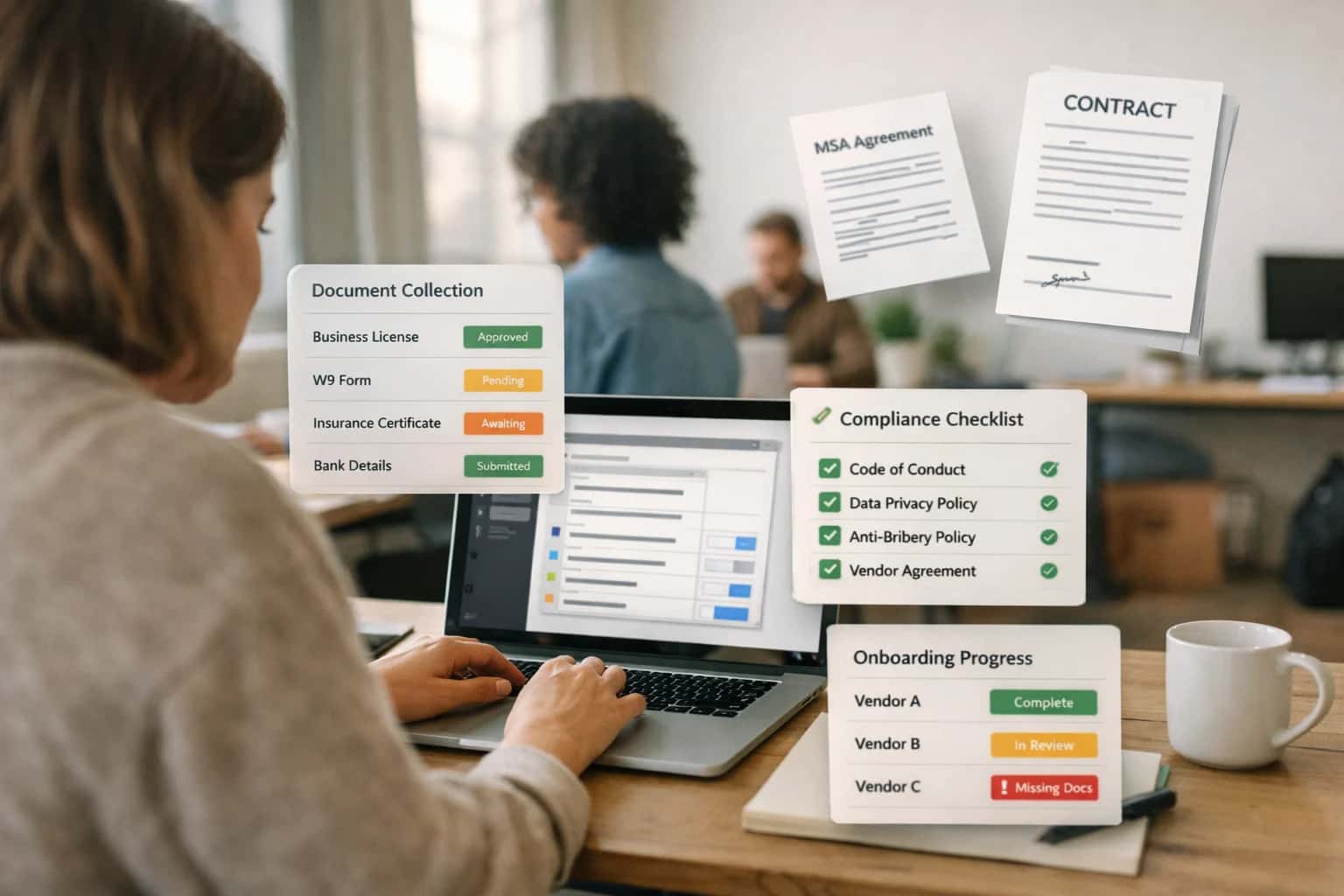
LEGACY SYSTEM MODERNIZATION
AI as a Strategic Bridge, Not a Rip-and-Replace
A pragmatic strategy for IT leaders to use AI as a connective layer between legacy retail systems and modern execution platforms, enabling phased modernization without business disruption.
The implementation centers on AI agents that act as bidirectional orchestrators. For example, an agent can:
- Ingest a store audit result from Repsly, use an LLM to extract structured compliance exceptions, and translate that into a legacy inventory adjustment transaction via a secure API or file drop.
- Monitor a legacy AS/400 queue for new purchase orders, use an LLM to generate a contextual task list for field reps in Zipline, and post the assignment via its REST API.
- Synchronize data by using AI to resolve schema mismatches (e.g., mapping a legacy "SKU location code" to a modern "planogram position ID") and handle data quality exceptions in real-time, logging all transformations for audit. This creates a phased path where field operations are modernized immediately, while back-office systems are migrated at their own pace, with AI ensuring continuity.
Governance is critical. Roll out this bridge architecture by:
- Starting with a read-only phase, where AI agents pull data from legacy systems to enrich the execution platform but make no writes back.
- Implementing a human-in-the-loop approval for any AI-generated transaction destined for the legacy system, using the execution platform's tasking module for manager sign-off.
- Building comprehensive audit trails within the AI layer itself, logging every data translation decision, API call, and error for compliance and debugging. This controlled, observable approach de-risks the integration, allowing you to incrementally automate more workflows as confidence grows, ultimately using AI not just as a bridge but as an intelligent modernization engine.
AI AS A BRIDGE FOR RETAIL MODERNIZATION
Where AI Connects: Legacy Systems vs. Modern Platforms
Automating Legacy-to-Modern Data Flow
AI acts as a real-time translation engine between legacy retail systems (e.g., on-premise POS, custom inventory databases, aging ERP modules) and modern execution platforms like Repsly or YOOBIC. This layer handles:
- Schema Mapping & Normalization: Automatically maps disparate legacy data fields (e.g.,
SKU_ID,STK_UNIT) to the standardized objects in the modern platform using LLMs to infer context. - Unstructured Data Processing: Uses NLP and OCR to extract actionable data from legacy formats—scanned audit sheets, handwritten notes, or flat-file reports—and structures it for ingestion into the new platform's audit or task modules.
- Continuous Synchronization: Maintains a two-way sync, ensuring updates in the modern platform (like a completed store visit in Zipline) are reflected back to the legacy system of record, preserving data integrity during the transition.
This eliminates the manual, error-prone ETL work that typically stalls modernization projects.
RETAIL EXECUTION PLATFORMS
High-Value AI Use Cases for Legacy Modernization
For IT leaders managing a transition from legacy retail systems to modern platforms like Repsly, Zipline, YOOBIC, or Movista. These AI integration patterns act as a strategic bridge, automating data translation and workflow synchronization to de-risk and accelerate modernization.
01
Legacy Audit Data Migration & Enrichment
Use LLMs to parse, categorize, and structure unstructured audit notes, PDF reports, and image metadata from legacy systems. AI maps this data to the modern platform's schema (e.g., Repsly audit forms), enriching records with tags and compliance flags before migration, turning historical data into a searchable asset.
Weeks -> Days
Migration timeline
02
Bi-Directional Workflow Synchronization
Deploy AI agents to monitor and translate workflows between systems during a phased cutover. For example, an AI orchestration layer can interpret a task created in Movista, check inventory status in the legacy ERP, and create a corresponding work order, maintaining operational continuity without manual dual entry.
Batch -> Real-time
Sync mode
03
Legacy API Translation & Modernization
Wrap legacy system APIs (SOAP, FTP, flat files) with an AI-powered translation service that converts requests and responses to/from modern RESTful standards used by platforms like Zipline. This reduces custom connector development and allows the new platform to interact with the old system as if it were a modern service.
1 sprint
Integration effort
04
Anomaly Detection in Cross-System Data Flows
During parallel runs, use AI to compare key metrics (e.g., audit scores, task completion rates) between the legacy and modern platforms. The system flags discrepancies for IT review, helping identify mapping errors or logic gaps early, ensuring data integrity before legacy decommissioning.
Proactive > Reactive
Issue resolution
05
Legacy Report-to-Dashboard Automation
Automate the transition from static legacy reports to interactive modern dashboards. AI extracts KPIs and trends from legacy report formats, structures the data, and populates live dashboards in connected BI tools (e.g., Power BI, Tableau) fed by the new execution platform, delivering value before full migration is complete.
Same day
Insight availability
06
User Adoption & Training Gap Analysis
Analyze user interaction logs from the legacy system to predict training needs for the modern platform. AI identifies role-specific workflow patterns and potential friction points, enabling targeted training modules and customized UI guidance in YOOBIC or Repsly to accelerate adoption and reduce support tickets.
Hours -> Minutes
Analysis time
MODERNIZATION BLUEPRINTS
Example AI-Bridged Workflows
These workflows illustrate how AI agents act as a real-time translation and orchestration layer between legacy retail systems and modern execution platforms, enabling incremental modernization without a risky 'big bang' replacement.
Trigger: Nightly batch job from a legacy AS/400 inventory system exports a flat file to an SFTP server.
AI Agent Action:
- An agent monitors the SFTP location, ingests the file, and uses an LLM with a defined schema to parse unstructured or inconsistently formatted item descriptions, quantities, and store codes.
- The agent cross-references items with the modern platform's product master (via API) to resolve SKU mismatches.
- It applies business rules (e.g., "flag items with stock < 3-day forecast") to identify priority restocking needs.
System Update: The agent uses the modern platform's API (e.g., Repsly Tasks API) to create prioritized tasks for field reps at the correct stores, attaching the parsed legacy data as context. The task includes the legacy SKU, matched modern SKU, and calculated urgency.
Human Review Point: The district manager reviews the AI-created task queue in the modern platform each morning, adjusting priority or reassigning as needed.
STRATEGY FOR IT LEADERS
Implementation Architecture: The AI Bridge Layer
A practical blueprint for using AI as a strategic integration layer between legacy retail systems and modern execution platforms.
The core architecture is an AI Bridge Layer—a middleware service that sits between your legacy ERP, inventory, or POS systems and modern platforms like Repsly, Zipline, or YOOBIC. This layer performs three critical functions: 1) Data Translation, using LLMs to map unstructured legacy data (flat files, mainframe outputs, custom DB schemas) to the structured objects (Audits, Tasks, Visits) expected by the new platform. 2) Workflow Synchronization, where AI agents monitor for events (e.g., a completed goods receipt in SAP) and trigger corresponding actions (e.g., creating a stock-check task in Movista) via platform webhooks. 3) Bidirectional State Management, ensuring data consistency across systems without requiring a risky, big-bang migration.
Implementation follows a phased, use-case-driven approach. Start by instrumenting the bridge to handle a single, high-value workflow, such as automating daily out-of-stock reconciliation. The AI service would: ingest nightly inventory extracts from the legacy WMS; use a fine-tuned model to flag discrepancies against planogram data; generate and assign exception tasks in the retail execution platform via its REST API; and finally, push resolution summaries back to the legacy system's reporting tables. This creates immediate ROI while de-risking the broader modernization. Subsequent phases add workflows for compliance audit ingestion, field-collected data enrichment, and predictive analytics, all orchestrated through a central event queue like Apache Kafka or AWS EventBridge.
Governance is built into the bridge. All AI-mediated transactions are logged with full audit trails, including the source data, the model's reasoning (via tracing tools like LangSmith), and the resulting API call. A human-in-the-loop approval step can be configured for high-risk actions, such as auto-creating vendor penalty workflows. This controlled, observable approach allows IT leaders to modernize operations incrementally—transforming legacy data into actionable field intelligence—without compromising system stability or compliance. For a deeper technical dive on connecting to specific platform APIs, see our guide on AI Integration for Retail Execution Platform APIs.
AI AS A BRIDGE FOR LEGACY MODERNIZATION
Code & Payload Examples
Translating Legacy Data for Modern APIs
Legacy systems often store data in proprietary or outdated formats (e.g., flat files, mainframe screens, old database schemas). AI can act as a translation layer, interpreting this data and mapping it to the structured objects required by modern retail execution platforms like Repsly or YOOBIC.
A common pattern involves using an LLM with a structured output schema to parse unstructured legacy notes or codes, then generating the JSON payload for the modern platform's REST API. This automates the data onboarding process during a phased cutover.
Example Pseudocode Flow:
- Extract raw text/data from legacy system export.
- Use a prompt-engineered LLM call to classify and structure the data.
- Map the LLM's output to the target platform's data model (e.g.,
Store,Audit,Task). - Post the clean payload via the modern platform's API.
python# Example: Translating a legacy audit record def translate_legacy_audit(raw_legacy_text, store_id): prompt = f""" Extract the following from this legacy retail audit text: - audit_date (YYYY-MM-DD) - overall_score (integer 0-100) - category (e.g., 'cleanliness', 'merchandising', 'safety') - summary (one-sentence description) - critical_issues (list of strings) Text: {raw_legacy_text} """ # Call LLM with structured output (e.g., using OpenAI's JSON mode) llm_response = client.chat.completions.create( model="gpt-4o-mini", messages=[{"role": "user", "content": prompt}], response_format={ "type": "json_object" } ) audit_data = json.loads(llm_response.choices[0].message.content) # Build payload for modern platform (e.g., Repsly) payload = { "storeId": store_id, "auditDate": audit_data['audit_date'], "score": audit_data['overall_score'], "category": audit_data['category'], "notes": audit_data['summary'], "flags": audit_data['critical_issues'] } return payload
AI AS A BRIDGE DURING MODERNIZATION
Realistic Impact: Time Saved & Risk Reduced
This table illustrates the operational impact of using AI to synchronize data and automate workflows between legacy retail systems (e.g., on-premise ERP, custom databases) and modern execution platforms like Repsly, Zipline, or YOOBIC during a phased modernization.
| Workflow | Before AI (Legacy Gap) | After AI (Bridge) | Implementation Notes |
|---|---|---|---|
Data Synchronization | Manual CSV exports/imports; weekly batch | Automated daily sync with validation | AI maps and translates data schemas, flags mismatches for review |
Audit Result Processing | Manual review of PDF/paper reports; 2-3 day lag | Automated ingestion & scoring; results in platform same-day | OCR + LLMs extract data from legacy formats; exceptions routed to managers |
Task Assignment | Phone/email from HQ; inconsistent tracking | AI-generated tasks in modern platform based on legacy alerts | AI interprets legacy system alerts, creates prioritized tasks with context in YOOBIC/Zipline |
Compliance Reporting | Monthly spreadsheet consolidation; high error risk | Automated weekly reports with anomaly detection | AI aggregates data across old & new systems, highlights trends and non-compliance |
Vendor Communication | Manual lookup and email for PO/discrepancy issues | Assisted draft generation with system context | AI suggests comms based on synchronized inventory/audit data; human approves |
Migration Validation | Sample-based manual testing; misses edge cases | Continuous data integrity monitoring post-cutover | AI compares outputs between legacy and new platform, flags discrepancies for the migration team |
User Support Triage | Help desk tickets for 'where's my data?' | AI chatbot answers FAQs using synchronized knowledge | RAG system built on combined legacy manuals and new platform guides reduces ticket volume |
STRATEGY FOR LEGACY MODERNIZATION
Governance, Security & Phased Rollout
A practical approach to using AI as a secure bridge between legacy retail systems and modern execution platforms.
A successful AI integration for legacy modernization is built on a three-layer architecture: a secure ingestion layer for legacy data (AS/400, on-prem SQL, flat files), an AI processing layer for translation and enrichment, and a bi-directional sync layer to modern platforms like Repsly or YOOBIC. Governance starts by mapping critical legacy objects—inventory master files, vendor terms, audit history—to their modern equivalents. AI agents handle the complex translation of unstructured notes or archaic codes into the structured formats required by the new platform's APIs, with every transformation logged to an immutable audit trail for reconciliation.
Rollout follows a phased, store-first approach. Phase 1 focuses on non-transactional, read-heavy data flows, such as using AI to analyze historical compliance reports from a legacy system and populate a modern platform's audit history module. This de-risks the integration. Phase 2 introduces bi-directional sync for operational data, like using AI to interpret a new store task in Zipline and write a corresponding work order back to a legacy maintenance system. Each phase includes a human-in-the-loop review stage where managers validate AI outputs before full automation, ensuring accuracy and building organizational trust.
Security is paramount when bridging systems. Implement role-based access controls (RBAC) at the integration layer to enforce which legacy data fields each AI agent can access. Use tokenization or masking for sensitive data like employee IDs or financial terms during processing. A phased rollout allows for incremental load testing and performance monitoring, ensuring the AI translation layer doesn't become a bottleneck for field teams expecting real-time data in their new execution platform. This controlled, governance-first approach turns a risky "big bang" migration into a managed, value-driven transition.
Enabling Efficiency, Speed & Accuracy
Intelligent Analysis, Decision & Execution
We build AI systems for teams that need search across company data, workflow automation across tools, or AI features inside products and internal software.
Talk to Us
Search across company data
Give teams answers from docs, tickets, runbooks, and product data with sources and permissions.
Useful when people spend too long searching or get different answers from different systems.
Enterprise searchRAGPermissions
Read more
Automate internal workflows
Use AI to route work, draft outputs, trigger actions, and keep approvals and logs in place.
Useful when repetitive work moves across multiple tools and teams.
AI agentsWorkflow automationGovernance
Read more
Add AI to products and internal tools
Build assistants, guided actions, or decision support into the software your team or customers already use.
Useful when AI needs to be part of the product, not a separate tool.
AI integrationDecision supportModel routing
Read moreAI AS A BRIDGE FOR LEGACY MODERNIZATION
FAQ for IT Leaders & Architects
Practical questions and architectural considerations for using AI to connect legacy retail systems (e.g., AS/400, on-prem ERP, custom databases) with modern execution platforms like Repsly, Zipline, and YOOBIC during a phased modernization.
A phased, read-first approach minimizes risk:
- Phase 1: Data Extraction & Translation Layer. Deploy AI agents to read from legacy APIs, flat files, or direct database connections. Their first job is to translate legacy data schemas and business logic into a modern, normalized format. This runs in parallel, creating a shadow data layer without touching production workflows.
- Phase 2: One-Way Synchronization. Configure the AI layer to push translated data (e.g., store master lists, audit schedules, product catalogs) into the new execution platform. This populates the new system with clean, current data. Legacy remains the system of record.
- Phase 3: Bi-Directional Workflow Sync. For high-value processes, implement two-way sync. Example: An audit completed in YOOBIC triggers an AI agent to format the result and update a corresponding status field in the legacy system via a secure API or file drop, keeping both systems in sync.
- Phase 4: Legacy Decommissioning. Once confidence is high, flip system-of-record ownership process-by-process. The AI translation layer remains as an insurance policy and historical data bridge.
Key Tool: Use a message queue (e.g., RabbitMQ, AWS SQS) between systems to handle failures gracefully and avoid data loss.

About the author
Prasad Kumkar
CEO & MD, Inference Systems
Prasad Kumkar is the CEO & MD of Inference Systems and writes about AI systems architecture, LLM infrastructure, model serving, evaluation, and production deployment. Over 5+ years, he has worked across computer vision models, L5 autonomous vehicle systems, and LLM research, with a focus on taking complex AI ideas into real-world engineering systems.
His work and writing cover AI systems, large language models, AI agents, multimodal systems, autonomous systems, inference optimization, RAG, evaluation, and production AI engineering.
LinkedIn
Limited slotsGet a Free AI Consultation
Partnered with leading AI, data, and software stack.





How We Work
Custom AI workflows for your Business
One-fit-all AI don't work for modern businesses. At Inferensys, we aim to understand your business & custom requirements; which we use to define most efficient agentic workflows, the data, and the tools for your business.
01
Review the use case
We understand the task, the users, and where AI can actually help.
Read more02
Pick the right approach
We define what needs search, automation, or product integration.
Read more03
Build the first useful version
We implement the part that proves the value first.
Read more04
Improve from there
We add the checks and visibility needed to keep it useful.
Read moreThe first call is a practical review of your use case and the right next step.
Talk to Us