AI integration for Yardi Affordable Housing targets specific operational surfaces where manual review and data entry create bottlenecks and compliance risk. The primary integration points are the Income Recertification and Waitlist Management modules. AI agents can be connected via Yardi's API suite to ingest documents (pay stubs, tax returns, benefit letters), extract and validate income data, flag discrepancies against HUD guidelines, and pre-populate recertification forms in Yardi Voyager. For waitlists, AI can automate the initial screening of applications against complex eligibility criteria (AMI brackets, household size, veteran status), triage inquiries, and update applicant status, ensuring consistent application of rules and reducing administrative backlog.

Integration
AI Integration with Yardi Affordable Housing
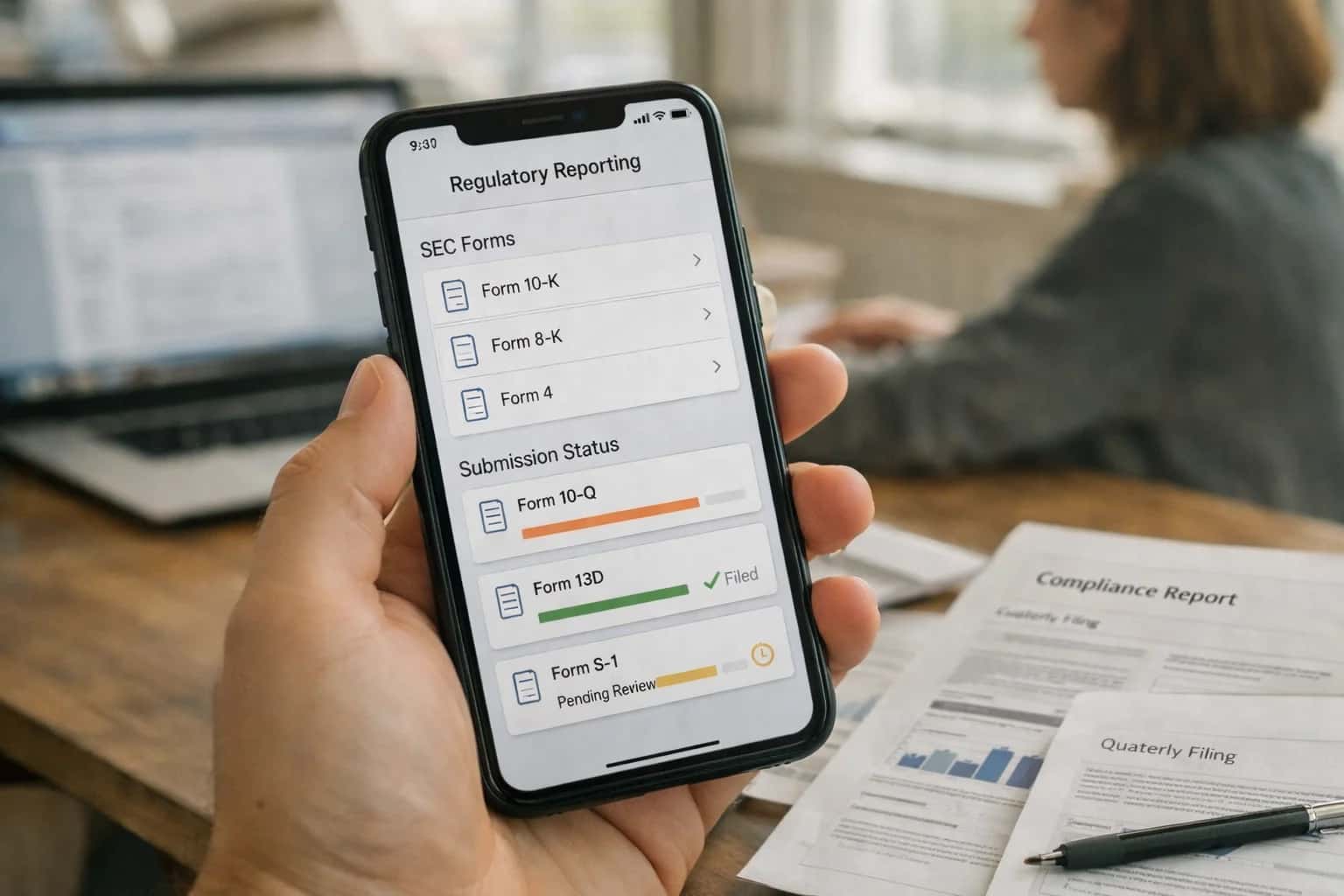
Where AI Fits into Yardi Affordable Housing Operations
A practical blueprint for integrating AI into Yardi's affordable housing modules to automate compliance-heavy workflows.
Implementation typically involves a middleware layer that securely polls Yardi for pending tasks, processes documents using vision and language models, and posts structured updates back via API. Key workflows include:
- Automated Document Intake & Verification: Classifying uploaded files, extracting numerical data, and cross-referencing with prior submissions.
- Eligibility Scoring & Triage: Applying regulatory rules to applicant data to generate a preliminary eligibility score and routing exceptions for human review.
- Audit Trail Generation: Logging all AI-assisted decisions, data points considered, and model confidence scores directly into Yardi's record history for compliance audits.
This shifts staff focus from data entry to exception handling and resident support, turning recertification from a quarterly scramble into a continuous, managed process.
Rollout requires a phased, property-by-property approach, starting with a pilot for a single asset or portfolio. Governance is critical: AI outputs should never auto-approve final certifications but should serve as a copilot, providing recommendations that a qualified manager reviews and approves within Yardi. This human-in-the-loop design, coupled with regular model audits against updated HUD notices, maintains regulatory compliance while delivering operational efficiency. For a deeper technical look at connecting to Yardi's APIs, see our guide on Property Management Platform APIs.
Key Yardi Modules and Surfaces for AI Integration
Applicant Screening & Waitlist Management
AI can integrate with Yardi's applicant and resident records to automate the initial review of affordable housing applications. This involves analyzing uploaded documents (pay stubs, tax returns, IDs) to verify income eligibility and household composition against complex program rules.
Key Integration Points:
- Applicant Records API: Ingest application data for pre-screening.
- Document Management: Connect AI to the document storage linked to applicant files for verification.
- Waitlist Module: Update applicant statuses and generate personalized communication based on AI-driven prioritization or eligibility scoring.
Example Workflow: An AI agent reviews a new application, extracts data from PDFs, flags discrepancies for human review, and, if compliant, automatically updates the waitlist position and sends a confirmation notice—reducing manual data entry from hours to minutes.
High-Value AI Use Cases for Affordable Housing
AI integrations for Yardi Affordable Housing target the compliance-heavy workflows unique to LIHTC, Section 8, and other regulated programs. These use cases focus on reducing manual review, accelerating resident processing, and ensuring audit-ready accuracy.
Automated Income Recertification
AI agents ingest pay stubs, tax returns, and bank statements uploaded to the Yardi portal. They extract income data, calculate household totals, flag discrepancies, and pre-populate the Yardi Affordable Housing Recertification module. This reduces manual data entry and review time for property staff.
Waitlist Management & Prioritization
An AI layer analyzes waitlist applicant data against complex, multi-layered eligibility criteria (income bands, household size, local preferences). It scores and ranks applicants, automatically updating Yardi Voyager waitlist records and triggering notifications for leasing staff when top-tier candidates are identified.
Regulatory Report Generation & Audit Support
AI monitors transaction data, resident files, and compliance flags within Yardi. It automates the compilation and initial drafting of required reports (e.g., HUD 50059, MOR prep, LIHTC annual certifications). The system highlights potential inconsistencies for human review before final submission.
Resident Compliance Communication Agent
A 24/7 AI chatbot, integrated with the Yardi Resident Portal, handles common compliance inquiries: document submission deadlines, recertification steps, income change reporting, and program rule explanations. It creates support tickets in Yardi for complex issues requiring staff intervention.
Utility Allowance Calculation & Reconciliation
AI analyzes local utility rate data, resident consumption patterns, and unit characteristics. It assists in calculating annual utility allowances per HUD guidelines and reconciles actual bills against allowances within the Yardi Affordable Housing billing workflows, identifying outliers for review.
Move-Out & Unit Turnover Compliance Check
When a unit turns over, AI reviews the departing tenant's file in Yardi for potential compliance issues (e.g., unreported income, over-income tenancy). It generates a pre-inspection checklist for the new tenant's income eligibility verification, ensuring the next move-in starts on a compliant footing.
Example AI-Augmented Workflows in Yardi
For affordable housing portfolios managed in Yardi, AI integrations target the compliance-heavy, manual workflows that drive operational cost and audit risk. Below are concrete examples of how AI agents and automation can connect to Yardi's data model and APIs to streamline income recertification, waitlist management, and regulatory reporting.
Trigger: A resident uploads a new income recertification packet (pay stubs, tax returns, benefit letters) via the Yardi Resident Portal.
AI Action:
- An AI document processing agent, triggered via a Yardi webhook, extracts key data points:
- Gross monthly income from pay stubs
- Annual income from W-2s or 1099s
- Benefit amounts from award letters
- Dependent counts and ages
- The agent cross-references extracted data against HUD or state-specific income limits and utility allowance schedules.
- It calculates the preliminary adjusted annual income and new rental obligation.
System Update: The agent pushes a structured JSON payload back to the Yardi Affordable Housing module via API, populating the recertification worksheet with the calculated figures and flagging any discrepancies or missing documents for case manager review.
Human Review Point: The property manager reviews the AI-populated worksheet and the agent's confidence scores for each extracted field before final approval and rent adjustment in Yardi.
Implementation Architecture: Data Flow and Security
A secure, governed data flow is non-negotiable for AI in affordable housing, where tenant data is highly sensitive and regulatory scrutiny is constant.
Our standard integration architecture establishes a secure middleware layer between your Yardi Voyager or Yardi Affordable Housing database and the AI services. This layer handles three critical data flows:
- Ingestion for Context: Securely queries Yardi's resident, unit, and waitlist tables via its SOAP or REST APIs to retrieve the structured data needed for AI context (e.g., household composition for recertification).
- Action Execution: Uses Yardi's API to perform controlled writes, such as creating a follow-up task for a manager after an AI review or updating a compliance checklist status.
- Audit Logging: Every AI interaction—query, generated content, suggested action—is logged with a tenant ID, user ID, and timestamp in a separate audit database, creating a immutable trail for compliance reviews.
Security is enforced at multiple levels. All data in transit is encrypted. The middleware layer acts as a policy enforcement point, applying role-based access control (RBAC) before any data is sent to the AI model. For instance, an AI agent assisting with income recertification will only receive the specific applicant data fields it's authorized to see for that property, never the full tenant ledger. Sensitive Personally Identifiable Information (PII) can be masked or tokenized before processing. The system is designed to operate within your existing Yardi security model, not circumvent it.
Rollout follows a phased, property-by-property approach. We start with a pilot on a single affordable property, focusing on a discrete workflow like automated waitlist status updates. This allows for validation of data accuracy, user acceptance, and audit trail completeness. Governance is maintained through a weekly review of the AI's audit logs and suggested actions by the property's compliance officer. Only after the pilot meets accuracy and compliance thresholds is the integration expanded to additional workflows, such as drafting recertification letters or flagging potential regulatory discrepancies in reports. This controlled deployment minimizes risk while delivering incremental value.
Code and Payload Examples
Automating Document Review and Data Entry
This workflow uses AI to process tenant-submitted income documents (pay stubs, tax returns) for annual recertification. The AI extracts key figures, calculates household income, and pushes verified data into Yardi, flagging discrepancies for human review.
Example Payload for Yardi API Update:
json{ "CertificationID": "REC-2024-78910", "HouseholdID": "HH-555-01", "UnitID": "BLDG-A-203", "EffectiveDate": "2024-07-01", "TotalAnnualIncome": 45280.00, "IncomeSources": [ { "Type": "Wages", "Amount": 38000.00 }, { "Type": "ChildSupport", "Amount": 7280.00 } ], "AdjustedIncome": 41000.00, "CalculatedRent": 1025.00, "VerificationStatus": "AI_Verified", "ReviewFlag": null, "Documents": [ "s3://bucket/recert/W2_2023_HH55501.pdf", "s3://bucket/recert/paystub_04_2024_HH55501.pdf" ] }
The system calls Yardi's UpdateHouseholdIncome endpoint with this payload, updating the tenant record and triggering any rent adjustment workflows.
Realistic Operational Impact and Time Savings
How AI integration with Yardi streamlines compliance-heavy workflows, reduces manual review, and accelerates critical processes for affordable housing teams.
| Workflow | Before AI | After AI | Implementation Notes |
|---|---|---|---|
Income Recertification Packet Review | Manual review of 30-50 pages per household | AI-assisted extraction & discrepancy flagging | AI pre-fills forms; caseworker reviews exceptions |
Waitlist Applicant Pre-Screening | Manual checklist review for 100+ criteria | Automated eligibility scoring & document gap detection | AI provides ranked list; leasing agent makes final determination |
Regulatory Report Compilation (HUD, LIHTC) | Days of manual data aggregation and validation | Automated data pulls with AI-generated narrative summaries | Reports generated in hours; human reviews for submission |
Tenant Communication on Compliance Deadlines | Manual email/SMS blasts or printed notices | Personalized, automated reminders via preferred channel | Integrated with Yardi's communication suite; opt-out managed |
Annual Unit Inspection Scheduling & Follow-up | Spreadsheet coordination and manual phone calls | AI-optimized scheduling with automated tenant confirmations | Syncs with Yardi Maintenance; reduces no-shows by 20-30% |
Utility Allowance Calculation Updates | Manual rate research and spreadsheet updates | AI monitors utility rate databases & suggests adjustments | Proposals auto-created in Yardi; manager approves batch update |
Document Search for Audit Preparation | Hours searching file shares and Yardi documents | Semantic search across all connected repositories | Finds relevant leases, certifications, and correspondence in seconds |
Governance, Audit, and Phased Rollout
A practical framework for deploying AI in Yardi Affordable Housing with compliance, auditability, and minimal tenant risk.
In affordable housing, AI integrations must operate within a strict governance layer that respects tenant privacy, program eligibility rules, and audit requirements. This means architecting AI agents and workflows as adjuncts to Yardi's core compliance engine, not replacements. Key implementation surfaces include:
- Income Recertification Workflow: An AI agent can pre-fill forms by extracting data from uploaded pay stubs or bank statements, but all calculations and final submissions must route through Yardi's certified recertification module and require case manager approval.
- Waitlist Management & Communication: AI can analyze applicant profiles against current vacancy attributes to suggest prioritization or automate status updates, but any changes to applicant scoring or waitlist position must be logged in Yardi's audit trail and trigger a human review step.
- Regulatory Reporting Preparation: AI can consolidate data from Yardi's
Household,Subsidy, andUnittables to draft HUD 50059 or MOR reports, but the output should be a draft in a controlled sandbox for a compliance officer to verify and submit through the official Yardi reporting pipeline.
A production rollout follows a phased, tenant-centric approach:
- Phase 1: Internal Efficiency (Staff-Facing): Deploy AI tools that assist case managers and property staff without direct tenant interaction. Examples include AI-powered document summarization for lengthy tenant files or automated anomaly detection in utility allowance calculations. This phase builds internal trust and refines the integration's data handling.
- Phase 2: Assisted Tenant Interaction (Supervised): Introduce AI-driven tenant communications, such as automated reminders for upcoming recertification deadlines or clarification questions about submitted documents. All interactions are logged in Yardi's communication history, and escalations to a human agent are seamless.
- Phase 3: Conditional Automation (Guardrails): Activate more autonomous workflows, like an AI bot that can answer common questions about program rules 24/7. This requires robust prompt grounding in official policy documents and a built-in "I don't know" fallback that creates a support ticket in Yardi's case management system. Each phase includes parallel testing in a sandbox Yardi environment, comparing AI-assisted outcomes against manual processes to measure accuracy and identify edge cases.
Auditability is non-negotiable. Every AI-generated recommendation, drafted communication, or data extraction must be stored as a discrete activity log linked to the relevant Yardi record (e.g., HouseholdID, WorkOrderID). This creates a clear lineage for compliance officers and auditors. Furthermore, AI models used for predictive tasks—like identifying households at risk of falling out of compliance—must be regularly evaluated for bias or drift to prevent discriminatory outcomes. The integration architecture should support A/B testing and human-in-the-loop review cycles before any AI-suggested action modifies a core tenant record. This controlled, phased approach ensures AI augments Yardi's robust affordable housing operations without introducing regulatory or reputational risk.
Enabling Efficiency, Speed & Accuracy
Intelligent Analysis, Decision & Execution
We build AI systems for teams that need search across company data, workflow automation across tools, or AI features inside products and internal software.
Talk to Us
Search across company data
Give teams answers from docs, tickets, runbooks, and product data with sources and permissions.
Useful when people spend too long searching or get different answers from different systems.

Automate internal workflows
Use AI to route work, draft outputs, trigger actions, and keep approvals and logs in place.
Useful when repetitive work moves across multiple tools and teams.

Add AI to products and internal tools
Build assistants, guided actions, or decision support into the software your team or customers already use.
Useful when AI needs to be part of the product, not a separate tool.
Frequently Asked Questions
Practical questions about implementing AI for income recertification, waitlist management, and compliance workflows within Yardi's affordable housing modules.
This workflow automates the initial review of recertification packets, reducing manual data entry and flagging inconsistencies for caseworker review.
- Trigger: A new document packet is uploaded to the resident's file in Yardi (e.g., via the resident portal or scanned by staff).
- Context Pulled: The AI system retrieves the resident's household composition and prior year income data via the Yardi API to establish a baseline.
- Agent Action: A document intelligence agent extracts data from pay stubs, tax returns, and benefit letters. It calculates total household income, compares it to AMI limits, and flags any discrepancies or missing documents.
- System Update: A summary report and a pre-populated recertification form are pushed back into Yardi as a note on the resident's file. If discrepancies exceed a configured threshold, a task is automatically created for a caseworker.
- Human Review Point: The caseworker reviews the AI-generated summary and flagged items, makes final determinations, and approves the recertification in Yardi, maintaining the required human-in-the-loop for compliance.

About the author
Prasad Kumkar
CEO & MD, Inference Systems
Prasad Kumkar is the CEO & MD of Inference Systems and writes about AI systems architecture, LLM infrastructure, model serving, evaluation, and production deployment. Over 5+ years, he has worked across computer vision models, L5 autonomous vehicle systems, and LLM research, with a focus on taking complex AI ideas into real-world engineering systems.
His work and writing cover AI systems, large language models, AI agents, multimodal systems, autonomous systems, inference optimization, RAG, evaluation, and production AI engineering.
Partnered with leading AI, data, and software stack.





How We Work
Custom AI workflows for your Business
One-fit-all AI don't work for modern businesses. At Inferensys, we aim to understand your business & custom requirements; which we use to define most efficient agentic workflows, the data, and the tools for your business.
01
Review the use case
We understand the task, the users, and where AI can actually help.
Read more02
Pick the right approach
We define what needs search, automation, or product integration.
Read more03
Build the first useful version
We implement the part that proves the value first.
Read more04
Improve from there
We add the checks and visibility needed to keep it useful.
Read moreThe first call is a practical review of your use case and the right next step.
Talk to Us