AI integration for Intune focuses on the Microsoft Graph API endpoints for device management, compliance policies, and conditional access. The core architectural pattern involves an AI orchestration layer that consumes signals from Intune's deviceManagement/managedDevices, deviceManagement/deviceCompliancePolicies, and identity/conditionalAccess/policies resources. This layer evaluates real-time context—such as device health scores, network location, installed applications, and user risk—to make automated decisions. Instead of static policy assignments, AI can dynamically adjust Intune compliance policy settings or trigger conditional access policy updates via Graph API calls, moving enforcement from scheduled checks to continuous, context-aware governance.

Integration
AI Integration with Intune for Automated Policy Enforcement
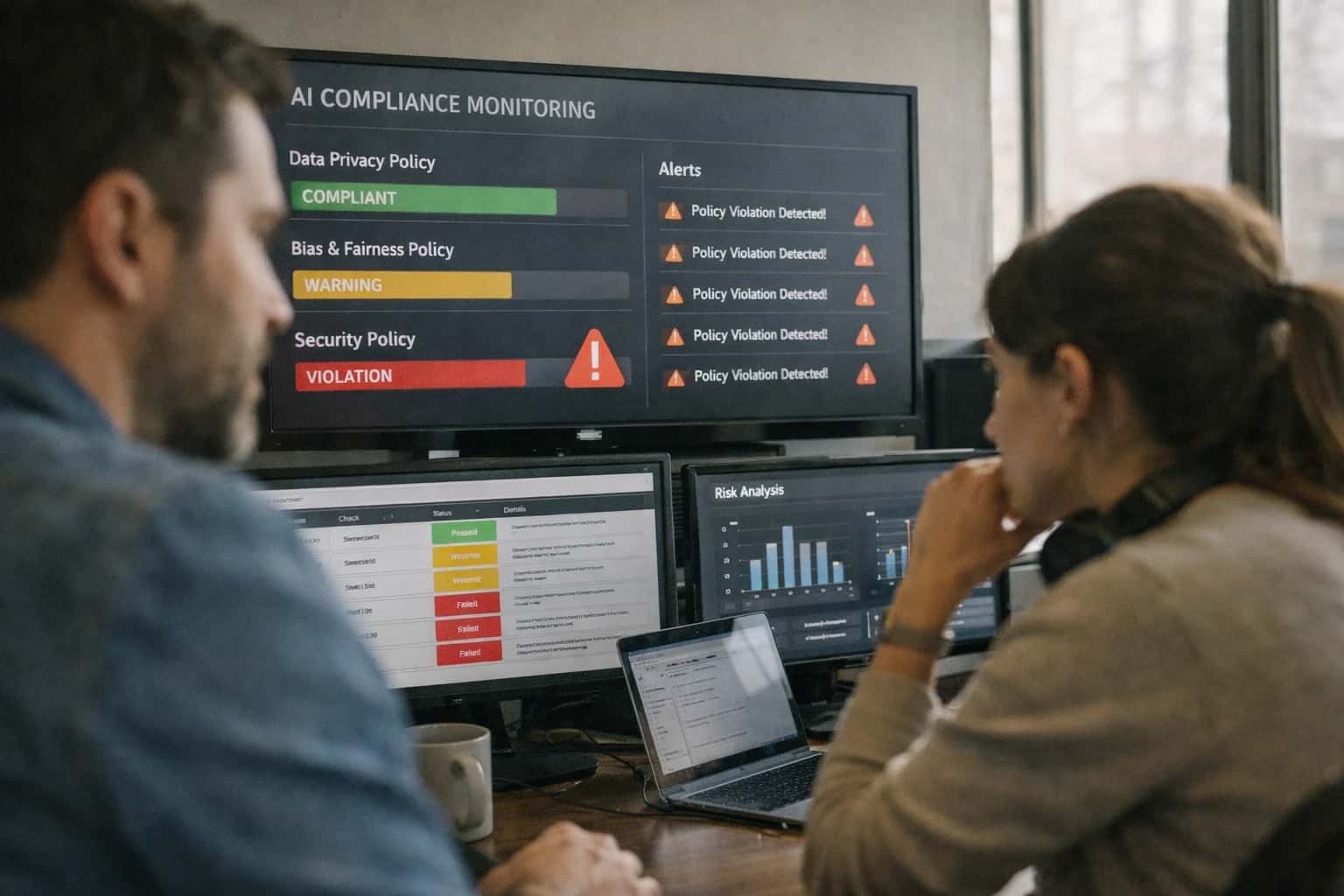
Where AI Fits into Intune Policy Enforcement
AI agents connect to Microsoft Graph for Intune to automate policy decisions based on real-time device and user context.
High-value automation targets include:
- Automated Remediation Triggers: When AI detects a device falling out of compliance (e.g., disk encryption disabled, OS version outdated), it can call the
deviceManagement/managedDevices/{id}/initiateOnDemandProactiveRemediationendpoint to execute a pre-approved PowerShell remediation script, closing gaps without admin tickets. - Dynamic Group Membership: AI analyzes device telemetry and user behavior to automatically add or remove devices from Azure AD security groups that Intune policies target, enabling granular, risk-based access. For example, a device connecting from an anomalous location could be moved to a group with stricter app protection policies.
- Predictive Policy Exceptions: By modeling historical compliance data, AI can predict which policy settings (like mandatory password length) cause disproportionate help desk volume for certain user cohorts, recommending temporary, audited exceptions to maintain productivity while managing risk.
Rollout requires a phased approach, starting with read-only monitoring and alerting before progressing to automated, but gated, actions. Governance is critical: all AI-driven Graph API calls should be made under a dedicated service principal with least-privilege permissions, logged to Azure Monitor, and optionally require human approval for high-impact actions like device quarantine. This ensures the integration augments Intune's native capabilities without introducing unmanaged risk. For teams managing this complexity, our service at Inference Systems provides the architectural blueprint and implementation guardrails. Explore our related guide on conditional access automation for deeper technical patterns.
Intune API Surfaces for AI Integration
Core Surface: Device Compliance API
The deviceManagement/deviceCompliancePolicies and deviceManagement/managedDevices Graph API endpoints are the primary surfaces for AI-driven policy enforcement. An AI agent can consume real-time compliance states (encryption, OS version, threat agent status) to trigger automated remediations.
Key Workflow:
- AI model analyzes aggregated compliance signals to identify patterns of non-compliance (e.g., devices from a specific location consistently failing disk encryption).
- Agent calls the
deviceManagement/managedDevices/{id}/initiateOnDemandProactiveRemediationendpoint to execute a predefined PowerShell script that remediates the issue. - The agent can also dynamically adjust the compliance policy thresholds themselves via the
deviceManagement/deviceCompliancePoliciesAPI if a widespread, legitimate configuration change is detected.
Example Payload for Remediation Trigger:
jsonPOST https://graph.microsoft.com/v1.0/deviceManagement/managedDevices/{deviceId}/initiateOnDemandProactiveRemediation { "scriptPolicyId": "{remediationScriptGuid}" }
This enables a self-healing endpoint model where AI predicts and fixes issues before they trigger conditional access blocks.
High-Value AI Automation Use Cases for Intune
Integrate AI agents with Microsoft Graph for Intune to automate policy enforcement, compliance remediation, and device lifecycle workflows. These patterns reduce manual overhead, accelerate incident response, and enforce security posture dynamically.
Dynamic Conditional Access Based on Real-Time Risk
AI agents evaluate real-time signals—device health score, network location, user behavior anomalies—to dynamically adjust Intune conditional access policies. Instead of static rules, access to corporate resources is granted, stepped up (MFA), or blocked based on a live risk assessment, balancing security and user productivity.
Automated Compliance Remediation Workflows
When Intune reports a device as non-compliant (e.g., outdated OS, missing encryption), an AI agent analyzes the root cause and triggers a targeted remediation. This can include pushing a required app, executing a PowerShell remediation script, or reassigning a configuration profile, all without admin ticket creation.
Predictive Device Health Scoring & Proactive Support
AI models consume Intune device diagnostic data (battery reports, storage, crash logs) to predict hardware failures or performance degradation. The system auto-generates a support ticket in your ITSM with context and can trigger preemptive actions like warning the user or scheduling a replacement.
Intelligent App Assignment & License Reclamation
Instead of static group-based app assignments, AI analyzes user role, department, location, and actual application usage from Intune inventory to dynamically assign or remove apps in Company Portal. Identifies unused software licenses for reclamation, optimizing spend.
Automated Incident Response for Lost/Stolen Devices
Integrate AI with security alerts (e.g., from Microsoft Defender) and HR offboarding events. Upon a confirmed incident, the agent orchestrates a sequenced response via Intune: remote lock, selective wipe of corporate data, revocation of certificates, and update of asset records, all with an audit trail.
AI-Generated Compliance Audit Trails
For regulated industries, AI agents synthesize raw Intune logs—policy changes, device compliance states, admin actions—into narrative, evidence-ready audit reports. Automates preparation for HIPAA, GDPR, or SOC 2 audits by mapping Intune controls to framework requirements and highlighting gaps.
Example AI-Driven Policy Enforcement Workflows
These concrete workflows illustrate how AI agents can consume Intune signals and automatically execute policy changes, moving from reactive monitoring to proactive, context-aware enforcement. Each pattern includes the trigger, data context, agent logic, and resulting Intune action.
Trigger: A device's calculated risk score (from EDR, threat intel, or behavioral analytics) crosses a predefined threshold.
Context Pulled:
- Device ID, user principal name (UPN), and current compliance state from
deviceManagement/managedDevices. - Current Conditional Access policies assigned to the user from
identity/conditionalAccess/policies. - Recent sign-in logs and risk detections from
identityProtection/riskDetections.
Agent Action:
- The AI agent evaluates the risk context (e.g.,
"highRiskScoreDueTo: 'suspiciousNetworkActivity'"). - It checks if a temporary, more restrictive CA policy already exists for the user/device.
- Using a predefined template, it creates or updates a CA policy via Microsoft Graph (
POST /identity/conditionalAccess/policies).
System Update:
- A new CA policy is created with conditions targeting the specific device and user, enforcing actions like Require compliant device and Block access for non-compliant apps.
- The policy is set with a 24-hour expiration.
- An entry is logged to an audit table with the policy ID, reason, and expiration timestamp.
Human Review Point:
- The security operations team receives an alert with the policy details and risk justification. They can override or extend the policy via a dashboard.
Implementation Architecture: Data Flow & System Design
A production-ready blueprint for connecting AI agents to Microsoft Intune's Graph API to automate conditional access and compliance remediation.
The core integration pattern uses an AI orchestration layer that consumes real-time signals from Intune's /deviceManagement/managedDevices and /deviceManagement/deviceCompliancePolicies endpoints. This layer evaluates device health, compliance state, and user context to make enforcement decisions, then executes actions via Intune's API. Key data objects include:
managedDeviceobjects for device identity, OS, and last check-in.deviceCompliancePolicyanddeviceCompliancePolicyDeviceStatefor compliance status.conditionalAccessPolicyobjects for access control surfaces.deviceConfigurationanddeviceConfigurationDeviceStatusfor applied settings.
A typical automated workflow begins when the AI agent detects a compliance drift—like a missing security patch or disabled disk encryption. The system:
- Evaluates context (user role, device criticality, network location) to determine risk score.
- Triggers a remediation via Intune's
deviceManagement/scriptsor pushes a targeted configuration profile update. - Updates conditional access by modifying Azure AD group membership or policy assignments, dynamically restricting access to corporate resources until compliance is restored.
- Logs all actions to a dedicated audit queue, with human review loops for high-risk actions like remote wipe.
This moves policy enforcement from a periodic, manual review cycle to a continuous, event-driven system, reducing vulnerability windows from days to hours.
Rollout should follow a phased approach, starting with a pilot group of non-critical devices. Governance is critical: implement RBAC scopes for the AI service principal, define clear approval chains for policy changes, and establish a fallback mechanism to revert automated decisions. For a deeper dive on connecting AI risk scoring to Intune's conditional access engine, see our guide on AI Integration for Conditional Access Automation with Intune.
Code Patterns & API Payload Examples
Querying Device Compliance for AI Risk Scoring
An AI agent's first step is to retrieve real-time compliance states from Intune's Graph API. This payload fetches devices, their compliance policies, and health signals to calculate a dynamic risk score. The risk score (e.g., 0-100) can incorporate factors like encryption status, OS version, jailbreak detection, and last check-in time.
pythonimport requests # Fetch managed devices with compliance details def fetch_device_compliance(access_token): headers = {'Authorization': f'Bearer {access_token}'} url = 'https://graph.microsoft.com/v1.0/deviceManagement/managedDevices' params = { '$select': 'id,deviceName,operatingSystem,complianceState', '$expand': 'deviceCompliancePolicyStates' } response = requests.get(url, headers=headers, params=params) devices = response.json().get('value', []) # AI logic: calculate risk score per device for device in devices: risk_score = calculate_risk_score(device) device['aiRiskScore'] = risk_score return devices def calculate_risk_score(device): # Example scoring logic score = 100 if device.get('complianceState') != 'compliant': score -= 40 # Add more factors: OS patch level, disk encryption, etc. return max(0, score)
This pattern enables AI to prioritize devices for automated remediation or policy adjustment based on a composite risk view.
Realistic Time Savings & Operational Impact
How AI integration with Microsoft Intune transforms manual, reactive policy management into an automated, predictive system. This table compares common administrative workflows before and after implementing an AI orchestration layer.
| Administrative Workflow | Before AI | After AI | Implementation Notes |
|---|---|---|---|
Compliance Violation Triage | Manual review of reports; 2-4 hours per week | AI flags anomalies; 15-30 minute review | AI prioritizes high-risk devices for admin review |
Conditional Access Policy Updates | Reactive changes after incidents; next business day | Proactive, dynamic adjustments; same-day response | AI evaluates risk signals (device health, location) to suggest policy changes |
Security Remediation Execution | Manual script creation and targeted deployment | AI selects/triggers Intune remediation scripts | Human approval required for critical actions; logs all automated activity |
Device Group & Policy Assignment | Static groups based on OU or manual tagging | Dynamic groups based on AI-predicted risk/role | Reduces policy drift and ensures appropriate access |
Audit Trail & Compliance Reporting | Manual data aggregation for monthly/quarterly reports | AI-generated summaries with trend analysis | Automates evidence collection for standards like NIST or HIPAA |
New Policy Rollout & Testing | Manual pilot group selection and conflict checking | AI simulates impact and predicts user disruption | Enables safer, phased deployments with automated rollback triggers |
Endpoint Risk Scoring | Subjective assessment based on limited data points | Unified, real-time risk score from multiple signals | Score influences automated access and remediation workflows |
Governance, Security & Phased Rollout Strategy
A production-ready AI integration with Microsoft Intune requires a deliberate strategy for security, change control, and incremental value delivery.
Phase 1: Read-Only Intelligence & Shadow Mode Begin with AI agents operating in a read-only capacity against the Microsoft Graph API for Intune. The initial workflow ingests device compliance signals, conditional access logs, and security baselines to generate recommended actions (e.g., 'Device X shows 5 failed compliance checks; recommend moving to a quarantined group'). These recommendations are logged to a separate audit system or presented in a dashboard for admin review, but no write actions are executed against Intune. This phase validates the AI's decision logic against historical data and establishes a baseline for accuracy without operational risk.
Phase 2: Approval-in-the-Loop Automation
Once decision accuracy is validated, introduce controlled write-back. AI agents can now execute low-risk actions—like updating device tags, creating non-critical configuration profiles for pilot groups, or sending automated notifications to users—but only after passing through a human-in-the-loop approval step. This can be implemented via a queue in Microsoft Power Automate, a ServiceNow ticket, or a custom dashboard where an admin approves/rejects each proposed action. All actions are scoped with RBAC, using a dedicated service principal with the minimum necessary Intune API permissions (e.g., DeviceManagementConfiguration.ReadWrite.All, DeviceManagementManagedDevices.PrivilegedOperations.All).
Phase 3: Policy-Guided Autonomous Execution For mature workflows, autonomous execution is enabled within a strictly defined policy guardrail. AI agents are granted permission to execute specific high-volume, well-understood remediations—such as automatically moving a device to a 'Non-Compliant' group based on a failed encryption check—but only if the action matches a pre-approved playbook. Every autonomous action must:
- Be logged with a full audit trail (who/what/why) in your SIEM or log analytics platform.
- Respect exclusion groups (e.g., executives, critical servers).
- Adhere to rate limits to avoid API throttling.
- Trigger an alert if a confidence score falls below a defined threshold, forcing a fallback to Phase 2 approval. This phase focuses on reducing mean-time-to-remediation (MTTR) for common issues from hours to minutes.
Core Governance Controls
- Service Principal & Secret Management: Use Azure Key Vault to manage credentials for the AI service principal, with automatic rotation and access limited to the AI orchestration layer.
- Change Control: Treat AI prompt logic, decision thresholds, and target device groups as configuration managed in Git. Use pull requests and environment promotion (dev → test → prod) for any changes.
- Rollback Protocols: Maintain the ability to instantly disable specific AI agents or revert to Phase 1 (read-only) via a feature flag. Ensure all AI-driven group memberships and policy assignments are clearly tagged in Intune for easy identification and reversal.
- Continuous Evaluation: Implement a feedback loop where the outcomes of AI-driven actions (e.g., did the device become compliant after remediation?) are measured and used to retrain or adjust decision models. This closes the loop between automation and efficacy.
Enabling Efficiency, Speed & Accuracy
Intelligent Analysis, Decision & Execution
We build AI systems for teams that need search across company data, workflow automation across tools, or AI features inside products and internal software.
Talk to Us
Search across company data
Give teams answers from docs, tickets, runbooks, and product data with sources and permissions.
Useful when people spend too long searching or get different answers from different systems.

Automate internal workflows
Use AI to route work, draft outputs, trigger actions, and keep approvals and logs in place.
Useful when repetitive work moves across multiple tools and teams.

Add AI to products and internal tools
Build assistants, guided actions, or decision support into the software your team or customers already use.
Useful when AI needs to be part of the product, not a separate tool.
Frequently Asked Questions
Practical questions from enterprise architects and security teams planning AI-driven policy automation with Microsoft Intune.
The AI agent operates as a registered Azure AD application with delegated or application permissions to the Microsoft Graph API. A typical production setup uses:
-
Service Principal with Least Privilege: The AI system's identity is a service principal granted specific Graph API permissions, such as:
DeviceManagementConfiguration.ReadWrite.All(to read/write policies)DeviceManagementManagedDevices.ReadWrite.All(to read device compliance and trigger actions)Group.ReadWrite.All(to modify group memberships for conditional access)
-
Secure Credential Management: Client secrets or certificates are stored in a secure vault (e.g., Azure Key Vault). The AI agent retrieves them at runtime to obtain OAuth 2.0 tokens.
-
API Call Pattern: The agent uses the token to make HTTPS requests to Graph endpoints like:
GET /deviceManagement/managedDevicesto fetch device compliance states.POST /deviceManagement/managedDevices/{deviceId}/wipeto trigger a remote action.PATCH /groups/{groupId}to update membership for a Conditional Access group.
This architecture ensures the AI actions are auditable within Azure AD logs and respect the same RBAC controls as human admins.

About the author
Prasad Kumkar
CEO & MD, Inference Systems
Prasad Kumkar is the CEO & MD of Inference Systems and writes about AI systems architecture, LLM infrastructure, model serving, evaluation, and production deployment. Over 5+ years, he has worked across computer vision models, L5 autonomous vehicle systems, and LLM research, with a focus on taking complex AI ideas into real-world engineering systems.
His work and writing cover AI systems, large language models, AI agents, multimodal systems, autonomous systems, inference optimization, RAG, evaluation, and production AI engineering.
Partnered with leading AI, data, and software stack.





How We Work
Custom AI workflows for your Business
One-fit-all AI don't work for modern businesses. At Inferensys, we aim to understand your business & custom requirements; which we use to define most efficient agentic workflows, the data, and the tools for your business.
01
Review the use case
We understand the task, the users, and where AI can actually help.
Read more02
Pick the right approach
We define what needs search, automation, or product integration.
Read more03
Build the first useful version
We implement the part that proves the value first.
Read more04
Improve from there
We add the checks and visibility needed to keep it useful.
Read moreThe first call is a practical review of your use case and the right next step.
Talk to Us