
Inferensys

Integration

AI Integration for Automated Guest Network Access Management

Use AI with MDM platforms to automate guest device onboarding, apply time-limited policies via captive portals, and revoke access post-departure—reducing manual IT work from hours to minutes.
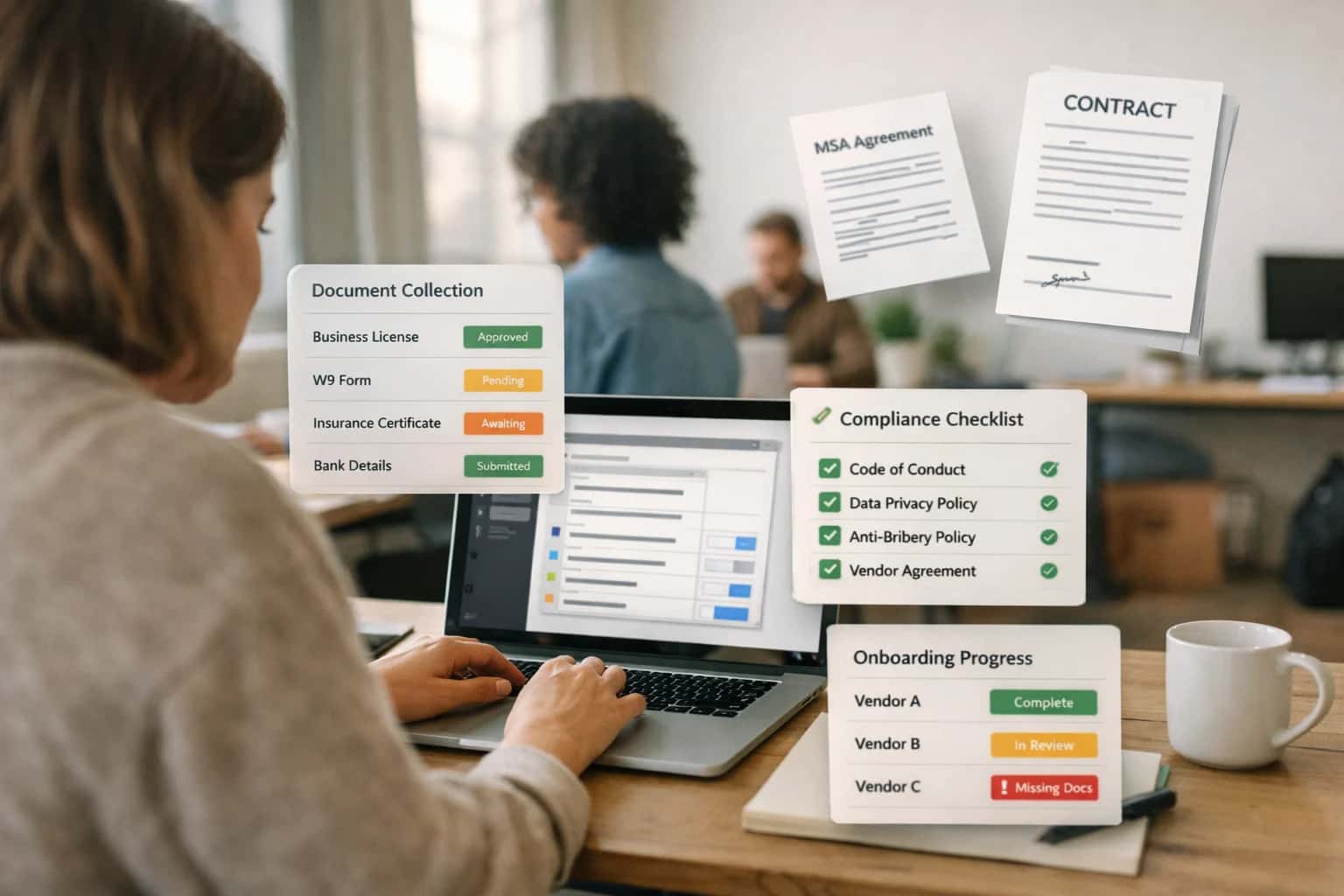
Operations team reviewing AI vendor onboarding platform on laptop, forms and contracts visible, casual office workspace.
ARCHITECTURE AND ROLLOUT

Where AI Automates Guest Device Management

Integrate AI with your MDM platform to automate the secure onboarding, policy enforcement, and offboarding of temporary guest devices.

An AI integration for guest network access connects to your MDM platform's API (like Jamf Pro, Microsoft Intune, or Cisco Meraki Systems Manager) and its associated captive portal system. The AI layer acts as an orchestration engine that ingests guest registration data, evaluates context, and executes MDM commands to manage the device lifecycle. Core automated workflows include:

  • Onboarding: Upon captive portal sign-in, the AI agent uses the MDM API to enroll the device with a time-limited, restricted configuration profile. This profile typically includes Wi-Fi/VPN settings, web content filters, and app restrictions.
  • Policy Management: The AI system monitors the device's enrollment expiration timestamp and can apply dynamic policy updates, like throttling bandwidth as the departure time approaches.
  • Offboarding: Post-checkout or at the profile's expiry, the AI agent triggers an automated revocation command via the MDM API, removing the device from management and clearing its access credentials.


Implementation requires mapping the guest workflow to specific MDM objects and APIs. For a platform like Jamf Pro, this involves automating the creation of Prestage Enrollments and Configuration Profiles via the Jamf Classic API or Jamf Pro API. For Microsoft Intune, you would work with the Microsoft Graph API to manage device enrollment configurations and compliance policies scoped to a dynamic Azure AD group for guests. The AI system's logic decides policy assignment based on inputs like guest type (contractor, visitor), visit duration, and requested network resources. A critical governance component is the audit log; all AI-driven actions—enrollment, policy push, revocation—must write a detailed entry back to the MDM's logging system or a central SIEM for compliance review.

Rollout should be phased, starting with a pilot group (e.g., conference room network). Key considerations include:

  • Error Handling: The AI must gracefully handle enrollment failures (e.g., unsupported OS) and have fallback workflows, like notifying IT support or offering a limited, time-bound guest password.
  • Human-in-the-Loop: For high-risk contexts, the AI can be configured to flag certain device types or user categories for manual approval before granting full network access.
  • Integration Scope: This pattern often extends beyond the MDM to include calendar systems (for automatic offboarding based on meeting end times) and physical access control systems (to correlate network access with building badge data). For a deeper dive on connecting AI workflows across enterprise systems, see our guide on AI Integration with ITSM Platforms like ServiceNow.
AUTOMATED GUEST NETWORK ACCESS MANAGEMENT

MDM & Network Surfaces for AI Integration

AI-Driven Guest Onboarding Workflows

The captive portal is the primary user-facing surface for guest network access. AI can transform this static gateway into an intelligent, adaptive onboarding experience.

Key Integration Points:

  • Portal Form Processing: Use AI to extract and validate guest information (name, email, company, purpose of visit) from free-text inputs or uploaded business cards, reducing manual data entry errors.
  • Dynamic Policy Assignment: Based on the extracted visit purpose, sponsor department, and time of day, an AI agent can call the MDM or NAC API to assign the guest device to an appropriate network VLAN with tailored bandwidth and access rules.
  • Automated Sponsor Approval: For visits requiring approval, AI can parse the request, identify the correct internal sponsor via directory lookup, and trigger an automated approval workflow via email or Teams/Slack, linking directly to a one-click policy application.

Example AI Action: A guest arrives, scans a QR code, and tells the portal they are "here for a sales meeting with the Acme team." The AI identifies "Acme" as a known vendor, routes an approval prompt to the procurement manager, and upon approval, applies a policy that grants access only to the conference room Wi-Fi and the vendor portal subnet.

MDM INTEGRATION PATTERNS

High-Value AI Use Cases for Guest Access

Integrating AI with your MDM platform transforms static guest network policies into dynamic, intelligent workflows. These patterns automate onboarding, enforce security, and optimize the guest experience by connecting AI decisioning to MDM APIs for captive portals, policy payloads, and device lifecycle actions.

01

AI-Powered Captive Portal Onboarding

Replace static forms with an AI assistant in the captive portal. It can converse with guests to collect necessary details, validate purpose of visit against a calendar, and dynamically assign network access levels. The AI agent then calls the MDM API (e.g., Meraki SM or Intune) to provision a time-limited device record and push the appropriate Wi-Fi configuration.

Batch -> Real-time
Onboarding speed
02

Dynamic Policy Assignment & Risk Scoring

An AI layer analyzes the guest's device type, OS version, and requested access against real-time threat intelligence. It calculates a real-time risk score and instructs the MDM to apply tailored policy payloads—like stricter firewall rules, web content filtering, or VLAN assignment—mitigating risk without manual IT intervention.

Context-Aware
Security posture
03

Automated Access Revocation & Cleanup

AI monitors integration signals between the MDM, physical access systems, and calendar endpoints. When a guest's scheduled departure time passes or badge access is revoked, the AI automatically triggers an MDM API call to disable the device's network access and queue it for deletion from the guest device inventory, ensuring zero lingering access.

Same day
Cleanup compliance
04

Intelligent Bandwidth & QoS Management

For events or high-density guest areas, AI analyzes real-time network utilization from the MDM/platform (e.g., Meraki dashboard) and guest device counts. It dynamically adjusts Quality of Service (QoS) policies and bandwidth throttling rules via the MDM API to prioritize business-critical traffic and maintain service quality for all users.

Hours -> Minutes
Response to congestion
05

Self-Service Guest Support Agent

Embed an AI chatbot in the guest portal or via SMS. It answers FAQs, troubleshoots connection issues, and can execute limited, safe MDM actions via API—like re-pushing a Wi-Fi profile or extending access duration—based on pre-approved workflows and authentication, deflecting tickets from the help desk.

80% Deflection
Typical ticket reduction
06

Predictive Policy Conflict Detection

Before deploying a new guest access policy, an AI model simulates its application against the current MDM configuration and existing guest device attributes. It predicts and flags potential conflicts—like duplicate IP ranges or incompatible security profiles—allowing admins to adjust before rollout and avoid service disruption.

1 sprint
Prevented rollout delays
IMPLEMENTATION PATTERNS

Example AI-Driven Guest Access Workflows

These workflows illustrate how AI agents can automate the end-to-end lifecycle of guest network access, from request to revocation, using MDM APIs as the enforcement layer. Each pattern connects a business trigger to a concrete MDM action, reducing manual overhead and improving security posture.

Trigger: A visitor scans a QR code at the reception desk or from a pre-visit email.

AI Agent Action:

  1. The agent uses a vision model to extract the visitor's name and company from a photo of their business card (optional) or parses a pre-filled web form.
  2. It calls the MDM API (e.g., Meraki Systems Manager or Cisco ISE) to create a unique device registration record.
  3. The agent generates a time-limited, role-based Wi-Fi passcode or triggers a captive portal login link sent via SMS/email.
  4. It applies an MDM network policy that restricts the device to internet-only access and tags it with metadata (e.g., guest-type: visitor, sponsor: jane.doe, expiry: 2024-06-15T17:00).

System Update: The guest device is now connected with appropriate restrictions. An audit log entry is created in the MDM and a notification is sent to the host.

PRODUCTION-READY INTEGRATION PATTERN

Implementation Architecture: Data Flow & Guardrails

A secure, auditable architecture for connecting AI decision engines to MDM platforms for automated guest network provisioning.

The core integration connects an AI orchestration layer to the MDM platform's REST API (e.g., Jamf Pro API, Microsoft Graph for Intune, Workspace ONE UEM API) and the network's captive portal system (like Cisco ISE, Aruba ClearPass, or a custom RADIUS service). The typical data flow is: 1) A guest registration event (from a web form, calendar integration, or visitor management system) triggers the AI workflow. 2) The AI agent evaluates the request against policy rules (duration, sponsor, device type) and calls the MDM API to create a time-limited device record or assign a pre-built guest configuration profile. 3) The AI system simultaneously provisions network credentials (SSID, PSK, or 802.1X certificate) via the network controller API and links them to the MDM device ID. 4) The guest receives a QR code or email with connection instructions. The MDM platform enforces the policy (like auto-removing the profile after 8 hours), while the AI layer monitors for anomalies.

Key technical guardrails must be baked into the architecture: API rate limiting and retry logic to handle MDM platform throttling; a decision audit log that records every AI-generated action (profile push, credential creation) with a human-readable rationale; and a human-in-the-loop approval step for exceptions (e.g., extended access, VIP guests) configured via a simple webhook to Slack or Teams. The AI should never have persistent "admin" credentials—instead, use a service account with JIT elevation or an API key scoped narrowly to device enrollment and profile management objects only. Furthermore, integrate with the ITSM platform (like ServiceNow) to auto-create a change request ticket for each provisioning event, providing a full audit trail for compliance reviews.

For rollout, start with a phased device group in the MDM (e.g., "Guest Network Pilot") and a non-critical SSID. Use the AI system's shadow mode to log intended actions without executing them for a week, comparing its decisions to manual processes. Key performance indicators should focus on operational lift: reduction in help desk tickets for guest access, time from request to connectivity (target: under 2 minutes), and automatic revocation rate post-departure. This architecture ensures the integration is secure, observable, and reversible, treating the MDM as the system of record for policy enforcement while the AI acts as the intelligent workflow orchestrator.

AUTOMATED GUEST NETWORK ACCESS

Code & API Payload Examples

Captive Portal Authentication & Policy Assignment

Integrate AI with your captive portal (e.g., Cisco Meraki Splash Pages, Aruba ClearPass) to automate guest onboarding. When a device connects, the portal captures basic details (email, name, purpose). An AI agent processes this input to:

  • Classify the guest (contractor, visitor, vendor) and assign appropriate network access policies.
  • Determine access duration based on visit purpose and historical patterns.
  • Push a dynamic policy payload to the MDM (e.g., Meraki Systems Manager, Intune) to apply VLAN tagging, bandwidth limits, and firewall rules.

This eliminates manual ticket creation for guest Wi-Fi and ensures policy consistency. The AI can also flag anomalous registration attempts for review.

json
// Example JSON payload from AI to MDM API for policy assignment
{
  "device_identifier": "aa:bb:cc:dd:ee:ff",
  "assigned_policy": "guest_contractor_limited",
  "vlan_id": 30,
  "bandwidth_limit_mbps": 5,
  "access_expiry": "2024-06-15T17:00:00Z",
  "guest_type": "vendor",
  "sponsor_email": "[email protected]"
}
AI-INTEGRATED GUEST NETWORK ACCESS

Realistic Time Savings & Operational Impact

How AI integration with MDM platforms transforms manual, reactive guest access workflows into proactive, automated operations.

Workflow StageBefore AI (Manual)After AI (Integrated)Operational Impact

Access Request Intake & Validation

Email/help desk ticket; 15-30 min manual review

AI-powered captive portal with automated ID/badge scan & policy check

Eliminates ticket queue; reduces intake to <1 minute per guest

Policy Assignment & Device Onboarding

Manual VLAN assignment & SSID configuration; 10-20 min per device

Dynamic policy assignment based on guest role, duration, and device type via MDM API

Onboarding time reduced to seconds; ensures consistent security posture

Credential Issuance & Communication

Manual password generation and email/verbal relay

Automated SMS/email with unique, time-limited credentials and usage rules

Removes communication lag and password reuse risk; improves guest experience

Access Duration Monitoring & Renewal

Calendar-based manual tracking; often leads to over-provisioned access

AI monitors active sessions; auto-extends or prompts for renewal based on actual need

Reduces security exposure from stale accounts; optimizes network resource use

Post-Departure Access Revocation

Manual account deactivation based on check-out lists or ad-hoc requests

Automated revocation triggered by badge system, schedule, or geofence via MDM

Ensures 100% timely deprovisioning; eliminates orphaned accounts and compliance gaps

Compliance Reporting & Audit Trail

Manual log compilation from NAC, wireless controller, and help desk systems

AI-synthesized report from MDM and AI system logs; auto-generated for auditors

Cuts audit prep from days to hours; provides immutable, detailed access history

Anomaly Detection & Security Response

Reactive investigation after a reported incident

Real-time analysis of device behavior; auto-quarantines suspicious devices via MDM

Shifts from reactive to proactive security; contains threats before they spread

ARCHITECTING CONTROLLED ACCESS

Governance, Security & Phased Rollout

Implementing AI for guest network access requires a security-first architecture that respects existing MDM policy frameworks and provides clear auditability.

The integration architecture must treat the AI agent as a policy recommendation engine, not a direct enforcement layer. The agent analyzes guest requests—submitted via a captive portal or internal ticketing system—against predefined rules (purpose, sponsor, duration, device type) and historical data. It then generates a structured policy payload (e.g., a unique SSID, VLAN assignment, and time-bound firewall rule) and submits it for approval via a webhook to the MDM platform's API, such as Cisco Meraki's Dashboard API or Jamf Pro's scripts. The MDM system remains the system of record for all network access policies, ensuring a single source of truth and maintaining existing RBAC and change control processes.

A phased rollout is critical for managing risk and refining the AI's logic. Start with a pilot group of low-risk guests (e.g., recurring contractors in a single location) where the AI's policy recommendations are manually reviewed and applied by an admin. In Phase 2, enable automated policy creation for the pilot group, but implement a mandatory cooling-off period (e.g., 15 minutes) before network access is activated, allowing for human override. Finally, roll out to broader audiences, using the AI to handle the bulk of standard requests while flagging anomalies (unusual duration, high-risk sponsor, unfamiliar device OS) for manual review. All agent decisions, input data, and API calls must be logged to a dedicated audit trail, separate from standard MDM logs, for compliance and model tuning.

Security governance focuses on data minimization and isolation. The AI system should only process the minimum necessary data—guest name, sponsor, requested duration, and device MAC address—preferably in a transient memory store. It should never persistently store sensitive PII or have direct access to the corporate production network. Network segmentation is key: the AI service and its vector database (if using RAG for policy lookup) should reside in a dedicated, isolated VPC, communicating with the MDM platform only through tightly scoped API credentials. Regular access reviews should verify these credentials and the AI's permission boundaries within the MDM console.

AI INTEGRATION FOR GUEST ACCESS

Frequently Asked Questions

Practical questions about implementing AI with MDM platforms like Cisco Meraki, Aruba, or Ruckus to automate guest network onboarding, policy enforcement, and access lifecycle management.

The AI layer acts as an intelligent orchestrator between the user, the MDM/network platform, and your identity systems.

  1. Trigger: A device attempts to join the Guest-WiFi SSID and hits the captive portal.
  2. Context Pull: The AI agent receives the device MAC address and requested access details via a webhook from the network controller (e.g., Meraki Dashboard API).
  3. Agent Action: The agent uses an LLM to:
    • Parse a natural language sponsor request (e.g., "Visitor for Sarah in Marketing until 5 PM").
    • Validate the sponsor ([email protected]) against Active Directory or HRIS via a tool call.
    • Determine an appropriate access duration and policy group.
  4. System Update: The agent calls the MDM/network API to:
    • Create a temporary device record in the MDM (e.g., in Meraki Systems Manager).
    • Push a time-limited policy (like a group policy in Meraki SM) restricting access to internet-only VLANs.
    • Generate and return a unique passcode or approve the portal login.
  5. Human Review Point: If the sponsor is invalid or the request is anomalous (e.g., "permanent access"), the workflow escalates to a security team Slack channel for manual approval.
Prasad Kumkar

About the author

Prasad Kumkar

CEO & MD, Inference Systems

Prasad Kumkar is the CEO & MD of Inference Systems and writes about AI systems architecture, LLM infrastructure, model serving, evaluation, and production deployment. Over 5+ years, he has worked across computer vision models, L5 autonomous vehicle systems, and LLM research, with a focus on taking complex AI ideas into real-world engineering systems.

His work and writing cover AI systems, large language models, AI agents, multimodal systems, autonomous systems, inference optimization, RAG, evaluation, and production AI engineering.


