AI integration for fire departments focuses on connecting to three core operational surfaces: the Computer-Aided Dispatch (CAD) system, the Records Management System (RMS), and the asset/fleet management platform. The primary integration points are via CAD/RMS APIs for real-time incident data, telematics feeds from apparatus, and the department's scheduling or inventory databases. AI agents can be triggered by CAD events to perform tasks like automated incident report drafting from dispatch logs and initial officer notes, predictive risk modeling for structures using historical inspection data and GIS layers, and dynamic resource recommendation for station deployment based on apparatus status, crew availability, and real-time incident load.

Integration
AI Integration with Public Sector Fire Department Management
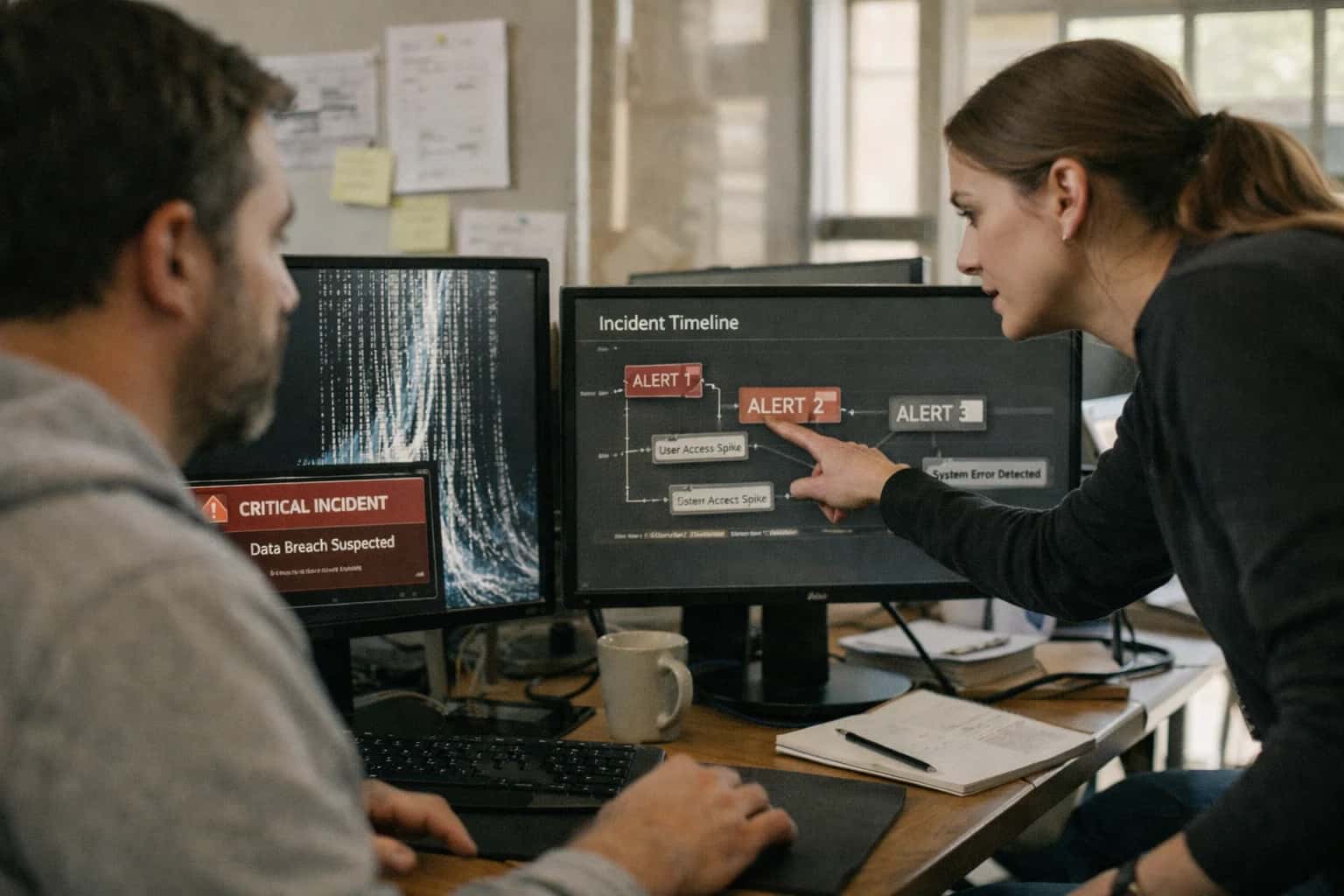
Where AI Fits into Fire Department Operations
A practical guide to integrating AI agents and predictive models with fire department management systems for incident response, resource optimization, and administrative automation.
High-value use cases are tied to reducing administrative burden and improving decision velocity. For example, an AI workflow can listen to the CAD event queue, automatically retrieve pre-plan information for the incident address, and summarize key hazards (e.g., chemical storage, construction type) for the responding battalion chief. Post-incident, AI can analyze RMS data to auto-populate NFIRS reports, flagging inconsistencies or missing data for review. For resource management, models can ingest apparatus maintenance records, crew certifications, and historical call volume to optimize station staffing schedules and predict preventive maintenance windows, moving from calendar-based to condition-based upkeep.
A production implementation is typically wired through a secure integration layer that sits between the AI services and the core fire department systems. This layer handles authentication, data normalization, audit logging, and fallback logic. Rollout should be phased, starting with a single, high-impact workflow like automated hydrant status reporting from inspection notes or AI-assisted training scenario generation. Governance is critical; all AI-generated outputs, especially those influencing dispatch or resource allocation, must have a human-in-the-loop review step before action, and all model interactions should be logged to the RMS for accountability and continuous improvement.
Key Fire Department Systems for AI Integration
CAD & Records Management Systems
AI integration targets the core operational data layer of Computer-Aided Dispatch (CAD) and Records Management Systems (RMS), such as Tyler Incode, CentralSquare, or Motorola PremierOne. These systems manage the entire incident lifecycle from call intake to final report.
Key integration surfaces include:
- Call Intake & Triage: AI can analyze 911 audio/text in real-time to extract location, nature, and severity, pre-populating CAD tickets and suggesting initial unit assignments.
- Dynamic Resource Optimization: By ingesting live unit status, traffic, and hydrant data, AI models can recommend optimal apparatus dispatch and routing, reducing response times.
- Automated Report Drafting: Post-incident, AI can synthesize radio transcripts, unit timestamps, and officer notes from the RMS to generate a structured NFIR report draft, saving officers 30+ minutes per report.
Integration is achieved via system APIs to push/pull incident objects, unit statuses, and narrative fields, ensuring AI outputs are logged back into the official record.
High-Value AI Use Cases for Fire Departments
Integrating AI with fire department management systems (like Tyler Incode, IMS, or custom platforms) automates manual workflows, improves situational awareness, and optimizes the deployment of critical resources. These patterns connect AI to core operational data and surfaces.
Automated Incident Report Generation
AI listens to dispatch audio and reviews CAD data to draft a structured incident narrative. The draft populates the RMS (Records Management System), saving officers 30-45 minutes per report and ensuring consistency for NFIRS submission. Integration occurs via the CAD/RMS API.
Predictive Risk Modeling for Structures
AI analyzes permit data, past inspection records, and GIS layers to score commercial and residential structures for fire risk. High-risk scores are pushed to the pre-planning module in the fire department management system, enabling prioritized inspections and resource pre-positioning.
Intelligent Station Resource Deployment
AI models predict call volume and type by time, location, and weather by ingesting historical CAD data. Outputs are fed into the scheduling and apparatus management system to recommend optimal crew levels and unit placements, improving coverage and reducing response times.
Training Scenario & After-Action Review
AI generates realistic training scenarios based on local incident history and extracts key lessons from after-action reports. Scenarios are pushed to the department's training management platform, and review summaries are linked to specific incidents in the RMS for continuous improvement.
Maintenance Forecasting for Fleet & Equipment
AI analyzes apparatus run data, maintenance logs, and sensor feeds from the fleet management system (e.g., Tyler FleetFocus) to predict part failures. Work orders are created automatically in the CMMS, shifting from scheduled to condition-based maintenance.
Public Education & Community Outreach Automation
An AI agent integrated with the department's CRM or citizen portal answers common safety questions, schedules station tours, and distributes targeted fire prevention tips based on neighborhood risk data. Frees up administrative staff for high-touch engagements.
Example AI-Powered Workflows
These workflows illustrate how AI agents can integrate with core fire department management systems—such as Computer-Aided Dispatch (CAD), Records Management Systems (RMS), and asset tracking platforms—to augment decision-making, automate reporting, and optimize resource deployment.
Trigger: Daily batch job or a change in municipal data (new building permits, business license renewals, utility shut-off notices).
Context/Data Pulled:
- The AI agent queries the RMS for historical incident data by address.
- It pulls current building occupancy and construction type from the permitting/inspection system.
- It accesses hydrant location and water pressure data from the Public Works GIS.
- It ingests recent fire code violation reports from the code enforcement platform.
Model/Agent Action: A predictive model analyzes the aggregated data to generate a risk score (e.g., 1-100) for each structure or city block. The score is based on factors like historical fires, lack of sprinklers, construction material, and access challenges.
System Update/Next Step:
- High-risk scores are automatically pushed to the department's pre-planning module in the RMS.
- A summary report is generated for the battalion chief, flagging the top 10 highest-risk locations for the week.
- The system can trigger an automated work order in the inspection scheduling system to prioritize these locations.
Human Review Point: The battalion chief reviews the automated risk list and the supporting data points before finalizing inspection priorities or resource pre-positioning plans.
Implementation Architecture: Connecting AI to the Fire Ground
A practical blueprint for integrating AI agents with fire department management systems to enhance operational intelligence and automate administrative overhead.
The integration architecture connects AI agents to three primary surfaces within your fire department's operational stack: the Computer-Aided Dispatch (CAD) system, the Records Management System (RMS), and the asset/station management modules of your core ERP (e.g., Tyler Incode, SAP Public Sector, or a specialized platform). AI listens to CAD event streams via webhooks or APIs, enriching dispatch data with predictive risk scores for structures using historical incident data and GIS layers. Concurrently, AI agents are embedded within the RMS to assist with post-incident workflows, automating the population of NFIRS report fields from officer voice notes or preliminary data.
For resource optimization, the system establishes a bidirectional link with station management and fleet modules. AI models analyze historical call volume, apparatus availability, crew certifications, and community risk factors to generate predictive staffing and apparatus deployment recommendations. These insights are delivered via dashboards within the existing RMS or as automated alerts to battalion chiefs' mobile devices. The implementation uses a central orchestration layer (often on BTP, Infor OS, or a secure cloud service) to manage API calls, maintain audit logs, enforce RBAC, and ensure all AI-generated recommendations or automated data entries are flagged for officer review before final submission to systems of record.
Rollout is phased, starting with non-critical, high-volume workflows like automated report drafting for minor medical assists or equipment checks. Governance is paramount; all AI interactions are logged with a full chain of custody, and human-in-the-loop approval gates are maintained for any action that changes resource deployment or official records. This architecture doesn't replace dispatcher or firefighter judgment—it arms them with synthesized intelligence and takes repetitive documentation off their plate, turning hours of post-call admin into minutes.
Code and Payload Examples
Automating NFIRS and Internal Report Generation
AI can process CAD (Computer-Aided Dispatch) logs, radio transcripts, and initial officer notes to draft structured incident reports. This reduces post-incident administrative burden from hours to minutes.
Typical Integration Flow:
- CAD system triggers a webhook upon incident closure.
- AI service fetches related data (unit logs, personnel IDs, timestamps).
- An LLM synthesizes a narrative, populates NFIRS (National Fire Incident Reporting System) codes based on extracted details, and flags missing data.
- A draft report is posted back to the Records Management System (RMS) for officer review and submission.
python# Example: Webhook handler to trigger report drafting from fire_department_sdk import IncidentClient # Hypothetical SDK from inference_llm import generate_nfirs_narrative def handle_incident_close(webhook_payload): incident_id = webhook_payload['incidentId'] # Fetch full incident context from Fire RMS client = IncidentClient(api_key=os.getenv('FIRE_RMS_KEY')) incident_data = client.get_incident(incident_id, include_logs=True) # Generate narrative and suggested codes ai_report = generate_nfirs_narrative( cad_logs=incident_data['cad_logs'], units_deployed=incident_data['apparatus'], preliminary_cause=incident_data['initial_cause'] ) # Post draft back to RMS for review client.update_incident( incident_id, draft_narrative=ai_report['narrative'], suggested_codes=ai_report['nfirs_codes'] )
Realistic Time Savings and Operational Impact
How AI integration with fire department management systems (like Tyler Incode, EnerGov, or specialized platforms) impacts key operational workflows. Metrics are based on typical public sector implementations.
| Operational Metric | Before AI Integration | After AI Integration | Implementation Notes |
|---|---|---|---|
Incident Report Drafting | 30-45 minutes manual entry | 5-10 minutes assisted generation | AI drafts from CAD/dispatch notes; officer reviews & finalizes |
Structure Risk Assessment | Manual review of static records | Predictive scoring from multiple data sources | Integrates property records, inspection history, and GIS data for proactive planning |
Pre-Incident Plan Review | Manual file search, 15-20 minutes | Semantic retrieval in <2 minutes | AI searches past plans, schematics, and hazmat reports from document management systems |
Station Resource Deployment | Reactive, based on immediate calls | Proactive, forecast-driven adjustments | AI analyzes call volume patterns, traffic, and event data to suggest crew positioning |
Equipment Maintenance Scheduling | Calendar-based or reactive | Condition & usage-based predictions | Integrates telematics from vehicles and sensor data from SCBA/equipment |
Training Compliance Tracking | Manual spreadsheet updates | Automated gap detection & alerts | AI cross-references certification databases with personnel records and schedules |
Post-Incident Analysis | Days to compile data & reports | Automated preliminary report in hours | AI aggregates data from CAD, reports, and body-worn cameras for after-action review |
Governance, Security, and Phased Rollout
Deploying AI for fire department management requires a security-first architecture and a controlled rollout to maintain operational integrity and public trust.
AI integrations for fire department systems must adhere to strict data governance, connecting securely to core platforms like Computer-Aided Dispatch (CAD), Records Management Systems (RMS), and asset/fleet management modules. Implementation begins by establishing a secure API gateway and a dedicated data pipeline that anonymizes or tokenizes sensitive Personally Identifiable Information (PII) from incident reports and personnel records before any AI processing. All AI-generated outputs—such as predictive risk scores or automated report drafts—should be written to an immutable audit log within the RMS, tagged with the source data and model version used, to ensure full traceability for compliance and after-action reviews.
A phased rollout is critical for user adoption and risk management. Phase 1 typically targets back-office and planning workflows, such as using AI to analyze historical incident data from the RMS to generate predictive risk models for commercial structures. This non-operational use allows validation of model accuracy without impacting emergency response. Phase 2 introduces AI into operational support, like an agent that listens to CAD event creation and automatically drafts the initial incident report narrative, presenting it as a draft for the incident commander's review and edit. The final phase integrates AI for real-time resource optimization, suggesting optimal station deployment or apparatus routing based on live data, but always requiring a human-in-the-loop confirmation for any dispatch-altering recommendation.
Governance is maintained through a cross-functional oversight committee including IT security, fire operations leadership, and legal/compliance. This group approves all prompt libraries, defines the human review thresholds for different AI outputs (e.g., all automated reports require officer sign-off), and establishes a regular model evaluation cycle to check for drift or bias, especially in predictive models affecting resource allocation. By anchoring the AI integration to the department's existing National Fire Incident Reporting System (NFIRS) workflows and approval chains, the technology augments rather than disrupts the proven command structure, building credibility and ensuring the AI operates as a governed tool under expert supervision.
Enabling Efficiency, Speed & Accuracy
Intelligent Analysis, Decision & Execution
We build AI systems for teams that need search across company data, workflow automation across tools, or AI features inside products and internal software.
Talk to Us
Search across company data
Give teams answers from docs, tickets, runbooks, and product data with sources and permissions.
Useful when people spend too long searching or get different answers from different systems.

Automate internal workflows
Use AI to route work, draft outputs, trigger actions, and keep approvals and logs in place.
Useful when repetitive work moves across multiple tools and teams.

Add AI to products and internal tools
Build assistants, guided actions, or decision support into the software your team or customers already use.
Useful when AI needs to be part of the product, not a separate tool.
Frequently Asked Questions
Practical questions for fire chiefs, IT directors, and emergency services coordinators planning AI integration with fire department management systems.
Integrating predictive AI with your CAD involves creating a secure data pipeline and a real-time scoring service.
Typical Architecture:
- Trigger & Data Pull: A scheduled job or event listener extracts historical incident data (location, type, time, response units, weather) from the CAD database.
- Model Training/Inference: This data trains a time-series or geospatial model (or feeds a pre-trained model) to identify high-risk patterns. In production, the model runs on recent data (last 24-72 hours) combined with live feeds (weather APIs, special event calendars).
- System Update: The model outputs a risk score for each station zone or grid cell. These scores are pushed via API to:
- The CAD map interface as a heatmap overlay for dispatchers.
- A separate dashboard for chiefs to view predicted demand.
- Human Review Point: Dispatchers and command staff use the predictions to inform dynamic repositioning of units during low-call periods, but AI does not auto-dispatch.
Key Integration Points: CAD REST API for data extraction, WebSocket or API push for map overlay updates, and secure cloud or on-prem model hosting.

About the author
Prasad Kumkar
CEO & MD, Inference Systems
Prasad Kumkar is the CEO & MD of Inference Systems and writes about AI systems architecture, LLM infrastructure, model serving, evaluation, and production deployment. Over 5+ years, he has worked across computer vision models, L5 autonomous vehicle systems, and LLM research, with a focus on taking complex AI ideas into real-world engineering systems.
His work and writing cover AI systems, large language models, AI agents, multimodal systems, autonomous systems, inference optimization, RAG, evaluation, and production AI engineering.
Partnered with leading AI, data, and software stack.





How We Work
Custom AI workflows for your Business
One-fit-all AI don't work for modern businesses. At Inferensys, we aim to understand your business & custom requirements; which we use to define most efficient agentic workflows, the data, and the tools for your business.
01
Review the use case
We understand the task, the users, and where AI can actually help.
Read more02
Pick the right approach
We define what needs search, automation, or product integration.
Read more03
Build the first useful version
We implement the part that proves the value first.
Read more04
Improve from there
We add the checks and visibility needed to keep it useful.
Read moreThe first call is a practical review of your use case and the right next step.
Talk to Us