Traditional Cority dashboards present aggregated metrics—TRIR, LTIR, audit scores, incident counts—as charts and tables. An AI integration layers a natural language interface directly onto this data model, allowing users to ask questions like “Why did our recordable rate spike in Q3 at the Springfield plant?” or “Show me all open corrective actions related to forklift operations.” The architecture connects to Cority’s core APIs—typically the Analytics API or direct database connections for custom objects—to retrieve live data. A retrieval-augmented generation (RAG) system grounds the AI’s responses in the specific context of your organization’s incidents, observations, audits, and corrective actions stored within Cority, ensuring answers are factual and actionable.

Integration
AI Integration for Cority EHS Dashboard
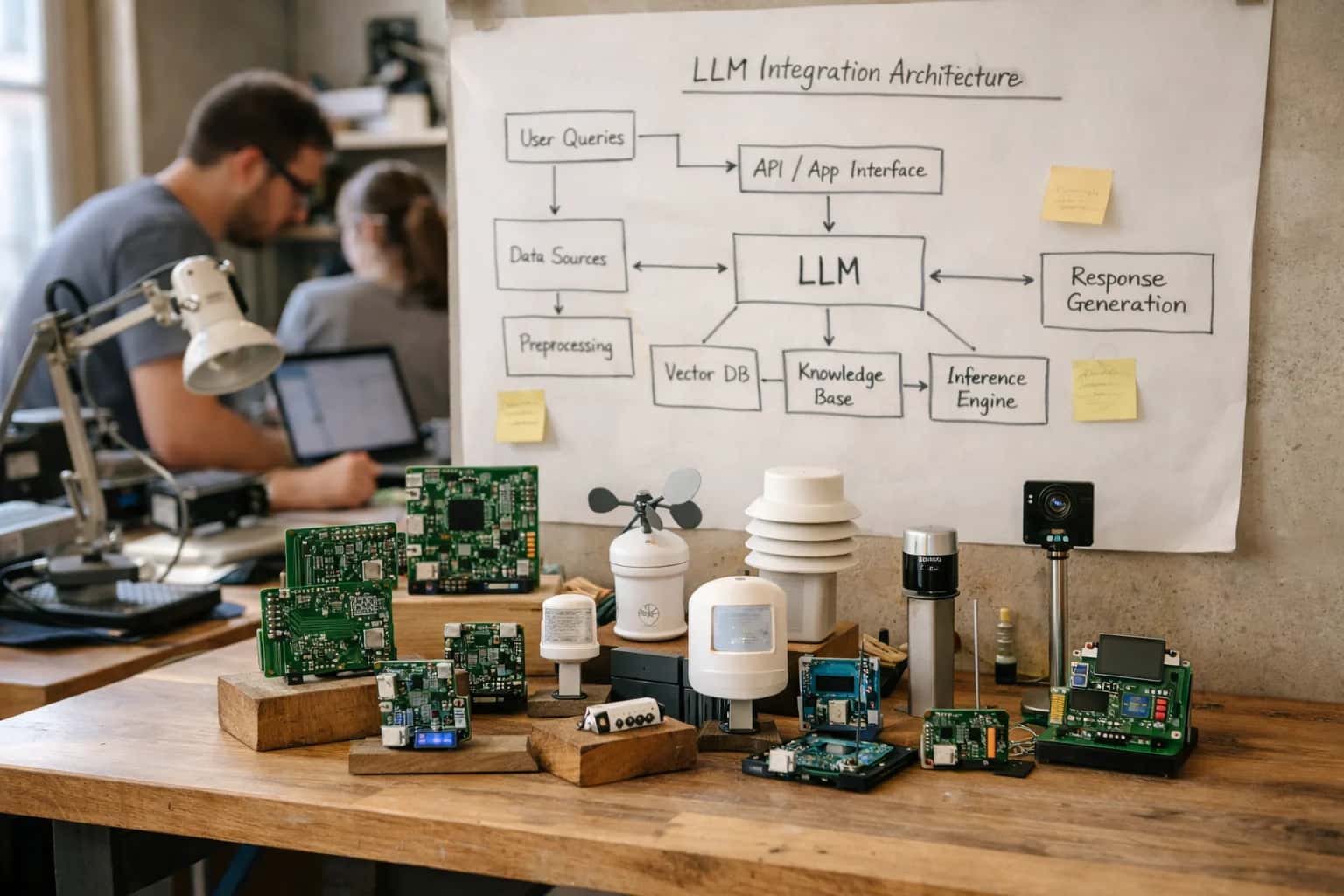
From Static Charts to Conversational Intelligence
Integrating AI into Cority dashboards transforms static reporting into an interactive, insight-driven conversation for EHS leaders.
Implementation focuses on high-value conversational workflows: trend explanation, root cause exploration, and action recommendation. For example, when a dashboard shows an upward trend in hand injuries, the AI can automatically analyze linked data—correlating the incidents with specific job codes, locations, times of day, or recent changes in procedures—and generate a narrative summary. It can then recommend reviewing the top three most common contributing factors and list the relevant Job Safety Analyses (JSAs) or training records that may need updating. This moves analysis from a manual, days-long process to an interactive session that takes minutes.
Rollout is phased, starting with read-only conversational queries for a pilot group of EHS managers to build trust in the AI’s accuracy. Governance is critical: all AI-generated insights should be traceable back to source records in Cority (e.g., “Based on Incident Report INC-2024-0873 and Audit A-24-055”), and a human-in-the-loop review step is maintained for any recommended actions before they are created as tasks in Cority’s Action Tracking module. This controlled approach ensures the AI augments—rather than replaces—expert judgment, turning your Cority dashboard from a rear-view mirror into a co-pilot for proactive safety management.
Where AI Connects to the Cority Dashboard Layer
Executive and Management Dashboards
AI connects to Cority's executive dashboards to transform static charts into conversational, insight-driven interfaces. Instead of manually drilling down, EHS leaders can ask natural language questions like, "Which sites have the highest near-miss rate this quarter and what were the top causes?" An integrated AI agent queries the underlying Cority data model, performs on-the-fly analysis, and returns a narrative summary with supporting visualizations.
This surface is ideal for embedding automated insight generation. For example, after a monthly data refresh, the system can automatically generate and surface a one-paragraph executive summary highlighting the most significant positive or negative trends in TRIR, audit scores, or compliance task completion, directly within the dashboard widget. This turns dashboards from reporting tools into proactive decision-support systems.
High-Value AI Use Cases for Cority Dashboards
Transform static Cority dashboards into interactive, AI-powered command centers. These use cases embed generative AI directly into the dashboard experience to explain trends, surface hidden risks, and recommend actions—turning data into immediate operational guidance for EHS leaders.
Natural Language Dashboard Queries
Allow EHS managers to ask questions like "Show me sites with rising TRIR over the last quarter and their top incident types" directly within the Cority dashboard. The AI interprets the query, fetches the relevant data, and generates a visual summary with key takeaways, eliminating manual report building.
Automated Performance Narrative
At the start of each week or month, an AI agent analyzes dashboard KPIs (incident rates, open actions, audit scores) and writes a concise executive summary. It highlights significant changes, correlates trends (e.g., linking a spike in safety observations to a recent training lapse), and flags areas requiring leadership attention.
Predictive Metric Forecasting
Go beyond historical trends. Integrate AI models that forecast leading indicators like near-miss report volume or action item closure rates based on operational data (production hours, contractor activity, maintenance schedules). The dashboard visually shows forecasts with confidence intervals, prompting proactive interventions.
Anomaly Detection & Explanation
Continuously monitor time-series data within Cority (e.g., incident reports, emissions readings, training completions). The AI automatically detects statistical outliers or unexpected deviations, surfaces them on the dashboard, and provides a contextual explanation (e.g., "This spike in hand injuries correlates with the new equipment rollout at Plant B").
Role-Based Insight Personalization
Tailor the dashboard intelligence to the viewer's role. A site manager sees AI-generated summaries of their location's specific risks and overdue actions. A corporate compliance officer gets an automated analysis of regulatory deadline adherence across all facilities. The underlying data remains in Cority; the AI curates the narrative.
Drill-Down Investigation Copilot
When a user clicks on a concerning metric, the AI doesn't just show more data—it acts as a copilot. For a high Lost Time Injury Frequency (LTIF), it can suggest: "Review the last 3 similar incidents in the <a href="/integrations/environmental-health-and-safety-platforms/ai-integration-for-cority-incident-management">Incident Management module</a>" or "Check if the related corrective actions from Q1 are still open." It provides guided next steps.
Example AI-Powered Dashboard Workflows
These workflows illustrate how AI agents can transform static Cority dashboards into proactive, conversational interfaces. Each example connects live Cority data with generative models to explain trends, surface root causes, and recommend actions for EHS leaders.
Trigger: A scheduled agent runs nightly after Cority's data warehouse refresh, triggered by a completion webhook from the ETL job.
Context/Data Pulled: The agent queries the Cority API for the last 90 days of incident data, focusing on:
Incident.Type(Recordable, First Aid, Near Miss, etc.)Incident.DepartmentandIncident.LocationIncident.RootCauseCategoryIncident.InvestigationStatusIncident.DaysAwayFromWork(for severity weighting)
Model/Agent Action: An LLM (e.g., GPT-4) analyzes the aggregated data with a prompt like:
"You are an expert EHS analyst. Given the attached incident trend data, identify the single most significant week-over-week or month-over-month change. Provide a 2-sentence plain-English explanation of the likely cause, citing specific departments or incident types. Then, recommend 1-2 concrete, high-impact follow-up actions for the EHS manager, such as 'Schedule a focused safety stand-down with the Warehouse department' or 'Review the open investigation status for all Recordables in the last 30 days.'"
System Update/Next Step: The agent's output (explanation + recommendations) is posted as a new, timestamped insight card to a dedicated "AI Insights" panel on the Cority executive dashboard. The card includes buttons to:
- Create Action Item: Pre-populates a new Corrective Action in Cority with the recommended task.
- View Supporting Data: Opens a filtered view of the underlying incident records.
Human Review Point: The dashboard highlights new, unread AI insights. The EHS manager can accept, modify, or dismiss the recommendation before any action item is created.
Implementation Architecture: Data Flow & Integration Points
A production-ready AI integration for Cority's EHS Dashboard connects to core data objects and APIs to generate conversational insights without disrupting existing workflows.
The integration architecture connects to Cority's primary data objects via its REST API and webhook system. Key integration points include the Incident Management module for injury and near-miss trends, the Compliance Calendar for deadline analysis, the Risk Assessment register for control effectiveness, and the Environmental Monitoring datasets for emissions or water quality performance. An AI service layer acts as a middleware, subscribing to webhooks for new data events (e.g., a closed incident report) and polling the API on scheduled intervals to aggregate metrics from across modules. This layer transforms raw data into structured prompts, sends them to a configured LLM (like GPT-4 or Claude), and parses the returned narrative and recommendations into a format the dashboard can consume.
Data flow is governed by a queue-based processing model to handle batch updates during off-peak hours and real-time webhooks for critical alerts. For example, a nightly job aggregates the previous day's safety observations and audit findings, generating a summary of emerging hazards. Concurrently, a webhook triggered by a new high-severity incident can immediately analyze its initial description against historical data to flag potential systemic causes. The AI's outputs—trend explanations, anomaly alerts, and action recommendations—are written back to a dedicated Insights object within Cority or to a separate vector database for conversational retrieval, enabling users to ask follow-up questions directly within the dashboard interface.
Rollout follows a phased approach, starting with read-only analysis of historical data to establish baseline accuracy and user trust. Governance is critical: all AI-generated insights are tagged with confidence scores and linked to the source records, allowing EHS leaders to audit the reasoning. A human-in-the-loop approval step can be configured for certain recommendation types (e.g., major CAPA suggestions) before they appear in the dashboard. This architecture ensures the AI augments the dashboard as a copilot, explaining the 'why' behind the charts and prioritizing management attention, while Cority remains the single system of record for all EHS data and official actions.
Code & Payload Examples
Pulling Data for AI Analysis
AI dashboards need structured, time-series data from Cority's core modules. Use Cority's REST API to fetch key performance indicators (KPIs) and raw event data. The example below retrieves incident and observation data for a specified site and date range, which forms the basis for trend analysis and anomaly detection.
pythonimport requests import pandas as pd # Cority API Base URL and Authentication BASE_URL = "https://your-instance.cority.com/api/v1" HEADERS = { "Authorization": "Bearer YOUR_ACCESS_TOKEN", "Content-Type": "application/json" } # Fetch Incident Data for Dashboard incident_params = { "siteId": "SITE_001", "startDate": "2024-01-01", "endDate": "2024-03-31", "fields": "id,date,type,severity,status,department" } incident_response = requests.get( f"{BASE_URL}/incidents", headers=HEADERS, params=incident_params ) incident_data = incident_response.json().get('data', []) # Convert to DataFrame for AI processing df_incidents = pd.DataFrame(incident_data)
This aggregated dataset is sent to an AI service for pattern recognition, clustering similar incidents, and calculating leading indicators.
Realistic Time Savings & Operational Impact
This table compares the typical workflow for an EHS leader analyzing performance trends and preparing for management reviews before and after integrating an AI-powered conversational dashboard into Cority.
| Metric | Before AI | After AI | Notes |
|---|---|---|---|
Trend Analysis & Root Cause Investigation | 2-4 hours per week | 15-30 minutes per week | AI surfaces key drivers (e.g., spike in hand injuries in Dept. B) with linked incident narratives. |
Monthly EHS Performance Report Drafting | 6-8 hours monthly | 1-2 hours monthly | AI auto-generates narrative summaries, charts, and recommended action items from dashboard data. |
Ad-hoc Data Query for Management | Next-day response | Real-time conversational query | Leaders ask natural language questions (e.g., 'Show me near-miss trends for contractor work this quarter') directly in the dashboard. |
Regulatory Metric Tracking & Alerting | Manual review of spreadsheets | Automated anomaly detection & alerts | AI monitors metrics like TRIR, DART, and environmental exceedances, flagging deviations from targets or historical baselines. |
Action Plan Prioritization | Gut-feel based on lagging indicators | Risk-scored recommendations | AI correlates leading indicators (observations, training compliance) with incident data to recommend high-impact interventions. |
Dashboard Configuration for New KPIs | IT/Admin ticket, 1-2 week wait | Self-service via natural language | EHS managers can request new visualizations (e.g., 'Create a chart of PPE compliance vs. injury type') without developer help. |
Drill-down to Supporting Evidence | Manual navigation across modules | One-click evidence retrieval | Clicking on an AI-highlighted trend retrieves related incidents, audit findings, or inspection records from Cority. |
Governance, Security & Phased Rollout
A practical approach to deploying AI in your Cority environment that prioritizes data security, user trust, and measurable impact.
Integrating AI into the Cority EHS Dashboard begins with a secure, API-first architecture. We treat the dashboard as a read-only data consumer, connecting via Cority's REST APIs to pull aggregated metrics, incident trends, and compliance statuses. This data is processed in a secure Inference Systems environment—never stored with the LLM provider—where our AI models generate narrative insights, trend explanations, and action recommendations. These insights are then pushed back into Cority as custom dashboard widgets or written to a secure object (like a Dashboard_Insight__c custom object) for auditability. This approach ensures no sensitive raw incident or personnel data leaves your controlled environment, and all AI-generated content is traceable back to the source system data and user prompts.
Rollout follows a phased, risk-managed path. Phase 1 (Pilot) focuses on a single, high-value dashboard view—such as the Site Safety Performance Summary—for a limited group of EHS directors. Here, AI provides plain-English summaries of weekly TRIR trends and leading indicator shifts. Phase 2 (Expansion) extends conversational Q&A to regional managers, allowing them to ask, "Why did our recordable rate increase in the Northwest region last quarter?" and receive an answer synthesized from incident types, audit findings, and training completion data. Phase 3 (Scale) integrates AI-generated recommendations directly into action-tracking workflows, such as auto-creating a corrective action task in Cority when the AI identifies a recurring root cause trend. Each phase includes defined success metrics (e.g., reduction in manual report compilation time, user adoption rates) and checkpoints for governance review.
Governance is embedded throughout. A cross-functional steering group (EHS, IT, Data Privacy) approves all prompts and output formats to ensure alignment with company policy and regulatory language. All AI interactions are logged in Cority's audit trail, capturing the query, data sources used, and the generated insight for compliance reviews. We implement a human-in-the-loop approval step for any AI-recommended actions before they are created as tasks, ensuring managerial oversight. This controlled framework allows EHS leaders to harness AI for faster, data-driven decision-making while maintaining the rigorous compliance and accountability standards required in environmental, health, and safety operations.
Enabling Efficiency, Speed & Accuracy
Intelligent Analysis, Decision & Execution
We build AI systems for teams that need search across company data, workflow automation across tools, or AI features inside products and internal software.
Talk to Us
Search across company data
Give teams answers from docs, tickets, runbooks, and product data with sources and permissions.
Useful when people spend too long searching or get different answers from different systems.

Automate internal workflows
Use AI to route work, draft outputs, trigger actions, and keep approvals and logs in place.
Useful when repetitive work moves across multiple tools and teams.

Add AI to products and internal tools
Build assistants, guided actions, or decision support into the software your team or customers already use.
Useful when AI needs to be part of the product, not a separate tool.
Frequently Asked Questions
Practical questions for EHS leaders and technical teams planning to integrate conversational AI and automated insight generation into their Cority dashboards.
The integration uses a secure, read-only service account with role-based access controls (RBAC) limited to the specific Cority modules and data objects needed for dashboard insights (e.g., Incident, AuditFinding, Observation, Metric).
Typical architecture:
- A dedicated integration service (hosted in your cloud or ours) authenticates via Cority's REST API using OAuth 2.0.
- The service queries aggregated data views or specific records based on the user's prompt or scheduled insight generation.
- Data is processed in-memory or within a transient cache; no raw Cority data is permanently stored in the AI system unless configured for historical trend analysis.
- All communication is encrypted in transit (TLS 1.2+). Audit logs track all data access by the service account.
This approach ensures the AI operates within your existing Cority security perimeter and data governance policies.

About the author
Prasad Kumkar
CEO & MD, Inference Systems
Prasad Kumkar is the CEO & MD of Inference Systems and writes about AI systems architecture, LLM infrastructure, model serving, evaluation, and production deployment. Over 5+ years, he has worked across computer vision models, L5 autonomous vehicle systems, and LLM research, with a focus on taking complex AI ideas into real-world engineering systems.
His work and writing cover AI systems, large language models, AI agents, multimodal systems, autonomous systems, inference optimization, RAG, evaluation, and production AI engineering.
Partnered with leading AI, data, and software stack.





How We Work
Custom AI workflows for your Business
One-fit-all AI don't work for modern businesses. At Inferensys, we aim to understand your business & custom requirements; which we use to define most efficient agentic workflows, the data, and the tools for your business.
01
Review the use case
We understand the task, the users, and where AI can actually help.
Read more02
Pick the right approach
We define what needs search, automation, or product integration.
Read more03
Build the first useful version
We implement the part that proves the value first.
Read more04
Improve from there
We add the checks and visibility needed to keep it useful.
Read moreThe first call is a practical review of your use case and the right next step.
Talk to Us