
Inferensys

Integration

AI for Digital Twin Platforms with EAM

Connect your EAM system (IBM Maximo, SAP EAM, Infor EAM) to a digital twin platform. Use AI to create living simulations, predict asset behavior, and prescribe maintenance actions within the twin environment.
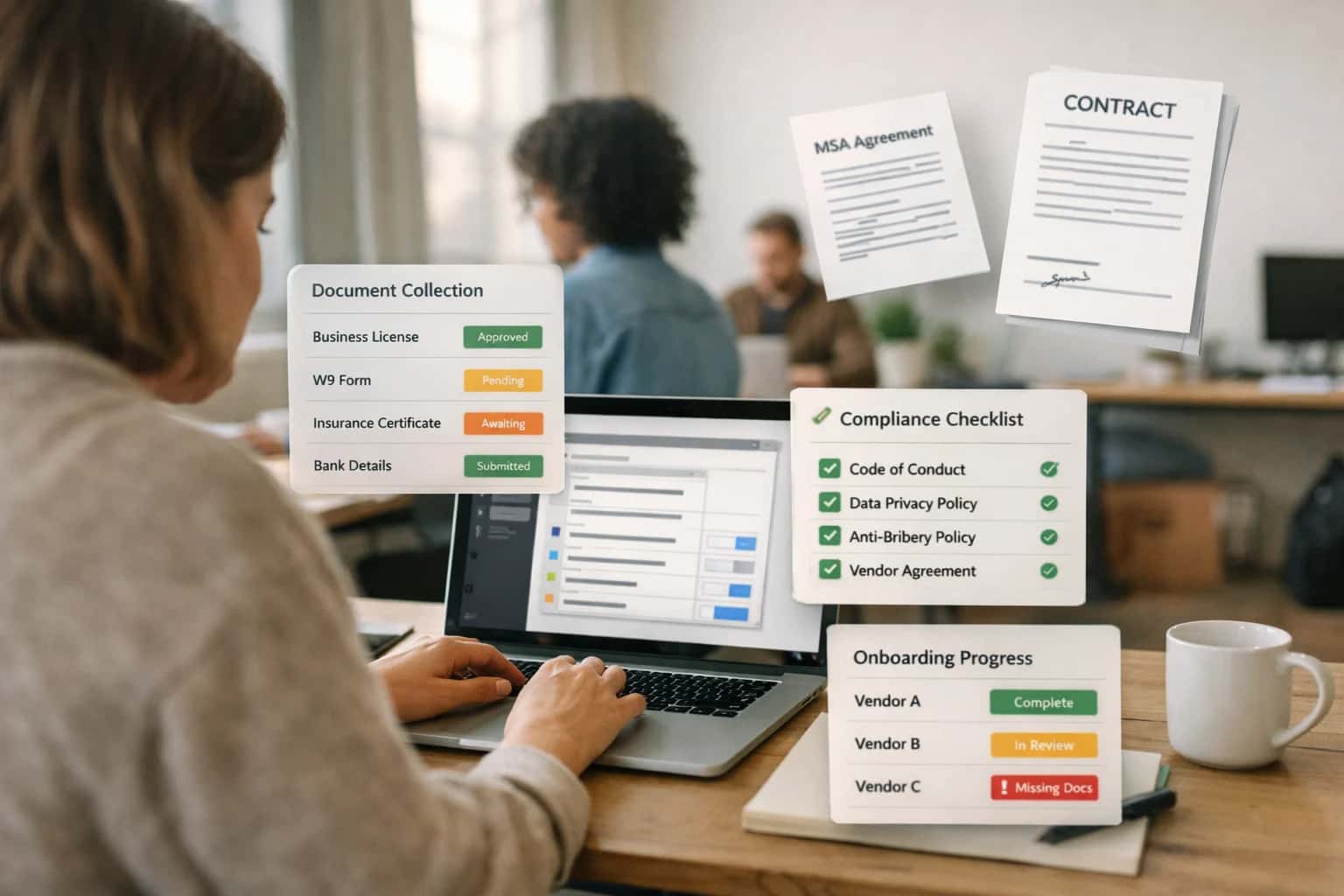
Operations team reviewing AI vendor onboarding platform on laptop, forms and contracts visible, casual office workspace.
ARCHITECTURE AND OPERATIONAL IMPACT

Where AI Connects Digital Twins and EAM Systems

A practical guide to building a connected intelligence layer between digital twin platforms and core EAM systems like IBM Maximo, SAP EAM, or Infor EAM.

The integration point is a bidirectional data pipeline that synchronizes the EAM's asset master data, work order history, and sensor readings with the digital twin's simulation environment. This typically involves:

  • EAM to Twin: Streaming asset hierarchies, maintenance logs, and real-time condition data (via APIs like Maximo's REST API or SAP's OData services) to update the twin's virtual model.
  • Twin to EAM: Pushing AI-generated predictions and prescriptive actions—such as a recommended maintenance task or an optimized operating parameter—back into the EAM as a work order request, notification, or a forecasted failure alert for planner review.


In practice, AI models running within or alongside the digital twin consume this federated data to perform living simulations. For a combined cycle power plant, this might mean an AI agent simulates the impact of a degrading turbine blade on overall plant efficiency and remaining useful life. The agent then prescribes a specific maintenance action, which is formatted as a draft work order with recommended parts, tools, and a time window, and pushed into the EAM's scheduling queue. This closes the loop from simulation to execution, allowing planners to evaluate and schedule the AI's recommendation within their familiar SAP PM order or Maximo work order interface.

Rollout requires a phased approach, starting with a single asset class or production line to validate the data synchronization and AI recommendation accuracy. Governance is critical: all AI-generated work proposals should be logged in an audit trail linked to the source simulation data, and a human-in-the-loop approval step should be configured in the EAM workflow before any automated work order creation. This ensures engineers and planners retain oversight while gaining the predictive power of the digital twin. The result is not a replacement of the EAM, but an intelligent augmentation that turns static asset records into a dynamic, simulation-driven planning engine.

ARCHITECTURE PATTERNS

Integration Touchpoints: EAM Data to Twin Simulation

Core EAM Data for Twin Initialization

The digital twin's foundation is a living asset hierarchy and work history. This integration surface pulls master data and transactional records from the EAM to establish the twin's baseline state and historical context.

Key Data Objects:

  • Asset Master Records: Serialized equipment with critical attributes (model, installation date, OEM specs).
  • Work Order History: Past corrective, preventive, and predictive maintenance actions, including labor, parts, and downtime durations.
  • Failure Codes & Symptoms: Standardized reason codes and free-text descriptions that train the twin's failure mode recognition.

Integration Pattern: A scheduled or event-driven sync (via REST API or middleware) extracts this data, often requiring joins across EAM tables to build a complete asset timeline. This data populates the twin's knowledge graph and provides the training corpus for predictive models.

INTEGRATION PATTERNS

High-Value AI Use Cases for EAM-Enabled Digital Twins

Connecting your Enterprise Asset Management (EAM) system to a digital twin platform creates a living simulation. These cards detail practical AI workflows that bridge the two, turning simulation into actionable maintenance and operational intelligence.

01

Predictive Failure Simulation

AI models analyze real-time IoT sensor streams and historical EAM work order data to predict asset failures. These predictions are injected into the digital twin to simulate failure progression, visualize impact on connected systems, and automatically generate prescriptive work orders in the EAM (e.g., Maximo, SAP EAM) with recommended parts and procedures.

Batch -> Real-time
Prediction Cadence
02

Maintenance Scenario Optimization

Use the digital twin as a sandbox for AI-driven "what-if" analysis. Test different maintenance schedules, resource allocations, and shutdown sequences against simulated operational constraints. The AI evaluates outcomes for cost, downtime, and risk, then pushes the optimized plan back to the EAM's scheduling module for execution.

1 sprint
Plan Validation Time
03

Automated Twin Synchronization

AI agents monitor the EAM for critical state changes—new assets, completed work orders, updated inspection results—and automatically trigger updates to the digital twin's geometry, properties, and health scores. This maintains a 'single source of truth,' ensuring simulations are grounded in the latest operational reality from systems like Infor EAM or Asset Panda.

Same day
Data Latency
04

Anomaly Detection in Twin Telemetry

Apply unsupervised learning to the vast telemetry data within the digital twin environment itself. AI identifies subtle deviations in simulated asset behavior or system interactions that human operators might miss, creating prioritized alerts and linked investigation tickets directly in the connected EAM system for field validation.

05

Procedural Guidance for Technicians

When a work order is dispatched from the EAM, an AI agent retrieves the relevant 3D model view and historical data from the digital twin. It generates a step-by-step interactive guide for the technician's mobile device, overlaying part locations, torque specs, and past failure imagery from the twin's context onto the physical asset.

Hours -> Minutes
Procedure Access
06

Regulatory Compliance Simulation

For assets with strict safety or environmental compliance calendars (e.g., pressure vessels, emissions controls), AI uses the digital twin to simulate the impact of deferred inspections or maintenance. It forecasts compliance risk and automatically adjusts priority codes and due dates in the EAM's compliance tracking modules, ensuring proactive management.

DIGITAL TWIN TO EAM AUTOMATION

Example AI-Driven Workflows: From Simulation to Work Order

These workflows illustrate how AI bridges the simulation environment of a digital twin platform (like Siemens Xcelerator, GE Digital, or PTC) with the operational reality of your EAM system (IBM Maximo, SAP EAM). Each flow turns predictive insights into executable actions.

Trigger: AI model monitoring the digital twin detects a deviation from expected performance (e.g., a pump's simulated efficiency drops 8% below its digital counterpart).

Context Pulled: The agent retrieves the asset's EAM record (from Maximo/SAP) for context: last maintenance date, failure history, criticality rating, and available technicians.

Agent Action: The AI evaluates the anomaly against historical failure patterns. It determines this is a precursor to seal failure (85% confidence) and prescribes a specific inspection and replacement procedure, referencing the asset's maintenance manual.

System Update: The agent uses the EAM API to create a corrective work order with:

  • Priority level (based on asset criticality)
  • Recommended procedure and estimated duration
  • Required parts (linked from inventory)
  • Suggested technician skill code

Human Review Point: The work order is created in a "Pending Engineering Review" status and routed via the EAM's workflow to the appropriate planner for final approval and scheduling.

CONNECTING THE DIGITAL THREAD

Implementation Architecture: Data Flow, APIs, and the AI Layer

A practical architecture for integrating AI-powered digital twins with core EAM systems like IBM Maximo and SAP EAM.

The integration architecture connects three primary layers: the EAM system of record, the AI & simulation layer, and the digital twin platform. Data flows bi-directionally via secure APIs. From the EAM (e.g., Maximo, SAP EAM), we extract a real-time feed of asset master data, work order history, sensor readings (if connected via IoT), and failure codes. This data populates and updates the digital twin's virtual model. The AI layer, often hosted on cloud infrastructure like Azure ML or AWS SageMaker, consumes this federated data to run predictive simulations, prescriptive maintenance scenarios, and "what-if" analyses within the twin environment.

Key integration points are the EAM's Asset and Work Order APIs. For example, when the AI model in the digital twin predicts a high probability of bearing failure on a critical pump in 14 days, it doesn't just display an alert. It automatically calls the MXAPI or SAP OData service to create a preliminary work order in the EAM with a recommended procedure, linked to the specific asset record. Conversely, when a technician completes a work order in the EAM, the closure status and findings are pushed back to the twin via webhook, updating the simulation's historical data and refining future AI predictions. This creates a closed-loop learning system.

Governance and rollout require careful orchestration. We typically implement this in phases, starting with a read-only phase where the twin visualizes EAM data and AI runs in a sandbox. The prescriptive phase introduces automated work order creation but routes them through a human-in-the-loop approval queue in the EAM (e.g., Maximo's workflow engine) before they become active. Finally, the autonomous phase enables direct, audited creation of low-risk, routine work orders. All AI-driven actions are logged with traceability back to the model version and input data, ensuring compliance and allowing for continuous model evaluation and retraining.

INTEGRATION PATTERNS

Code and Payload Examples

Triggering Twin Updates from EAM Events

When a work order is completed in your EAM system, the digital twin should reflect the updated asset state. This pattern uses a webhook from the EAM to trigger a simulation update in the twin platform.

Example Workflow:

  1. EAM (e.g., Maximo) generates a WORKORDER.CLOSE event.
  2. Webhook payload is sent to an integration service.
  3. Service calls the twin platform's API to update the asset's lastMaintenanceDate and healthScore.
  4. Twin platform re-runs predictive simulations for related systems.
python
# Example: Webhook handler to sync EAM closure to a digital twin
import requests

def handle_eam_webhook(payload):
    """Process a work order closure from Maximo."""
    workorder_id = payload['workorder']['wonum']
    asset_id = payload['workorder']['assetnum']
    completion_date = payload['workorder']['statusdate']
    
    # Fetch updated asset health metrics from internal AI service
    health_payload = {
        "asset_id": asset_id,
        "workorder_data": payload
    }
    ai_response = requests.post('https://ai-service/internal/health-score', json=health_payload)
    new_health_score = ai_response.json().get('predicted_health_score', 0.95)
    
    # Update the digital twin via its API
    twin_update = {
        "assetId": asset_id,
        "properties": {
            "lastMaintenance": completion_date,
            "operationalHealthIndex": new_health_score
        },
        "triggerSimulation": "systemStability"  # Flags the twin to run a new simulation
    }
    twin_response = requests.patch('https://twin-platform/api/v1/assets/update', json=twin_update)
    return twin_response.status_code
DIGITAL TWIN + EAM INTEGRATION

Realistic Operational Impact and Time Savings

How connecting AI-driven digital twins to your EAM system transforms asset operations from reactive to predictive, creating measurable efficiency gains.

Operational WorkflowBefore AI IntegrationAfter AI IntegrationImplementation Notes

Scenario Simulation for Maintenance Planning

Manual analysis of historical data; planning based on static schedules (weeks)

AI runs what-if scenarios in the digital twin; recommends optimized plans (hours)

Requires historical EAM data sync and calibrated twin models

Failure Prediction & Alert Generation

Relies on scheduled inspections or breakdowns; alerts are reactive

AI analyzes twin sensor data, predicts failures days/weeks ahead; auto-creates EAM work orders

Integrates IoT streams with the twin; creates high-priority alerts in EAM

Root Cause Investigation

Manual review of work orders, logs, and technician notes (days)

AI correlates twin simulation data with EAM history; suggests probable causes (minutes)

Builds a knowledge graph linking failure modes, parts, and procedures

Spare Parts Requirement Forecasting

Manual inventory checks and experience-based ordering; risk of stockouts or overstock

AI uses twin's predicted failure scenarios to forecast part demand; triggers EAM procurement

Links digital twin BOM data to EAM inventory and vendor modules

Regulatory Compliance & Reporting

Manual compilation of inspection data and report drafting for audits (weeks)

AI monitors twin against compliance thresholds; auto-generates audit-ready reports from EAM data

Configurable rules engine maps twin parameters to regulatory standards

Capital Planning & Lifecycle Analysis

Spreadsheet-based analysis using historical EAM cost data; annual process

AI simulates lifecycle scenarios in the twin; provides ROI forecasts for replacement/repair

Feeds EAM cost, depreciation, and performance data into twin models

Operator & Technician Guidance

Static manuals and procedures; troubleshooting relies on tribal knowledge

AI uses the live twin to generate context-aware, step-by-step guidance pushed to mobile EAM

Requires integration with EAM mobile interface or technician copilot

ARCHITECTING FOR PRODUCTION

Governance, Security, and Phased Rollout

A digital twin integration requires a deliberate approach to data governance, secure system-to-system communication, and controlled deployment to manage risk and demonstrate value.

Governance starts with defining the data contract between the EAM and the digital twin platform. This involves mapping critical asset hierarchies, work order history, sensor telemetry streams, and failure modes from systems like IBM Maximo or SAP EAM into the twin's simulation environment. AI models must be trained on a consistent, versioned snapshot of this data, with clear lineage back to the source system of record. Access controls and audit trails from the EAM (e.g., Maximo's security groups) should inform who can trigger simulations or view prescriptive maintenance outputs within the twin, ensuring compliance with operational technology (OT) security policies.

Security is multi-layered. The integration architecture typically uses a secure middleware layer (like an API gateway or event bus) to broker communication. EAM data is never directly exposed to external AI services. Instead, anonymized or aggregated feature sets are passed to inference endpoints, and results—like a predicted failure probability or optimized maintenance schedule—are written back to a staging area within the EAM for review. All prompts, model inputs, and simulation parameters should be logged to a dedicated audit index to support explainability and compliance reviews, especially in regulated industries like utilities or pharmaceuticals.

A phased rollout mitigates risk and builds organizational trust. Phase 1 often targets a single, non-critical asset class (e.g., HVAC units in a facility) to validate the data pipeline, simulation accuracy, and the usability of AI-prescribed actions within the EAM work order module. Phase 2 expands to a critical production line or fleet, integrating real-time IoT feeds and enabling conditional logic where high-confidence AI recommendations auto-create low-priority work orders. Phase 3 scales the integration, embedding the twin's simulation console directly into planner and reliability engineer workflows, with AI acting as a co-pilot for scenario planning and capital budgeting. Each phase includes defined success metrics, such as reduction in unplanned downtime for targeted assets or improvement in mean time to repair, measured within the EAM's own reporting surfaces.

IMPLEMENTATION BLUEPRINTS

Frequently Asked Questions

Practical questions and workflow blueprints for integrating AI with digital twin platforms using data from your Enterprise Asset Management (EAM) system.

This workflow creates a closed-loop system where the twin's predictions trigger executable work in the EAM.

  1. Trigger: The digital twin's AI model predicts a high-probability failure (e.g., a pump bearing) within the next 7-14 days.
  2. Context/Data Pulled: The AI agent retrieves the asset's ID, recommended maintenance procedure, required parts (from the EAM's Bill of Materials), and estimated labor hours from the twin's analysis.
  3. Model/Agent Action: The agent uses the EAM's REST API (e.g., POST /api/workorders) to create a preventive work order. It populates fields like:
    • description: "AI-Prescribed: Replace bearing on Pump P-101A based on digital twin vibration analysis."
    • priority: Calculated based on asset criticality from the EAM.
    • requiredByDate: Suggests a date 3 days before the predicted failure.
    • tasks: Attaches the standard procedure and required tool list.
  4. System Update: The work order is routed to the appropriate planner or scheduler within the EAM. The digital twin's interface is updated to show a "Prescribed Work Order Created" status, linking directly to the EAM record.
  5. Human Review Point: The planner reviews the AI-generated work order, adjusts timing or resources if needed, and approves it for scheduling. The AI agent can be configured to only suggest work orders above a certain confidence threshold, requiring planner approval for all creations.
Prasad Kumkar

About the author

Prasad Kumkar

CEO & MD, Inference Systems

Prasad Kumkar is the CEO & MD of Inference Systems and writes about AI systems architecture, LLM infrastructure, model serving, evaluation, and production deployment. Over 5+ years, he has worked across computer vision models, L5 autonomous vehicle systems, and LLM research, with a focus on taking complex AI ideas into real-world engineering systems.

His work and writing cover AI systems, large language models, AI agents, multimodal systems, autonomous systems, inference optimization, RAG, evaluation, and production AI engineering.


