AI integration for dental telehealth focuses on three primary connection points within the virtual care workflow: the patient intake surface, the live consultation layer, and the post-visit data sync. Before a virtual consult, an AI agent can pre-screen patients via a chatbot on your website or patient portal, collecting chief complaints, medical history updates, and insurance information. This data is validated and written back to fields in the PMS (like Dentrix or Open Dental) via their API, pre-populating the patient chart for the dentist. During the live video visit on platforms like Doxy.me or Teledentix, an AI copilot can run in the background, offering real-time clinical decision support—such as pulling up the patient's last radiographic findings from the imaging module or checking for drug interactions based on the updated health history.

Integration
AI Integration for Dental Telehealth Platforms
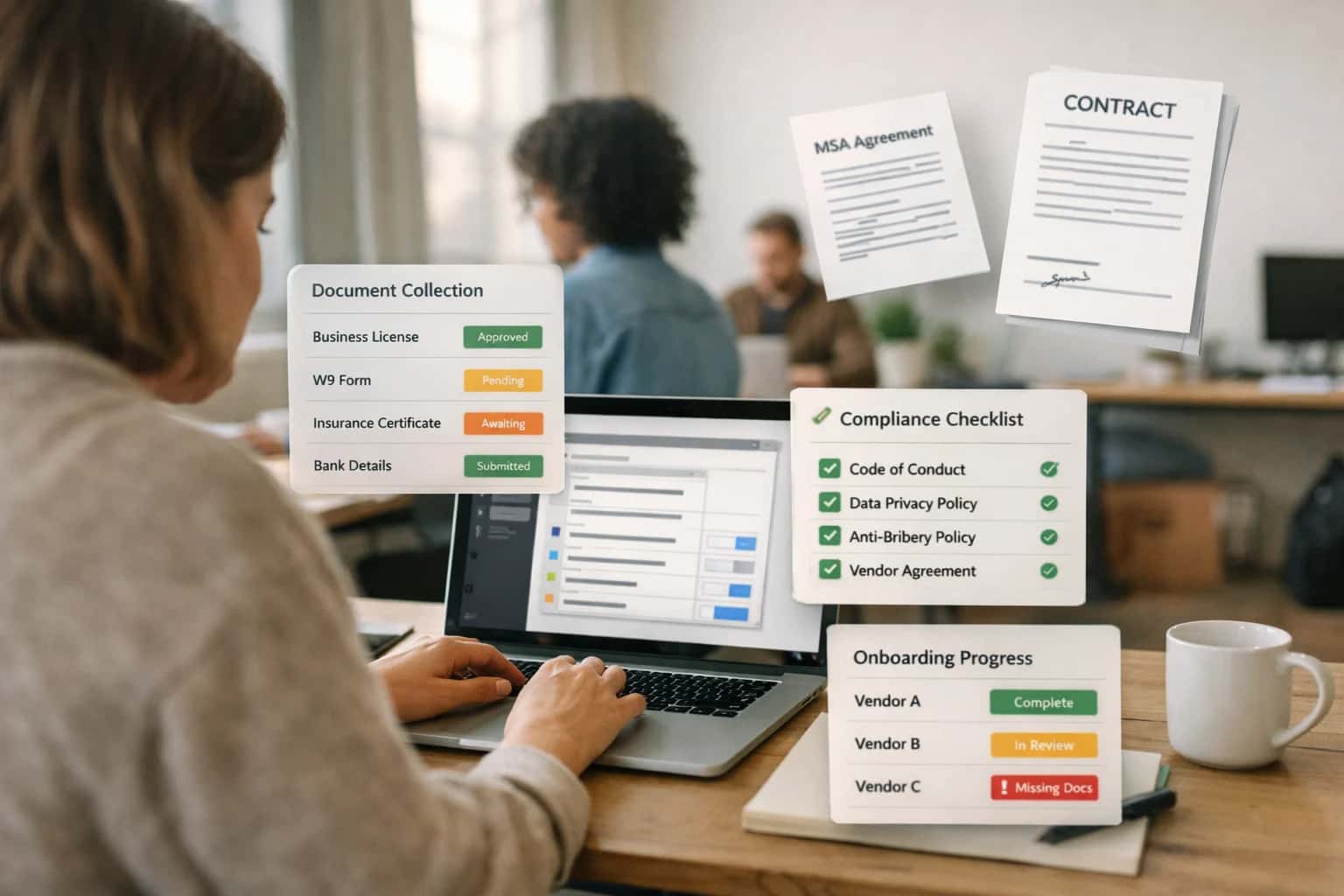
Where AI Fits into Dental Telehealth Workflows
Integrating AI into dental telehealth platforms creates a hybrid care model that extends clinical reach and automates administrative overhead, all while keeping the practice management system (PMS) as the single source of truth.
The most critical integration is the post-consultation workflow. AI can listen to the dentist-patient dialogue (with consent) and automatically generate a structured SOAP note or visit summary. This note is then routed as a draft into the PMS's clinical documentation module for dentist review and signature. Simultaneously, AI can trigger follow-up actions: if a follow-up in-person procedure is recommended, it can check the PMS for the next available appointment slot and send a booking link to the patient. If a prescription is discussed, it can populate an e-prescription workflow. All these actions are logged as audit trails within the PMS to maintain a complete record. This turns a 15-minute telehealth visit from a data-entry task into a clinically productive, billable encounter with minimal administrative drag.
Rolling out this integration requires a phased, governance-first approach. Start with a pilot on non-clinical workflows, like AI-powered intake and scheduling, to build trust and iron out API connectivity with your PMS. Phase two introduces clinical support tools during the consult, operating in an "assistive mode" where all outputs require dentist approval before being committed to the patient record. A key technical pattern is to use your PMS as the orchestration hub; the AI service should act as a stateless agent that is called via webhooks from the telehealth platform or patient portal, performs its task (e.g., summarization, coding), and returns a structured payload (like a JSON object) for the PMS to ingest. This keeps sensitive PHI within your controlled systems and uses the PMS's native security and user permissions. For practices using cloud-native PMS like Curve Dental, this can be implemented as a secure, scalable microservice. For on-premise systems like Eaglesoft, it may involve a lightweight middleware layer that bridges the clinic's network to cloud AI services.
Governance is non-negotiable. Any AI integration must be designed with HIPAA-compliant data flows, explicit patient consent for audio processing, and clear boundaries for AI suggestions versus dentist decisions. The AI should never autonomously update clinical notes or treatment plans; it should only propose drafts. Furthermore, the integration should include continuous monitoring to track metrics like time saved per visit, reduction in post-visit charting time, and patient satisfaction scores, feeding this data back into the PMS's reporting module. This closed-loop approach ensures the AI system is delivering tangible operational value and can be refined based on real practice data. For a deeper dive into the technical patterns for connecting AI services to dental PMS APIs, see our guide on Dental Practice Management API Integration.
Key Integration Surfaces in the Telehealth Stack
Virtual Visit Scheduling & Pre-Visit Intake
AI integrates with the dental PMS scheduling module to manage virtual appointment slots, provider availability, and required pre-visit documentation. Key workflows include:
- Intelligent Scheduling: An AI agent reviews the PMS schedule to suggest optimal telehealth slots based on provider specialty, procedure type (e.g., consultation vs. post-op), and patient time zone.
- Automated Intake Forms: Trigger personalized digital forms (medical history, chief complaint, insurance) upon booking, using the PMS patient record to pre-fill known data.
- Document Pre-processing: Use OCR and NLP to extract data from uploaded insurance cards or patient IDs, updating the PMS record before the virtual visit begins.
This surface reduces front-desk data entry and ensures the provider has complete information at the start of the consult.
High-Value AI Use Cases for Dental Telehealth
Integrating AI into dental telehealth workflows bridges the gap between virtual consultations and your practice management system (PMS). These patterns show where intelligence can be injected to automate intake, enhance clinical assessments, and ensure seamless data flow back to the patient chart.
Intelligent Virtual Triage & Scheduling
An AI agent on your telehealth platform conducts the initial patient interview, asking symptom-specific questions to classify urgency (e.g., pain, swelling, broken tooth). It then checks real-time provider availability in your PMS (Dentrix, Eaglesoft, etc.) and books the appropriate appointment type—emergency slot, hygiene visit, or new patient exam—directly into the schedule.
AI-Powered Pre-Visit Documentation
Before a virtual consult, the AI reviews the patient's PMS chart for history, allergies, and past treatments. It then pre-fills the clinical note template with relevant data and generates specific questions for the dentist based on the chief complaint. This gives the provider a head start, turning the video call into a focused assessment rather than data entry.
Visual Symptom Analysis & Triage
Patients upload photos or short videos of their concern via the telehealth portal. A vision AI model analyzes the imagery for common issues—cracked restorations, soft tissue lesions, or swelling—providing a preliminary, non-diagnostic assessment to the dentist. Findings and tagged images are appended to the SOAP note in the PMS after the visit for a complete record.
Automated Post-Op Follow-Up & Compliance
After procedures like extractions or implants, an AI workflow triggers personalized check-in messages via the patient portal or SMS. It asks about pain, bleeding, or swelling, using NLP to classify responses as 'normal' or 'escalate'. Normal replies log a positive follow-up in the PMS; concerning replies automatically create a task for the clinical team to call the patient.
Treatment Plan Presentation & Acceptance
During a virtual consultation, the dentist discusses a proposed treatment. The AI integration listens (with consent) or uses the note to generate a personalized patient education summary, including a visual breakdown of procedures, benefits, and a cost estimate pulled from the PMS fee schedule. This document is instantly sent to the patient's portal and attached to their chart, streamlining case acceptance.
Telehealth-to-PMS Data Sync Orchestration
This backend integration pattern ensures all telehealth activity updates the system of record. It uses secure webhooks to listen for visit completion events, then structures and pushes key data—consult notes, diagnosis codes, recommended treatments, and follow-up tasks—into the correct modules of your PMS (e.g., Open Dental clinical notes, Curve Dental treatment plan). This eliminates double-charting and maintains a single source of truth. Learn more about foundational PMS API integration patterns.
Example AI-Augmented Telehealth Workflows
These workflows illustrate how AI agents can be integrated with your dental telehealth platform and PMS to automate virtual consultations, enhance patient assessments, and ensure clinical data flows seamlessly back into the patient chart.
Trigger: Patient initiates a telehealth consultation request via the platform's portal or mobile app.
Context Pulled: AI agent retrieves the patient's basic record from the PMS (Dentrix, Eaglesoft, etc.) via API, including last visit date, known allergies, and existing treatment plans.
Agent Action: A conversational AI conducts a structured intake interview, asking about symptoms (e.g., tooth pain location, sensitivity, swelling), duration, and recent trauma. It uses NLP to classify urgency (e.g., emergency, routine).
System Update: The AI creates a preliminary "Telehealth Encounter" note in the PMS, populating the Chief Complaint and Subjective sections. It flags the appointment in the scheduler for immediate staff review and can suggest a recommended appointment type (e.g., "Emergency Exam," "Consult") and time buffer.
Human Review Point: The AI's urgency classification and preliminary note are presented to a scheduling coordinator or hygienist for final confirmation before the virtual visit is officially booked.
Implementation Architecture: Data Flow & APIs
A secure, event-driven architecture to inject AI into virtual dental consultations without disrupting core PMS operations.
The integration connects at two primary points: the telehealth platform's API (e.g., Doxy.me, Zoom for Healthcare) and the dental PMS API (Dentrix, Eaglesoft, Open Dental, Curve). A central orchestration service listens for webhook events like consultation.started or recording.available from the telehealth system. It then fetches relevant patient context—medical history, recent X-rays, insurance details—from the PMS via its REST or SOAP API, using the patient ID or chart number as the key. This context is passed to the AI layer for real-time support during the visit or for post-visit summarization.
Post-consultation, the AI service processes the visit recording or clinician notes to generate a structured summary. This summary, along with any recommended follow-up codes (D0140, D0150) or suggested next appointments, is formatted into a payload and posted back to the PMS. It creates a new progress note in the patient's chart and can trigger automated workflows in the PMS, such as scheduling a follow-up hygiene appointment or sending a post-op care instruction packet via the patient portal. All data flows are encrypted in transit, and PHI is never persisted in the AI service longer than needed for processing.
Rollout follows a phased, provider-specific approach. Start by enabling AI for post-op follow-up virtual checks, where the workflow is standardized and low-risk. Use the telehealth platform's webhook sandbox and a test patient in the PMS to validate the data mapping and note creation. Governance is critical: all AI-generated clinical notes must be flagged for dentist review and sign-off within the PMS before being considered final. Audit logs track every data access between systems, ensuring compliance with HIPAA's Minimum Necessary Standard and providing a clear lineage for every AI-assisted note added to the patient record.
Code & Payload Examples
Handling Telehealth Platform Events
When a patient completes a virtual consultation on a platform like Doxy.me or Teladoc, a webhook payload is sent to your orchestration service. This handler validates the event, fetches the visit transcript or summary via the telehealth API, and initiates the sync to the PMS.
pythonimport requests from your_app.integrations.dental_pms import DentrixClient def handle_telehealth_webhook(payload): """Process a completed telehealth visit.""" # Validate webhook signature & payload visit_id = payload['visit_id'] patient_external_id = payload['patient']['external_id'] # Fetch visit details from telehealth API telehealth_api_response = requests.get( f"https://api.telehealthplatform.com/visits/{visit_id}/summary", headers={"Authorization": f"Bearer {TELEHEALTH_API_KEY}"} ).json() clinical_summary = telehealth_api_response['clinical_notes'] diagnosis_codes = telehealth_api_response.get('diagnosis_codes', []) # Prepare payload for PMS charting module pms_payload = { "patient_id": patient_external_id, "visit_date": payload['completed_at'], "procedure_type": "D0999", # Unspecified teledentistry code "clinical_note": clinical_summary, "diagnosis_codes": diagnosis_codes, "attending_provider": payload['provider']['name'], "source_system": "Telehealth_Platform" } # Sync to PMS (e.g., Dentrix) pms_client = DentrixClient() result = pms_client.add_clinical_note(pms_payload) return {"status": "success", "pms_note_id": result['note_id']}
Realistic Time Savings & Operational Impact
How integrating AI with your dental PMS transforms telehealth from a basic video call into an intelligent clinical workflow, saving time and improving patient care.
| Metric | Before AI | After AI | Notes |
|---|---|---|---|
Virtual Consultation Intake | Manual form review & data entry | AI auto-populates patient chart from intake | Reduces front-desk prep from 15 to 2 minutes per consult |
Pre-Visit Triage & Routing | Staff manually reviews chief complaint | AI scores urgency & suggests provider type | Ensures emergent cases are seen same-day |
Clinical Note Drafting | Dentist dictates or types notes post-call | AI generates SOAP note draft from transcript | Cuts documentation time from 10 to 2 minutes post-visit |
Post-Op Follow-Up Scheduling | Manual calls or portal messages | AI triggers personalized check-in based on procedure | Automates 80% of routine post-op communications |
Treatment Plan Presentation | Manual creation after in-person exam | AI drafts initial plan with visuals from virtual consult | Enables case presentation during the same telehealth visit |
Insurance Pre-Verification | Staff runs eligibility after visit is booked | AI triggers real-time check during consult scheduling | Prevents surprises, reduces claim denials for virtual services |
Visit Summary for Patient | Generic after-visit instructions | AI generates personalized home-care guide | Improves patient adherence and satisfaction scores |
Data Sync to PMS Chart | Manual copy/paste or delayed entry | AI structures & pushes data to correct fields via API | Ensures chart is updated in real-time, zero lag for in-office follow-up |
Governance, Compliance & Phased Rollout
Integrating AI into patient-facing telehealth requires a structured approach to security, compliance, and user adoption.
A production integration for dental telehealth must be architected with HIPAA compliance as a first principle. This means all AI processing for patient data—including video, audio, and transcribed notes—must occur within a BAA-covered environment. The integration layer acts as a secure broker: it listens for events from your telehealth platform (e.g., a consultation completion webhook from Doxy.me or Teladoc), fetches the associated patient record from the PMS via its API using a scoped service account, and sends only de-identified or securely tokenized data to the AI service for summarization. The resulting clinical note is then written back to the specific patient chart in Dentrix, Eaglesoft, or Open Dental, with a full audit trail logging the AI's actions, the user who approved the note, and any edits made.
Rollout should follow a phased, risk-managed path. Phase 1 begins with non-clinical automation, such as AI-driven post-visit SMS check-ins or automated intake form summarization, which have lower regulatory risk. Phase 2 introduces clinical support in a "copilot" mode, where AI drafts SOAP notes from the telehealth session transcript for hygienist or dentist review and sign-off within the PMS interface before final charting. Phase 3, enabled by confidence scoring and human-in-the-loop validation, allows for automated charting of routine follow-up visits, freeing clinicians to focus on complex cases. Each phase includes specific guardrails: role-based access controls (RBAC) to limit which providers can use AI-generated notes, mandatory review steps for certain procedure codes, and continuous monitoring for drift in note quality or clinical coding accuracy.
Governance is continuous. Establish a clinical review committee—including lead dentists and compliance officers—to regularly audit AI-generated notes against practice standards. Use the AI system's own explainability features to highlight which parts of a transcript influenced the note summary. This controlled, incremental approach de-risks the integration, builds trust with clinical staff, and ensures the AI augments—rather than disrupts—the standard of care. For a deeper technical blueprint, see our guide on AI Integration for Dental Practice Management API.
Enabling Efficiency, Speed & Accuracy
Intelligent Analysis, Decision & Execution
We build AI systems for teams that need search across company data, workflow automation across tools, or AI features inside products and internal software.
Talk to Us
Search across company data
Give teams answers from docs, tickets, runbooks, and product data with sources and permissions.
Useful when people spend too long searching or get different answers from different systems.

Automate internal workflows
Use AI to route work, draft outputs, trigger actions, and keep approvals and logs in place.
Useful when repetitive work moves across multiple tools and teams.

Add AI to products and internal tools
Build assistants, guided actions, or decision support into the software your team or customers already use.
Useful when AI needs to be part of the product, not a separate tool.
Frequently Asked Questions (FAQ)
Common questions about architecting and implementing AI-powered telehealth capabilities that integrate directly with your dental practice management system (PMS) for virtual consultations, assessments, and follow-ups.
The integration typically uses a middleware or agent layer that sits between your telehealth platform (e.g., Doxy.me, Zoom for Healthcare) and your PMS (e.g., Dentrix, Open Dental).
- Event Capture: The AI system listens for webhook events from the telehealth platform (e.g.,
visit.started,visit.ended). - Context Enrichment: Using the patient ID from the event, the agent pulls relevant context from the PMS via its API: recent clinical notes, health history, upcoming scheduled treatments.
- Real-Time Assistance: During the visit, AI can provide:
- Pre-visit summary for the dentist/hygienist.
- Live transcription & note-taking via speech-to-text.
- Clinical decision support (e.g., suggesting follow-up questions based on symptoms).
- Post-Visit Sync: After the visit, the AI agent processes the transcript and dentist's annotations to generate a structured SOAP note, which is pushed back into the patient's chart in the PMS via the
ClinicalNotesAPI endpoint. It can also trigger next steps like scheduling an in-person appointment or sending post-op instructions via the PMS's patient messaging module.

About the author
Prasad Kumkar
CEO & MD, Inference Systems
Prasad Kumkar is the CEO & MD of Inference Systems and writes about AI systems architecture, LLM infrastructure, model serving, evaluation, and production deployment. Over 5+ years, he has worked across computer vision models, L5 autonomous vehicle systems, and LLM research, with a focus on taking complex AI ideas into real-world engineering systems.
His work and writing cover AI systems, large language models, AI agents, multimodal systems, autonomous systems, inference optimization, RAG, evaluation, and production AI engineering.
Partnered with leading AI, data, and software stack.





How We Work
Custom AI workflows for your Business
One-fit-all AI don't work for modern businesses. At Inferensys, we aim to understand your business & custom requirements; which we use to define most efficient agentic workflows, the data, and the tools for your business.
01
Review the use case
We understand the task, the users, and where AI can actually help.
Read more02
Pick the right approach
We define what needs search, automation, or product integration.
Read more03
Build the first useful version
We implement the part that proves the value first.
Read more04
Improve from there
We add the checks and visibility needed to keep it useful.
Read moreThe first call is a practical review of your use case and the right next step.
Talk to Us