
Inferensys

Integration

AI Integration for Contract Management AI Copilot

Build a unified AI copilot that sits across Ironclad, Icertis, and Agiloft to assist with drafting, review, and querying from a single interface, accelerating contract cycles and reducing manual work.
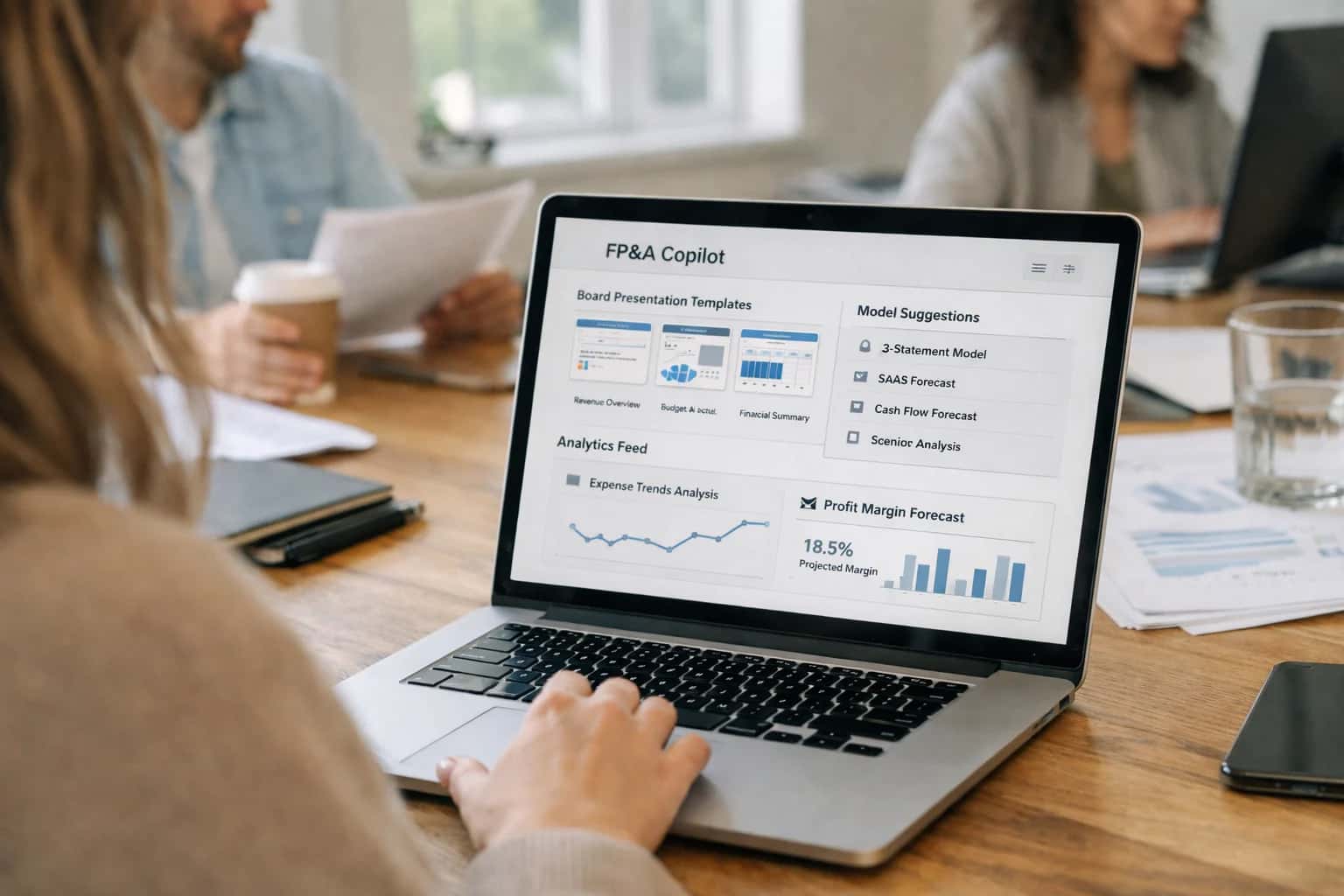
Finance professional using AI FP&A copilot on laptop, board presentation visible on screen, home office work session.
UNIFIED COPILOT ARCHITECTURE

A Single AI Interface for Multiple CLM Platforms

Build a single AI copilot that works across Ironclad, Icertis, and Agiloft, giving users a consistent interface for drafting, review, and querying without switching contexts.

Instead of building separate AI integrations for each CLM, you can deploy a unified AI layer that connects to multiple platforms via their public APIs. This copilot acts as a central interface where users—legal ops, sales, procurement—ask questions like "show me all auto-renewal clauses for Vendor X" or "draft an NDA using our Q4 playbook." The system routes these requests to the appropriate CLM's API (Ironclad's Workflow Engine, Icertis's AI Studio, Agiloft's configurable objects) to fetch contract data, execute workflows, or retrieve clause libraries. Key integration points include:

  • Contract & Clause Retrieval: Querying each CLM's search API or database for specific documents, metadata, and approved language.
  • Workflow Triggers: Initiating review processes, sending for signature, or creating obligation tasks within the native CLM.
  • Data Synchronization: Writing AI-extracted metadata (e.g., extracted dates, parties, risk scores) back to custom fields in each platform to keep systems in sync.


The technical architecture typically involves an API gateway that normalizes calls to each CLM's unique REST endpoints, a central RAG pipeline that ingests and indexes contract text from all sources into a unified vector store, and an orchestration layer (using tools like CrewAI or n8n) that manages multi-step workflows. For example, a "renewal forecast" request might:

  1. Pull a list of upcoming expiration dates from Icertis.
  2. Fetch the full contract text and historical correspondence from Ironclad for high-value deals.
  3. Analyze negotiation history from Agiloft's audit logs.
  4. Synthesize a single report with renewal risk scores and recommended actions.

This approach isolates the complexity of multi-platform integration from the end-user, who interacts with one chat interface or sidebar. Governance is centralized: you manage one set of prompts, one audit log for AI actions, and one human-in-the-loop review queue, regardless of which backend CLM is involved.

Rollout requires a phased, use-case-driven approach. Start by connecting the copilot to a single CLM for a high-volume, low-risk process like NDA intake, proving the data flow and user adoption. Then, expand to a second platform for a complementary workflow, such as obligation extraction from executed contracts. Key considerations include:

  • Authentication & RBAC: The copilot must respect each CLM's native user permissions and role-based access controls when fetching or writing data.
  • Idempotency & Error Handling: APIs calls must handle failures gracefully (e.g., if Agiloft is down, queue the request) to avoid data corruption.
  • Unified Grounding: Your RAG pipeline must clearly tag the source system for each retrieved chunk to allow the LLM to cite origins and to manage data residency requirements.

This pattern is ideal for enterprises undergoing M&A or with decentralized teams that adopted different CLM platforms, allowing them to gain enterprise-wide contract intelligence without a costly and disruptive platform consolidation project. For implementation patterns, see our guide on AI Integration for Contract Lifecycle Management Platforms.

ARCHITECTURE PATTERNS

Connecting the AI Copilot to CLM Platform APIs

Triggering AI Actions from CLM Workflows

CLM platforms expose APIs to initiate and control their native workflow engines. This is the primary surface for embedding an AI copilot into the contract lifecycle.

Key Integration Points:

  • Webhook Listeners: Configure the CLM (e.g., Ironclad's Workflow Engine, Agiloft's Triggers) to send contract events (document uploaded, review stage entered) to your AI service via HTTP POST.
  • Action Invocation: Use the CLM's API to create tasks, update metadata, or move contracts to the next stage based on AI analysis. For example, after an AI review completes, the API can auto-approve a low-risk NDA or route a complex MSA to a specific legal team.
  • Status Synchronization: The copilot must update custom fields (e.g., AI_Risk_Score, Extracted_Parties) using the platform's object API to make its analysis actionable within the native UI.

This API layer turns the AI from a passive analyzer into an active participant in the operational workflow.

UNIFIED INTELLIGENCE ACROSS IRONCLAD, ICERTIS, AGILOFT

High-Value Use Cases for a Cross-CLM AI Copilot

A cross-platform AI copilot provides a single interface for users to draft, review, and query contracts, regardless of the underlying CLM system. It unifies intelligence by connecting to each platform's APIs, grounding responses in your specific playbooks and repository data.

01

Unified Contract Q&A Across Repositories

Enable users to ask natural language questions like "Show me all auto-renewal clauses for Vendor X" across Ironclad, Icertis, and Agiloft repositories simultaneously. The copilot uses a RAG pipeline to retrieve relevant clauses and contract sections, providing grounded answers with citations, eliminating manual searches across multiple systems.

Batch -> Real-time
Discovery speed
02

Playbook-Guided Drafting Assistant

Assist sales or procurement teams in creating new agreements by referencing approved playbooks stored across different CLMs. The copilot suggests compliant clause language, pre-populates templates based on deal type (e.g., NDA, MSA, SOW), and flags missing required sections, ensuring consistency regardless of which platform initiates the draft.

1 sprint
Drafting time reduction
03

Centralized Risk & Obligation Triage

Surface high-risk terms and critical obligations from contracts in any connected CLM. The copilot analyzes new uploads or drafts, extracts obligations (e.g., reporting, insurance, milestones), scores clauses against risk playbooks, and creates summarized triage reports for legal review, centralizing oversight.

Hours -> Minutes
Initial review
04

Cross-Platform Workflow Orchestration

Orchestrate approval and signature workflows that span different CLM systems and external tools like Salesforce or ServiceNow. Based on AI analysis of contract type and value, the copilot can trigger the correct routing sequence in Ironclad, initiate a compliance check in Icertis, or post an update to a CRM record, acting as an intelligent workflow conductor.

Same day
Process coordination
05

Portfolio Analytics & Renewal Forecasting

Provide a consolidated view of contract health and financial exposure by aggregating metadata from all CLM platforms. The copilot can generate insights on renewal timelines, spend under management, clause trends, and vendor concentration, answering executive questions without manual data consolidation from each siloed system.

Batch -> Real-time
Reporting cadence
06

Negotiation Support & Redline Explanation

Act as a real-time negotiation aide during redlining sessions. The copilot can explain why a suggested edit deviates from the standard playbook (drawn from any CLM), propose alternative language, and track concession history across negotiation rounds, providing consistent guidance to negotiators using different platforms.

Hours -> Minutes
Feedback cycle
PRACTICAL IMPLEMENTATION PATTERNS

Example Cross-Platform AI Copilot Workflows

These workflows illustrate how a unified AI copilot can orchestrate actions across multiple CLM platforms (Ironclad, Icertis, Agiloft) and connected systems like Salesforce or SAP, providing a single pane of glass for contract drafting, review, and querying.

Trigger: A sales rep in Salesforce clicks 'Generate MSA' on an Opportunity record.

  1. Context Pull: The AI copilot uses the Salesforce API to fetch the account details, products, pricing, and any special terms from the Opportunity. It then queries the central clause library (which may be in Ironclad or a separate repository) for the latest approved playbook based on the customer's region and product type.
  2. Agent Action: An LLM agent, grounded in the playbook, assembles a first-draft Master Service Agreement. It populates the template with the deal-specific data, selects appropriate fallback clauses (e.g., liability caps, termination terms), and flags any required fields for legal input (e.g., unique indemnity language).
  3. System Update: The draft contract is pushed via API into the designated CLM platform (e.g., Ironclad) as a new contract request, automatically linked to the Salesforce Opportunity ID. The sales rep and legal ops receive a notification with a summary of key terms and any flagged items for review.
  4. Human Review Point: The draft is routed in the CLM to the appropriate legal reviewer. The AI copilot's interface remains accessible, allowing the reviewer to ask questions like "Why was this liability clause selected?" or "Show me similar past deals with this customer."
BUILDING THE COHERENT COPILOT

Implementation Architecture: Orchestration, RAG, and Tool Calling

A unified AI copilot for contract management requires a layered architecture that connects intelligence to action across disparate CLM platforms.

The core of the copilot is an orchestration layer—often built with frameworks like LangChain or Microsoft Semantic Kernel—that sits between the user interface (e.g., a chat widget embedded in Ironclad, Icertis, or Agiloft) and the underlying systems. This layer manages the user's intent, breaks down complex requests ("compare the liability clauses in our last five vendor MSAs") into steps, and calls the appropriate tools. These tools are API wrappers around each CLM platform's native functions: querying the Ironclad Workflow Engine, fetching a contract from Icertis's repository, or initiating an approval in Agiloft. The orchestration layer also handles session state, ensuring multi-turn conversations maintain context about the user, the active contract, and prior actions.

For knowledge-intensive tasks like answering questions about historical clauses or summarizing a contract's key risks, the architecture employs a Retrieval-Augmented Generation (RAG) pipeline. This involves creating a unified vector index from the contract repositories of all connected CLM platforms (Ironclad, Icertis, Agiloft). When a user asks a question, the copilot performs a semantic search against this index to retrieve the most relevant contract passages, clauses, or playbook entries. These "grounding" documents are then fed, along with the user's query, to a large language model (LLM) to generate a precise, sourced answer. This approach minimizes hallucinations and ensures the copilot's advice is based on your actual contract library, not generic knowledge.

The tool-calling capability is what transforms the copilot from a conversational search engine into an active assistant. After the LLM determines the user's intent requires an action—such as drafting a redline, creating an obligation task, or routing a contract for approval—it invokes a predefined tool via a structured API call. For example, a prompt like "flag this auto-renewal clause for Legal review" would trigger a tool that updates the contract's metadata in Icertis and creates a review task in the connected matter management system. This requires secure, well-documented APIs from each CLM platform and careful governance through human-in-the-loop approval steps for high-risk actions, with full audit trails logged back to the CLM.

Rollout typically starts with a read-only pilot, enabling the RAG-based Q&A function over a controlled set of contracts to build trust and accuracy. The tool-calling functions are then introduced in phases, beginning with low-risk, repetitive actions like populating metadata fields or generating first-pass summaries. A successful implementation hinges on integrating this architecture into the existing CLM data model—ensuring AI-generated tags, summaries, and tasks are stored as native objects (e.g., custom fields in Ironclad, records in Icertis) so they are visible within standard workflows and reports, not siloed in a separate AI interface.

BUILDING THE COPILOT BACKEND

Code and Payload Examples for Key Integration Points

Ingesting Contracts for Grounded Responses

The copilot's knowledge base is built by processing contracts from connected CLM platforms into a vector store. This pipeline typically runs as a background service, triggered by webhooks for new or updated contracts.

Key steps include:

  • Fetching Documents: Pulling PDFs or native contract text via the CLM's API (e.g., Ironclad's /contracts/{id}/document endpoint).
  • Chunking & Embedding: Splitting documents into semantically meaningful sections (e.g., by clause, page) and generating vector embeddings.
  • Metadata Tagging: Enriching each chunk with CLM system metadata (Contract ID, Parties, Effective Date, Status) for filtered retrieval.
python
# Example: Processing a new contract from a webhook
import requests
from langchain.text_splitter import RecursiveCharacterTextSplitter
from inference_systems_client import VectorStoreClient

def process_contract_webhook(contract_id, clm_platform="ironclad"):
    # 1. Fetch contract text from CLM API
    clm_api_key = os.environ[f"{clm_platform.upper()}_API_KEY"]
    doc_response = requests.get(
        f"https://api.{clm_platform}.com/v1/contracts/{contract_id}/document",
        headers={"Authorization": f"Bearer {clm_api_key}"}
    )
    contract_text = extract_text_from_pdf(doc_response.content)
    
    # 2. Split and prepare for embedding
    splitter = RecursiveCharacterTextSplitter(chunk_size=1000, chunk_overlap=200)
    chunks = splitter.split_text(contract_text)
    
    # 3. Store in vector DB with metadata
    vector_client = VectorStoreClient()
    for i, chunk in enumerate(chunks):
        vector_client.upsert(
            text=chunk,
            metadata={
                "contract_id": contract_id,
                "clm_platform": clm_platform,
                "chunk_index": i,
                "doc_type": "contract"
            }
        )
    return {"status": "processed", "chunks": len(chunks)}
AI COPILOT FOR CLM PLATFORMS

Realistic Time Savings and Operational Impact

Expected efficiency gains and operational improvements from deploying a unified AI copilot across Ironclad, Icertis, and Agiloft for drafting, review, and querying workflows.

Workflow / MetricBefore AI CopilotAfter AI CopilotImplementation Notes

Initial Contract Draft Creation

1-3 hours (template search, manual assembly)

15-30 minutes (AI-assisted assembly from playbook)

Copilot suggests clauses based on deal type, jurisdiction, and party data.

Standard NDA / Simple Agreement Review

45-90 minutes manual read

5-minute AI summary + 10-minute focused review

AI highlights deviations from standard playbook; legal retains final approval.

Complex MSA / Sales Contract Redlining

4-8 hours across multiple rounds

2-4 hours with AI redline suggestions

AI compares against fallback language, explains rationale for each suggested edit.

Obligation & Milestone Extraction

Manual tagging, 30-60 mins per contract

Automated extraction, 2-5 mins for AI processing

Extracted data populates CLM metadata fields and creates tracked tasks automatically.

Natural Language Contract Query

Manual repository search, may take hours

Instant RAG-powered answers with citations

Answers grounded in your specific contract library and playbooks to reduce hallucinations.

Contract Portfolio Risk Assessment

Quarterly manual sampling, limited scope

Continuous AI monitoring of active contracts

AI flags high-risk clauses (e.g., unlimited liability, unusual termination) for review.

Cross-Platform User Onboarding

Weeks to learn multiple CLM UIs and search

Single interface for query and draft initiation

Copilot provides a unified layer, reducing training time and context switching.

ARCHITECTING FOR ENTERPRISE CONTROL

Governance, Security, and Phased Rollout

A practical framework for deploying a cross-platform AI copilot with enterprise-grade controls and measurable adoption.

A unified copilot must operate within the existing governance perimeter of each CLM system. This means authenticating via the platform's native OAuth or API keys, respecting its role-based access controls (RBAC) for contracts and clauses, and logging all AI interactions back to the source system's audit trail. For Ironclad, Icertis, and Agiloft, the copilot acts as a middleware layer, calling their respective REST APIs to fetch contract context, post extracted metadata, or trigger approval workflows. Sensitive data like draft negotiation positions or financial terms never leaves the customer's controlled environment; AI inference can be routed through a private cloud or virtual private cloud endpoint.

A phased rollout is critical for adoption and risk management. Start with a read-only pilot focused on Q&A and summarization. Deploy the copilot to a small group of legal operations or procurement specialists, allowing them to ask natural language questions across the connected CLM repositories. This validates the RAG pipeline's accuracy and builds trust. Phase two introduces assistive drafting, where the copilot suggests clause language from approved playbooks within a specific platform like Ironclad's workflow editor. The final phase enables cross-platform workflow orchestration, where an AI agent in Agiloft can trigger a compliance check in Icertis based on a newly uploaded contract, with all actions gated by human-in-the-loop approvals for high-risk deviations.

Governance is codified in the tool-calling layer. Each AI action—extract, summarize, draft, route—is mapped to a permission set derived from the user's CLM roles. A procurement manager may only trigger obligation extraction for vendor contracts, while a corporate counsel can request risk analysis across all agreements. All AI-generated outputs, such as redline suggestions or summary bullet points, are visually watermarked as 'AI-assisted' within the CLM UI. A centralized audit log tracks the user, source contract, AI model version, prompt, and final output, creating a defensible record for compliance reviews and model performance tuning. This structured approach allows legal and security teams to scale AI assistance without ceding control over the contract lifecycle.

AI COPILOT FOR CONTRACT MANAGEMENT

FAQ: Technical and Commercial Considerations

Practical questions for teams evaluating a unified AI copilot across Ironclad, Icertis, and Agiloft.

The copilot uses a secure middleware layer with OAuth 2.0 or API key authentication for each CLM system (Ironclad, Icertis, Agiloft).

Typical architecture:

  1. A central orchestration service (often built with a framework like CrewAI or n8n) manages user sessions and queries.
  2. For each query, it calls the respective CLM's REST API (e.g., Ironclad's GraphQL API, Icertis Contract Intelligence API, Agiloft's SOAP/REST API) with strict role-based access controls (RBAC) enforced by the source system.
  3. Retrieved contract text and metadata are processed in a transient, secure environment. Data is never permanently stored in the copilot layer unless explicitly configured for caching, which would require encryption at rest.
  4. All interactions are logged with user IDs, timestamps, and accessed document IDs for a full audit trail. For highly sensitive data, you can implement a pattern where the copilot returns references or summaries, requiring the user to click through to the native CLM UI for full document access.

Key consideration: Ensure your API integration service accounts have the principle of least privilege, scoped only to the contract repositories and metadata fields necessary for the copilot's defined use cases.

Prasad Kumkar

About the author

Prasad Kumkar

CEO & MD, Inference Systems

Prasad Kumkar is the CEO & MD of Inference Systems and writes about AI systems architecture, LLM infrastructure, model serving, evaluation, and production deployment. Over 5+ years, he has worked across computer vision models, L5 autonomous vehicle systems, and LLM research, with a focus on taking complex AI ideas into real-world engineering systems.

His work and writing cover AI systems, large language models, AI agents, multimodal systems, autonomous systems, inference optimization, RAG, evaluation, and production AI engineering.


