In civil projects—building roads, bridges, utilities, and railways—AI connects to three critical surfaces within platforms like Procore and Autodesk Build: the schedule module for linear scheduling (e.g., Primavera P6 or MS Project imports), the documents tool for managing permits, environmental assessments, and agency submittals, and the daily logs/field reports for tracking equipment usage, material deliveries, and crew productivity. The integration point is often the platform's API, which can trigger AI agents to analyze schedule dependencies across miles of workfront, extract compliance clauses from thousands of pages of regulatory PDFs, or correlate equipment telematics data from Samsara or Trimble with logged field activities.

Integration
AI for Construction in Civil Infrastructure
Tailored AI integration strategies for heavy civil and infrastructure projects, focusing on linear scheduling, regulatory documentation, and equipment-intensive workflows within Procore, Autodesk Build, and Fieldwire.
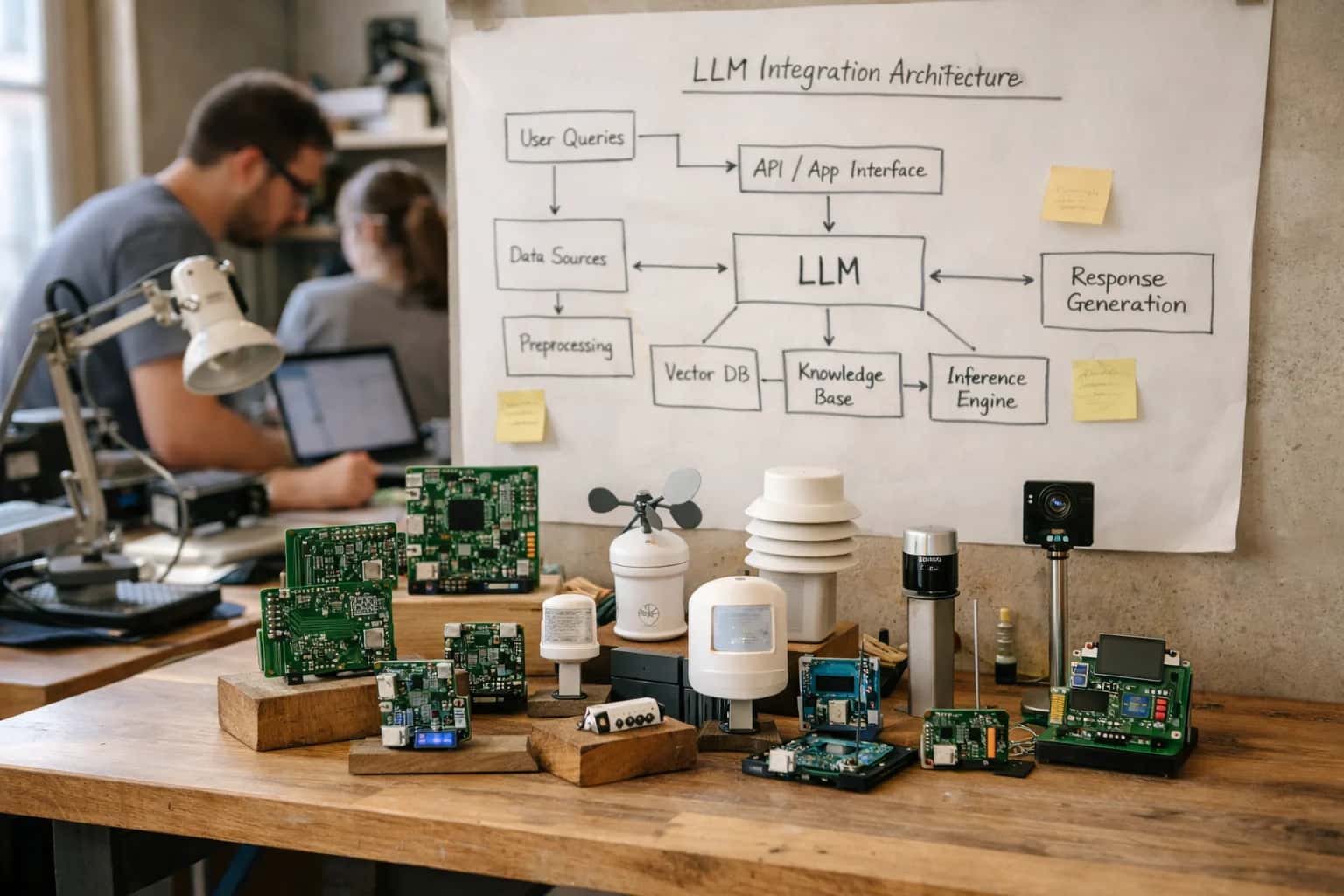
ARCHITECTING FOR LINEAR SCHEDULES, REGULATORY DOCS, AND HEAVY EQUIPMENT
Where AI Fits in Civil Infrastructure Construction
AI integration for civil infrastructure focuses on automating linear scheduling, managing complex regulatory documentation, and optimizing equipment-intensive workflows.
High-value workflows include using an AI agent to auto-generate look-ahead schedules by analyzing progress photos and drone survey data against the master schedule, or a RAG-powered system that allows a project engineer to ask natural language questions like "show me all wetland mitigation requirements for mile markers 12-15" across the project's document repository. For equipment-heavy operations, AI can predict maintenance windows and optimize fleet deployment by synthesizing data from the CMMS, equipment logs in the construction platform, and real-time fuel/usage telematics, flagging potential delays before they impact critical path activities.
Rollout is typically phased, starting with a single high-impact workflow like automated Request for Information (RFI) drafting from regulatory documents to prove value, then expanding to schedule risk prediction. Governance is crucial; AI outputs for agency submittals or change orders often require a human-in-the-loop approval step within the platform's workflow engine, with a full audit trail. Inference Systems architects these integrations with an understanding of the civil-specific data model—chainages, work packages, right-of-way documentation—ensuring AI insights are grounded in the precise context of linear infrastructure delivery.
HEAVY CIVIL & INFRASTRUCTURE
AI Touchpoints in Civil Construction Platforms
Integrating AI with Linear Scheduling Workflows
Civil projects like roads, bridges, and utilities rely on linear scheduling (Location-Based Management) rather than traditional Gantt charts. AI can integrate with platforms like Oracle Primavera P6 or schedule data within Procore to analyze progress against location-based plans.
Key touchpoints include:
- Progress Data Ingestion: AI agents consume daily logs from Fieldwire or Autodesk Build, mapping crew locations and quantities installed to the linear schedule.
- Delay Prediction: By analyzing weather, resource allocations, and historical productivity, AI flags potential schedule slips for upcoming work zones.
- Look-Ahead Automation: AI automatically generates the next period's detailed work plan by synthesizing the master schedule, subcontractor commitments, and material delivery status.
This moves schedule updates from a weekly manual exercise to a near-real-time, predictive system.
HEAVY CIVIL & LINEAR PROJECTS
High-Value AI Use Cases for Civil Infrastructure
Civil infrastructure projects—from highways and bridges to utilities and rail—demand specialized workflows for linear scheduling, regulatory compliance, and equipment-intensive coordination. These AI use cases integrate directly with platforms like Procore and Autodesk Build to automate high-friction processes.
01
Linear Schedule Analysis & Delay Prediction
AI analyzes Primavera P6 or MS Project schedules synced to Procore Schedules, identifying critical path risks from weather, permitting, or utility relocations. It flags potential delays weeks in advance and suggests mitigation steps for project engineers.
Weeks -> Days
Early warning lead time
02
Regulatory & Permit Document Automation
Agents process hundreds of pages of DOT, EPA, and municipal permit requirements. They auto-populate compliance checklists in Procore Submittals, extract conditions for RFIs, and track obligation deadlines across the project lifecycle.
Hours -> Minutes
Document review time
03
Equipment Utilization & Downtime Forecasting
Integrates telematics from CAT, John Deere, or Samsara with daily logs in Fieldwire or Autodesk Build. AI correlates equipment hours, fuel use, and location data to predict maintenance needs and optimize fleet deployment across multiple job sites.
Reactive -> Proactive
Maintenance mode
04
Utility Conflict Detection from As-Builts
Computer vision AI scans legacy as-built drawings and new GPR/pipe locating data. It identifies conflicts with planned excavations, automatically creates issues in Procore or Autodesk Build, and routes them to the appropriate utility coordinator.
Manual -> Automated
Conflict identification
05
Daily Diary & Quantity Tracking Automation
AI parses superintendent inputs from Fieldwire Daily Logs—manpower, materials placed, weather notes—and auto-generates narrative summaries. It also calculates daily quantities (e.g., cubic yards of concrete) for progress billing and schedule updates.
30 min -> 5 min
Per log completion
06
Subcontractor Progress & Pay Application Review
Agents cross-reference subcontractor pay apps in Procore Invoicing with installed quantities from field reports and schedule percent completes. They flag discrepancies for project accountants, reducing manual validation before approval.
Batch -> Real-time
Validation workflow
CONCRETE AUTOMATION PATTERNS
Example AI-Powered Workflows for Civil Infrastructure
These workflows illustrate how AI agents integrate with construction management platforms to automate high-friction, high-volume tasks specific to heavy civil projects like highways, bridges, and utilities.
Trigger: Superintendent completes a shift or submits photos/videos via the Fieldwire or Procore mobile app.
Context Pulled: AI agent retrieves:
- Weather data from integrated NOAA API for the project location.
- Manpower logs from the platform's Time & Attendance tool.
- Equipment utilization from IoT telematics feeds (e.g., Samsara, Geotab).
- Completed tasks from the daily plan.
Agent Action: A multi-modal LLM analyzes submitted photos/videos for activity (e.g., 'concrete pouring at pier 3'), cross-references it with scheduled tasks, and drafts a narrative daily report. It flags discrepancies (e.g., 'Crew size logged as 12, but 8 visible in photo').
System Update: The drafted report is posted as a Daily Log in Procore or Fieldwire, with structured data (weather, manpower count, equipment hours) auto-populated into custom fields.
Human Review Point: The superintendent receives a push notification to review, edit if necessary, and approve the AI-generated log before it is locked and distributed to the project diary.
FROM LINEAR SCHEDULES TO REGULATORY DOCS
Implementation Architecture: Connecting AI to the Civil Tech Stack
A practical blueprint for integrating AI agents into the specialized workflows of heavy civil and infrastructure construction.
For civil projects—building roads, bridges, or utilities—the core tech stack typically includes Procore or Autodesk Build for project management, Primavera P6 or MS Project for linear scheduling, and specialized tools for regulatory compliance and equipment telematics. AI integration focuses on three key surfaces: 1) the schedule module, where AI analyzes CPM logic and resource-loaded timelines to predict cascading delays from weather or utility strikes; 2) the document management system, where AI extracts clauses from permits (e.g., EPA, DOT), specs, and submittals to auto-populate compliance logs; and 3) the daily log or field report, where AI synthesizes data from equipment IoT feeds (e.g., Caterpillar, John Deere) and crew inputs to forecast productivity and flag potential cost overruns.
Implementation follows a phased, event-driven architecture. A central orchestration layer, often built with tools like n8n or CrewAI, listens for webhooks from Procore (e.g., a new RFI logged) or schedule updates from Primavera P6. It routes the payload—such as a PDF of a regulatory notice—to a RAG pipeline using Pinecone or Weaviate to query a vectorized knowledge base of project specs and past rulings. The AI agent then drafts a response or flags a required action, posting the result back to the relevant Procore module or creating a task in Fieldwire for the field crew. For equipment-intensive workflows, AI models process telematics data to predict maintenance windows, automatically generating work orders in a CMMS like Fiix or UpKeep and linking them to the project's cost codes.
Rollout prioritizes high-frequency, high-friction workflows. Start with automated daily log summarization, where an AI agent parses field inputs at EOD to produce a superintendent's report, reducing a 45-minute task to a 5-minute review. Next, implement regulatory obligation tracking, using AI to monitor document registers for expiring permits or inspection certificates, triggering alerts in Slack or Teams via the platform's API. Governance is critical: all AI-generated outputs—like a delay impact analysis—should be tagged as AI-Drafted in the system's audit trail and require a human-in-the-loop approval from the project engineer or manager before any official communication or financial impact.
CIVIL INFRASTRUCTURE WORKFLOWS
Code and Payload Examples
Analyzing Primavera P6 or MS Project Schedules
AI agents can ingest schedule exports (XML, XER, or CSV) to analyze critical path dependencies and predict delays for linear projects like roads or pipelines. The workflow typically involves:
- Parsing schedule data to identify activities with high float consumption.
- Correlating progress photos from Fieldwire or Autodesk Build with scheduled tasks.
- Generating a daily or weekly risk summary for the project superintendent.
Example Python payload to send a schedule file for analysis:
pythonimport requests schedule_analysis_payload = { "project_id": "BR-95-EXT-2025", "schedule_file_url": "s3://bucket/projects/BR-95/schedule_export.xml", "analysis_type": "delay_prediction", "lookahead_days": 14, "integration_target": "procore", # Where to post the results "target_module": "schedules", "target_record_id": "schedule_12345" } response = requests.post( "https://api.your-ai-service.com/v1/construction/schedule", json=schedule_analysis_payload, headers={"Authorization": "Bearer YOUR_API_KEY"} )
The AI service processes the schedule, compares it with actual progress, and posts annotated risk flags back to the Procore Schedules module or creates a report in the project's Documents.
CIVIL INFRASTRUCTURE PROJECTS
Realistic Time Savings and Operational Impact
How AI integration for construction management platforms accelerates linear scheduling, regulatory compliance, and equipment-intensive workflows on heavy civil projects.
| Workflow | Before AI | After AI | Implementation Notes |
|---|---|---|---|
Schedule Delay Analysis | Manual review of Primavera P6/MS Project logs | Automated dependency analysis & delay flagging | Integrates with Procore Schedules or Autodesk Build for look-ahead alerts |
Regulatory Permit Package Assembly | Days collating documents from multiple sources | Hours with AI-assisted document retrieval & bundling | Connects to Procore Documents, Autodesk Docs, and agency portals |
Daily Equipment & Production Reporting | Foreman manually logs hours/materials into Fieldwire | AI parses telematics & site photos to auto-populate logs | Offline-capable sync for remote sites; human verification required |
RFI Drafting for Utility Conflicts | Engineer researches specs and drafts from scratch | AI suggests relevant spec clauses and past resolution templates | Works within Procore RFI or Autodesk Build Issues; maintains engineer approval |
Change Order Documentation (Scope & Cost) | Project engineer manually traces impacts across schedules and budgets | AI cross-references schedule, budget, and correspondence to draft impact narrative | Outputs a structured draft in Buildertrend or Procore for final review |
Safety & Environmental Compliance Check | Weekly manual audit of logs against regulatory lists | Continuous monitoring with AI flagging of missing inspections or violations | Integrates Procore Safety with regulatory databases; requires superintendent sign-off |
Submittal & Material Approval Tracking | Project engineer tracks status via spreadsheet and email | AI monitors submission queues and sends prioritized reminders to reviewers | Automates within Procore Submittals; reduces follow-up time by 60-70% |
As-Built Documentation from Field Data | Months of post-construction reconciliation of field markups | AI correlates daily photos, drone data, and inspector notes to update models weekly | Connects Fieldwire/Procore markups to Autodesk Civil 3D or BIM 360; final QA by VDC manager |
IMPLEMENTATION BLUEPRINT
Governance, Security, and Phased Rollout
A practical guide to deploying AI for civil infrastructure projects with control, security, and measurable impact.
For civil infrastructure, AI integrations must respect the regulated, high-stakes nature of the work. This means implementing strict data governance from day one. Your AI agents should operate within a sandboxed environment that pulls read-only data from platforms like Procore or Autodesk Build—such as schedule activities, inspection reports, RFI logs, and equipment telemetry—via secure API connections. All AI-generated outputs, like delay predictions or regulatory memo drafts, should be tagged with source data references and require human-in-the-loop approval before being written back to the system of record. This creates a clear audit trail for compliance audits and liability reviews.
A phased rollout is critical for adoption and risk management. Start with a pilot in a single, high-value workflow, such as automating daily progress reporting by having an AI agent analyze Fieldwire logs and drone imagery to update a linear schedule in Primavera P6. This confines the initial scope, allows for tuning, and demonstrates tangible time savings for superintendents. Phase two might expand to cross-platform orchestration, like an agent that monitors Procore submittals and Autodesk Build inspection data to auto-generate sections of monthly regulatory compliance reports for agencies like the DOT or EPA.
Finally, plan for scale and ownership. The architecture should centralize prompt management, model versioning, and usage analytics (e.g., using tools like LangChain or a custom LLMOps layer) to maintain consistency as you deploy more agents. Security is paramount: ensure all AI tool calls are authenticated via your existing IAM (e.g., Okta) and that sensitive data, like bid amounts or personnel records, is masked or excluded from AI processing contexts. This controlled, iterative approach turns AI from a speculative tool into a governed component of your project delivery engine.
Enabling Efficiency, Speed & Accuracy
Intelligent Analysis, Decision & Execution
We build AI systems for teams that need search across company data, workflow automation across tools, or AI features inside products and internal software.
Talk to Us
Search across company data
Give teams answers from docs, tickets, runbooks, and product data with sources and permissions.
Useful when people spend too long searching or get different answers from different systems.
Enterprise searchRAGPermissions
Read more
Automate internal workflows
Use AI to route work, draft outputs, trigger actions, and keep approvals and logs in place.
Useful when repetitive work moves across multiple tools and teams.
AI agentsWorkflow automationGovernance
Read more
Add AI to products and internal tools
Build assistants, guided actions, or decision support into the software your team or customers already use.
Useful when AI needs to be part of the product, not a separate tool.
AI integrationDecision supportModel routing
Read moreIMPLEMENTATION AND WORKFLOWS
Frequently Asked Questions
Common questions about architecting and rolling out AI for heavy civil and infrastructure projects, focusing on linear scheduling, regulatory compliance, and equipment-intensive operations.
Integration typically involves a scheduled agent that pulls schedule data via API or file export, analyzes it, and pushes insights back to your construction platform.
Typical Workflow:
- Trigger: Nightly sync or upon a major schedule update.
- Context Pulled: The AI agent retrieves the CPM schedule, resource loadings, and recent progress updates from Primavera P6/MS Project and the corresponding daily logs from Procore or Autodesk Build.
- Agent Action: An LLM-powered agent analyzes the data to:
- Identify critical path activities at risk based on weather forecasts or recent productivity rates.
- Detect resource conflicts (e.g., crane or crew overallocation across concurrent activities like grading and pipe laying).
- Generate a natural language summary of the 3-week look-ahead, highlighting interdependencies.
- System Update: The agent creates a dedicated report in Procore's Daily Log or a task in Autodesk Build's Issues module, tagging the relevant project manager and superintendent.
- Human Review: The superintendent reviews the flagged risks and resource suggestions, confirming or adjusting the plan in the scheduling tool.

About the author
Prasad Kumkar
CEO & MD, Inference Systems
Prasad Kumkar is the CEO & MD of Inference Systems and writes about AI systems architecture, LLM infrastructure, model serving, evaluation, and production deployment. Over 5+ years, he has worked across computer vision models, L5 autonomous vehicle systems, and LLM research, with a focus on taking complex AI ideas into real-world engineering systems.
His work and writing cover AI systems, large language models, AI agents, multimodal systems, autonomous systems, inference optimization, RAG, evaluation, and production AI engineering.
LinkedIn
Limited slotsGet a Free AI Consultation
Partnered with leading AI, data, and software stack.





How We Work
Custom AI workflows for your Business
One-fit-all AI don't work for modern businesses. At Inferensys, we aim to understand your business & custom requirements; which we use to define most efficient agentic workflows, the data, and the tools for your business.
01
Review the use case
We understand the task, the users, and where AI can actually help.
Read more02
Pick the right approach
We define what needs search, automation, or product integration.
Read more03
Build the first useful version
We implement the part that proves the value first.
Read more04
Improve from there
We add the checks and visibility needed to keep it useful.
Read moreThe first call is a practical review of your use case and the right next step.
Talk to Us