AI integration for Kangarootime connects at three primary surfaces: the Activity Management API, the Classroom Dashboard, and the Child Observation & Logging modules. This allows AI to act as a co-pilot for teachers by automating routine data entry, synthesizing observations into structured notes, and suggesting next-day activity plans based on developmental goals and resource availability. Instead of replacing the teacher, the AI augments Kangarootime's existing workflow—pulling from child profiles, attendance logs, and past activities to pre-fill forms, generate draft lesson plans, and flag patterns in behavior logs that require follow-up.

Integration
AI Integration for Kangarootime Classroom Management
A technical guide to embedding AI into Kangarootime's classroom surfaces for automated activity planning, intelligent resource scheduling, and behavior log analysis, reducing teacher prep time and improving developmental outcomes.
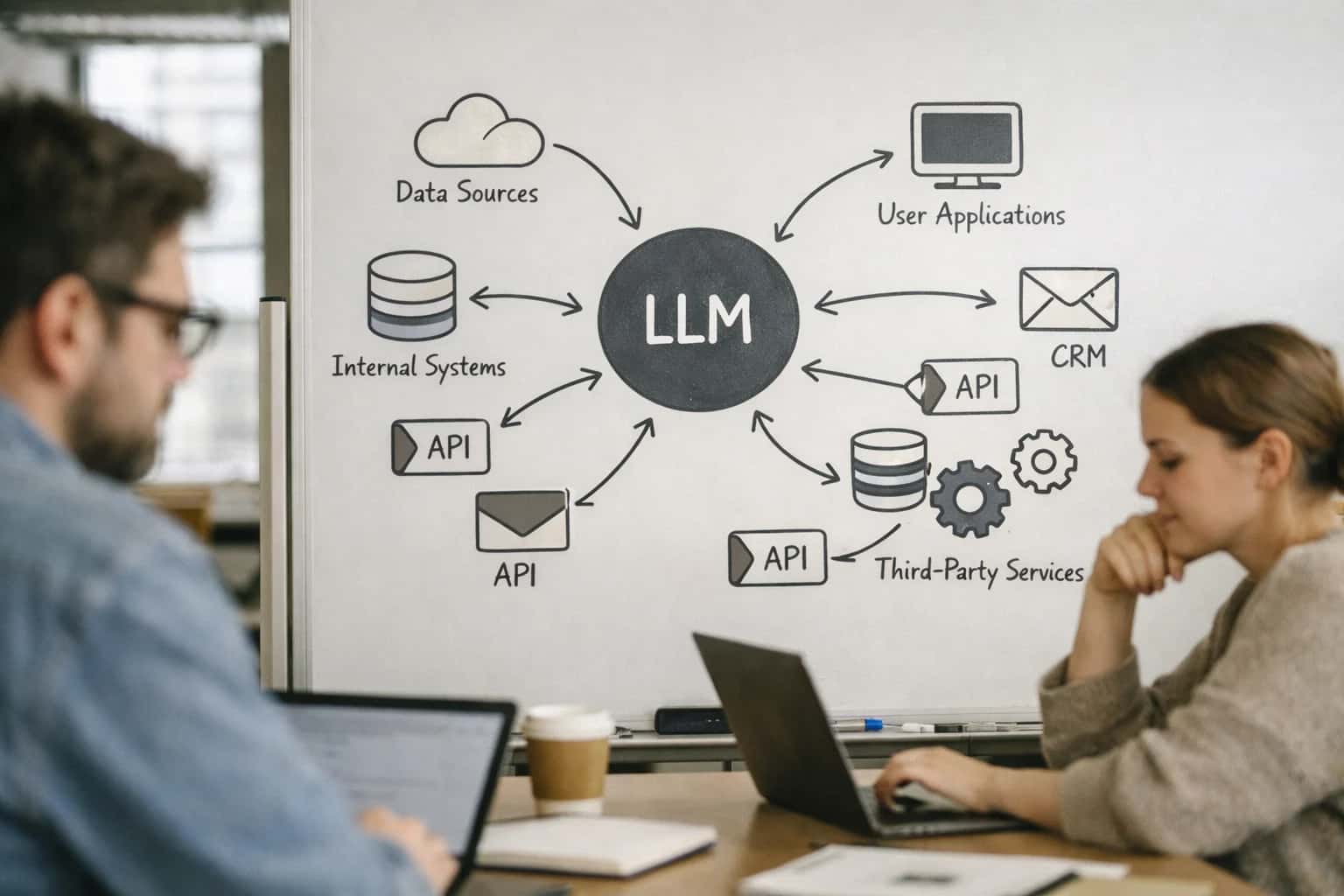
ARCHITECTURE AND IMPLEMENTATION
Where AI Fits in Kangarootime's Classroom Workflows
A practical blueprint for embedding AI agents and automation into Kangarootime's classroom management surfaces to reduce administrative load and enhance educational quality.
A typical implementation wires a lightweight AI agent layer between Kangarootime's webhooks and your center's data. For example, when a teacher logs a child's mood or engagement level via the Kangarootime mobile app, that event can trigger an AI workflow to:
- Analyze the log against recent entries for that child.
- Draft a contextual note for the parent daily report.
- Suggest a tailored activity from the center's resource library via the Activity Management API.
- If a pattern of concern is detected (e.g., repeated separation anxiety notes), route a private alert to the lead teacher's dashboard.
This is built using Kangarootime's REST APIs for real-time data access and secure service accounts, ensuring the AI operates within the same permission and audit boundaries as human staff.
Rollout focuses on non-disruptive adoption. Start with a single AI-assisted workflow, like automated activity planning. The AI analyzes the weekly schedule, child attendance, and available materials to generate a draft plan in Kangarootime's planning module for teacher review and adjustment. Governance is critical: all AI-generated content should be clearly marked as a draft, require a human-in-the-loop for final approval, and maintain a full audit trail in Kangarootime's logs. This phased approach allows staff to build trust in the system while immediately saving 1-2 hours per week on manual planning and logging, redirecting that time to direct child engagement.
CLASSROOM MANAGEMENT
Kangarootime APIs and Modules for AI Integration
Activity & Lesson Planning APIs
Kangarootime’s Activity Management and Curriculum Planning surfaces provide the primary hooks for AI-driven lesson generation and resource scheduling. Key integration points include:
- Activity Templates API: Retrieve and update structured activity templates, including objectives, materials, duration, and linked developmental domains (e.g., Early Learning Standards).
- Daily Schedule API: Programmatically read and write the daily schedule for a classroom or age group, allowing AI to slot in suggested activities based on time blocks and staff availability.
- Resource Inventory: Access data on available classroom materials and supplies to ensure AI-generated plans are feasible.
AI Use Case: An agent can ingest a classroom’s weekly theme, past activity success metrics, and available resources to generate a daily schedule of activities. It can push structured activity records into Kangarootime, automatically adjusting for weather-related indoor/outdoor plans or last-minute staff changes.
Implementation Note: Use webhooks on schedule.updated or activity.completed to trigger AI review and iterative planning.
KANGAROOTIME INTEGRATION PATTERNS
High-Value AI Use Cases for Classroom Management
Practical AI workflows that connect directly to Kangarootime's classroom, activity, and behavior APIs to automate planning, enhance observations, and support daily operations.
01
AI-Assisted Activity Planning
Generates weekly lesson plans and activity suggestions by analyzing Kangarootime's developmental goal tracking and past activity logs. Integrates with the curriculum planner API to auto-populate schedules with age-appropriate, resource-available tasks.
Batch -> Real-time
Planning cadence
02
Intelligent Resource & Room Scheduling
Dynamically allocates classrooms, materials, and shared spaces by processing real-time attendance data and staff-to-child ratios from Kangarootime's room management APIs. Optimizes for capacity, special needs, and cleaning cycles.
Hours -> Minutes
Schedule optimization
03
Behavior & Observation Log Analysis
Uses NLP on teacher-entered observation notes and behavior logs via Kangarootime's journaling APIs. Identifies patterns, tags entries to developmental frameworks, and surfaces insights for individual support plans or parent-teacher conferences.
Same day
Insight turnaround
04
Automated Daily Report Synthesis
Aggregates disparate teacher inputs (meals, naps, activities) from Kangarootime's daily report surfaces, structures them with AI, and pushes personalized, narrative-style summaries to parent portals via the family communications API.
1 sprint
Implementation timeline
05
Proactive Ratio Compliance & Alerting
Monitors Kangarootime's real-time check-in/out streams and room assignments. Uses AI to predict impending staff-to-child ratio violations and triggers automated alerts or suggests coverage re-assignments through the scheduling API.
06
Personalized Learning Path Suggestions
Analyzes a child's historical assessment data and activity participation from Kangarootime's records. Recommends next-step activities and skill-building exercises to teachers, integrated directly into the child's learning profile.
PRACTICAL IMPLEMENTATION PATTERNS
Example AI-Driven Workflows for Kangarootime Classrooms
These workflows illustrate how AI agents can integrate directly with Kangarootime's classroom and activity management APIs to automate planning, optimize resources, and provide actionable insights for teachers and directors.
Trigger: Teacher or director initiates planning for the upcoming week.
Context Pulled: The AI agent queries Kangarootime's APIs for:
- The classroom's current developmental goals and learning frameworks.
- Historical activity data (what worked well in past weeks).
- Available resources and materials logged in the system.
- Upcoming special events or holidays from the center calendar.
Agent Action: Using a structured prompt, the LLM generates a draft weekly plan that includes:
- A balanced mix of activities (art, sensory, motor skills, literacy).
- Suggested learning objectives tied to framework standards.
- A list of required materials, cross-referenced with inventory.
System Update: The draft plan is posted as a Draft Activity Plan record via the Kangarootime API, tagged for review by the lead teacher.
Human Review Point: The teacher reviews, edits, and approves the plan in Kangarootime. The AI logs which suggestions were accepted to improve future recommendations.
PLANNING, EXECUTION, AND OVERSIGHT
Implementation Architecture: Data Flow and Guardrails
A production-ready AI integration for Kangarootime connects to its Activity and Classroom APIs to augment, not replace, educator workflows with intelligent assistance.
The integration architecture centers on Kangarootime's Activity Management and Classroom/Group APIs. An AI agent, typically deployed as a secure microservice, acts as a co-pilot. It ingests structured data like planned activity durations, required materials, staff assignments, and child developmental goals. Using this context, the agent can generate draft activity plans, suggest resource substitutions, or flag potential scheduling conflicts—outputting structured JSON payloads back to Kangarootime via its API to create or update activity records, all within the existing platform workflow.
For behavior and observation log analysis, the system processes free-text notes from teachers via Kangarootime's Daily Reports or Notes endpoints. Using NLP, it identifies recurring themes, developmental milestones, or potential concerns, summarizing them for lead teachers or directors. Critical guardrails are implemented at this layer: PII redaction strips child names before processing, human-in-the-loop approval ensures no AI-generated summary is posted without teacher review, and audit logging tracks every AI interaction against specific classroom and staff IDs for compliance.
Rollout follows a phased approach: start with a single classroom as a pilot, using Kangarootime's role-based access to limit AI features to a test group. The AI service is designed for graceful degradation—if the model call fails, the Kangarootime interface displays the standard manual input forms. Governance includes weekly reviews of AI suggestions versus educator accept/reject rates to tune prompts and ensure the tool remains an assistive layer that saves planning time while keeping educators firmly in control of the classroom environment.
KANGAROOTIME API INTEGRATION PATTERNS
Code and Payload Examples
AI-Generated Activity Plans via API
Use Kangarootime's activities and lesson_plans endpoints to create structured, developmentally appropriate plans. An AI agent can generate weekly themes, materials lists, and step-by-step instructions based on age group, available resources, and observed developmental goals from past observations.
Example Payload for Creating an Activity:
jsonPOST /api/v1/classrooms/{classroom_id}/activities { "activity": { "title": "Sensory Color Mixing", "description": "AI-generated activity focusing on color recognition and fine motor skills. Children use droppers to mix primary colors in ice cube trays.", "materials": ["Primary color water", "Droppers", "Ice cube trays", "Smocks"], "developmental_domains": ["Cognitive", "Physical"], "duration_minutes": 25, "planned_date": "2024-06-15" } }
This integration allows teachers to request a week's plan via a simple interface, with the AI agent handling research, alignment to frameworks (like ECERS or state standards), and structured API calls to populate Kangarootime.
AI-POWERED CLASSROOM MANAGEMENT
Realistic Time Savings and Operational Impact
A comparison of manual vs. AI-assisted workflows for Kangarootime classroom management, showing realistic time savings and operational improvements for teachers and directors.
| Metric | Before AI | After AI | Notes |
|---|---|---|---|
Daily activity planning | 1-2 hours per week | 30-45 minutes per week | AI suggests activities based on curriculum goals and available resources |
Behavior log analysis | Manual review of notes | Automated trend summaries | Flags patterns for teacher follow-up; human review required |
Resource scheduling & prep | Ad-hoc, often last-minute | Forecasted and auto-assigned | AI predicts needs based on planned activities and inventory |
Observation documentation | Handwritten or typed notes | Voice-to-text with auto-tagging | NLP transcribes teacher notes and tags to developmental frameworks |
Parent communication on activities | Manual updates per child | Personalized bulk updates | AI drafts messages synthesizing child-specific participation data |
Weekly room setup coordination | Email/chat threads | Automated task lists in Kangarootime | Tasks assigned based on staff role, location, and availability |
Compliance check for activity logs | Manual audit each month | Continuous exception monitoring | Alerts for missing logs or incomplete data against licensing standards |
CONTROLLED AI ADOPTION FOR CLASSROOM OPERATIONS
Governance, Permissions, and Phased Rollout
Implementing AI in Kangarootime requires a structured approach that respects staff roles, protects child data, and delivers incremental value.
Governance starts with role-based access control (RBAC) mapping to Kangarootime's existing permission model. AI-generated activity plans or behavior summaries should only be visible to teachers, assistants, and directors with appropriate classroom or center-level access. All AI interactions—such as submitting a voice note for transcription or requesting a resource schedule—must be logged against the staff member's user ID in an immutable audit trail, creating a clear lineage for compliance reviews and quality assurance.
A phased rollout is critical for user adoption and risk management. A typical implementation follows this sequence:
- Phase 1: Assistant Mode (Read-Only Analysis). Deploy AI agents that analyze existing activity logs and behavior notes to surface patterns (e.g., "afternoon engagement dips") without making changes. Outputs are delivered as insights within Kangarootime's reporting modules or via a separate dashboard.
- Phase 2: Draft Generation with Human-in-the-Loop. Activate AI to generate draft weekly activity plans or resource lists based on curriculum goals and past data. These drafts require explicit teacher review, editing, and approval within Kangarootime's planning surfaces before being published or scheduled.
- Phase 3: Conditional Automation. Enable trusted, rule-based automations, such as auto-scheduling a recurring sensory activity slot when certain behavior markers are logged. These workflows are gated by configurable business rules and include mandatory notification steps to the lead teacher.
Data privacy is paramount. Any AI processing of child data must adhere to FERPA and COPPA principles. Implement a strict data minimization strategy: only necessary fields (e.g., anonymized activity codes, developmental domain tags, non-PII timestamps) are sent to inference endpoints. Sensitive free-text notes should be processed locally or via a private cloud deployment. Establish a clear opt-in/opt-out mechanism at the center level for AI features and maintain the ability to purge AI-generated content from child records upon request, leveraging Kangarootime's API for record updates.
Enabling Efficiency, Speed & Accuracy
Intelligent Analysis, Decision & Execution
We build AI systems for teams that need search across company data, workflow automation across tools, or AI features inside products and internal software.
Talk to Us
Search across company data
Give teams answers from docs, tickets, runbooks, and product data with sources and permissions.
Useful when people spend too long searching or get different answers from different systems.
Enterprise searchRAGPermissions
Read more
Automate internal workflows
Use AI to route work, draft outputs, trigger actions, and keep approvals and logs in place.
Useful when repetitive work moves across multiple tools and teams.
AI agentsWorkflow automationGovernance
Read more
Add AI to products and internal tools
Build assistants, guided actions, or decision support into the software your team or customers already use.
Useful when AI needs to be part of the product, not a separate tool.
AI integrationDecision supportModel routing
Read moreIMPLEMENTATION DETAILS
Frequently Asked Questions
Common technical and operational questions about integrating AI agents and workflows into Kangarootime's classroom and activity management surfaces.
Integration is typically handled via Kangarootime's REST API and webhooks. Here’s a common pattern:
- Authentication: Use API keys (scoped to a center or organization) for server-to-server calls.
- Data Ingestion: Pull classroom rosters, developmental goals, and resource availability from endpoints like
/api/v1/classrooms,/api/v1/children, and/api/v1/resources. - Agent Trigger: Set up a webhook listener for events like
classroom.daily_schedule_createdor a scheduled cron job (e.g., every Sunday evening). - AI Processing: The agent, using the ingested context, calls an LLM (like GPT-4) with a structured prompt to generate or refine a weekly activity plan.
- System Update: The agent posts the structured plan back to Kangarootime via the
POST /api/v1/activitiesendpoint or updates an existing schedule.
Example Payload for Activity Creation:
json{ "classroom_id": "cl_12345", "date": "2024-06-10", "name": "Sensory Water Play", "description": "Focuses on fine motor skills and cause/effect. Uses water tables, cups, and floating objects.", "developmental_domains": ["physical", "cognitive"], "required_resources": ["water_table", "measuring_cups"], "notes_for_teachers": "Ensure smocks are worn. Supervise for safety." }
This keeps the AI's output actionable within Kangarootime's existing data model.

About the author
Prasad Kumkar
CEO & MD, Inference Systems
Prasad Kumkar is the CEO & MD of Inference Systems and writes about AI systems architecture, LLM infrastructure, model serving, evaluation, and production deployment. Over 5+ years, he has worked across computer vision models, L5 autonomous vehicle systems, and LLM research, with a focus on taking complex AI ideas into real-world engineering systems.
His work and writing cover AI systems, large language models, AI agents, multimodal systems, autonomous systems, inference optimization, RAG, evaluation, and production AI engineering.
LinkedIn
Limited slotsGet a Free AI Consultation
Partnered with leading AI, data, and software stack.





How We Work
Custom AI workflows for your Business
One-fit-all AI don't work for modern businesses. At Inferensys, we aim to understand your business & custom requirements; which we use to define most efficient agentic workflows, the data, and the tools for your business.
01
Review the use case
We understand the task, the users, and where AI can actually help.
Read more02
Pick the right approach
We define what needs search, automation, or product integration.
Read more03
Build the first useful version
We implement the part that proves the value first.
Read more04
Improve from there
We add the checks and visibility needed to keep it useful.
Read moreThe first call is a practical review of your use case and the right next step.
Talk to Us