This integration connects two core systems: your ResNexus reservation engine and your WooCommerce store for merchandise, firewood, or activity bookings. The AI layer sits between them, using the ResNexus Guest API and WooCommerce REST API to create a bidirectional sync. Key data objects include ResNexus Guest profiles, Reservation details, and Site types, which are matched with WooCommerce Product SKUs, Order history, and Inventory levels. The AI's primary role is to maintain a real-time view of guest intent and available assets across both platforms.

Integration
Campground Integration with WooCommerce AI
Connect your campground's WooCommerce merchandise or activity store to ResNexus using AI for automated inventory synchronization, personalized guest recommendations, and unified commerce operations.
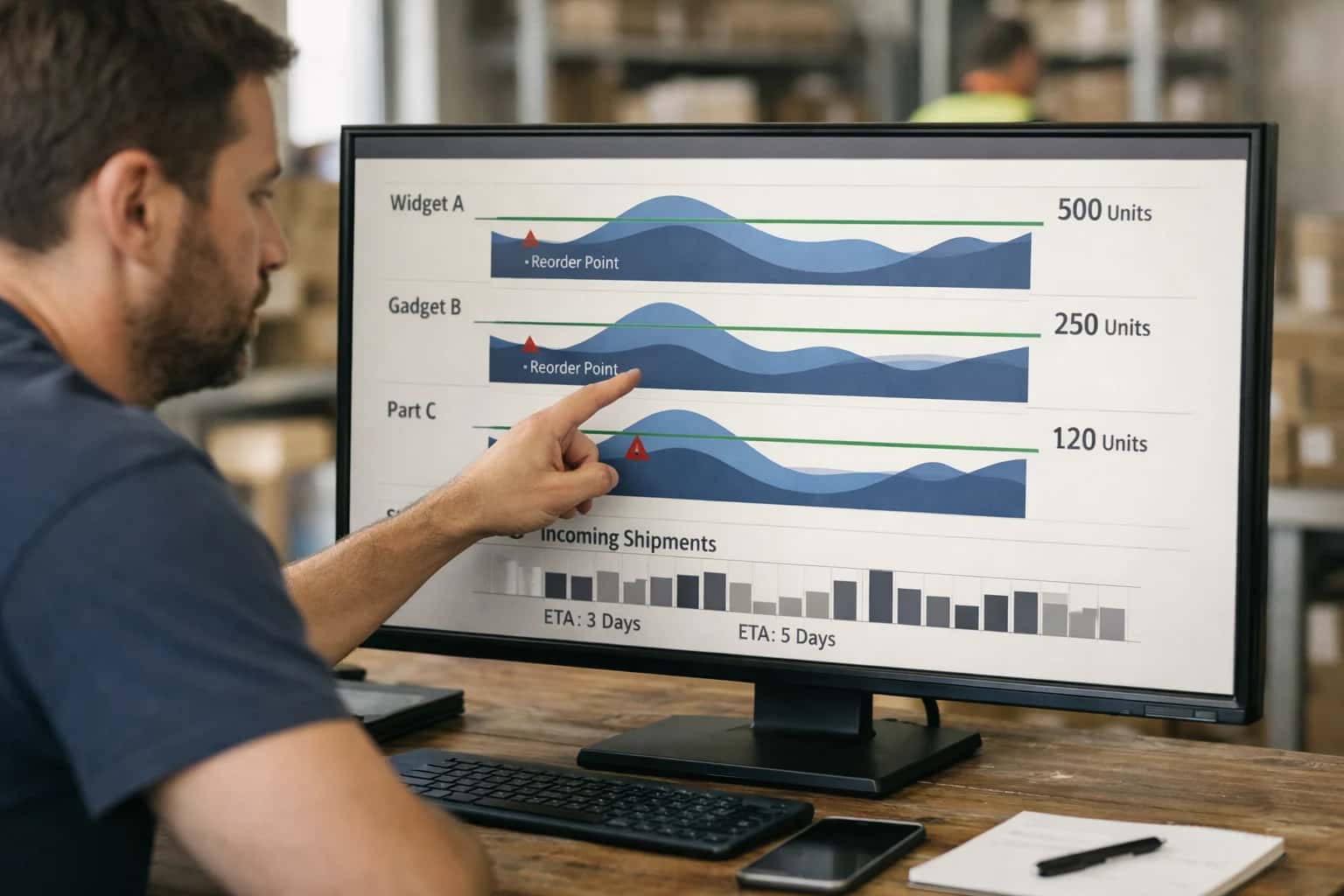
ARCHITECTURE BLUEPRINT
Unify Campground Retail and Reservations with AI
Connect your WooCommerce store to ResNexus with AI to synchronize inventory and power personalized guest recommendations.
Implementation focuses on two automated workflows. First, an inventory synchronization agent monitors ResNexus bookings (e.g., a 30-amp RV site reservation) and deducts correlated retail items (like a 30/50-amp adapter) from WooCommerce available stock, preventing oversell. It uses webhooks from both systems to trigger updates. Second, a personalized cross-sell engine analyzes the guest's reservation details (length of stay, site type, number of children) and past WooCommerce order history at checkout to recommend relevant add-ons—such as s'mores kits, bike rentals, or guided tour bookings—directly within the reservation confirmation email or a post-booking landing page.
Rollout should start with a pilot on a limited set of high-margin, complementary products (e.g., firewood bundles with all cabin bookings). Governance requires logging all AI-driven recommendations and sync actions to an audit trail, linking them to the source reservation ID. A key caveat is managing failed API calls; the architecture should include a dead-letter queue to retry sync operations and alert staff to manual reconciliation needs, ensuring financial data between the store and property management system remains aligned. For a deeper dive on core reservation automation, see our guide on AI Integration for ResNexus.
CAMPGROUND INTEGRATION BLUEPRINT
Where AI Connects: ResNexus and WooCommerce Touchpoints
Synchronizing Camp Store and Activity Inventory
AI-driven inventory sync connects WooCommerce product catalogs (e.g., branded merchandise, firewood bundles, guided tour tickets) with ResNexus's internal inventory or resource objects. The integration focuses on:
- Real-time Stock Updates: Automatically adjust WooCommerce stock levels based on reservations that include add-ons booked in ResNexus, preventing over-selling.
- Dynamic Product Creation: Use AI to analyze booking trends and automatically create seasonal WooCommerce products (e.g., "Winter Glamping Kit") linked to specific ResNexus rate plans or packages.
- Cross-Platform Reconciliation: An AI agent monitors discrepancies between systems, flags mismatches for review, and can suggest corrective actions like adjusting safety stock levels.
This layer ensures the camp store reflects true, real-time availability, directly tying e-commerce operations to core reservation data.
WOOCOMMERCE INTEGRATION PATTERNS
High-Value Use Cases for Campground Retail AI
Connecting your campground's WooCommerce store for merchandise and activity bookings to your reservation system (ResNexus, Campspot, Staylist) unlocks AI-driven inventory, personalization, and unified guest experiences. These patterns show where to start.
01
Unified Guest Profile & Cross-Sell Engine
Sync WooCommerce purchase history (t-shirts, firewood, kayak rentals) with the guest's reservation record in ResNexus or Campspot. An AI agent analyzes this combined profile to suggest relevant add-ons during booking (e.g., 'Guests who booked Site A12 often rent a grill') and trigger personalized post-booking email campaigns.
Batch -> Real-time
Profile sync
02
Intelligent Inventory Synchronization
Prevent overselling camp store items or activity slots. An AI workflow monitors WooCommerce stock levels and dynamically adjusts availability based on real-time reservations from your campground PMS. For example, reduce 'kayak tour' tickets online when a large group checks in and reserves them onsite via the front desk.
Same day
Reconciliation
03
Automated Replenishment & Purchase Orders
Move from manual stock checks to predictive ordering. An AI model analyzes WooCommerce sales velocity, seasonal trends, and upcoming reservation volume (from Campground Master) to generate recommended purchase orders for camp store inventory. Integrates with vendor systems or sends alerts to managers.
1 sprint
To implement
04
Dynamic Pricing for Activities & Merchandise
Extend revenue management beyond site rates. Connect AI to WooCommerce product APIs and reservation data to adjust pricing for guided tours or premium gear based on demand signals. Example: Increase price for 'stargazing tour' tickets when occupancy hits 90% and weather forecast is clear.
Hours -> Minutes
Price updates
05
Abandoned Cart Recovery for Activity Bookings
Capture lost revenue from guests who browse add-ons but don't complete purchase. An AI agent monitors WooCommerce abandonment events, checks the guest's upcoming reservation status in Staylist, and triggers a personalized SMS or email reminder (e.g., 'Your fire pit rental is still available for your stay next week').
5-15% lift
Typical recovery
06
Centralized Reporting & Guest LTV Dashboard
Break down data silos between retail and lodging. An AI pipeline unifies transaction data from WooCommerce and reservation revenue from your PMS into a single dashboard. Automatically calculate true guest lifetime value and segment customers by total spend (site + retail + activities) for targeted loyalty campaigns.
WOOCOMMERCE + CAMPGROUND PLATFORM INTEGRATION
Example AI-Powered Workflows
These workflows illustrate how AI can synchronize inventory, personalize offers, and automate cross-platform operations between your WooCommerce store and your campground management system (ResNexus, Campspot, Staylist).
Trigger: A sale is processed in the WooCommerce store for a physical item (e.g., branded hoodie, firewood bundle).
Context/Data Pulled:
- The AI agent monitors the WooCommerce
order.createdwebhook. - It fetches the SKU and quantity sold from the order payload.
- It queries the campground platform's (e.g., ResNexus) inventory API to get the current on-hand count for the campground's retail location.
Model/Agent Action:
- The agent calculates the new on-hand count and compares it to a pre-defined reorder threshold stored in a configuration table.
- If the threshold is breached, the agent uses a language model to generate a purchase order draft, including item details, suggested vendor (from a master list), and quantity needed to reach par stock.
System Update/Next Step:
- The agent updates the inventory count in the campground platform via API.
- It creates a draft
Purchase Ordertask in the campground platform's task module or sends a formatted alert to a procurement Slack channel/Microsoft Teams, including the PO draft for human review and finalization.
Human Review Point: The generated purchase order is always flagged for manager approval before being sent to the vendor, ensuring control over spending.
CONNECTING WOOCOMMERCE MERCHANDISE TO CAMPGROUND RESERVATIONS
Implementation Architecture: Data Flow and AI Layer
A technical blueprint for synchronizing inventory and personalizing guest offers by integrating WooCommerce with your campground management platform.
The core integration connects two primary data flows. First, a bi-directional product sync links WooCommerce SKUs (e.g., branded apparel, firewood bundles, activity passes) with inventory records in your campground platform (ResNexus, Campspot, or Staylist). This is managed via webhooks from WooCommerce's order.created and product.updated events, which trigger updates to the campground system's inventory counts to prevent overselling. Conversely, reservation-based consumption (like a rented kayak logged in ResNexus) can decrement stock in WooCommerce. The AI layer monitors this sync for discrepancies and can auto-correct common mismatches or flag anomalies for review.
The second, more valuable flow is the personalized recommendation engine. When a guest makes a reservation, the integration passes their profile and booking details (site type, length of stay, number of guests) from the campground platform to a dedicated AI service. This service analyzes historical purchase patterns across all guests to generate real-time, personalized cross-sell recommendations. These suggestions—such as a camp stove rental for a tent site booking or a s'mores kit for a family stay—are then injected into the WooCommerce store's cart or checkout page via its REST API, creating a seamless, context-aware shopping experience tied directly to the upcoming stay.
For rollout, we recommend a phased approach: start with a one-way sync from WooCommerce to your campground PMS to stabilize inventory, then activate the AI recommendation service for a specific guest segment (e.g., new bookings). Governance is critical; all AI-generated recommendations should be logged with the source guest data and rationale, allowing managers to audit and tune the model. Implement a manual approval step for new product categories initially, moving to fully automated workflows once confidence in the AI's accuracy is established. This architecture ensures revenue from ancillary sales is captured without creating operational complexity for your staff.
WOOCOMMERCE TO CAMPGROUND PLATFORM INTEGRATION
Code and Payload Examples
Handling WooCommerce Product Updates
When a new camp store item is added or inventory changes in WooCommerce, a webhook payload is sent to your integration layer. This handler validates the data, maps it to the campground platform's inventory schema, and pushes the update via API.
Key Fields to Map:
product.sku→ Campspot/ResNexusitem_codeproduct.stock_quantity→ Available quantityproduct.price→ Retail priceproduct.categories→ Department/GL code mapping
python# Example Python Flask endpoint for webhook from flask import request, jsonify import requests @app.route('/webhooks/woocommerce/product-update', methods=['POST']) def handle_product_update(): data = request.json # Validate and transform payload transformed_payload = { "itemCode": data.get('sku'), "name": data.get('name'), "currentStock": data.get('stock_quantity', 0), "price": data.get('price'), "category": map_category(data.get('categories')) } # Sync to campground platform (e.g., Campspot Inventory API) response = requests.post( f"{CAMPGROUND_API_BASE}/inventory/items", json=transformed_payload, headers={"Authorization": f"Bearer {API_KEY}"} ) return jsonify({"status": "synced", "id": response.json().get('id')})
WOOCOMMERCE + RESNEXUS INTEGRATION
Realistic Time Savings and Business Impact
Connecting your campground's WooCommerce store for merchandise and activity bookings to your core reservation system (ResNexus) with AI automation.
| Workflow | Before AI Integration | After AI Integration | Operational Impact |
|---|---|---|---|
Inventory Synchronization | Manual CSV export/import between systems 1-2x daily | Real-time sync via API with AI-driven anomaly flagging | Eliminates overselling, ensures accurate stock counts across store and site inventory |
Personalized Upsell Recommendations | Generic promotional banners or manual staff suggestions | AI analyzes guest booking data (site type, length of stay, party size) to suggest relevant add-ons | Increases average order value by targeting offers with higher intent |
Order Fulfillment & Guest Folio Update | Staff manually creates ResNexus charges for store purchases post-checkout | Automated charge creation and folio attachment upon WooCommerce payment capture | Reduces front-desk reconciliation work, ensures all revenue is captured |
Abandoned Cart Recovery | No targeted follow-up for activity or merchandise carts | AI triggers personalized SMS/email based on abandoned items and upcoming reservation date | Recaptures lost revenue, especially for pre-arrival activity bookings |
Product & Pricing Strategy | Seasonal guesswork based on last year's sales | AI correlates WooCommerce sales data with ResNexus occupancy & guest demographics | Data-driven decisions on what to stock and when to run promotions |
Cross-Platform Guest Profile Unification | Separate guest records in WooCommerce and ResNexus | AI-powered entity resolution creates a single view from store purchases and stay history | Enables holistic loyalty programs and personalized marketing |
Reporting & Reconciliation | Manual spreadsheet work to combine financials from two systems | Automated daily summary reports with AI-highlighted discrepancies | Cuts month-end close time for store-related revenue, provides unified P&L view |
ARCHITECTING A CONTROLLED INTEGRATION
Governance, Security, and Phased Rollout
A secure, phased approach to connecting your WooCommerce store with your campground management platform.
This integration orchestrates data between two critical business systems: your WooCommerce store (for merchandise, activity bookings) and your ResNexus reservation platform. Governance starts with a clear data map: product SKUs and inventory levels sync from WooCommerce to ResNexus as custom fields or external inventory objects, while guest purchase history and profile data flow back to enrich ResNexus guest records. All API calls between systems are authenticated via OAuth or API keys stored in a secrets manager, with webhook payloads validated to prevent injection. An audit log tracks all sync events—like inventory adjustments or cross-sell recommendations generated—for full traceability.
A phased rollout minimizes operational risk. Phase 1 establishes a one-way, read-only sync from WooCommerce to ResNexus, allowing your team to view store inventory levels within the reservation system without allowing modifications. Phase 2 introduces the AI recommendation engine, which analyzes a guest's ResNexus booking (site type, length of stay, number of guests) and their WooCommerce purchase history to suggest relevant add-ons (e.g., firewood bundles, kayak rentals) during the checkout flow. This logic runs in a secure Inference Systems container, with all prompts and model outputs logged. Phase 3 enables bi-directional workflows, such as automatically creating a WooCommerce order for a recommended activity when a guest accepts the offer via a ResNexus communication.
Security is enforced at multiple layers. Guest PII from ResNexus is never exposed to the public-facing WooCommerce AI agent; instead, the system uses anonymized guest IDs or reservation tokens for personalization. Payment data is handled exclusively by the native gateways in each platform (WooCommerce Payments, ResNexus merchant processing). Role-based access controls (RBAC) within the integration dashboard ensure only authorized managers can adjust sync rules or recommendation thresholds. We recommend starting with a single campground property or a limited set of WooCommerce products to validate data integrity and guest response before scaling to your entire operation.
Enabling Efficiency, Speed & Accuracy
Intelligent Analysis, Decision & Execution
We build AI systems for teams that need search across company data, workflow automation across tools, or AI features inside products and internal software.
Talk to Us
Search across company data
Give teams answers from docs, tickets, runbooks, and product data with sources and permissions.
Useful when people spend too long searching or get different answers from different systems.
Enterprise searchRAGPermissions
Read more
Automate internal workflows
Use AI to route work, draft outputs, trigger actions, and keep approvals and logs in place.
Useful when repetitive work moves across multiple tools and teams.
AI agentsWorkflow automationGovernance
Read more
Add AI to products and internal tools
Build assistants, guided actions, or decision support into the software your team or customers already use.
Useful when AI needs to be part of the product, not a separate tool.
AI integrationDecision supportModel routing
Read moreIMPLEMENTATION BLUEPRINT
Frequently Asked Questions
Practical questions for technical teams planning to connect a WooCommerce store to a campground management platform (ResNexus, Campspot, Staylist) using AI for inventory and personalization.
A production integration uses webhooks and an orchestration layer to keep product and site availability in sync.
Typical Architecture:
- Trigger: A reservation is created/modified/canceled in ResNexus (or Campspot/Staylist).
- Webhook: The campground platform sends a
POSTpayload to your integration endpoint. - Context Pull: Your AI orchestration service queries the campground API for the updated site inventory counts and the WooCommerce REST API for current merchandise stock.
- AI Action: A lightweight model or rule engine evaluates the change:
- For site bookings: Determines if linked "camping gear" bundles in WooCommerce should have their stock adjusted (e.g., reduce "Deluxe Tent Kit" inventory).
- For merchandise sales: Checks if a high-volume item sale should trigger a "low stock" alert in the campground's maintenance module for reordering.
- System Update: The service calls the
WooCommerce REST API(/wp-json/wc/v3/products/{id}) to update stock quantity and backorder status.
Key Consideration: Implement idempotency keys in your webhook handler to prevent duplicate updates from retries.

About the author
Prasad Kumkar
CEO & MD, Inference Systems
Prasad Kumkar is the CEO & MD of Inference Systems and writes about AI systems architecture, LLM infrastructure, model serving, evaluation, and production deployment. Over 5+ years, he has worked across computer vision models, L5 autonomous vehicle systems, and LLM research, with a focus on taking complex AI ideas into real-world engineering systems.
His work and writing cover AI systems, large language models, AI agents, multimodal systems, autonomous systems, inference optimization, RAG, evaluation, and production AI engineering.
LinkedIn
Limited slotsGet a Free AI Consultation
Partnered with leading AI, data, and software stack.





How We Work
Custom AI workflows for your Business
One-fit-all AI don't work for modern businesses. At Inferensys, we aim to understand your business & custom requirements; which we use to define most efficient agentic workflows, the data, and the tools for your business.
01
Review the use case
We understand the task, the users, and where AI can actually help.
Read more02
Pick the right approach
We define what needs search, automation, or product integration.
Read more03
Build the first useful version
We implement the part that proves the value first.
Read more04
Improve from there
We add the checks and visibility needed to keep it useful.
Read moreThe first call is a practical review of your use case and the right next step.
Talk to Us