AI integration connects to iMIS at three key surfaces: the Sponsorship Module for tracking packages and inventory, the Contact/Organization records for prospect intelligence, and the Financials/GL for ROI reporting. The goal is to inject intelligence into the core workflow: from identifying and personalizing outreach for high-fit prospects, to auto-generating contract drafts and fulfillment reports, to analyzing post-event value for renewal conversations. This is not about replacing iMIS, but wiring AI agents to its APIs and data model to act as a copilot for the sponsorship sales team.

Integration
AI Integration with iMIS for Sponsorship Management
Use AI to analyze past sponsor ROI in iMIS and generate personalized prospect packages, draft fulfillment reports, and identify cross-selling opportunities for sales teams.
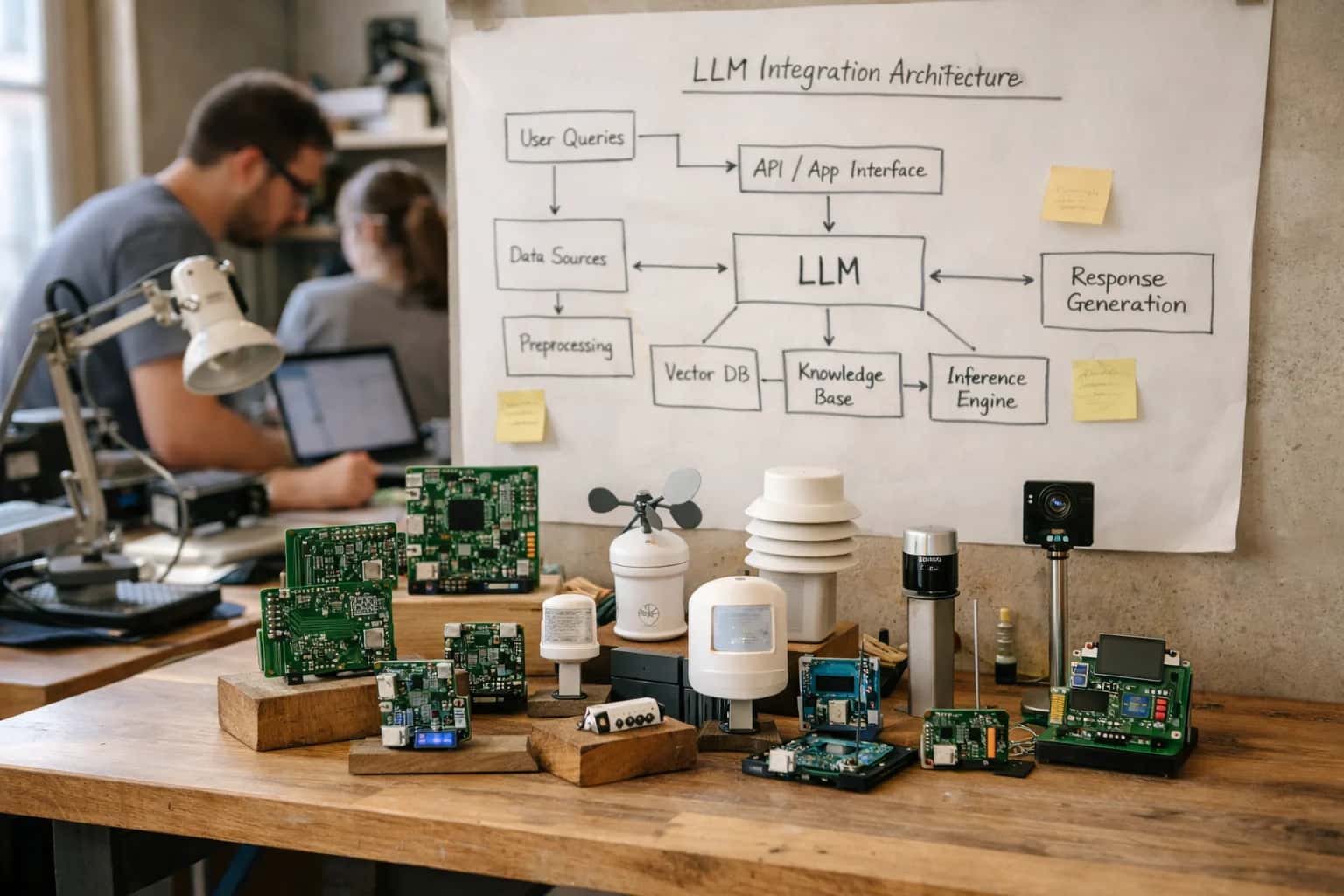
ARCHITECTURE BLUEPRINT
Where AI Fits in iMIS Sponsorship Workflows
A practical guide to integrating AI into iMIS sponsorship sales, fulfillment, and renewal cycles to increase revenue and reduce manual work.
Implementation typically involves a middleware layer that listens for events in iMIS (e.g., a new Sponsorship Opportunity creation) and triggers AI workflows. For example:
- Prospect Scoring: An AI agent analyzes the
Organizationrecord and pastEvent Attendanceto recommend a sponsorship tier and generate a personalized benefits summary. - Contract Drafting: Using approved clause templates, AI populates a draft agreement in the
Sponsorship Agreementobject, pulling in specific deliverables, pricing, and terms. - Fulfillment Reporting: Post-event, AI can synthesize data from iMIS
Event Check-ins,Lead Scans, andSocial Mentionsto auto-generate a first-draft fulfillment report for the sponsor, highlighting key metrics and attendee engagement. - Renewal Identification: By analyzing historical sponsorship
Revenueand loggedMember Interactions, AI can flag at-risk sponsors for proactive outreach and suggest cross-sell opportunities based on similar member profiles.
Rollout should start with a single, high-value workflow—like personalized prospect package generation—to demonstrate quick ROI. Governance is critical: all AI-generated content (proposals, reports) should be reviewed by staff before sending, and all actions must write an audit trail back to iMIS as a Note or Activity. This ensures accountability and allows the system to learn from human corrections. The architecture keeps sensitive member and financial data within iMIS, using secure API calls to inference endpoints for processing, never duplicating data to external platforms unnecessarily.
SPONSORSHIP MANAGEMENT
Key iMIS Modules and Data Surfaces for AI Integration
The Core Sponsorship Data Model
The iMIS Events Management System (EMS) module contains the primary objects for managing sponsorships. AI integration surfaces here include the Sponsorship Package, Exhibitor Record, and Contract objects. These records hold critical data like package benefits, investment levels, fulfillment status, and historical sales notes.
An AI agent can analyze past sponsor ROI by querying these records alongside event attendance and lead capture data. For prospect personalization, the agent can generate draft proposals by pulling approved benefit descriptions, pricing tiers, and contract clauses from these objects. Key workflows to automate include contract generation, benefit fulfillment tracking, and post-event report drafting based on exhibitor activity logs.
SPONSORSHIP MANAGEMENT
High-Value AI Use Cases for iMIS Sponsorship Teams
Move beyond static packages and manual follow-ups. These AI integration patterns connect directly to iMIS sponsorship modules, prospect records, and fulfillment data to automate personalization, predict value, and accelerate sales cycles.
01
Personalized Prospect Package Generation
An AI agent analyzes a prospect's firmographics, past iMIS event attendance, and industry from their record, then dynamically assembles a sponsorship proposal. It pulls relevant case studies, attendee demographics from past events, and suggests tiered benefits that align with the prospect's likely goals, drafting the initial document for sales review.
Days -> Hours
Proposal Draft Time
02
Sponsor ROI Analysis & Renewal Prediction
Integrate AI to continuously analyze sponsor performance data in iMIS—lead counts, booth traffic, brand mentions, post-event survey feedback—and generate a predictive renewal score. The system surfaces at-risk sponsors early and provides a summarized ROI narrative to guide retention conversations, logged directly to the sponsor account.
Batch -> Real-time
Insight Delivery
03
Automated Fulfillment Reporting
Replace manual post-event report assembly. An AI workflow aggregates data from iMIS EMS (attendee lists, session scans), social media, and the website to auto-generate sponsor fulfillment reports. It summarizes deliverables met (e.g., 'Sent 150 qualified leads'), includes sample testimonials, and drafts a personalized thank-you email for the account manager.
1-2 Weeks
Time to Report
04
Cross-Sell & Upsell Opportunity Identification
An AI model scans all sponsor records and iMIS event history to identify patterns. It flags current sponsors who only buy at one event type but attend others, or whose spend has plateaued, and recommends specific add-ons (e.g., mobile app ads, webinar series) with a rationale. Alerts are pushed to the sales team's dashboard with suggested talking points.
05
Intelligent Sponsor-Attendee Matchmaking
For event sponsors, an AI agent analyzes registered attendee profiles (job titles, interests from iMIS) and matches them to relevant sponsors based on sponsor goals (e.g., recruiting, product demos). It can power a 'recommended booths' feature in the event app and pre-schedule a set of high-value introductions for VIP sponsors.
Manual -> Automated
Lead Quality
06
Contract & Invoice Data Extraction
Streamline back-office operations. An AI document processing pipeline ingests signed PDF sponsorship contracts and extracts key terms (value, payment schedule, benefits, contact info) to auto-populate corresponding iMIS records. It also validates invoice amounts against contract terms, flagging discrepancies for finance review before sending.
Hours -> Minutes
Data Entry
PRACTICAL IMPLEMENTATION PATTERNS
Example AI-Powered Sponsorship Workflows
These workflows illustrate how AI agents and automations can be integrated directly into iMIS to augment sponsorship sales and fulfillment. Each pattern connects to specific iMIS modules, APIs, and data objects to deliver measurable efficiency gains.
Trigger: A sales rep adds a new Company record in iMIS and tags it with a Sponsorship Prospect status.
AI Agent Actions:
- Context Retrieval: The agent queries the iMIS API for:
- The prospect's industry (
NAICS Code) and company size from theCompanyrecord. - Past sponsorship history of similar companies (from
Order HistoryandEvent Registrationmodules). - Upcoming events with open sponsorship inventory (
EMS Eventsmodule).
- The prospect's industry (
- ROI Analysis & Tier Recommendation: Using retrieved data, the LLM analyzes which sponsorship tiers (
Gold,Silver,Bronze) and specific benefits (e.g., logo placement, speaking slots) delivered the highest ROI for similar past sponsors. It generates a brief justification. - Document Assembly: The agent drafts a personalized proposal by populating a dynamic template. It pulls:
- Approved boilerplate clauses from the iMIS
Document Library. - Specific event agendas and attendee demographics from the
EMSmodule. - Relevant case study blurbs tagged by industry.
- Approved boilerplate clauses from the iMIS
System Update: A draft proposal document is attached to the Company record in iMIS, and the sales rep receives a notification with the AI's tier recommendation and a link to review/edit the draft.
SPONSORSHIP MANAGEMENT
Implementation Architecture: Connecting AI to iMIS
A practical blueprint for integrating AI agents into iMIS to automate sponsor prospecting, package personalization, and fulfillment reporting.
The integration connects to iMIS via its REST API and iParts framework, targeting core sponsorship objects: Sponsorship, Event, Organization, and Contact. An AI orchestration layer sits between iMIS and language models (like OpenAI or Anthropic), using iMIS data to power three key workflows: 1) Prospect Analysis – an AI agent queries historical Sponsorship records and Event attendance to calculate past sponsor ROI and identify similar, high-potential Organization targets. 2) Package Generation – using analyzed data, the agent drafts personalized proposal documents by pulling approved boilerplate from iMIS document libraries and dynamically inserting prospect-specific benefits and pricing. 3) Fulfillment Reporting – post-event, the agent generates draft fulfillment reports by summarizing sponsor deliverables logged in iMIS tasks and pulling attendee engagement metrics from the event module.
Implementation typically involves a middleware service (e.g., built with n8n or a custom Node.js app) that listens for webhooks from iMIS—such as a new Lead creation tagged as a sponsorship opportunity—and triggers the AI workflow. The service fetches the relevant context from iMIS, calls the LLM with a structured prompt, and writes the results back to iMIS as notes on the Organization record, attaches generated documents, or creates tasks for the sales team. For governance, all AI-generated content is logged in a separate audit table with a human-in-the-loop approval step before being sent to prospects, ensuring brand and compliance control. This architecture keeps iMIS as the system of record while augmenting sales operations with intelligence.
Rollout focuses on a phased approach: start with internal sales copilots that generate prospect analysis for account managers within iMIS screens, then progress to automated draft generation for renewal packages, and finally to cross-sell identification that alerts teams to existing members who are prime sponsorship candidates for other events. This minimizes risk and allows staff to build trust in the AI's recommendations. For a deeper dive into automating other financial operations, see our guide on AI Integration with iMIS for Dues Processing.
AI INTEGRATION WITH IMIS FOR SPONSORSHIP MANAGEMENT
Code and Payload Examples
Analyzing Past ROI for Prospect Scoring
An AI agent can query the iMIS database to analyze historical sponsorship performance, correlating sponsor attributes with engagement metrics. This analysis generates a predictive score for new prospects, which is written back to a custom ProspectScore field on the Company record. This enables sales teams to prioritize outreach.
Example Python Logic (Pseudo-API):
python# Query iMIS for past sponsor data sponsor_history = query_imis_sql(""" SELECT c.COMPANY_NAME, s.SPONSOR_LEVEL, e.EVENT_NAME, s.INVESTMENT_AMOUNT, l.LEADS_GENERATED, e.ATTENDEE_COUNT FROM SPONSORSHIP s JOIN COMPANY c ON s.COMPANY_ID = c.COMPANY_ID JOIN EVENT e ON s.EVENT_ID = e.EVENT_ID LEFT JOIN LEAD l ON s.SPONSORSHIP_ID = l.SOURCE_ID WHERE s.STATUS = 'Fulfilled' """) # Use AI to calculate a composite ROI score prospect_score = ai_analyze_roi(sponsor_history) # Update the prospect company record update_payload = { "CompanyId": prospect_company_id, "CustomFields": { "ProspectScore": prospect_score, "ScoreReason": "High historical engagement in similar tier events" } } update_imis_company(update_payload)
This score can then trigger automated workflows in iMIS for tiered follow-up sequences.
SPONSORSHIP SALES AND FULFILLMENT
Realistic Time Savings and Business Impact
How AI integration with iMIS transforms manual, reactive sponsorship operations into a proactive, data-driven sales and service function.
| Metric | Before AI | After AI | Notes |
|---|---|---|---|
Prospect Package Creation | 4-6 hours per prospect | 20-30 minutes per prospect | AI drafts personalized decks using iMIS sponsor history, prospect firmographics, and past ROI data. |
Sponsor ROI Analysis | Manual spreadsheet compilation (1-2 days) | Automated report generation (same-day) | AI aggregates iMIS event data, lead scans, and survey feedback into a narrative impact summary. |
Cross-Sell Opportunity Identification | Ad-hoc, based on sales intuition | Weekly automated alerts with recommendations | AI analyzes sponsor category, spend history, and engagement to suggest relevant add-ons. |
Fulfillment Report Drafting | Post-event manual write-up (3-4 hours) | First draft generated post-event (1 hour) | AI compiles deliverables met, attendee metrics, and sponsor mentions from integrated data sources. |
Contract Clause Assembly | Copy-paste from previous contracts | Dynamic generation from approved templates | AI pulls standard terms and inserts sponsor-specific benefits, reducing legal review cycles. |
Renewal Outreach Timing | Calendar-based, 90 days before expiry | Behavior-triggered, based on engagement signals | AI monitors iMIS for sponsor logins, lead inquiries, and event attendance to time personalized outreach. |
Sponsorship Inventory Forecasting | Manual review of past event sales | Predictive modeling of tier demand | AI uses historical iMIS data and current pipeline to forecast sell-out risk and recommend pricing adjustments. |
CONTROLLED IMPLEMENTATION FOR SPONSORSHIP REVENUE
Governance, Security, and Phased Rollout
A secure, phased approach to integrating AI into iMIS sponsorship workflows, ensuring data governance and measurable impact.
An AI integration for iMIS sponsorship management must operate within the platform's existing security model and data governance policies. This means the AI agent or service should authenticate via iMIS REST API using service accounts with role-based access control (RBAC) scoped strictly to the necessary objects: Sponsorship, Organization, Contact, Event, and historical Invoice and Payment records. All AI-generated content—like personalized prospect packages or fulfillment report drafts—should be written to a staging table or a Note object with a draft status flag, triggering a human-in-the-loop approval workflow before being emailed or attached to a sponsor record. This creates a clear audit trail and prevents unintended communications.
A practical rollout starts with a read-only analysis phase. Here, the AI system ingests historical sponsorship data to build initial ROI models and identify cross-sell patterns, producing dashboards without making changes. The second phase introduces assistive drafting, where sales teams can trigger the AI to generate a first-draft sponsorship proposal within iMIS, pulling from approved template libraries and past successful packages. The final, controlled phase enables proactive alerts, where the AI monitors new Organization records or Event creations to suggest sponsorship matches and auto-draft outreach, all requiring manager approval before sending.
Governance is maintained through regular reviews of AI suggestions versus human decisions, tracking metrics like draft acceptance rate and sponsorship conversion lift. Data privacy is paramount; sponsor financial details used for ROI analysis should be aggregated and anonymized at the model training stage. By phasing the integration, your team de-risks the implementation, builds trust in the AI's outputs, and incrementally automates the sponsorship lifecycle from prospecting to fulfillment reporting, all within the secure confines of your iMIS instance.
Enabling Efficiency, Speed & Accuracy
Intelligent Analysis, Decision & Execution
We build AI systems for teams that need search across company data, workflow automation across tools, or AI features inside products and internal software.
Talk to Us
Search across company data
Give teams answers from docs, tickets, runbooks, and product data with sources and permissions.
Useful when people spend too long searching or get different answers from different systems.
Enterprise searchRAGPermissions
Read more
Automate internal workflows
Use AI to route work, draft outputs, trigger actions, and keep approvals and logs in place.
Useful when repetitive work moves across multiple tools and teams.
AI agentsWorkflow automationGovernance
Read more
Add AI to products and internal tools
Build assistants, guided actions, or decision support into the software your team or customers already use.
Useful when AI needs to be part of the product, not a separate tool.
AI integrationDecision supportModel routing
Read moreIMPLEMENTATION
Frequently Asked Questions
Common technical and strategic questions about integrating AI agents and copilots with iMIS to automate and enhance sponsorship sales, fulfillment, and renewal workflows.
AI integration connects via iMIS REST API or direct database access (for on-premise deployments) to analyze historical sponsorship data. The typical architecture involves:
-
Data Extraction: An automated job pulls key records from iMIS tables:
Sponsorshiprecords (tier, amount, year)- Related
EventandExhibitdata OrganizationandContactrecords for sponsor companiesActivityandNotehistory for past interactions and fulfillment.
-
ROI Analysis Layer: An AI agent processes this data to calculate and infer ROI metrics, such as:
- Lead volume from sponsored sessions
- Attendee engagement with exhibit booths
- Media mentions and logo impressions
-
Context for Proposals: These analyzed insights are stored in a vector database (like Pinecone) alongside approved proposal templates and brand guidelines. When a sales rep works a prospect, the AI retrieves relevant, similar past successes to personalize the new package.
This setup requires read-only API credentials with scope to the relevant iMIS modules and a secure environment for the AI processing layer.

About the author
Prasad Kumkar
CEO & MD, Inference Systems
Prasad Kumkar is the CEO & MD of Inference Systems and writes about AI systems architecture, LLM infrastructure, model serving, evaluation, and production deployment. Over 5+ years, he has worked across computer vision models, L5 autonomous vehicle systems, and LLM research, with a focus on taking complex AI ideas into real-world engineering systems.
His work and writing cover AI systems, large language models, AI agents, multimodal systems, autonomous systems, inference optimization, RAG, evaluation, and production AI engineering.
LinkedIn
Limited slotsGet a Free AI Consultation
Partnered with leading AI, data, and software stack.





How We Work
Custom AI workflows for your Business
One-fit-all AI don't work for modern businesses. At Inferensys, we aim to understand your business & custom requirements; which we use to define most efficient agentic workflows, the data, and the tools for your business.
01
Review the use case
We understand the task, the users, and where AI can actually help.
Read more02
Pick the right approach
We define what needs search, automation, or product integration.
Read more03
Build the first useful version
We implement the part that proves the value first.
Read more04
Improve from there
We add the checks and visibility needed to keep it useful.
Read moreThe first call is a practical review of your use case and the right next step.
Talk to Us