
Differences
AI Budget Guardrail Tools
AI Budget Guardrail Tools
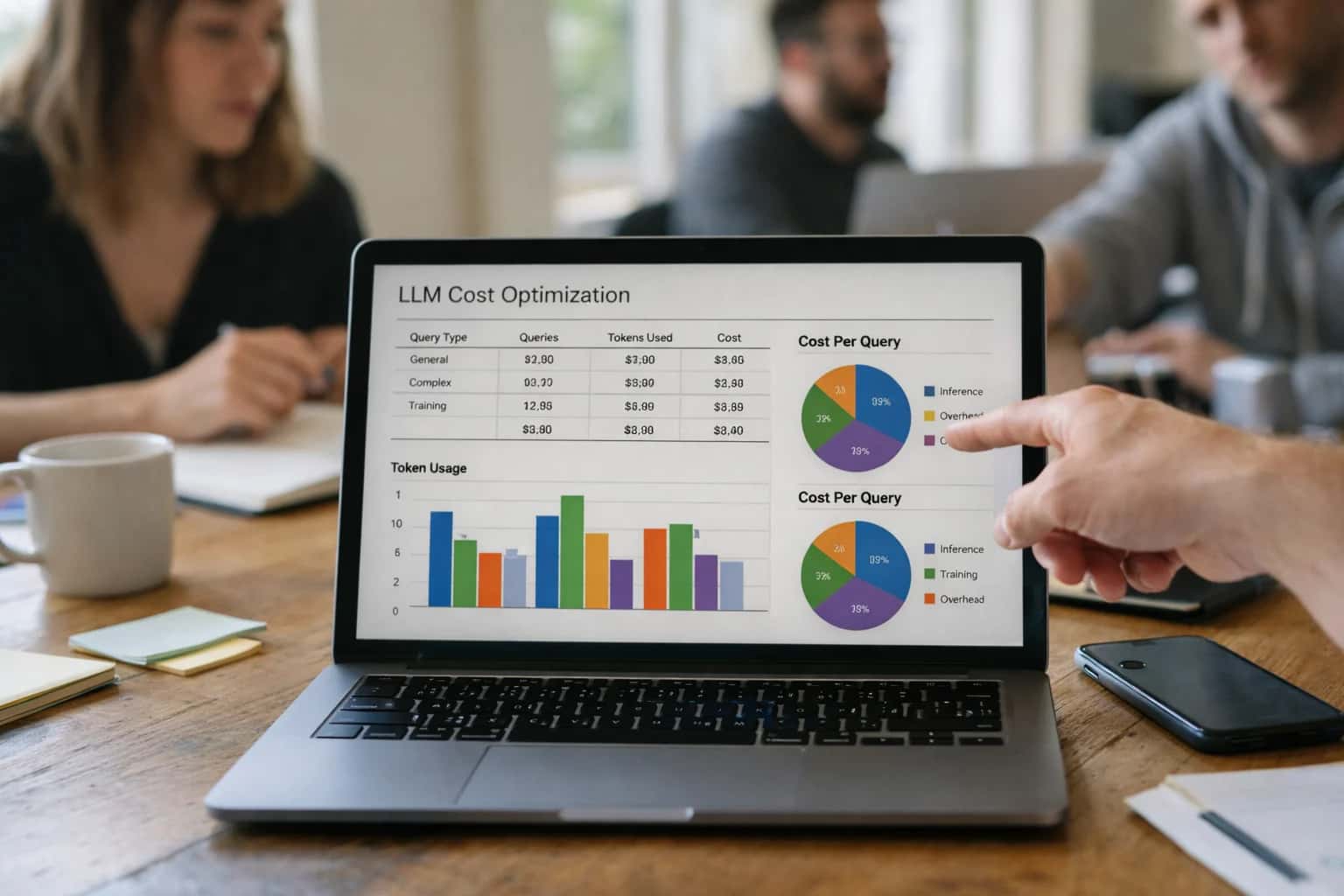
Comparisons related to hard limits, policy-as-code, and automated cost anomaly alerts for AI workloads. Target: Platform engineering and finance teams preventing runaway AI spend.
CAST AI vs CloudZero: AI FinOps Platform Comparison
Head-to-head comparison of CAST AI's automated Kubernetes cost optimization and CloudZero's engineering-led cost intelligence for AI/ML workloads. Covers GPU rightsizing, anomaly detection, and showback accuracy for platform teams.
Harness CCM vs CAST AI: Cloud Cost Governance for AI
Compares Harness Cloud Cost Management's policy-as-code and governance features against CAST AI's autonomous optimization engine. Focuses on budget guardrails, auto-stop rules, and integration depth for AI infrastructure.
Vantage vs CloudZero: AI Spend Visibility and Allocation
Evaluates Vantage's per-unit cost reporting and intuitive dashboards against CloudZero's engineering-anchored cost per feature approach. Key criteria include AI workload tagging, anomaly alerting, and FinOps team workflows.
Kubecost vs CAST AI: Kubernetes-Native AI Cost Control
Compares Kubecost's open-source cost allocation and monitoring for Kubernetes against CAST AI's commercial optimization and autoscaling. Focuses on GPU cost visibility, namespace chargeback, and savings realization for MLOps.
Infracost vs CloudZero: Shift-Left AI Infrastructure Budgeting
Analyzes Infracost's pull-request cost estimation against CloudZero's real-time cost intelligence. Covers Terraform integration, AI resource planning accuracy, and bridging pre-deployment estimates with production spend.
Datadog Cloud Cost Management vs Vantage: Observability-Driven FinOps
Compares Datadog's unified observability and cost correlation against Vantage's specialized cost optimization dashboards. Evaluates GPU metric-to-cost mapping, anomaly detection, and alerting for AI workloads.
AWS Budgets vs Azure Cost Management: Native AI Spend Guardrails
Compares AWS Budgets' threshold alerts and action triggers against Azure Cost Management's budget scopes and analysis. Focuses on multi-service AI spend tracking, forecasting accuracy, and automated remediation capabilities.
Apptio Cloudability vs CloudZero: Enterprise ITFM for AI Era
Evaluates Apptio Cloudability's IT financial management rigor against CloudZero's engineering-first cost intelligence. Covers AI workload showback, chargeback models, and TCO analysis for CIO and CFO strategic planning.
PagerDuty AIOps vs Datadog Watchdog: AI Cost Anomaly Alerting
Compares PagerDuty's incident-driven AIOps alerting against Datadog Watchdog's automated anomaly detection for AI spend. Focuses on noise reduction, root-cause correlation, and automated runbook triggers for budget breaches.
OpenCost vs Kubecost: Open-Source Kubernetes Cost Monitoring
Compares OpenCost's community-driven cost allocation specification against Kubecost's richer commercial feature set. Evaluates GPU cost accuracy, multi-cluster visibility, and API-driven budget enforcement for AI platforms.
Grafana Cloud vs Datadog: AI Cost Dashboarding and Visualization
Compares Grafana Cloud's composable, open-source-aligned dashboards against Datadog's integrated observability suite. Focuses on GPU utilization panels, token cost trends, and Prometheus-based budget alerting for AI teams.
ProsperOps vs CAST AI: Autonomous vs Automated Cloud Savings
Evaluates ProsperOps' autonomous commitment management against CAST AI's automated instance selection and scaling. Covers discount instrument orchestration, GPU reservation strategies, and hands-free savings for AI compute.
Flexera One vs Apptio Cloudability: Hybrid AI Cost Governance
Compares Flexera One's broad hybrid IT asset management against Apptio Cloudability's deep public cloud financial management. Focuses on AI workload optimization, license compliance, and multi-cloud budget orchestration.
Anodot vs Finout: AI-Driven Spend Anomaly Detection
Compares Anodot's autonomous business monitoring and correlation engine against Finout's cost observability suite. Evaluates real-time AI cost spike detection, root cause isolation, and cross-signal correlation for FinOps teams.
nOps vs CAST AI: AWS-Focused AI Cost Optimization
Compares nOps' AWS Well-Architected Framework alignment and commitment management against CAST AI's multi-cloud Kubernetes optimization. Focuses on GPU instance rightsizing, spot instance automation, and savings realization for AI/ML.
Densify vs IBM Turbonomic: AI Workload Resource Matching
Compares Densify's analytical workload profiling against IBM Turbonomic's real-time, intent-driven resource management. Evaluates GPU density optimization, non-disruptive scaling, and policy compliance for AI inference and training.
Zesty vs ProsperOps: Automated Commitment Management for AI
Compares Zesty's AI-driven commitment automation and block storage optimization against ProsperOps' autonomous discount instrument management. Focuses on GPU reservation coverage, risk-free savings, and integration with AI compute scaling.
Spot by NetApp vs CAST AI: Cloud-Native AI Infrastructure Automation
Compares Spot by NetApp's Ocean serverless Kubernetes engine against CAST AI's autonomous cluster optimization. Evaluates spot GPU instance reliability, cost-aware pod placement, and automated scaling for AI/ML workloads.
Partnered with leading AI, data, and software stack.





How We Work
Custom AI workflows for your Business
One-fit-all AI don't work for modern businesses. At Inferensys, we aim to understand your business & custom requirements; which we use to define most efficient agentic workflows, the data, and the tools for your business.
01
Review the use case
We understand the task, the users, and where AI can actually help.
Read more02
Pick the right approach
We define what needs search, automation, or product integration.
Read more03
Build the first useful version
We implement the part that proves the value first.
Read more04
Improve from there
We add the checks and visibility needed to keep it useful.
Read moreThe first call is a practical review of your use case and the right next step.
Talk to Us