
Comparisons
Automated Compliance Reporting for Global ESG
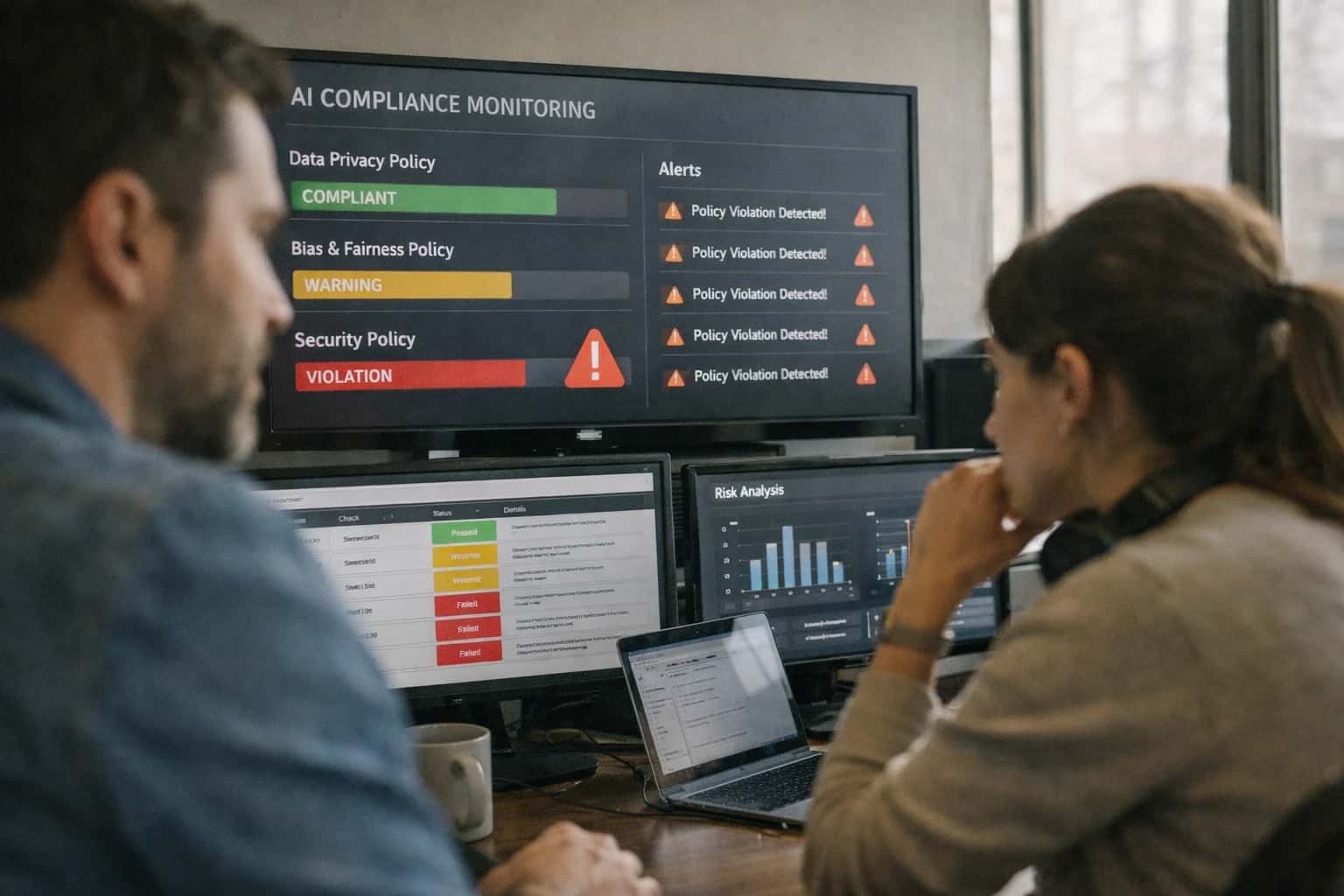
Automated Compliance Reporting for Global ESG
Organizations are using AI to 'reduce reporting friction' and map evidence to framework requirements. This pillar compares AI agents for 'narrative disclosure drafting' and 'XBRL tagging' for digital filings. Comparisons focus on 'reporting accuracy' vs. 'manual processing costs' for corporate governance departments.
GPT-4 for ESG Disclosures vs Claude Opus for ESG Disclosures
Comparison of leading foundation models for drafting and analyzing complex ESG narrative disclosures, focusing on accuracy, regulatory nuance, and cost-effectiveness in 2026.
Fine-Tuned LLM for ESG Reporting vs Prompt-Engineered LLM for ESG Reporting
Evaluating the trade-offs between custom fine-tuning on proprietary ESG data versus sophisticated prompt engineering for compliance accuracy and operational cost.
AI-Driven XBRL Tagging vs Rule-Based XBRL Tagging
Comparison of AI-powered contextual tagging for digital ESG filings against traditional, deterministic rule engines for accuracy and maintenance overhead in 2026.
Specialized ESG AI Agent vs General-Purpose AI Agent
Assessing domain-specific agents built for compliance workflows against flexible, general-purpose agents for end-to-end ESG reporting orchestration and tool use.
AI for CSRD Narrative vs AI for TCFD Narrative
Comparing AI system requirements and model capabilities for drafting disclosures under the EU's CSRD double materiality framework versus the TCFD's climate-focused recommendations.
AI with RAG for ESG Compliance vs AI without RAG for ESG Compliance
Analyzing the impact of Retrieval-Augmented Generation on accuracy, auditability, and hallucination rates when mapping evidence to framework requirements in 2026.
AI-Powered Double Materiality Assessment vs Traditional Materiality Assessment
Comparing AI-driven analysis of financial and impact materiality using NLP on stakeholder data against traditional workshop-based methods for speed and defensibility.
AI-Powered Data Extraction for ESG vs Human Data Entry
Comparing the accuracy and throughput of AI models extracting unstructured ESG data from reports and PDFs against manual human entry for data aggregation.
Automated Regulatory Change Tracking vs Manual Tracking
Assessing AI systems that continuously monitor and summarize updates to frameworks like GRI, SASB, and EU Taxonomy against manual legal and consultant review.
AI for EU Taxonomy Alignment vs Manual Taxonomy Alignment
Comparing NLP-based screening and substantial contribution assessment for the EU Taxonomy against expert-led manual analysis for technical screening criteria.
AI-Powered Assurance Workflow vs Manual Assurance Workflow
Evaluating AI-driven platforms that prepare audit trails, evidence packs, and control testing for external auditors against manual, document-heavy assurance processes.
AI for Integrated Financial & ESG Reporting vs Separate Reporting
Comparing AI systems designed to weave ESG narratives and metrics into annual financial reports against tools that produce standalone ESG reports for IFRS S1/S2 compliance.
AI for Supply Chain ESG Data Collection vs Manual Collection
Assessing AI agents that autonomously query supplier portals and analyze contracts for ESG data against traditional surveys and manual follow-up for Scope 3 reporting.
AI-Powered Sentiment Analysis for ESG vs Keyword Analysis
Comparing advanced LLM-driven sentiment and theme analysis of stakeholder engagements against simple keyword counting for materiality and risk assessment.
Partnered with leading AI, data, and software stack.





How We Work
Custom AI workflows for your Business
One-fit-all AI don't work for modern businesses. At Inferensys, we aim to understand your business & custom requirements; which we use to define most efficient agentic workflows, the data, and the tools for your business.
01
Review the use case
We understand the task, the users, and where AI can actually help.
Read more02
Pick the right approach
We define what needs search, automation, or product integration.
Read more03
Build the first useful version
We implement the part that proves the value first.
Read more04
Improve from there
We add the checks and visibility needed to keep it useful.
Read moreThe first call is a practical review of your use case and the right next step.
Talk to Us