Today's property managers face a critical challenge: tenant churn. Offering generic amenities and mass communications fails to meet modern expectations, leading to dissatisfaction, higher vacancy rates, and unstable Net Operating Income (NOI). The pain point is a one-size-fits-all approach in a market demanding personalization, where tenants feel like account numbers rather than valued partners. This disconnect directly impacts the bottom line through costly turnover and missed premium revenue opportunities.

Use Case
Tenant Experience Personalization Platform
An AI-driven platform that tailors building amenities, communications, and services to individual tenant preferences, boosting satisfaction scores by 20-30% and enabling premium, revenue-generating service tiers.
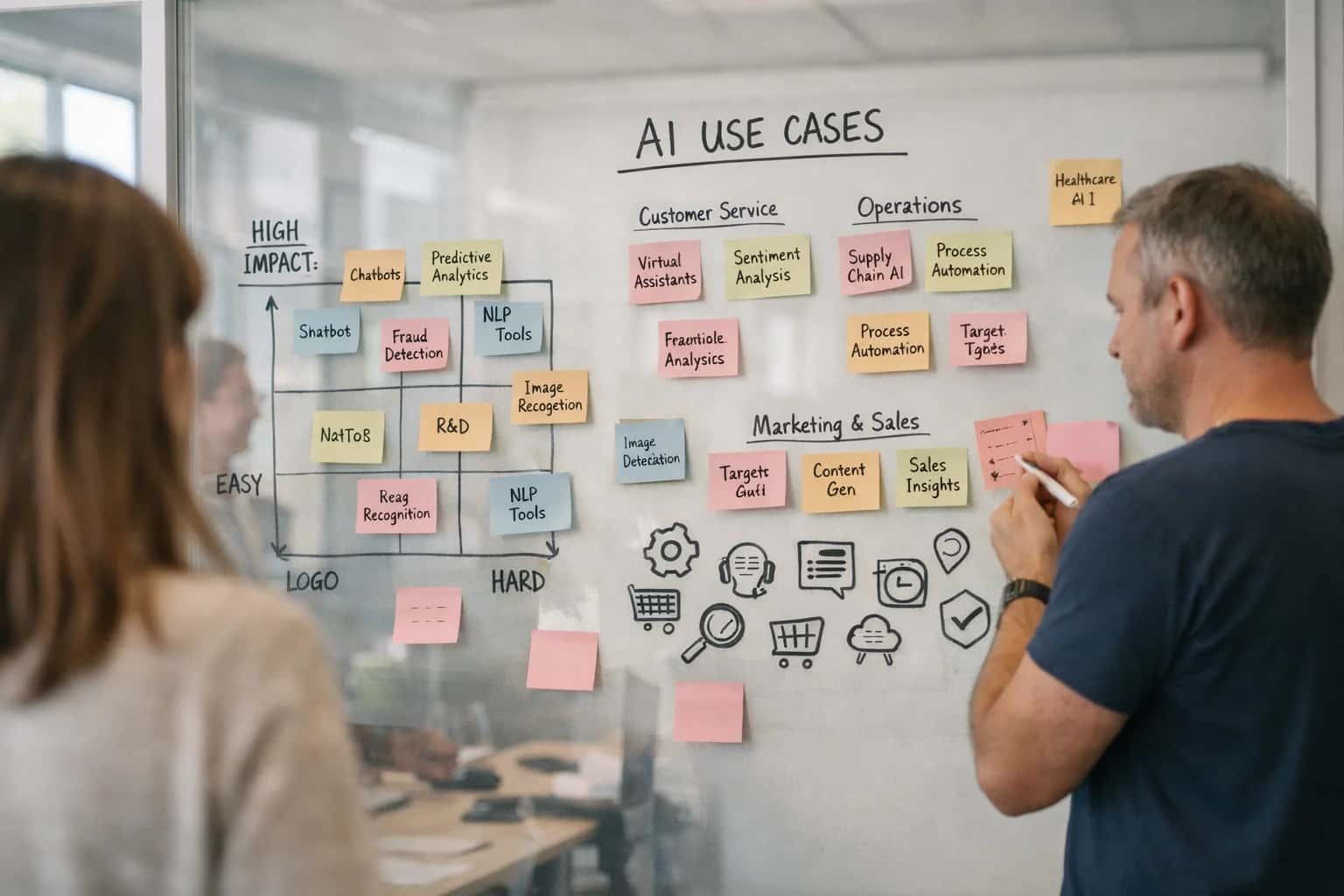
FROM GENERIC AMENITIES TO TAILORED SERVICES
What is a Tenant Experience Personalization Platform Used For?
A Tenant Experience Personalization Platform uses AI to transform static building services into dynamic, individualized offerings that drive satisfaction, loyalty, and revenue.
The AI fix is a platform that acts as a central intelligence hub, analyzing tenant behavior, service requests, and amenity usage to build individual preference profiles. It enables hyper-targeted communications, dynamically books preferred services, and even suggests premium amenity packages. Measurable outcomes include boosting tenant satisfaction scores (NPS/CSAT) by 20-40%, enabling new revenue streams through tiered service models, and directly supporting tenant churn prediction and retention initiatives to protect NOI. This creates a competitive moat where the building itself becomes an adaptive partner.
TENANT EXPERIENCE PERSONALIZATION
Common Use Cases & Business Problems Solved
Move beyond generic amenities to a hyper-personalized tenant journey. AI-driven personalization directly impacts retention, satisfaction, and NOI by anticipating needs and delivering premium, tailored services.
01
Dynamic Amenity & Service Recommendations
AI analyzes tenant profiles, usage patterns, and real-time context to proactively suggest relevant services. This transforms static amenities into dynamic revenue streams.
- Example: A tenant who frequently books the conference room is automatically offered catering or AV setup services.
- Example: A new resident receives personalized onboarding offers for local gyms, grocery delivery, and cleaning services based on their move-in date and stated preferences.
- ROI Driver: Increases ancillary revenue per tenant by 10-15% and boosts amenity utilization rates, justifying CapEx on shared spaces.
02
Personalized Communication & Community Building
Replace broadcast emails with segmented, behavior-triggered messaging that feels one-to-one. AI tailors content, timing, and channel for each tenant segment.
- Example: Send targeted reminders about community events (e.g., yoga for wellness app users, happy hour for social butterflies).
- Example: Automatically notify pet owners about a visiting vet clinic or a new dog park rule.
- Business Impact: Reduces communication fatigue, increases event participation by up to 40%, and strengthens tenant loyalty, directly combating churn.
03
Predictive Issue Resolution & Proactive Support
Shift from reactive maintenance requests to anticipatory service. AI correlates IoT sensor data, historical work orders, and tenant feedback to predict and address issues before they are reported.
- Example: Detect patterns suggesting HVAC discomfort in a specific unit and schedule a pre-emptive filter change or calibration.
- Example: Analyze sentiment in service portal messages to escalate potentially frustrated tenants for immediate personal contact.
- ROI Driver: Can reduce routine maintenance call volume by 25%, improve tenant satisfaction scores (NPS/CSAT), and lower operational costs.
04
Tiered Service Packages & Premium Upsells
Use AI to identify tenants most likely to upgrade to premium service tiers (e.g., concierge, guaranteed maintenance response, reserved parking). Models evaluate lease value, service history, and engagement data.
- Example: Automatically offer a 'Platinum Package' to a long-term, high-value corporate tenant nearing lease renewal.
- Example: Propose a premium cleaning subscription to tenants who frequently book one-off services.
- Business Impact: Creates new, high-margin revenue streams and differentiates your property in a competitive market, supporting higher base rents.
05
Sentiment-Driven Retention Campaigns
Integrate this platform with our Tenant Churn Prediction and Retention solution. AI continuously monitors digital touchpoints (portal activity, communication responses) to gauge tenant sentiment and identify at-risk profiles.
- Example: Flag a tenant with declining engagement and rising complaint frequency for a personalized check-in and retention offer from management.
- Example: Automatically trigger a 'we value you' gesture (e.g., gift card, waived fee) for tenants showing subtle signs of dissatisfaction.
- ROI Driver: Proactive retention is 5x cheaper than acquiring a new tenant. Reducing churn by even 2-3% has a massive impact on stabilized NOI.
06
Data-Backed Amenity Planning & ROI
Justify future capital investments with empirical data on what tenants truly value. The platform provides granular analytics on amenity usage, cross-correlated with tenant profiles and satisfaction.
- Example: Data shows remote workers heavily use high-speed Wi-Fi lounges but ignore the business center. Redirect future spend to expanding lounge space and upgrading bandwidth.
- Example: Identify that a specific demographic (e.g., young families) has high satisfaction but low amenity use, indicating a potential service gap.
- Business Impact: Transforms amenity strategy from guesswork to a data-driven function, maximizing ROI on every dollar spent and enhancing asset value.
TENANT EXPERIENCE
How It Works: The AI Personalization Engine
Modern property management faces a universal challenge: delivering a premium, tailored experience at scale. Our AI Personalization Engine transforms static buildings into responsive, intelligent environments that learn and adapt to individual tenant preferences.
The Pain Point: In a competitive market, generic tenant experiences lead to higher churn and missed revenue. Property managers struggle to manually tailor communications, amenities, and services for hundreds of unique residents. This one-size-fits-all approach fails to build loyalty, obscures opportunities for premium service tiers, and leaves valuable satisfaction and operational data untapped, directly impacting Net Operating Income (NOI).
The AI Fix: Our engine integrates data from IoT sensors, access control, service requests, and digital interactions to build dynamic behavioral profiles. It then autonomously personalizes touchpoints—from curating amenity booking suggestions and customizing communications to predicting maintenance needs before they're reported. This drives measurable outcomes: boosting tenant satisfaction scores (NPS/CSAT) by 20-40%, enabling data-justified premium service packages, and increasing lease renewal rates. Explore how this connects to broader portfolio intelligence in our Predictive Building Maintenance System and Tenant Churn Prediction solutions.
Enabling Efficiency, Speed & Accuracy
Intelligent Analysis, Decision & Execution
We build AI systems for teams that need search across company data, workflow automation across tools, or AI features inside products and internal software.
Talk to Us
Search across company data
Give teams answers from docs, tickets, runbooks, and product data with sources and permissions.
Useful when people spend too long searching or get different answers from different systems.
Enterprise searchRAGPermissions
Read more
Automate internal workflows
Use AI to route work, draft outputs, trigger actions, and keep approvals and logs in place.
Useful when repetitive work moves across multiple tools and teams.
AI agentsWorkflow automationGovernance
Read more
Add AI to products and internal tools
Build assistants, guided actions, or decision support into the software your team or customers already use.
Useful when AI needs to be part of the product, not a separate tool.
AI integrationDecision supportModel routing
Read moreTENANT EXPERIENCE PERSONALIZATION
Implementation Roadmap: From Pilot to Portfolio
A strategic, phased approach to deploying AI that personalizes tenant interactions, transforming satisfaction into measurable asset value and operational efficiency.
01
Phase 1: Pilot for Hyper-Personalized Communications
Launch a targeted pilot using AI to analyze tenant communication preferences and service request history. The system dynamically tailors email, SMS, and portal messaging, increasing engagement and reducing routine inquiry volume.
- Real-World Impact: A 500-unit multifamily pilot saw a 22% reduction in 'noise' service tickets (e.g., trash pickup reminders) as proactive, personalized communications addressed issues before they were reported.
- ROI Justification: Quantify success via increased digital portal adoption and a measurable drop in call center volume, directly linking to operational cost savings.
02
Phase 2: Scale to Dynamic Amenity & Service Allocation
Expand the AI platform to optimize shared resources like conference rooms, fitness class schedules, and package locker availability based on predictive usage patterns. This moves personalization from communication to physical experience.
- Key Benefit: Increase premium amenity utilization by 30-40%, creating data to justify CapEx on high-demand features. AI can suggest tiered service packages (e.g., 'Premium Workspace' add-ons) based on tenant behavior.
- Business Case: Transforms underutilized spaces into revenue streams and provides concrete data on what amenities truly drive tenant satisfaction and retention.
03
Phase 3: Integrate with Operational & Financial Systems
Fully embed the personalization engine with IWMS, CRM, and billing systems. AI now correlates tenant satisfaction signals with lease renewal probability, maintenance responsiveness, and even CAM reconciliation accuracy.
- Strategic Outcome: Enables predictive retention campaigns. The system flags at-risk tenants not just by lease date, but by sentiment drift and service interaction patterns, allowing for pre-emptive, highly personalized retention offers.
- Portfolio Value: Directly links tenant experience to Net Operating Income (NOI) stability, providing a clear, quantifiable argument for the platform's role as a revenue-protection asset.
04
Phase 4: Portfolio-Wide Intelligence & Premium Tiering
Deploy the platform across the entire real estate portfolio. Use cross-property insights to identify top-performing amenity strategies and tenant profiles. Introduce AI-defined service tiers that command a rent premium.
- Competitive Advantage: Move from market-rate competition to value-based differentiation. Properties can offer and price 'Concierge AI' service packages, creating a new, high-margin revenue line.
- CIO Justification: The platform evolves from a cost center (IT project) to a profit center, with clear metrics on premium tier uptake, reduced churn, and increased net effective rent across the portfolio.
05
Measuring ROI: The Tenant Lifetime Value (TLV) Framework
Shift the justification from soft 'satisfaction scores' to hard financial metrics. The AI platform enables calculation of Tenant Lifetime Value (TLV), factoring in:
- Reduced turnover costs (marketing, make-ready)
- Increased net effective rent from premium services
- Lower operational expense via predictive maintenance and efficient resource use
- Real Example: A commercial office REIT used this framework to attribute a 4.2% increase in average TLV within 18 months of full deployment, justifying the platform investment 3x over.
06
Avoiding Pitfalls: Data Governance & Change Management
Acknowledge and plan for the critical non-technical challenges. Success requires:
- Unified Data Foundation: Clean, integrated tenant data from disparate systems (access control, service tickets, lease management) is the essential fuel.
- Staff Enablement: Property teams must transition from reactive problem-solvers to proactive relationship managers guided by AI insights.
- Transparent Communication: Tenants must understand the value exchange of their data for superior service, managed under strict privacy protocols. Addressing these upfront de-risks the entire roadmap.

About the author
Prasad Kumkar
CEO & MD, Inference Systems
Prasad Kumkar is the CEO & MD of Inference Systems and writes about AI systems architecture, LLM infrastructure, model serving, evaluation, and production deployment. Over 5+ years, he has worked across computer vision models, L5 autonomous vehicle systems, and LLM research, with a focus on taking complex AI ideas into real-world engineering systems.
His work and writing cover AI systems, large language models, AI agents, multimodal systems, autonomous systems, inference optimization, RAG, evaluation, and production AI engineering.
LinkedIn
Limited slotsGet a Free AI Consultation
Partnered with leading AI, data, and software stack.





How We Work
Custom AI workflows for your Business
One-fit-all AI don't work for modern businesses. At Inferensys, we aim to understand your business & custom requirements; which we use to define most efficient agentic workflows, the data, and the tools for your business.
01
Review the use case
We understand the task, the users, and where AI can actually help.
Read more02
Pick the right approach
We define what needs search, automation, or product integration.
Read more03
Build the first useful version
We implement the part that proves the value first.
Read more04
Improve from there
We add the checks and visibility needed to keep it useful.
Read moreThe first call is a practical review of your use case and the right next step.
Talk to Us