The traditional creative development process is slow, expensive, and fraught with risk. Writers' rooms face immense pressure to generate fresh, compelling narratives under tight deadlines, often leading to creative fatigue and formulaic output. This pre-production bottleneck delays time-to-market and inflates costs, with studios investing millions in projects without reliable data on audience resonance or commercial potential. The pain point is clear: how do you scale creativity and de-risk the greenlighting process?

Use Case
Generative Script & Storyline Development
Leverage AI as a creative co-pilot to generate ideas, develop character arcs, and brainstorm plotlines, accelerating the pre-production pipeline by up to 70% and reducing development costs.
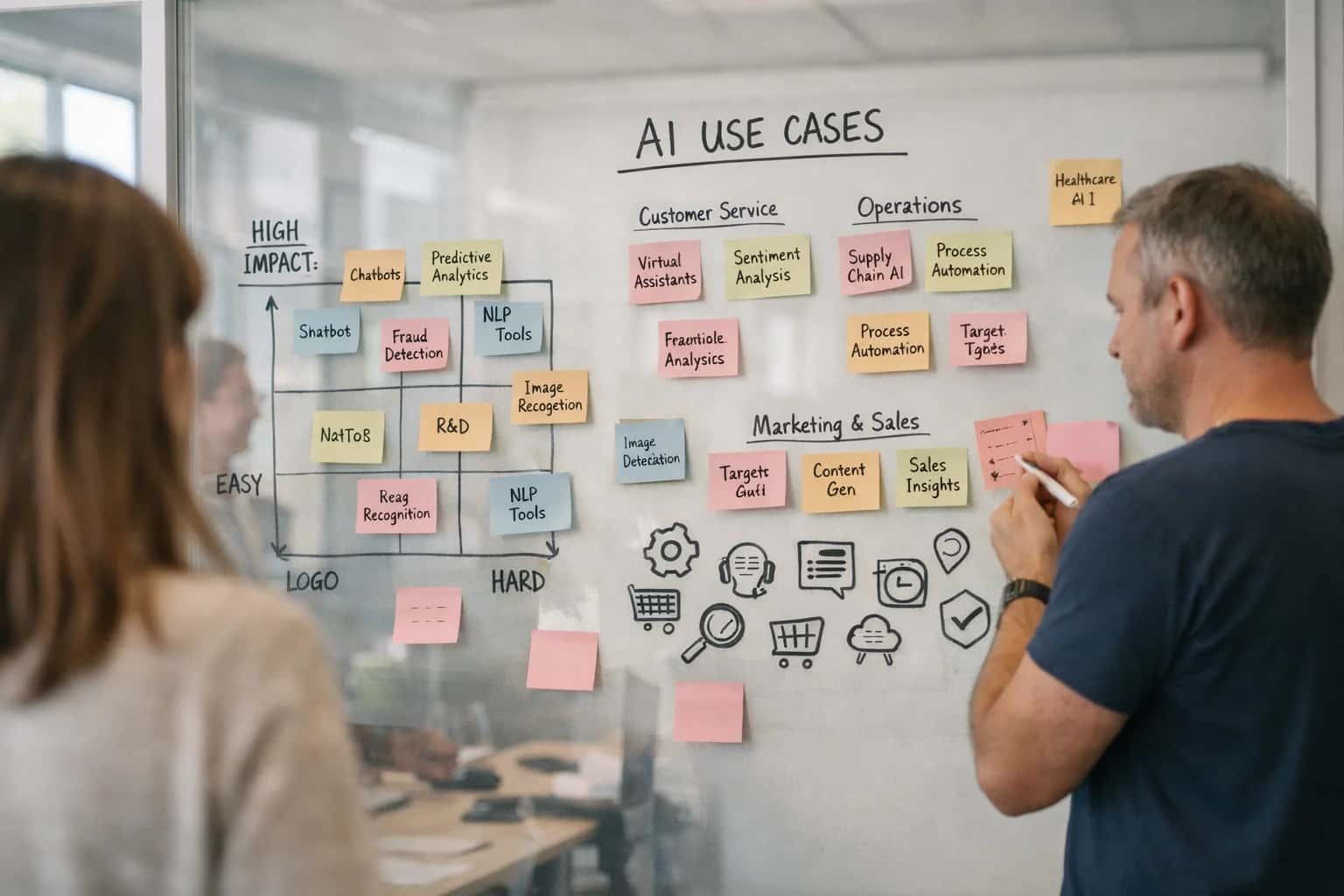
THE CREATIVE BOTTLENECK
What is Generative Script & Storyline Development Used For?
In the high-stakes world of content creation, the ideation and development phase is a critical bottleneck, consuming time and budget before a single frame is shot.
Generative AI acts as a creative co-pilot, accelerating the entire narrative pipeline. Writers use large language models to brainstorm plot variations, develop complex character arcs, and generate dialogue options at unprecedented speed. This isn't about replacing creatives; it's about augmenting them, allowing teams to explore a wider solution space of ideas faster. The measurable outcome is a 20-40% reduction in pre-production timelines and a data-informed approach to storyline validation, directly translating to lower costs and higher confidence in production investments. For a deeper look at AI-driven content strategy, explore our insights on AI-Powered Content Performance Prediction.
GENERATIVE SCRIPT & STORYLINE DEVELOPMENT
Common Use Cases: Where AI Drives ROI in Pre-Production
Move beyond the blank page. AI co-pilots are accelerating creative development, turning months of brainstorming into weeks of structured, data-informed ideation.
01
Accelerate Ideation & Concept Generation
Eliminate creative bottlenecks by using LLMs as a rapid brainstorming partner. Generate dozens of high-concept loglines, thematic explorations, and genre-blending premises in hours instead of weeks.
- Key Benefit: Reduces the initial concept development cycle by 60-80%, allowing teams to explore a wider creative funnel.
- Real Example: A streaming studio used an AI co-pilot to generate 200+ unique sci-fi concepts for a new franchise, identifying three high-potential directions for further development in a single workshop.
02
Develop Complex Character Arcs & Dialogue
Ensure narrative consistency and emotional depth by leveraging AI to model character motivations and generate authentic dialogue.
- Key Benefit: Provides a character bible on-demand, reducing continuity errors and helping writers maintain voice across episodes and seasons.
- ROI Driver: Cuts script revision cycles by an estimated 30-40%, directly lowering labor costs in the writers' room.
- Application: Tools can analyze existing scripts to suggest dialogue improvements or generate alternative scenes that stay true to established character traits.
03
Plot Hole Detection & Structural Analysis
Deploy AI to perform an initial structural audit on draft scripts, identifying logical inconsistencies, pacing issues, and narrative gaps before table reads.
- Key Benefit: Acts as a first-pass editorial assistant, flagging potential issues that human readers might miss, leading to more polished early drafts.
- ROI Driver: Prevents costly rewrites in later, more expensive production stages. Early detection can save hundreds of thousands in post-production fixes.
- Process: The AI maps character interactions, timeline events, and cause-effect chains to highlight inconsistencies.
04
Audience-Centric Story Optimization
Integrate early audience intelligence by testing AI-generated story beats or themes against predictive models trained on historical performance data.
- Key Benefit: Informs creative decisions with data-driven insights on potential audience reception, balancing artistic vision with commercial viability.
- Real Example: A production company used sentiment analysis on social data to refine a show's central conflict, aligning it more closely with target demographic values identified by their Real-Time Audience Intelligence Engine.
- Outcome: Mitigates the risk of greenlighting projects that may not resonate.
05
Rapid Adaptation & Franchise Expansion
Quickly generate narrative blueprints for expanding IP into new formats (e.g., novel to series, game to film) or for creating localized versions of global hits.
- Key Benefit: Dramatically speeds up the adaptation pipeline, allowing studios to capitalize on IP momentum and meet aggressive release schedules.
- ROI Driver: Enables franchise scalability, turning a single successful property into a multi-platform narrative universe faster, securing market share and subscriber retention.
- Use Case: Generating culturally nuanced plot variations for different international markets while preserving core franchise elements.
06
Budget-Aware Narrative Scoping
Use AI to analyze script drafts and provide early estimates on production complexity, flagging scenes that may require VFX, exotic locations, or large casts.
- Key Benefit: Enables financial foresight in the creative process, allowing for narrative adjustments that align with budget constraints before locking the script.
- ROI Driver: Prevents budget overruns rooted in script issues. Proactive scoping can improve production planning accuracy by 20% or more.
- Integration: This analysis feeds directly into the AI-Powered Content Performance Predictor to model the ROI of different creative-scale decisions.
GENERATIVE SCRIPT & STORYLINE DEVELOPMENT
How It Works: The AI-Augmented Creative Workflow
Transform the high-risk, high-cost pre-production phase with AI co-pilots that accelerate ideation and de-risk creative investments.
The traditional creative development process is a bottleneck. Writers face immense pressure to generate fresh, commercially viable ideas under tight deadlines, leading to creative fatigue and high-risk investments in concepts that may not resonate. This slow, intuition-driven pipeline delays production and inflates costs before a single frame is shot, jeopardizing ROI in a competitive market where speed to audience is critical.
Our solution integrates large language models as creative co-pilots. Writers input a core premise, and the AI rapidly generates dozens of script variations, character backstories, and plot twists. This isn't about replacing creativity but augmenting it—providing a sandbox for exploration. The outcome is a 50-70% acceleration in the pre-production timeline and a data-informed portfolio of concepts, allowing studios to greenlight projects with higher confidence in audience appeal and market fit. Explore how this integrates with our broader vision for AI in Media & Entertainment.
GENERATIVE SCRIPT & STORYLINE DEVELOPMENT
Implementation Roadmap: From Pilot to Scale
A strategic, phased approach to deploying AI as a creative co-pilot, moving from low-risk experimentation to enterprise-wide integration that delivers measurable ROI.
01
Phase 1: Ideation & Concept Acceleration
Deploy AI to overcome creative block and generate high-volume, high-variety story concepts. This phase targets the pre-production bottleneck, where traditional brainstorming is slow and resource-intensive.
- Use Case: A studio uses an LLM to generate 500 unique loglines for a sci-fi series in one hour, based on parameters like 'climate change' and 'generation ship'.
- ROI Driver: Reduces concept development time from weeks to days, allowing creative teams to explore a wider creative landscape and identify commercially viable ideas faster.
- Key Outcome: A richer, data-informed pipeline of greenlight-ready projects.
02
Phase 2: Character & World-Building at Scale
Leverage AI to systematically develop deep character backstories, relational dynamics, and consistent story worlds. This ensures narrative cohesion, especially for long-running series or expansive franchises.
- Use Case: An AI agent generates detailed bios for 20 supporting characters, including motivations, flaws, and potential arcs, ensuring all writers are aligned.
- ROI Driver: Dramatically cuts manual research and consistency-checking time, preventing costly narrative contradictions in later production stages.
- Key Outcome: Accelerated writer's room throughput and stronger intellectual property (IP) foundations.
03
Phase 3: Beat Sheet & Structural Analysis
Use AI to analyze plot structure against proven narrative frameworks (e.g., Save the Cat, Hero's Journey). This provides objective feedback on pacing, tension, and emotional payoff before a full script is written.
- Use Case: Upload a treatment; the AI maps beats, identifies act breaks, and flags sections where audience engagement may drop based on comparative analysis.
- ROI Driver: Mitigates the risk of structural flaws that require expensive rewrites after table reads or production has begun.
- Key Outcome: Higher first-draft quality, reducing the number of revision cycles and associated labor costs.
04
Phase 4: Dialogue Generation & Cultural Nuance
Implement AI to draft context-aware dialogue, tailored to character voice, era, and subculture. Advanced models can ensure authenticity and avoid tonal missteps for global audiences.
- Use Case: Generating period-accurate dialogue for a historical drama or crafting authentic Gen-Z slang for a teen series, with sensitivity checks.
- ROI Driver: Frees senior writers from drafting expositional or secondary character dialogue, allowing them to focus on pivotal scenes and core emotional moments.
- Key Outcome: Increased writing team capacity and enhanced authenticity that drives audience connection.
05
Phase 5: Franchise Management & Canon Compliance
Scale AI to act as a canon guardian for large universes (e.g., Marvel, Star Wars). The system cross-references new scripts against established lore, character histories, and previous plot points.
- Use Case: An AI tool automatically flags a proposed plot point that contradicts an event from a comic published 10 years ago.
- ROI Driver: Protects franchise value by preventing fan-alienating continuity errors that can damage brand equity and future revenue streams.
- Key Outcome: Enables scalable, distributed writing across global teams while maintaining a unified, coherent story world.
06
Phase 6: Predictive Audience Resonance Testing
Integrate generative script development with audience intelligence. Use AI to simulate audience reactions to storylines, predict emotional engagement, and forecast potential success metrics before production.
- Use Case: Analyzing a script's themes and character decisions against historical performance data of similar content to predict viewership and engagement scores.
- ROI Driver: Informs greenlighting and marketing investments with predictive analytics, shifting decisions from gut feel to data-evidence.
- Key Outcome: Higher success rates for launched content and optimized marketing spend, directly impacting the bottom line. This phase connects deeply with our insights on Real-Time Audience Intelligence Engine and AI-Powered Content Performance Predictor.
Enabling Efficiency, Speed & Accuracy
Intelligent Analysis, Decision & Execution
We build AI systems for teams that need search across company data, workflow automation across tools, or AI features inside products and internal software.
Talk to Us
Search across company data
Give teams answers from docs, tickets, runbooks, and product data with sources and permissions.
Useful when people spend too long searching or get different answers from different systems.
Enterprise searchRAGPermissions
Read more
Automate internal workflows
Use AI to route work, draft outputs, trigger actions, and keep approvals and logs in place.
Useful when repetitive work moves across multiple tools and teams.
AI agentsWorkflow automationGovernance
Read more
Add AI to products and internal tools
Build assistants, guided actions, or decision support into the software your team or customers already use.
Useful when AI needs to be part of the product, not a separate tool.
AI integrationDecision supportModel routing
Read moreGENERATIVE SCRIPT DEVELOPMENT
Frequently Asked Questions for Decision Makers
Integrating AI into the creative process raises critical questions about control, quality, and return on investment. This FAQ addresses the top concerns of media executives and production leaders.
Generative AI acts as a creative co-pilot, not an autonomous author. The key is establishing a structured feedback loop. You start by feeding the model your brand bible, past scripts, and character guidelines. The AI generates options, which your human writers then refine, edit, and approve. This process accelerates ideation and first drafts while ensuring final output aligns with your creative vision. Think of it as scaling your best writers' brainstorming capacity, not replacing their final judgment. For a deeper look at human-AI collaboration frameworks, see our insights on AI-Human Collaboration and Super-Agency Frameworks.

About the author
Prasad Kumkar
CEO & MD, Inference Systems
Prasad Kumkar is the CEO & MD of Inference Systems and writes about AI systems architecture, LLM infrastructure, model serving, evaluation, and production deployment. Over 5+ years, he has worked across computer vision models, L5 autonomous vehicle systems, and LLM research, with a focus on taking complex AI ideas into real-world engineering systems.
His work and writing cover AI systems, large language models, AI agents, multimodal systems, autonomous systems, inference optimization, RAG, evaluation, and production AI engineering.
LinkedIn
Limited slotsGet a Free AI Consultation
Partnered with leading AI, data, and software stack.





How We Work
Custom AI workflows for your Business
One-fit-all AI don't work for modern businesses. At Inferensys, we aim to understand your business & custom requirements; which we use to define most efficient agentic workflows, the data, and the tools for your business.
01
Review the use case
We understand the task, the users, and where AI can actually help.
Read more02
Pick the right approach
We define what needs search, automation, or product integration.
Read more03
Build the first useful version
We implement the part that proves the value first.
Read more04
Improve from there
We add the checks and visibility needed to keep it useful.
Read moreThe first call is a practical review of your use case and the right next step.
Talk to Us