The modern brand faces a constant, invisible threat: a negative narrative can spiral from a single social media post into a full-blown crisis in hours. The pain point is the reputational lag—by the time your PR team catches wind of a brewing storm, the damage is already done. This reactive posture leads to costly firefighting, eroded customer trust, and measurable revenue loss from churn. Traditional monitoring tools that deliver weekly reports are simply too slow for today's digital velocity, leaving brands vulnerable.

Use Case
Real-Time Sentiment Analysis for Brand Protection
Continuously monitor customer conversations across channels to detect negative sentiment early, enabling proactive intervention to protect brand reputation and reduce churn.
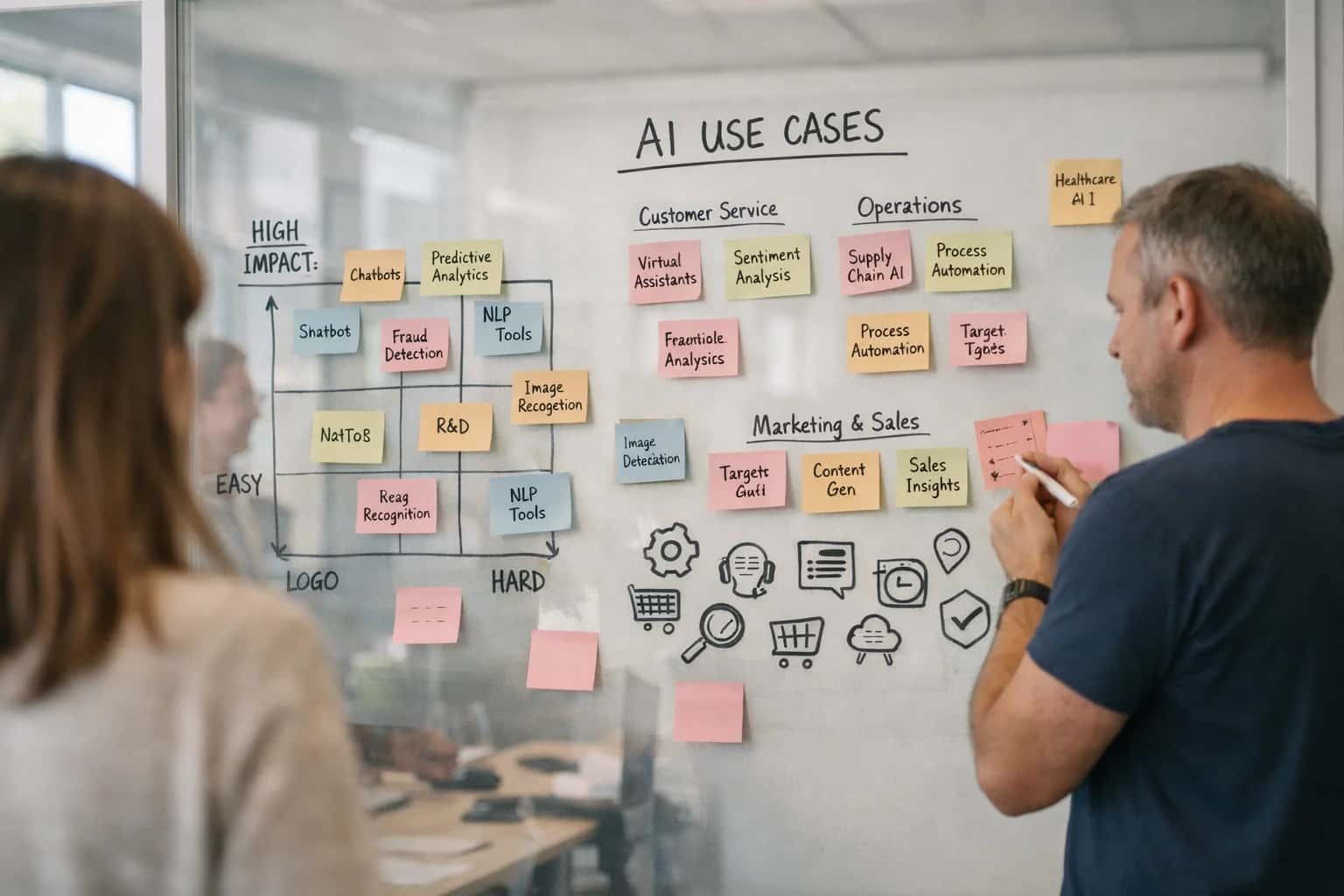
PROACTIVE REPUTATION MANAGEMENT
What is Real-Time Sentiment Analysis for Brand Protection Used For?
Real-time sentiment analysis is a critical tool for modern enterprises, transforming reactive brand management into a proactive, data-driven shield. It leverages NLP to continuously monitor and interpret customer emotions across digital channels, enabling immediate action to mitigate reputational risk.
The AI fix is continuous, cross-channel listening. By deploying NLP models that analyze sentiment in social media, review sites, support chats, and call transcripts in real-time, you gain an early-warning system. This allows for proactive intervention—a customer service agent can be alerted to de-escalate a frustrated user, or a marketing team can pivot a campaign showing negative traction. The measurable outcome is a direct reduction in escalation volume and customer churn, protecting revenue and turning potential crises into demonstrations of excellent customer care. For a deeper dive into deploying these conversational AI systems, explore our guide on Multilingual Customer Support Automation.
REAL-TIME SENTIMENT ANALYSIS
Common Use Cases
Proactively protect brand equity and reduce customer churn by detecting negative sentiment as it emerges across digital channels, enabling immediate intervention.
01
Crisis Aversion & Reputation Management
Move from reactive damage control to proactive brand protection. Real-time sentiment analysis scans social media, review sites, and support chats to identify emerging crises—like a product defect going viral or a misstep in a marketing campaign—before they escalate. Key benefits include:
- Early Warning System: Detect sentiment spikes and negative clusters with sub-second latency.
- Automated Escalation: Trigger alerts to PR and leadership teams with context-rich reports.
- ROI Impact: Averted crises protect market share and avoid costly recovery campaigns. For example, a retail brand can identify a supply chain complaint trend and address it publicly before it trends nationally.
02
Customer Experience (CX) Optimization
Transform unstructured feedback into a strategic asset for product and service improvement. By analyzing sentiment in customer support interactions, product reviews, and survey verbatims, you can pinpoint specific pain points in the customer journey. Implementation delivers:
- Root-Cause Analysis: Link negative sentiment to specific product features, agent performance, or process failures.
- Proactive Retention: Identify at-risk customers expressing frustration and trigger personalized retention workflows.
- Quantifiable Gains: Companies using this approach have documented 10-15% reductions in churn by addressing issues flagged by sentiment analysis before the customer disengages.
03
Competitive Intelligence & Market Positioning
Benchmark your brand sentiment against competitors in real time. Analyze public conversations to understand why customers prefer rival products or services. This intelligence informs marketing strategy, product development, and messaging. Core capabilities include:
- Share of Voice & Sentiment: Track not just volume, but the emotional tone of conversations about your brand versus competitors.
- Feature-Level Insights: Discover which specific competitor features are driving positive or negative sentiment.
- Strategic Advantage: Adjust campaigns and roadmap priorities based on live market perception, creating a more agile and responsive market position.
04
Product Launch & Campaign Effectiveness
Measure the real-time impact of new product launches and marketing campaigns beyond traditional engagement metrics. Sentiment analysis reveals the emotional reception and uncovers unintended perceptions. This enables:
- Live Campaign Adjustment: Detect if messaging is being misinterpreted or if a campaign is generating backlash, allowing for mid-flight corrections.
- Product Feedback Loop: Aggregate immediate user sentiment on new features to guide rapid iteration and development priorities.
- ROI Justification: Correlate sentiment trends with sales data and web traffic to prove the direct business impact of marketing investments.
05
Regulatory & Compliance Safeguarding
Mitigate compliance risk in regulated industries like finance and healthcare. Monitor customer interactions for expressions of dissatisfaction that could indicate a breach of service agreements or regulatory standards. This use case focuses on:
- Risk Flagging: Automatically tag conversations containing high-risk sentiment related to financial loss, privacy concerns, or safety issues.
- Audit Trail Creation: Generate documented evidence of proactive monitoring and customer concern resolution.
- Proactive Remediation: Address potential compliance issues internally before they become formal customer complaints to regulators.
06
Voice of the Employee (VoE) Integration
Extend sentiment analysis internally to protect culture and operational efficiency. Analyze internal communications, survey feedback, and support ticket notes from frontline staff to gauge morale and identify operational friction points. Business value is realized through:
- Attrition Prediction: Identify teams or locations with declining sentiment, enabling proactive management intervention to improve retention.
- Process Improvement: Discover bureaucratic or tools-related frustrations that hinder employee productivity and satisfaction.
- Holistic View: Combine customer and employee sentiment data to find correlations—e.g., poor employee sentiment often precedes a drop in customer satisfaction scores.
THE COST OF LAGGING BEHIND
The Brand Protection Pain Point: Why Legacy Methods Fail
In today's hyper-connected world, brand reputation can be damaged in minutes. Legacy monitoring tools, reliant on manual reviews and simple keyword alerts, are fundamentally incapable of protecting your most valuable asset.
Traditional brand monitoring is slow, shallow, and reactive. Manual social listening and basic keyword alerts miss the nuance of sarcasm, emerging slang, and cross-platform conversations. By the time your team identifies a viral complaint or a misinformation campaign, the damage is already done, leading to customer churn, stock price volatility, and costly PR firefighting. This reactive posture is a direct threat to revenue and market position.
Real-time sentiment analysis powered by advanced NLP provides the fix. Our systems continuously analyze millions of conversations across social media, reviews, and news, detecting negative sentiment and emerging crises with sub-250ms latency. This enables proactive intervention—allowing customer service or PR teams to engage and resolve issues before they escalate. The measurable outcome is a direct reduction in churn risk and the protection of customer lifetime value, turning brand protection from a cost center into a competitive advantage. For a deeper dive into building resilient customer operations, explore our insights on Agentic Enterprise Orchestration.
Enabling Efficiency, Speed & Accuracy
Intelligent Analysis, Decision & Execution
We build AI systems for teams that need search across company data, workflow automation across tools, or AI features inside products and internal software.
Talk to Us
Search across company data
Give teams answers from docs, tickets, runbooks, and product data with sources and permissions.
Useful when people spend too long searching or get different answers from different systems.
Enterprise searchRAGPermissions
Read more
Automate internal workflows
Use AI to route work, draft outputs, trigger actions, and keep approvals and logs in place.
Useful when repetitive work moves across multiple tools and teams.
AI agentsWorkflow automationGovernance
Read more
Add AI to products and internal tools
Build assistants, guided actions, or decision support into the software your team or customers already use.
Useful when AI needs to be part of the product, not a separate tool.
AI integrationDecision supportModel routing
Read moreAI ROI USE CASES
Real-Time Sentiment Analysis for Brand Protection
Proactively safeguard brand equity and customer loyalty by detecting negative sentiment across channels before it escalates into a crisis. These examples demonstrate quantifiable ROI for technical leaders.
01
Prevent Viral PR Crises
Monitor social media, review sites, and support forums in real-time to identify emerging negative sentiment spikes. Proactive intervention allows your PR and customer service teams to address issues before they trend, protecting brand reputation.
- Example: A global beverage company identified a localized product quality complaint on social media within 30 minutes, deployed a resolution team, and prevented a national news story.
- ROI Impact: Mitigated a potential 15% stock dip and saved an estimated $20M+ in crisis management costs.
02
Reduce Customer Churn by 25%
Analyze sentiment in support tickets, chat logs, and call transcripts to flag at-risk customers. Automated alerts route dissatisfied clients to retention specialists for immediate, high-touch recovery efforts.
- Example: A SaaS provider used sentiment scoring to prioritize support escalations, recovering 25% of customers who showed high frustration signals, directly preserving $5M in annual recurring revenue (ARR).
- Key Metric: Identified churn risk 7-10 days earlier than traditional NPS surveys.
03
Optimize Product Development Feedback Loops
Aggregate and analyze unsolicited customer feedback from thousands of sources to uncover pain points and feature requests. This provides a data-driven roadmap, ensuring R&D investment aligns with market demand.
- Example: An automotive manufacturer analyzed forum discussions and review sentiment to prioritize a software update fixing a common infotainment system bug, improving post-update satisfaction scores by 40%.
- ROI Impact: Redirected a $2M development quarter to the highest-impact issue, accelerating time-to-value.
04
Enhance Competitive Intelligence
Track sentiment not just for your brand, but for competitors. Understand why customers are dissatisfied with alternatives, revealing strategic market opportunities for sales and marketing.
- Example: A fintech firm identified consistent negative sentiment around a competitor's onboarding complexity. They launched a targeted campaign highlighting their own simple setup, capturing a 12% market share shift in one quarter.
- Business Value: Turns market noise into actionable intelligence for campaign planning and product positioning.
05
Measure Campaign Effectiveness in Real-Time
Go beyond engagement metrics. Gauge genuine audience sentiment toward new marketing campaigns, product launches, or partnerships as they happen. Dynamic adjustment of messaging maximizes impact and budget efficiency.
- Example: A retailer launched a new ad campaign and used sentiment analysis to detect unintended negative perceptions in a key demographic within hours, allowing for creative adjustments before 80% of the media budget was spent.
- ROI Impact: Improved campaign ROI by 30% versus running the full schedule with underperforming creative.
06
Ensure Partner & Influencer Alignment
Monitor sentiment in conversations driven by affiliates, influencers, and retail partners. Ensure their messaging aligns with your brand values and quickly address any misrepresentation or negative association.
- Example: A luxury brand detected an influencer's audience reacting negatively to a sponsored post's tone. They collaborated with the influencer to refine follow-up content, protecting brand perception and maintaining the partnership's value.
- Risk Mitigation: Protects significant investment in partner marketing channels from reputational spillover.

About the author
Prasad Kumkar
CEO & MD, Inference Systems
Prasad Kumkar is the CEO & MD of Inference Systems and writes about AI systems architecture, LLM infrastructure, model serving, evaluation, and production deployment. Over 5+ years, he has worked across computer vision models, L5 autonomous vehicle systems, and LLM research, with a focus on taking complex AI ideas into real-world engineering systems.
His work and writing cover AI systems, large language models, AI agents, multimodal systems, autonomous systems, inference optimization, RAG, evaluation, and production AI engineering.
LinkedIn
Limited slotsGet a Free AI Consultation
Partnered with leading AI, data, and software stack.





How We Work
Custom AI workflows for your Business
One-fit-all AI don't work for modern businesses. At Inferensys, we aim to understand your business & custom requirements; which we use to define most efficient agentic workflows, the data, and the tools for your business.
01
Review the use case
We understand the task, the users, and where AI can actually help.
Read more02
Pick the right approach
We define what needs search, automation, or product integration.
Read more03
Build the first useful version
We implement the part that proves the value first.
Read more04
Improve from there
We add the checks and visibility needed to keep it useful.
Read moreThe first call is a practical review of your use case and the right next step.
Talk to Us