AI integration for veterinary platforms connects at three primary layers: the automation engine, the clinical data model, and the client communication hub. For platforms like ezyVet and Provet Cloud, this means using their native APIs and webhook systems to inject intelligence into core objects like Appointment, PatientRecord, Invoice, and InventoryItem. The goal is not to replace the PMS but to augment its decision points—automating the triage of an online booking in ezyVet, suggesting clinical codes during note entry in Provet Cloud, or predicting no-shows in IDEXX Neo based on historical client behavior.

Integration
AI Integration for Veterinary Practice Management Platforms
A technical blueprint for integrating AI with ezyVet, Provet Cloud, IDEXX Neo, and Covetrus Pulse to automate clinical notes, optimize scheduling, personalize communications, and orchestrate care workflows.
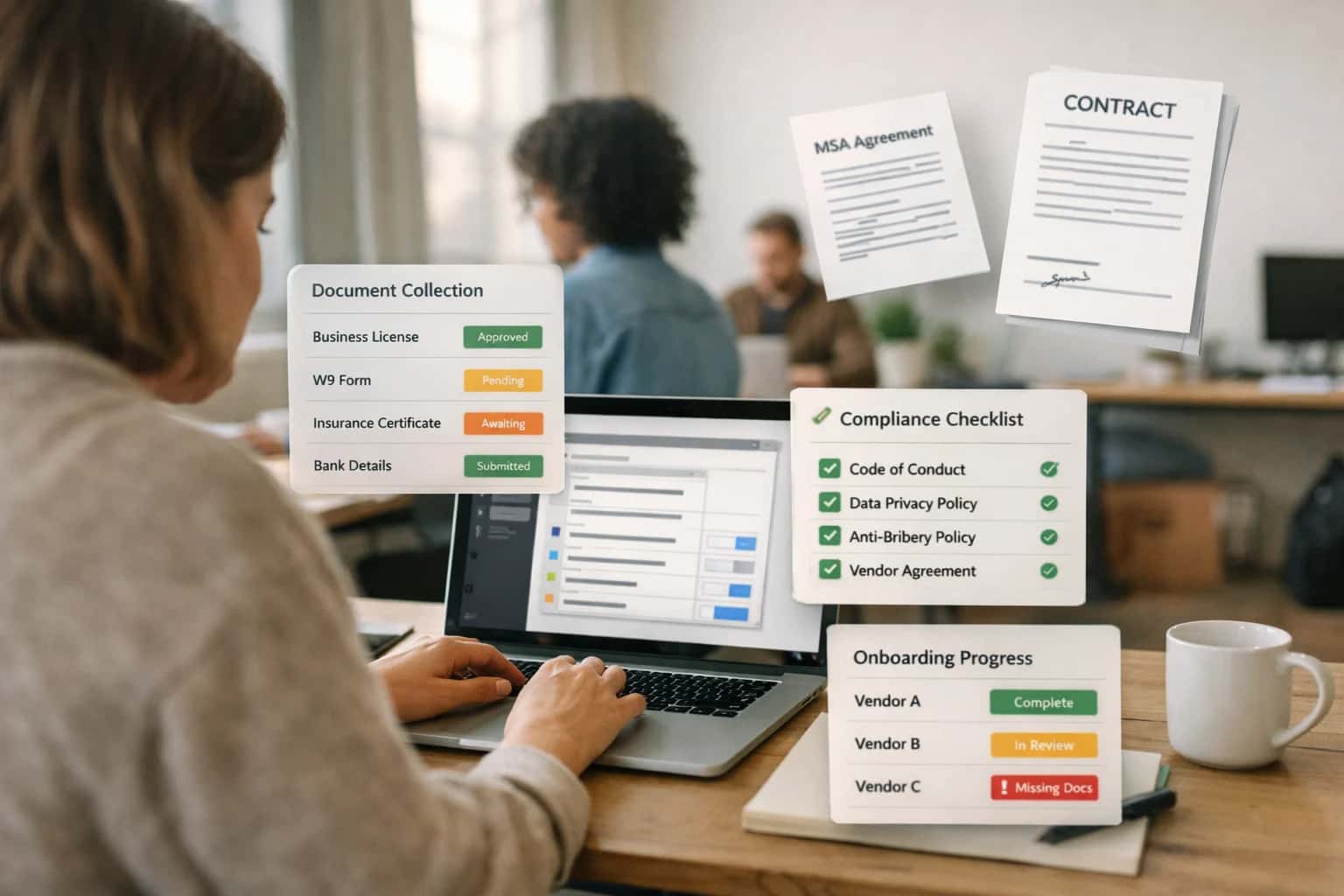
ARCHITECTURE AND ROLLOUT
Where AI Fits in Veterinary Practice Management
A practical guide to integrating AI into ezyVet, Provet Cloud, IDEXX Neo, and Covetrus Pulse for practice owners and technical leaders.
Implementation typically involves a middleware layer that subscribes to platform events (e.g., appointment.created, lab_result.received) and executes AI workflows. For example, a new SOAP Note in Covetrus Pulse can trigger a summarization agent that drafts a client-friendly visit summary and queues it for review. Anomaly detection models can run against the Billing module's daily transaction feed to flag unusual write-offs. These workflows are built with audit trails, human-in-the-loop approval steps, and role-based access controls (RBAC) to ensure clinical and operational governance.
Rollout should be phased, starting with high-impact, low-risk automations like personalized reminder campaigns in IDEXX Neo or intelligent inventory reorder triggers in Provet Cloud. A successful integration requires synchronizing data models—mapping proprietary field IDs to a unified schema—and establishing a feedback loop where AI suggestions are validated by staff, improving model accuracy over time. For practice owners, the value is operational: reducing manual data entry, improving client compliance, and surfacing insights from historical practice data that would otherwise remain siloed.
VETERINARY PRACTICE MANAGEMENT
Primary Integration Surfaces by Platform
Core Clinical Data Models
AI integration for veterinary EHRs begins with the patient record, the central entity in all major platforms. This includes structured data like species, breed, age, weight, and vaccination history, as well as unstructured clinical notes, SOAP narratives, and uploaded documents (lab reports, imaging).
Key integration points are the Medical Record API endpoints for creating, reading, and updating patient records. AI agents can be triggered on record creation or update to perform tasks like:
- Automated SOAP note drafting from voice dictation or structured form inputs.
- Clinical data extraction from uploaded documents (e.g., pulling ALT values from a PDF lab report).
- Longitudinal history summarization for faster clinician review during appointments.
Implementation typically involves subscribing to webhooks for new records and using the platform's REST API to write back AI-generated summaries or coded data, ensuring all actions are logged in the audit trail.
PRACTICAL INTEGRATION PATTERNS
High-Value AI Use Cases for Veterinary PMPs
Integrating AI into your practice management platform isn't about replacing your core system. It's about augmenting key workflows in ezyVet, Provet Cloud, IDEXX Neo, and Covetrus Pulse to reduce manual effort, improve clinical consistency, and enhance client engagement. Below are targeted automation patterns that connect directly to platform APIs and data models.
01
AI-Assisted Clinical Note Generation
Integrate with the SOAP note or medical records module to draft narrative progress notes from structured data (vitals, exam findings, diagnostics) and clinician dictation. Uses the PMP's API to create a draft note for review and signature, cutting documentation time per patient.
Minutes per note
Time saved
02
Intelligent Appointment Scheduling & Triage
Connect to the scheduling module and patient intake forms. AI analyzes reason-for-visit text, patient history, and clinic capacity to recommend optimal appointment type, duration, and provider. Can auto-flag urgent cases and populate triage notes into the patient record.
Reduced no-shows
Typical outcome
03
Personalized Client Communication Automation
Leverage the client communications and marketing modules. AI generates personalized post-visit summaries, preventive care reminders, and educational content based on diagnosis, pet profile, and past engagement. Orchestrates sends via the PMP's native email/SMS tools.
Batch → Real-time
Communication mode
04
Predictive Inventory & Pharmacy Management
Integrate with inventory and pharmacy modules. AI analyzes historical dispensing data, seasonal trends, and appointment schedules to forecast drug and supply demand. Generates smart reorder alerts within the PMP and suggests therapeutic alternatives for out-of-stock items.
Reduce waste
Primary goal
05
Automated Billing & Coding Support
Hook into the billing and invoicing module. AI reviews clinical notes and services rendered to suggest accurate CPT/ICD-10 codes, check for common errors, and draft client-facing invoice explanations. Reduces claim denials and front-desk clarification calls.
Fewer denials
Key impact
06
Analytics & Executive Reporting Copilot
Connect to the reporting database or analytics module. Enables natural language queries (e.g., "show me top services by margin last quarter") against practice data. Automatically generates narrative summaries for KPI dashboards and identifies hidden trends in financial or clinical performance.
1 sprint
Implementation scope
VETERINARY PRACTICE MANAGEMENT
Example AI-Enhanced Workflows
These workflows demonstrate how AI integrates directly with platforms like ezyVet, Provet Cloud, IDEXX Neo, and Covetrus Pulse to automate high-volume tasks, augment clinical decision-making, and improve operational efficiency. Each example outlines a concrete automation path from trigger to system update.
Trigger: A client initiates an online booking via the practice's website widget (e.g., ezyVet Online Booking) or calls the front desk.
Context/Data Pulled: The AI agent queries the Practice Management Platform (PMP) API for:
- Patient's historical appointment adherence (no-show/cancel rate).
- Preferred communication channel (SMS, email, phone).
- Type of service requested (wellness, sick, surgical).
- Real-time clinic schedule and provider availability.
Model or Agent Action:
- Triage & Slot Matching: For sick visits, a lightweight symptom checker (via a configured LLM) asks follow-up questions to recommend the appropriate appointment type and urgency.
- No-Show Risk Scoring: A model scores the likelihood of a no-show based on history and appointment timing.
- Confirmation Strategy: For high-risk bookings, the agent automatically schedules a more assertive confirmation sequence (e.g., an automated call 48 hours prior, followed by an SMS 24 hours prior).
System Update or Next Step: The confirmed appointment is written back to the PMP. For high-risk slots, the system can optionally hold the slot as "provisional" until confirmation is received, or add a task for front-desk follow-up.
Human Review Point: Unclear symptom descriptions or requests for emergent care are flagged and routed to a triage nurse or technician queue within the PMP for immediate callback.
CONNECTING AI TO PRACTICE MANAGEMENT DATA AND WORKFLOWS
Typical Implementation Architecture
A production-ready AI integration for veterinary platforms connects securely to core APIs, orchestrates workflows, and embeds intelligence into daily operations without disrupting clinical staff.
The integration architecture is built around the practice management platform's REST API (e.g., ezyVet API, Provet Cloud API) and webhook system. A central integration layer, often deployed as a cloud service, acts as the orchestration engine. It synchronizes key data objects—Patient, Appointment, ClinicalNote, Invoice, InventoryItem—into a secure, indexed environment. This creates a real-time operational data layer where AI models for summarization, prediction, and classification can run. For instance, a new Appointment webhook can trigger an AI agent to analyze the patient's history and pre-populate the intake form with relevant context before the visit.
Intelligent workflows are implemented as event-driven agents. Common patterns include: a Clinical Documentation Agent that listens for completed exam templates, calls an LLM to draft a SOAP note narrative, and posts the draft back to the ClinicalNote record for veterinarian review and sign-off; a Scheduling Optimization Agent that analyzes historical Appointment data, predicts no-show risk scores for upcoming slots, and suggests proactive confirmation strategies via the platform's messaging module; and an Inventory Management Agent that monitors InventoryItem usage rates, runs forecasting models, and creates draft purchase orders or alerts in the system. Each agent is designed as a discrete service with defined inputs, tool-calling logic (e.g., to fetch patient records), and audit trails.
Rollout follows a phased, workflow-first approach. We typically start with a single, high-impact use case like AI-assisted note drafting for a specific service (e.g., annual exams). This involves configuring the integration layer, defining the data scope (e.g., last 3 years of patient records), and implementing a human-in-the-loop approval step within the existing platform UI. Governance is managed through the practice management platform's native Role-Based Access Controls (RBAC); AI-generated content is tagged as a draft and attributed to the system, ensuring clear audit trails. The architecture is designed to scale horizontally, allowing additional agents for reminders, billing, or telemedicine to be added as independent modules once the core data pipeline and security model are proven.
API AND WORKFLOW PATTERNS
Code and Payload Examples
Intelligent Scheduling Integration
Integrating AI with a platform's scheduling API allows for dynamic slot management and patient triage. A common pattern involves consuming new appointment bookings via webhook, enriching the data with a patient risk score from an LLM, and then updating the schedule or creating tasks.
Example Python payload for processing a new booking webhook from ezyVet or Provet Cloud:
python# Payload from platform webhook booking_webhook = { "appointment_id": "APT-78910", "patient_id": "PAT-12345", "client_id": "CLT-67890", "scheduled_time": "2024-06-15T10:30:00Z", "reason": "Annual checkup, patient has mild limping noted", "species": "Canine", "breed": "Golden Retriever", "age": 8 } # Enrich with AI for triage priority prompt = f"""Based on this appointment reason and patient data, assign a triage priority (1=urgent, 2=soon, 3=routine). Reason: {booking_webhook['reason']} Species: {booking_webhook['species']} Breed: {booking_webhook['breed']} Age: {booking_webhook['age']} """ # Call LLM and update platform record via PATCH updated_payload = { "custom_fields": { "ai_triage_priority": llm_response, "prep_notes": "Senior dog with mobility concern - prepare exam room 2 with non-slip mat." } } # PATCH /api/v1/appointments/{appointment_id}
This pattern reduces manual front-desk triage and ensures clinical prep is data-driven.
AI-ENHANCED PRACTICE OPERATIONS
Realistic Time Savings and Operational Impact
This table shows the typical impact of integrating AI into core workflows of platforms like ezyVet, Provet Cloud, IDEXX Neo, and Covetrus Pulse. Metrics are based on directional improvements seen in production implementations.
| Workflow / Metric | Before AI Integration | After AI Integration | Implementation Notes |
|---|---|---|---|
Appointment Scheduling & No-Show Management | Manual slot filling, rule-based reminders, 15-20% no-show rates | Predictive slotting, behavior-triggered reminders, 5-10% no-show rates | AI analyzes historical attendance, client channel preference, and local factors; human oversight for overrides. |
Clinical SOAP Note Drafting | Manual entry post-consult, 10-15 minutes per note | Voice-to-text + structured data draft, 3-5 minutes for review | Generates draft from template and consult data; requires veterinarian review and sign-off. |
Patient Recall & Reminder Campaigns | Batch sends based on fixed schedules, low personalization | Dynamic timing & channel selection, personalized message content | AI scores patient health risk and client responsiveness; campaigns run from Neo or Pulse. |
Inventory Reordering for Pharmacy | Weekly manual review, reactive low-stock alerts | Automated demand forecasting, proactive purchase suggestions | Integrates with sales data, seasonality, and vendor lead times; manager approves final orders. |
Client Communication Triage | Front-desk manually routes calls, portal messages, emails | AI-assisted urgency scoring and routing to appropriate queue | Analyzes intake form language and history; flags urgent cases for immediate clinical review. |
Diagnostic Lab Result Triage | Manual review of all incoming results | Priority flagging of abnormal values with draft client explanations | Context-aware alerts based on patient history; generates draft notes for vet to personalize. |
Insurance Claim Form Preparation | Manual data entry from records into claim forms, 8-12 minutes per claim | Auto-population from EHR, with AI validation for required fields, 2-3 minutes | Extracts data from clinical notes and codes; staff reviews for accuracy before submission. |
Multi-Location Staff Scheduling | Manual creation based on estimated volume and availability | AI-optimized rostering balancing workload, credentials, and predicted demand | Uses historical visit data and seasonal trends; manager finalizes schedule with AI suggestions. |
ARCHITECTING CONTROLLED AI DEPLOYMENTS
Governance, Security, and Phased Rollout
A practical guide to implementing AI in veterinary practice management platforms with security, compliance, and minimal disruption.
Integrating AI into platforms like ezyVet, Provet Cloud, IDEXX Neo, or Covetrus Pulse requires a security-first architecture that respects clinical data integrity. This typically involves a middleware layer that brokers all communication, ensuring AI models never have direct, persistent access to your Practice Management System (PMS) database. Key controls include:
- API Gateway & Webhook Security: All AI tool calls are routed through a secure gateway that enforces authentication (OAuth 2.0, API keys), rate limiting, and audit logging before touching the PMS API.
- Data Minimization & PII Scrubbing: Before sending data to an LLM (e.g., for note summarization), the middleware should strip protected health information (PHI) or use pseudonymization, sending only the necessary clinical context.
- Role-Based Access Control (RBAC) Integration: AI agent permissions should mirror your PMS user roles. A front-desk AI copilot should not have API access to financial reports or controlled substance logs reserved for practice managers or veterinarians.
A successful rollout follows a phased, value-driven approach, starting with low-risk, high-impact workflows to build trust and demonstrate ROI.
Phase 1: Non-Clinical Automation (Weeks 1-4)
- Target: Administrative staff and client service.
- Use Case: Implement an AI agent for appointment confirmation and reminder personalization in IDEXX Neo or ezyVet. The agent analyzes historical client response data to optimize message channel and timing.
- Architecture: The AI polls a secure queue for upcoming appointments, generates personalized messages, and logs all client interactions back to the PMS via a dedicated
Communicationobject API. A human-in-the-loop step is required for the first 100 messages.
Phase 2: Clinical Support with Oversight (Months 2-3)
- Target: Veterinarians and technicians.
- Use Case: Deploy AI-assisted SOAP note drafting within Provet Cloud. The integration listens for a "consultation complete" webhook, retrieves the structured exam data and voice transcript, and generates a draft note.
- Governance: The draft is flagged as "AI-Generated – For Review" and placed in the veterinarian's approval queue within the PMS. All edits are tracked. This ensures the licensed professional maintains final responsibility for the medical record, satisfying compliance requirements.
Phase 3: Predictive Workflows & Scale (Months 4+)
- Target: Practice owners and operations managers.
- Use Case: Connect AI models to Covetrus Pulse operational data for predictive staff scheduling and inventory forecasting.
- Rollout & Monitoring: This phase involves training models on historical practice data. Implement a feedback loop where predictions (e.g., suggested order quantity) are compared to actual outcomes within the PMS, and discrepancies are used to retrain models. Continuous monitoring for model drift is essential, as patient demographics and service mixes change. Start with a single location or product category before enterprise-wide deployment.
Enabling Efficiency, Speed & Accuracy
Intelligent Analysis, Decision & Execution
We build AI systems for teams that need search across company data, workflow automation across tools, or AI features inside products and internal software.
Talk to Us
Search across company data
Give teams answers from docs, tickets, runbooks, and product data with sources and permissions.
Useful when people spend too long searching or get different answers from different systems.
Enterprise searchRAGPermissions
Read more
Automate internal workflows
Use AI to route work, draft outputs, trigger actions, and keep approvals and logs in place.
Useful when repetitive work moves across multiple tools and teams.
AI agentsWorkflow automationGovernance
Read more
Add AI to products and internal tools
Build assistants, guided actions, or decision support into the software your team or customers already use.
Useful when AI needs to be part of the product, not a separate tool.
AI integrationDecision supportModel routing
Read moreAI INTEGRATION FOR VETERINARY PRACTICE MANAGEMENT
Frequently Asked Questions
Practical questions from practice owners, IT managers, and veterinarians evaluating AI integration for ezyVet, Provet Cloud, IDEXX Neo, and Covetrus Pulse.
We use a non-invasive, API-first integration pattern that layers AI on top of your existing system.
Typical Implementation Steps:
- API Authentication & Scoping: We establish secure, read/write API access (using OAuth or API keys) to the specific modules you want to enhance (e.g., appointments, medical records, inventory).
- Event-Driven Architecture: We set up webhook listeners or poll for specific events in your PM platform (e.g.,
appointment.created,lab_result.received,invoice.posted). - Context Enrichment: When an event triggers, our integration service fetches relevant context from your PM platform (patient history, client details, clinical notes) and optionally from other connected systems.
- AI Processing: The enriched data is sent to the appropriate AI model or agent workflow (e.g., for summarization, classification, prediction).
- Action or Suggestion: The result is written back as a draft note, a suggested code, an alert, or a task within the PM platform—always requiring human review or approval before finalization.
This approach avoids data migration, minimizes downtime, and keeps your team working in the familiar PM interface. For a deeper technical look, see our guide on AI Integration for Veterinary EHR Systems.

About the author
Prasad Kumkar
CEO & MD, Inference Systems
Prasad Kumkar is the CEO & MD of Inference Systems and writes about AI systems architecture, LLM infrastructure, model serving, evaluation, and production deployment. Over 5+ years, he has worked across computer vision models, L5 autonomous vehicle systems, and LLM research, with a focus on taking complex AI ideas into real-world engineering systems.
His work and writing cover AI systems, large language models, AI agents, multimodal systems, autonomous systems, inference optimization, RAG, evaluation, and production AI engineering.
LinkedIn
Limited slotsGet a Free AI Consultation
Partnered with leading AI, data, and software stack.





How We Work
Custom AI workflows for your Business
One-fit-all AI don't work for modern businesses. At Inferensys, we aim to understand your business & custom requirements; which we use to define most efficient agentic workflows, the data, and the tools for your business.
01
Review the use case
We understand the task, the users, and where AI can actually help.
Read more02
Pick the right approach
We define what needs search, automation, or product integration.
Read more03
Build the first useful version
We implement the part that proves the value first.
Read more04
Improve from there
We add the checks and visibility needed to keep it useful.
Read moreThe first call is a practical review of your use case and the right next step.
Talk to Us