AI integration for metered billing platforms like Zuora, Chargebee, Recurly, and Stripe Billing focuses on three core architectural layers: the event ingestion pipeline, the rating and aggregation engine, and the invoice and collections workflow. At the ingestion layer, AI models can analyze raw usage event streams in real-time to detect anomalies—such as a sudden spike in API calls or zero-usage accounts—and trigger alerts or automated quality checks before events are rated. This prevents revenue leakage and inaccurate billing at the source.

Integration
AI Integration for Metered Billing Platforms
Architect AI solutions for high-volume metered billing, focusing on real-time usage aggregation, anomaly detection, tier calculation, and cost allocation intelligence.
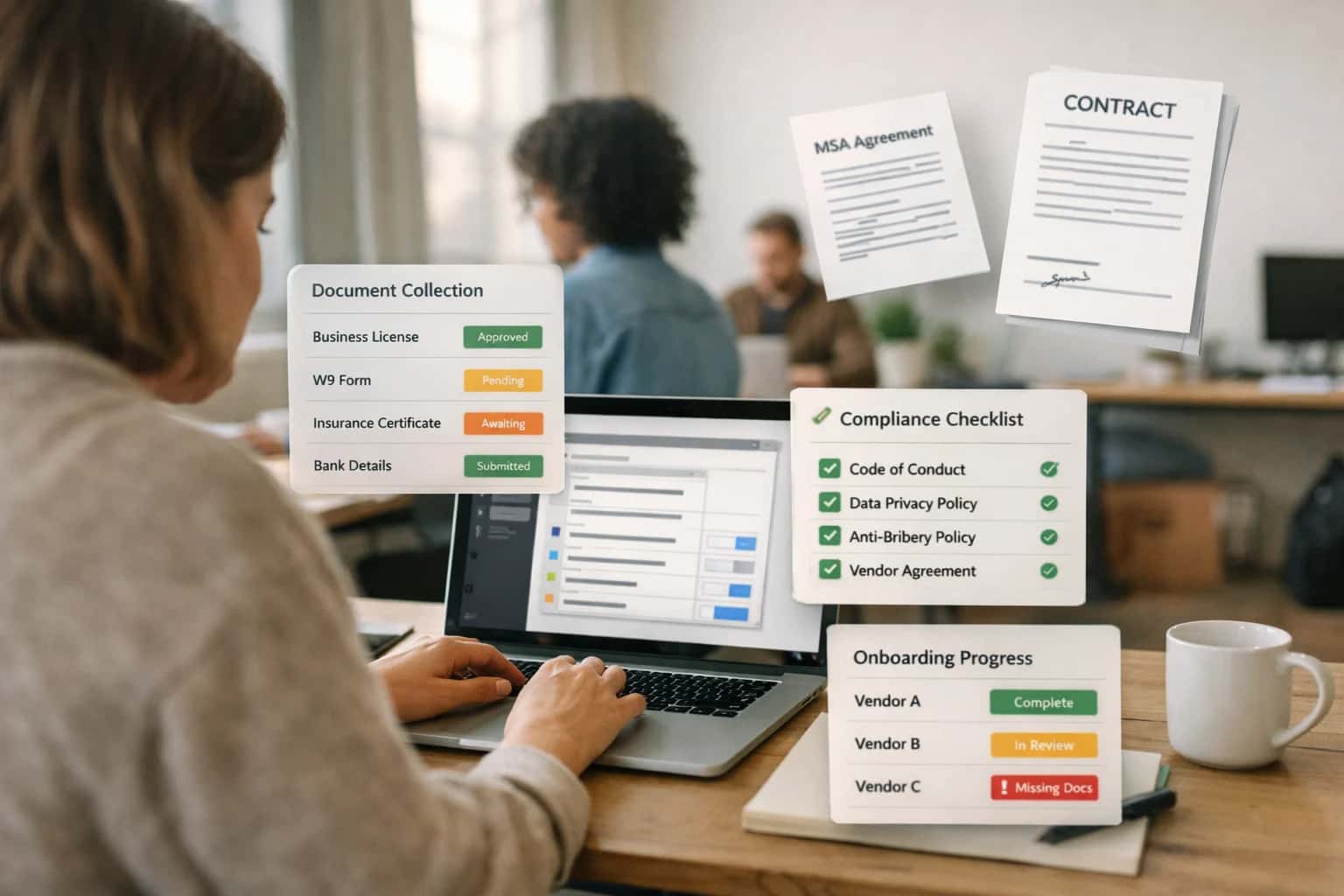
ARCHITECTURE BLUEPRINT
Where AI Fits into Metered Billing Architectures
A practical guide to embedding AI agents within high-volume usage-based billing systems to automate revenue operations and enhance decision-making.
Within the rating engine, AI can automate complex tiered pricing and overage calculations. Instead of static rules, an AI agent can reference a customer's historical usage, contract terms, and even external data (like seasonal demand) to apply the most accurate rate, handle prorations, and suggest optimal plan configurations. Post-aggregation, AI transforms raw usage summaries into intelligent invoices, generating plain-language summaries of charges, highlighting cost drivers, and personalizing communications—all automatically via the platform's invoice generation API.
For governance and rollout, AI integrations should be deployed as a sidecar service that consumes webhooks from the billing platform and posts back recommendations or actions via its REST API. This keeps the core billing system as the system of record while enabling AI-driven enhancements. Critical workflows like anomaly detection and tier-calculation suggestions should include human-in-the-loop approval steps, with full audit trails logged back to the billing platform's custom objects or notes fields. Start by piloting AI on non-critical processes, such as generating invoice line-item descriptions, before advancing to automated pricing recommendations or dunning sequence personalization.
AI-READY MODULES AND WORKFLOWS
Integration Surfaces Across Major Billing Platforms
Real-Time Event Processing and Anomaly Detection
The core of metered billing is the usage engine, which ingests high-volume event streams from APIs, IoT devices, or application logs. AI integration surfaces here to analyze raw usage data before it's aggregated for billing.
Key Integration Points:
- Event Ingestion Webhooks: Deploy AI models to validate, enrich, and classify incoming usage events in real-time, flagging anomalies like duplicate events or spikes indicative of fraud or system errors.
- Rating & Aggregation Logic: Inject intelligence into the rating process. Use predictive models to forecast a customer's end-of-cycle consumption, enabling proactive notifications for users approaching tier limits.
- Tier Calculation Support: AI can analyze historical usage patterns to recommend optimal tier placements or suggest automated plan upgrades, moving beyond simple threshold-based rules.
This layer transforms raw data into actionable intelligence, ensuring billing accuracy and creating upsell opportunities.
ARCHITECTURE PATTERNS
High-Value AI Use Cases for Metered Billing
Integrating AI into metered billing platforms like Zuora, Chargebee, or Stripe Billing moves beyond simple automation to create intelligent systems that predict, optimize, and explain usage-based revenue. These patterns focus on real-time data, API-driven workflows, and actionable insights.
01
Anomaly Detection in Usage Streams
Monitor real-time usage event feeds to detect and flag abnormal consumption spikes or drops before invoicing. AI models analyze historical patterns, seasonality, and account metadata to identify potential errors, fraud, or unexpected adoption, triggering alerts to customer success or finance teams. This prevents billing disputes and identifies upsell opportunities from unanticipated growth.
Batch -> Real-time
Detection speed
02
Predictive Tier Calculation & Upsell Triggers
Forecast end-of-cycle consumption to predict which customers will exceed their current tier. AI analyzes rolling usage, growth trends, and contract terms to automatically generate tier-upgrade recommendations. These insights can trigger personalized communications via the billing platform's API or create tasks in a CRM like Salesforce, enabling proactive expansion revenue workflows.
1 sprint
Implementation lead time
03
Intelligent Cost Allocation & Showback
For platforms with multi-tenant or internal chargeback models, AI parses complex usage data to accurately allocate costs to departments, teams, or end-customers. It goes beyond simple tagging by using natural language processing on project names or metadata to assign spend, generating automated showback reports and justification summaries for finance teams.
Hours -> Minutes
Report generation
04
Automated Invoice Explanations & Dispute Resolution
Reduce support ticket volume by using an AI agent to generate plain-language explanations for invoice line items, tying specific charges back to raw usage events. When integrated with a support platform like Zendesk, the agent can automatically respond to billing inquiries, attach relevant data, and only escalate complex cases. This provides instant, accurate customer self-service.
05
Dynamic Pricing Model Simulation
Test new metered pricing strategies without disrupting live billing. An AI system creates a sandbox by ingesting historical usage data, simulating customer behavior under proposed new price-per-unit or tier structures, and forecasting impact on MRR, churn, and customer segments. This provides data-driven guidance for pricing committee decisions within the billing platform.
06
Real-Time Revenue Recognition Forecasting
For platforms with Zuora Revenue or similar, AI automates the forecasting of recognized revenue from metered contracts. It analyzes pending usage, contract terms, and recognition rules to predict weekly/monthly recognized revenue, highlighting variances from plan. This provides the CFO office with a continuously updated view, automating a traditionally manual consolidation task.
Same day
Forecast refresh
PRODUCTION PATTERNS
Example AI-Powered Metered Billing Workflows
These workflows illustrate how AI agents and models connect to metered billing platform APIs and webhooks to automate high-volume, high-complexity operations. Each pattern is designed to be implemented with tools like Zuora, Chargebee, Recurly, or Stripe Billing.
Trigger: A new usage event is posted to the billing platform's API (e.g., POST /v1/usage_events).
Context/Data Pulled: The AI agent retrieves the last 90 days of usage for this customer and meter, plus current subscription tier and historical payment behavior.
Model or Agent Action: A lightweight anomaly detection model (statistical or LLM-based) runs on the stream. It flags events that are statistical outliers (e.g., 5x the customer's typical daily volume) or logically inconsistent (e.g., usage for a deactivated feature).
System Update or Next Step: If an anomaly is detected with high confidence:
- A case is automatically created in the CRM/support system tagged
Billing - Usage Anomaly. - An internal alert is sent to the Customer Success Manager via Slack/Teams.
- The customer receives an automated, templated email: "We noticed unusual activity on your account for [Meter Name]. This is just a heads-up to ensure everything is working as expected."
Human Review Point: The CSM reviews the case and customer context to decide if a proactive call is needed, or if the alert can be closed.
CONNECTING METERED USAGE TO INTELLIGENT BILLING
Implementation Architecture: Data Flow and AI Layer
A production-ready blueprint for adding AI to high-volume metered billing systems like Zuora, Chargebee, and Stripe Billing.
The core architecture involves three key data flows: real-time usage events from your product, customer and subscription metadata from the billing platform, and external signals like payment history or support tickets. An AI layer, typically deployed as a set of microservices or serverless functions, ingests this data via platform APIs and webhooks. For example, a UsageAnomalyDetector service might consume a stream of metered events from Stripe Billing's SubscriptionItem records, apply statistical models to flag outliers in consumption, and then post alerts to a dedicated Slack channel or create a case in Salesforce Service Cloud for the account manager.
High-value AI workflows are built atop this unified data layer. For tier calculation intelligence, an agent can analyze a customer's rolling usage against their current plan limits, predict future consumption, and—via the billing platform's API—automatically generate a prorated upgrade quote, attaching a personalized rationale. For cost allocation, AI can parse raw usage logs, apply departmental tagging rules defined in a vector database, and push summarized, attributed cost records back to the billing platform as custom InvoiceLineItem objects. This turns opaque metered invoices into actionable, department-level bills.
Rollout requires a phased, event-driven approach. Start by deploying a read-only analytics agent that surfaces insights without taking action, building trust in its predictions. Next, implement human-in-the-loop workflows, where the AI suggests a dunning communication or a tier upgrade, but requires approval in a tool like Jira or via a Slack modal. Finally, graduate to fully automated, governed actions for low-risk, high-volume tasks—like retrying a failed payment with a new payment method on file. Throughout, maintain a strict audit trail: every AI-generated action should create a log entry in the billing platform's notes field and post to a dedicated audit channel, ensuring complete transparency for finance and RevOps teams.
AI INTEGRATION FOR METERED BILLING PLATFORMS
Code and Payload Examples for Key Integration Points
Real-Time Meter Processing
AI models need clean, aggregated usage data to detect anomalies or predict future consumption. This involves subscribing to webhooks from your billing platform (e.g., Stripe Billing's invoice.created or Zuora's Usage object) and processing raw meter events.
A typical integration consumes high-volume event streams, normalizes them, and writes to a time-series database or data warehouse for AI access. The payload example below shows a normalized usage event ready for AI analysis.
json{ "customer_id": "cus_abc123", "subscription_id": "sub_xyz789", "meter_name": "api_calls", "quantity": 12500, "timestamp": "2024-05-15T14:30:00Z", "metadata": { "endpoint": "/v1/chat/completions", "user_tier": "enterprise", "region": "us-east-1" } }
This structured data feeds models for real-time anomaly detection or batch forecasting jobs.
AI-ENHANCED METERED BILLING OPERATIONS
Realistic Time Savings and Operational Impact
This table illustrates the tangible operational improvements when integrating AI agents into high-volume metered billing workflows, focusing on anomaly detection, tier calculation, and cost allocation.
| Workflow / Metric | Before AI Integration | After AI Integration | Implementation Notes |
|---|---|---|---|
Usage Anomaly Detection | Manual review of spike reports, 2-4 hours weekly | Automated daily alerts with root-cause analysis, <15 min review | AI monitors event streams, flags outliers, suggests technical or fraud causes |
Customer Tier Calculation | End-of-month batch SQL queries, manual validation | Real-time tier projection, automated notifications for near-threshold customers | AI processes live usage, predicts final tier, triggers proactive communication workflows |
Cost Allocation & Showback | Spreadsheet-based allocation, 1-2 days per period | Automated allocation runs with explainable breakdowns, same-day reporting | AI parses department tags, applies logic, generates stakeholder-ready reports |
Invoice Dispute Triage | Support agent manually correlates tickets with usage data | AI pre-analyzes dispute, surfaces relevant usage graphs & prior tickets | Copilot provides agents with summarized context, reducing initial investigation by ~70% |
Pricing Model Simulation | Finance team runs limited scenarios manually over weeks | AI runs 1000s of 'what-if' scenarios overnight, highlights top 3 recommendations | Enables rapid testing of new usage tiers, flat rates, or bundled pricing |
Failed Payment Recovery for Usage Bills | Generic dunning emails sent on a fixed schedule | Personalized recovery sequence based on invoice amount & customer value | AI scores recovery likelihood, suggests payment method update or offer, maintains human oversight for high-value accounts |
Revenue Recognition for Metered Contracts | Manual mapping of usage to performance obligations | AI auto-maps usage events to contract line items, drafts ASC 606 schedules | Integrates with billing and revenue platforms (e.g., Zuora Revenue), flags complex modifications for review |
ARCHITECTING CONTROLLED AI FOR METERED BILLING
Governance, Security, and Phased Rollout
Implementing AI for metered billing requires a deliberate approach to data governance, security, and phased rollout to protect revenue integrity and customer trust.
Governance starts with defining clear data boundaries. AI agents should operate with role-based access controls (RBAC) scoped to specific billing objects—like UsageSummaries, InvoiceLineItems, or PaymentMethods—within platforms like Zuora or Stripe Billing. All AI-generated actions, such as a proposed dunning communication or a tier-upgrade recommendation, should be logged to an immutable audit trail linked to the source subscription and usage records. For high-stakes decisions, like writing off a balance or modifying a core pricing rule, implement a human-in-the-loop approval step before the action is committed via the platform's API.
Security is non-negotiable when handling PII and financial data. AI integrations should never store raw metered usage streams or customer payment details. Instead, architect for zero-trust data access: agents retrieve only the necessary, anonymized, or aggregated data via secure API calls with short-lived tokens. For platforms like Chargebee or Recurly, leverage webhooks to push event data to a secure, isolated processing environment where AI models run, ensuring the billing platform's production database is never directly queried by external AI services. All prompts and tool-calling logic should be rigorously tested to prevent prompt injection or data leakage.
A phased rollout mitigates risk and demonstrates value. Start with a read-only analysis phase, where AI processes historical usage and invoice data to surface anomalies or forecast churn, with outputs reviewed by the finance team. Next, move to assisted workflows, such as an agent that drafts personalized dunning emails for a collections specialist to approve and send via the billing platform's communication engine. Finally, implement closed-loop automation for low-risk, high-volume tasks—like automated retry logic for failed payments on low-value subscriptions—while maintaining clear escalation paths to human operators for exceptions flagged by the AI's own confidence scoring.
Enabling Efficiency, Speed & Accuracy
Intelligent Analysis, Decision & Execution
We build AI systems for teams that need search across company data, workflow automation across tools, or AI features inside products and internal software.
Talk to Us
Search across company data
Give teams answers from docs, tickets, runbooks, and product data with sources and permissions.
Useful when people spend too long searching or get different answers from different systems.
Enterprise searchRAGPermissions
Read more
Automate internal workflows
Use AI to route work, draft outputs, trigger actions, and keep approvals and logs in place.
Useful when repetitive work moves across multiple tools and teams.
AI agentsWorkflow automationGovernance
Read more
Add AI to products and internal tools
Build assistants, guided actions, or decision support into the software your team or customers already use.
Useful when AI needs to be part of the product, not a separate tool.
AI integrationDecision supportModel routing
Read moreAI INTEGRATION FOR METERED BILLING
Frequently Asked Questions
Common questions about architecting and implementing AI for high-volume, usage-based billing systems like Zuora, Chargebee, Recurly, and Stripe Billing.
Secure integration requires a layered approach focused on API governance and data minimization.
Typical Architecture:
- Service Account & API Gateway: Create a dedicated, scoped service account in your billing platform (e.g., Zuora, Chargebee) with read-only access to specific objects (Invoices, Subscriptions, Usage Summaries). Route all calls through an internal API gateway for logging, rate limiting, and security policy enforcement.
- Event-Driven Ingestion: Use webhooks for real-time triggers (e.g.,
invoice.created,payment.failed). For batch analysis, schedule secure data syncs to a dedicated analytics environment, not directly from the AI to the production billing database. - Data Handling: Ingest only the necessary fields. For PII, use tokenization or hashing before processing. AI models for anomaly detection or forecasting often only need aggregated, anonymized usage amounts and timestamps.
- Tool Calling Security: When an AI agent needs to write back (e.g., update a dunning sequence), implement a strict approval layer. Use a tool-calling framework where the agent proposes an action (JSON payload), which is validated against business rules and logged before a separate service executes the approved API call.
This pattern keeps credentials secure, audits all access, and prevents direct, unvetted writes to your core billing system.

About the author
Prasad Kumkar
CEO & MD, Inference Systems
Prasad Kumkar is the CEO & MD of Inference Systems and writes about AI systems architecture, LLM infrastructure, model serving, evaluation, and production deployment. Over 5+ years, he has worked across computer vision models, L5 autonomous vehicle systems, and LLM research, with a focus on taking complex AI ideas into real-world engineering systems.
His work and writing cover AI systems, large language models, AI agents, multimodal systems, autonomous systems, inference optimization, RAG, evaluation, and production AI engineering.
LinkedIn
Limited slotsGet a Free AI Consultation
Partnered with leading AI, data, and software stack.





How We Work
Custom AI workflows for your Business
One-fit-all AI don't work for modern businesses. At Inferensys, we aim to understand your business & custom requirements; which we use to define most efficient agentic workflows, the data, and the tools for your business.
01
Review the use case
We understand the task, the users, and where AI can actually help.
Read more02
Pick the right approach
We define what needs search, automation, or product integration.
Read more03
Build the first useful version
We implement the part that proves the value first.
Read more04
Improve from there
We add the checks and visibility needed to keep it useful.
Read moreThe first call is a practical review of your use case and the right next step.
Talk to Us