AI integration for platforms like RevolutionEHR, Eyefinity, Crystal PM, and Compulink typically connects at three key layers: the automation/API layer, the data layer, and the user interface layer. For example, an AI agent for patient scheduling would use the platform's calendar API (like RevolutionEHR's Appointment endpoints) to read availability and write bookings, while a clinical documentation copilot would need secure, read-only access to the patient chart data model (objects like Encounter, Assessment, and Plan) via FHIR or proprietary APIs to generate SOAP note drafts. The integration architecture is usually a middleware service that sits between your PM platform and LLM providers, handling authentication, prompt context assembly, audit logging, and safe execution of tool calls back into the EHR.

Integration
AI Integration for Optometry Practice Management Platforms
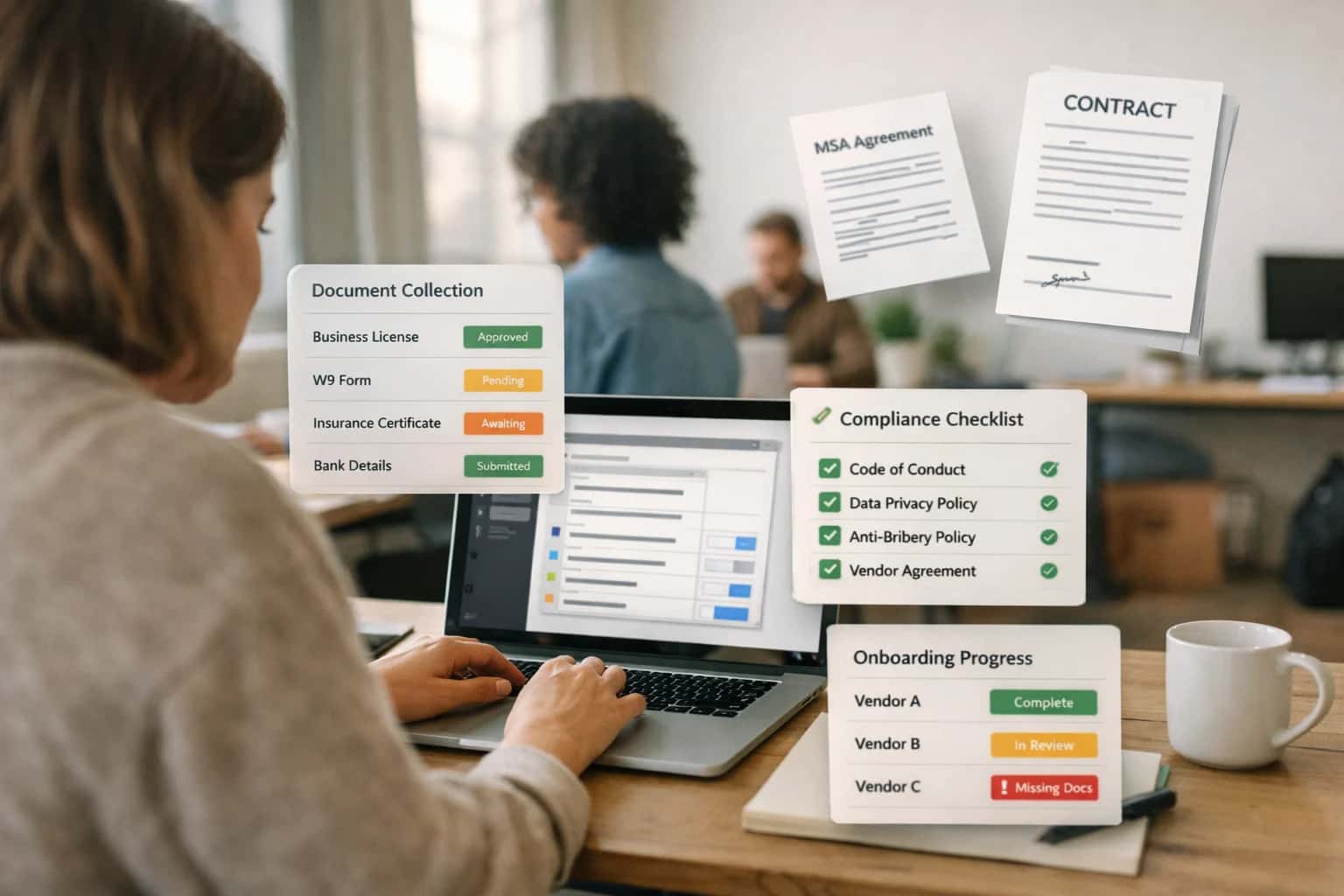
Where AI Fits in Your Optometry Practice Management Stack
A practical guide to integrating AI into your existing practice management platform without disrupting clinical workflows.
Rollout should follow a phased, workflow-specific approach, not a big-bang replacement. Start with a high-volume, low-risk surface like patient communication automation, using AI to personalize recall messages or answer common portal questions via the platform's messaging APIs. This builds trust and demonstrates value without touching clinical data. Phase two often targets administrative burden reduction, such as AI-assisted insurance claim scrubbing in Eyefinity, where the system pre-validates codes against payer rules before submission. The final phase integrates AI into clinical support workflows, like generating chart summaries in Crystal PM for quick review between patients, ensuring all outputs are clearly marked as drafts and require provider sign-off.
Governance is critical. Every AI interaction must be logged with a traceable session_id linked to the user, patient, and source data. Implement role-based access control (RBAC) so that, for instance, a front-desk AI agent cannot access sensitive clinical notes. For platforms like Compulink, configure the integration to respect all existing permission structures. Data never leaves your controlled environment for public models unless de-identified for specific, consented tasks. A successful integration reduces manual data entry, cuts claim denial rates, and improves patient satisfaction, but it requires clear protocols for human review, especially for any AI-generated clinical or financial content. This layered, governed approach turns your practice management system into an intelligent platform without becoming a black box.
Integration Surfaces Across Major Optometry Platforms
Scheduling & Patient Flow
AI integrates directly with the appointment engine and patient portal APIs in platforms like RevolutionEHR, Eyefinity, and Compulink. Key surfaces include the calendar object for real-time slot management, the patient record for historical no-show analysis, and the waitlist module for automated rebooking.
High-Impact Use Cases:
- No-Show Prediction: Analyze past attendance, appointment type, and patient demographics via the scheduling API to score cancellation risk and trigger proactive reminders.
- Dynamic Scheduling: Use calendar APIs to recommend optimal appointment lengths and sequences based on visit reason, provider preference, and equipment availability, reducing gaps and overtime.
- Intelligent Waitlist Management: Automatically match waitlisted patients with last-minute cancellations by calling the scheduling API to check eligibility and send SMS/portal alerts via the platform's messaging hooks.
Implementation typically involves a middleware service that polls or receives webhooks from the PM platform's scheduling module, applies ML models, and calls back to update records or trigger communications.
High-Value AI Use Cases for Optometry Practices
Integrating AI with platforms like RevolutionEHR, Eyefinity, Crystal PM, and Compulink can automate high-friction workflows, improve patient experience, and unlock staff capacity. These cards detail practical, module-specific opportunities where AI connects directly to practice management data and APIs.
Automated Insurance Eligibility & Claim Scrubbing
AI agents connected to the practice management platform's insurance module can run real-time eligibility checks via payer APIs before the patient arrives, flagging coverage issues. For submitted claims, AI reviews codes against clinical notes and payer rules to predict denials and suggest corrections, reducing rework. Integration typically uses the platform's claims API and a queue for pre-submission review.
Intelligent Optical Inventory Replenishment
By analyzing SKU-level sales data, seasonal trends, and supplier lead times from the PM platform's inventory module, AI generates predictive purchase orders. It can account for frame style trends gleaned from sales notes and automatically submit POs via vendor portals or EDI. This connects to Crystal PM or Eyefinity's inventory APIs and requires integration with supplier systems for a closed-loop workflow.
AI-Powered Patient Intake & Form Processing
At check-in (via kiosk or patient portal), AI uses OCR and historical data lookup to pre-fill forms in RevolutionEHR or Compulink. It can also analyze uploaded insurance cards and IDs to validate data. For clinical intake, a conversational agent asks follow-up questions based on chief complaint, structuring responses for the EHR. This integrates with the platform's patient registration APIs and document management systems.
Dynamic Scheduling & No-Show Prediction
AI models consume historical appointment data, patient behavior, and external factors (e.g., weather) from the PM platform's scheduling engine to score no-show risk. High-risk appointments trigger personalized reminder workflows. The system can also suggest optimal rebooking slots for cancellations by analyzing provider schedules and patient preferences. Implementation requires read/write access to the calendar API and a messaging service.
Clinical Documentation Support for SOAP Notes
Using a secure connection to the EHR's clinical data model, an AI copilot listens to provider-patient dialogue (with consent) or reviews structured exam data to generate draft SOAP notes. It suggests relevant ICD-10 and CPT codes based on narrative, pulling from the platform's code sets. The draft is presented within the EHR interface for review and sign-off, ensuring workflow integration and audit trail compliance.
Personalized Patient Communication Orchestration
AI segments patients based on clinical history, purchase behavior, and communication preferences stored in the PM platform's CRM. It then orchestrates multi-channel sequences (text, email, portal) for recalls, frame style promotions, or post-operative care. Messages are personalized using patient data, and responses are routed to appropriate staff. This integrates with the platform's messaging APIs and patient communication logs.
Example AI-Enhanced Workflows
These workflows illustrate how AI agents and automations can connect to the core data models and APIs of platforms like RevolutionEHR, Eyefinity, Crystal PM, and Compulink. Each example shows a concrete path from trigger to system update, highlighting where human review gates and practice-specific rules apply.
Trigger: A patient calls to cancel an appointment within 48 hours of the scheduled time.
Context Pulled: The agent queries the PM platform's scheduling API for:
- Patient's no-show/cancellation history.
- Appointment type (e.g., comprehensive exam, contact lens fitting).
- Provider's schedule and existing waitlist for that slot.
- Patient's preferred communication channel (text/email/portal).
Agent Action: An AI model scores the likelihood of the vacant slot being filled from the waitlist. Based on the score and patient history, the agent:
- If high fill probability, automatically adds the top-matched waitlist patient and sends a confirmation.
- If low fill probability, generates a personalized, empathetic message to the cancelling patient, suggesting an optimal rebooking time (based on their historical booking patterns) and attaches a patient education link about the importance of regular eye exams.
System Update: The PM platform's calendar is updated via API. The patient's record is tagged with the interaction. A task is created for front desk staff if the model suggests a follow-up call for high-risk patients.
Human Review Point: The practice manager reviews a weekly dashboard of AI-driven rebooking success rates and can adjust the fill probability thresholds.
Implementation Architecture: How the Integration Works
A secure, API-first architecture to add AI agents and copilots to platforms like RevolutionEHR, Eyefinity, Crystal PM, and Compulink without disrupting core workflows.
The integration connects to the practice management platform's API layer—such as RevolutionEHR's FHIR/HL7 endpoints, Eyefinity's Practice Management API, or Compulink's RESTful services—to sync key data objects in near real-time. This includes patient records, appointment calendars, insurance claims, optical inventory SKUs, and financial transactions. A central orchestration service manages this bi-directional flow, using webhooks for event-driven triggers (e.g., a new appointment booked, a claim status updated) and secure queues to handle processing loads. For platforms with limited APIs, we implement data extraction agents that operate on exported reports or database views, ensuring AI has access to structured operational data without requiring a full platform replacement.
AI workflows are built as modular agents that interact with this synchronized data layer. For example, a scheduling agent analyzes appointment history and patient preferences to predict no-shows and suggest optimal rebooking, calling back to the platform's calendar API to propose changes. An insurance support agent uses RAG over payer policy documents and historical claim data to scrub submissions before they are sent from Eyefinity or Crystal PM. Each agent is designed for a specific surface area—clinical documentation, optical inventory reordering, patient communication—and executes via tool-calling patterns that respect the platform's existing business logic and user permissions (RBAC).
Governance is enforced through an audit and approval layer. All AI-generated outputs—such as a draft clinical note, a suggested inventory transfer, or a patient message—are logged with traceability back to the source data and model prompts. For high-stakes actions (e.g., auto-approving a purchase order, sending a clinical follow-up), workflows can be configured for human-in-the-loop review directly within the practice management platform's UI, often via a custom panel or task. Rollout is phased, starting with a single high-impact workflow (like automated recall messaging) in a pilot location, using the platform's built-in analytics modules to measure impact on metrics like show rates or claim denial percentages before scaling across the practice.
Code and Payload Examples
Real-Time Slot Recommendation & Booking
Integrate AI to analyze patient history, provider preferences, and seasonal demand to recommend optimal appointment slots. The AI service calls the PM platform's scheduling API to fetch availability, then returns an enriched payload with ranked suggestions.
Example Python call to fetch availability and post a booking:
pythonimport requests # 1. Fetch available slots from PM platform (e.g., RevolutionEHR) slots_response = requests.post( 'https://api.revolutionehr.com/v1/schedule/availability', headers={'Authorization': 'Bearer YOUR_API_KEY'}, json={ 'provider_id': 'PROV_123', 'date_range': ['2024-06-01', '2024-06-07'], 'appointment_type': 'comprehensive_exam' } ) available_slots = slots_response.json()['slots'] # 2. AI service ranks slots based on no-show risk, travel time, etc. ai_ranked_slots = call_ai_ranking_service(available_slots, patient_id='PAT_456') # 3. Book the top-ranked slot booking_response = requests.post( 'https://api.revolutionehr.com/v1/appointments', headers={'Authorization': 'Bearer YOUR_API_KEY'}, json={ 'patient_id': 'PAT_456', 'slot_id': ai_ranked_slots[0]['id'], 'reason': 'Annual eye exam' } )
Realistic Time Savings and Operational Impact
This table illustrates the operational impact of integrating AI into core workflows of platforms like RevolutionEHR, Eyefinity, Crystal PM, and Compulink. It compares manual processes to AI-assisted ones, focusing on realistic time savings and workflow improvements.
| Metric | Before AI | After AI | Notes |
|---|---|---|---|
Patient Appointment Scheduling | Manual phone calls and back-and-forth | AI-powered self-service and dynamic slot matching | Reduces front-desk call volume by 30-50%; waitlist automation fills last-minute cancellations. |
Insurance Eligibility Verification | Staff logs into multiple payer portals | Automated batch checks via API with exception flagging | Shifts verification from 5-10 minutes per patient to near-instant for a batch; staff reviews only flagged cases. |
Optical Frame Inventory Reordering | Manual stock counts and vendor calls | Predictive demand forecasting with automated PO drafts | Moves from weekly 2-hour manual process to system-generated recommendations requiring only approval. |
Patient Intake Form Processing | Manual data entry from paper/PDF forms | OCR and smart pre-fill from prior records | Cuts data entry time from 8-10 minutes per form to 1-2 minutes of review and correction. |
Clinical SOAP Note Drafting | Provider dictates or types from scratch | Ambient documentation and structured draft generation | Reduces documentation time by 2-4 minutes per encounter; final review and sign-off remain with provider. |
Claims Denial Triage and Review | Manual sorting and investigation of denial reasons | AI-assisted root cause analysis and prioritization queue | Enables staff to address high-value, fixable denials first, potentially improving recovery time by 1-2 days. |
Post-Visit Patient Follow-up | Manual calls or templated bulk messages | Personalized, condition-specific message automation | Ensures consistent, timely follow-up without increasing staff workload; human intervention for complex replies. |
Governance, Security, and Phased Rollout
A production AI integration for optometry platforms requires a security-first architecture, clear data governance, and a phased rollout that minimizes clinical disruption.
Integrating AI with platforms like RevolutionEHR, Eyefinity, Crystal PM, or Compulink requires strict adherence to HIPAA and HITRUST controls. A secure architecture typically involves a dedicated integration layer that brokers all communication. This layer handles authentication via OAuth 2.0 or API keys, encrypts data in transit (TLS 1.3), and ensures Protected Health Information (PHI) is only sent to approved, BAA-covered AI services. All prompts, completions, and data transformations should be logged to an immutable audit trail for compliance reviews and model performance monitoring.
Governance is defined at the data-object level. For scheduling workflows, AI agents might only need read access to appointment slots and patient contact info. For insurance support, they may require read/write access to eligibility and claim objects, but with approval gates for any claim submission. For optical inventory, AI can trigger reorder suggestions but should route purchase orders through existing approval chains in the PM platform. Role-based access control (RBAC) from the PM system should propagate to the AI layer, ensuring staff only trigger automations within their purview.
A phased rollout is critical for adoption and risk management. Phase 1 often starts with non-clinical, high-volume tasks like automated appointment reminder personalization or inventory reconciliation alerts, using data from the PM platform's messaging and inventory APIs. Phase 2 introduces AI-assisted workflows, such as draft prior authorization letters generated from clinical data, which require a human-in-the-loop review before submission via the platform's insurance module. Phase 3 deploys predictive models, like no-show risk scoring, which influence the scheduling engine's waitlist management. Each phase includes staff training, feedback loops, and performance validation against key metrics like time saved or denial rate reduction.
Continuous oversight involves monitoring for model drift in predictions (e.g., changing patterns in patient cancellations) and regular reviews of AI-generated outputs for clinical or operational accuracy. By embedding governance into the integration architecture and rolling out capabilities incrementally, practices can realize AI's operational benefits—turning hours of manual work into minutes—while maintaining strict compliance, security, and trust in their core practice management systems.
Enabling Efficiency, Speed & Accuracy
Intelligent Analysis, Decision & Execution
We build AI systems for teams that need search across company data, workflow automation across tools, or AI features inside products and internal software.
Talk to Us
Search across company data
Give teams answers from docs, tickets, runbooks, and product data with sources and permissions.
Useful when people spend too long searching or get different answers from different systems.

Automate internal workflows
Use AI to route work, draft outputs, trigger actions, and keep approvals and logs in place.
Useful when repetitive work moves across multiple tools and teams.

Add AI to products and internal tools
Build assistants, guided actions, or decision support into the software your team or customers already use.
Useful when AI needs to be part of the product, not a separate tool.
Frequently Asked Questions
Common technical and operational questions about adding AI to platforms like RevolutionEHR, Eyefinity, Crystal PM, and Compulink.
Start with a high-impact, low-risk workflow that has clear data access and measurable outcomes. A typical first project is automated patient appointment reminders and no-show prediction.
Recommended First Steps:
- Identify the Trigger: Pull a daily feed of upcoming appointments (next 2-7 days) from your platform's scheduling API (e.g., RevolutionEHR's
/api/appointments). - Enrich with Context: For each appointment, join patient history (past no-shows, preferred communication channel) from the patient API.
- Model Action: Run the data through a simple model to score no-show risk (High/Medium/Low).
- System Update & Action:
- High Risk: Trigger a personalized SMS/email reminder via the platform's messaging API immediately, possibly with a rescheduling link.
- Medium/Low Risk: Schedule a standard reminder for 48 hours prior.
- Human Review Point: Flag high-risk appointments for front desk staff to make a personal phone call.
This workflow uses existing APIs, demonstrates quick ROI, and establishes the data pipeline pattern for more complex integrations like insurance support or clinical documentation.

About the author
Prasad Kumkar
CEO & MD, Inference Systems
Prasad Kumkar is the CEO & MD of Inference Systems and writes about AI systems architecture, LLM infrastructure, model serving, evaluation, and production deployment. Over 5+ years, he has worked across computer vision models, L5 autonomous vehicle systems, and LLM research, with a focus on taking complex AI ideas into real-world engineering systems.
His work and writing cover AI systems, large language models, AI agents, multimodal systems, autonomous systems, inference optimization, RAG, evaluation, and production AI engineering.
Partnered with leading AI, data, and software stack.





How We Work
Custom AI workflows for your Business
One-fit-all AI don't work for modern businesses. At Inferensys, we aim to understand your business & custom requirements; which we use to define most efficient agentic workflows, the data, and the tools for your business.
01
Review the use case
We understand the task, the users, and where AI can actually help.
Read more02
Pick the right approach
We define what needs search, automation, or product integration.
Read more03
Build the first useful version
We implement the part that proves the value first.
Read more04
Improve from there
We add the checks and visibility needed to keep it useful.
Read moreThe first call is a practical review of your use case and the right next step.
Talk to Us