Integrating AI into DrChrono requires mapping to its core data objects and automation surfaces. The primary integration points are its RESTful API, webhook system, and key modules like Superbills, Claims, Payments, and Patient Statements. AI agents can be deployed as cloud services that listen for events (e.g., a new superbill created, a claim denied) via webhooks, fetch relevant data via API calls, process the information, and write recommendations or trigger actions back into DrChrono. For example, an AI coding assistant can be triggered when a provider finalizes a visit note, analyzing the clinical documentation to suggest CPT, ICD-10, and modifier codes directly into the superbill workflow, reducing coder lookup time and potential errors.

Integration
AI Integration for DrChrono
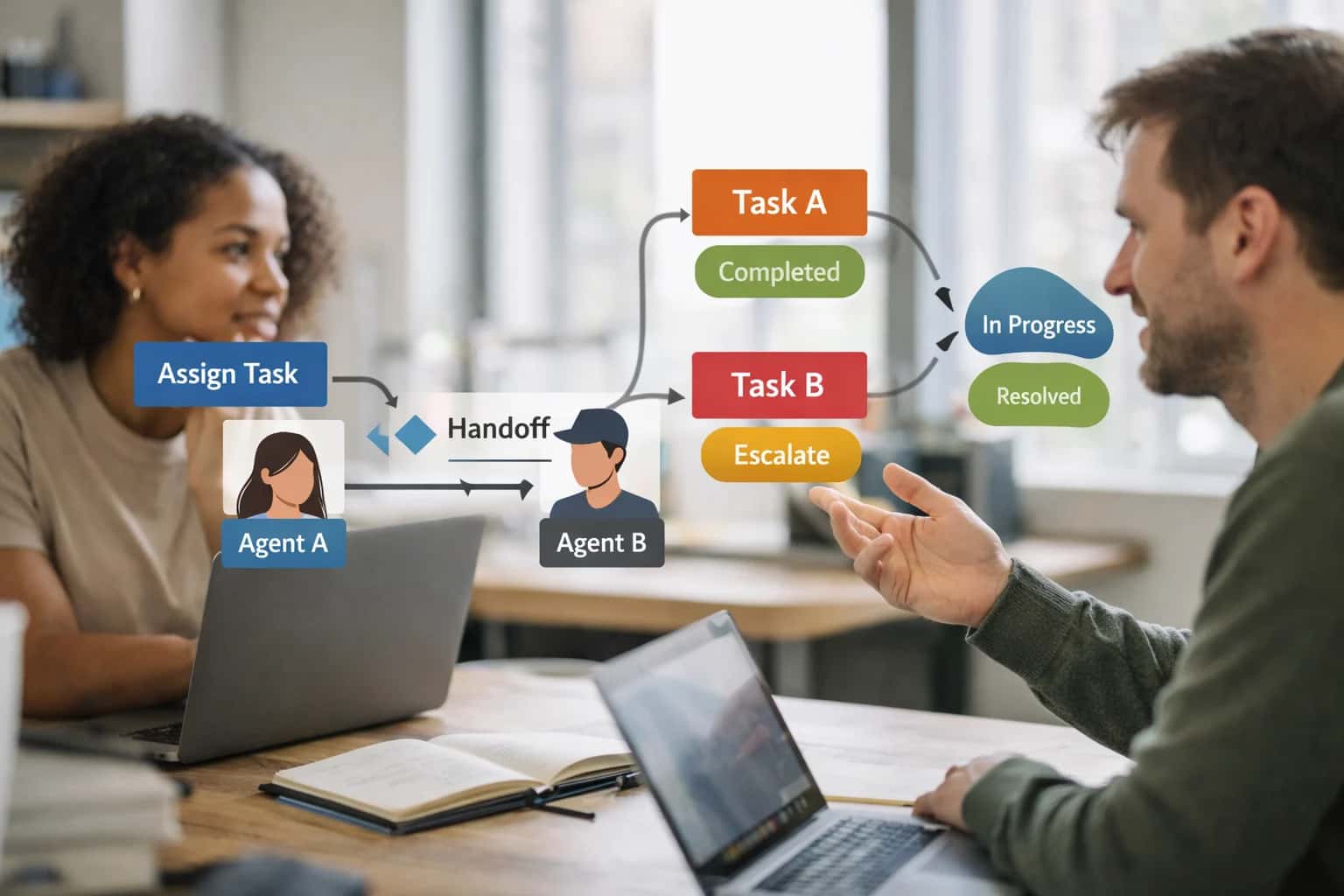
Where AI Fits into DrChrono's Revenue Cycle
A practical guide to embedding AI agents and workflows into DrChrono's EHR and RCM modules to reduce manual work for coders, billers, and practice administrators.
High-impact use cases follow the revenue cycle's natural flow: Pre-Submission Claim Scrubbing (validating coding against payer rules and NCCI edits before the claim leaves DrChrono), Automated Payment Posting (using computer vision on uploaded EOB/ERA PDFs to match and post payments, reconciling adjustments), and Intelligent Denial Management (analyzing denial reason codes from ERA 835s, prioritizing appeals, and drafting appeal letters that log back to the claim's history). Each workflow connects to specific DrChrono objects: the Claim object for scrubbing, the Payment and Adjustment objects for posting, and the Claim with a Denial note or custom field for tracking appeal status. The impact is operational: turning multi-day manual reviews into same-day automated workflows, shifting staff from data entry to exception handling.
A production rollout starts with a single, high-volume workflow—like pre-submission claim review—deployed in a human-in-the-loop mode. AI suggestions appear in a side panel or queue within DrChrono (via an embedded iFrame or a separate dashboard that syncs via API) for biller review and approval. Governance is critical: all AI actions must write a detailed audit log back to DrChrono as a note or to a custom audit object, and models should be regularly evaluated for coding accuracy against a gold-standard dataset. This phased approach allows practices to validate ROI and adapt workflows before scaling to more complex use cases like predictive denial analytics. For a deeper look at the technical patterns for secure, HIPAA-compliant integrations, see our guide on HIPAA-Compliant AI for Medical Billing.
DrChrono Modules and Integration Surfaces for AI
Clinical Documentation and Coding Surfaces
AI integrates directly into the patient encounter workflow within DrChrono's EHR to reduce administrative burden. Key surfaces include:
- Clinical Notes & SOAP Notes: AI can draft or summarize visit notes from transcribed audio, pulling forward relevant history from past encounters via the
ClinicalDocumentAPI. - Superbill & Charge Capture: NLP models analyze clinical documentation to suggest accurate CPT, ICD-10, and HCPCS codes, populating the superbill object (
Superbill) before claim creation. This reduces coding errors and charge lag. - Prior Authorization: AI agents can trigger within the
AppointmentorPatientcontext to check authorization requirements, summarize clinical necessity from notes, and even populate payer-specific forms via DrChrono'sLabOrderorImagingRequestinterfaces.
Integration is typically event-driven, using webhooks from the Encounter module to kick off AI processing, with results written back via PATCH calls to update the record.
High-Value AI Use Cases for DrChrono
Integrate AI directly into DrChrono's EHR and RCM workflows to automate manual tasks, reduce coding errors, and accelerate cash flow. These use cases leverage the DrChrono API to connect AI agents with patient charts, superbills, claims, and A/R modules.
Automated Claim Scrubbing & Pre-Submission Review
AI agents review claims before submission via the DrChrono API, checking for CPT/ICD-10 mismatches, missing modifiers, and payer-specific rules. Flags high-risk claims for manual review, reducing front-end denials.
Intelligent Denial Triage & Appeal Drafting
Connects to DrChrono's denial management module. AI analyzes ERA/EOB data, categorizes root causes, and prioritizes appeals. Drafts appeal letters with clinical and policy references, logging all actions back to the patient account.
Clinical Documentation & Coding Assistant
An in-workflow copilot for providers and coders. Uses NLP on progress notes to suggest accurate CPT/ICD-10 codes and HCC markers directly in the superbill. Integrates with DrChrono's charting and charge capture surfaces.
AI-Powered Payment Posting & Reconciliation
Automates the most manual RCM task. AI parses EOBs/ERAs (PDF/837), matches payments to claims in DrChrono, posts amounts, and flags underpayments or discrepancies for A/R staff review. Reduces data entry errors.
Predictive A/R Follow-Up Agent
Monitors DrChrono's aging reports via API. AI prioritizes accounts based on payer, amount, and age. Drafts and sends personalized follow-up emails or tasks to collectors, logging all communication in the platform.
Prior Authorization Workflow Accelerator
Integrates with DrChrono's scheduling and order modules. AI summarizes clinical notes to populate auth forms, tracks submission status with payers, and alerts staff of expirations or requests for additional information.
Example AI-Powered Workflows in DrChrono
These workflows illustrate how AI agents and automations connect to DrChrono's API and data model to reduce manual effort for coders, billers, and administrators. Each pattern is designed for incremental rollout with clear human-in-the-loop checkpoints.
Trigger: A provider completes and signs a clinical note in DrChrono.
Context Pulled: The AI agent uses the DrChrono API to retrieve:
- The signed note text (SOAP note, HPI, Assessment).
- Patient demographics and insurance plan from the
patientsandinsurancesobjects. - Previous visit history for context.
Agent Action: A specialized NLP model (e.g., fine-tuned for medical coding) extracts potential billable items:
- Diagnoses: Maps free-text assessment to ICD-10-CM codes, suggesting the primary and secondary codes.
- Procedures: Identifies procedures performed (e.g., 99213, 90658) from the note and time data.
- Modifiers: Flags potential modifiers (e.g., -25) based on documentation.
System Update: The agent creates a draft line_item in the DrChrono superbill/charge capture module via API, prefilling the suggested codes with a source: "ai_suggested" flag.
Human Review Point: The coder or biller reviews the AI-suggested codes in the DrChrono UI. They can accept, edit, or reject each suggestion. All actions are logged for model feedback and compliance.
Implementation Architecture: Connecting AI to DrChrono
A technical guide for integrating AI agents into DrChrono's EHR and RCM modules to automate coding, claims, and denial workflows.
A production-ready AI integration for DrChrono connects at three primary surfaces: the API layer for real-time data exchange, the automation engine for workflow triggers, and the user interface for agent-assisted copilots. Key integration points include the Appointments, Patients, Clinical Documents, and Billing API endpoints. For example, an AI coding assistant can be triggered via a webhook when a new clinical note is signed, pulling the note text via the Clinical Documents API, suggesting CPT/ICD-10 codes, and posting the suggested Charge object back to create a claim draft. This reduces manual code lookup from minutes to seconds within the provider's existing workflow.
High-impact workflows are built by orchestrating these APIs. A pre-submission claim scrubber agent listens for new Claims in ready_to_submit status, validates codes against payer rules and NCCI edits using a RAG-enhanced knowledge base, and flags errors in a claim_review queue within DrChrono before submission. A denial management agent periodically queries the Claims API for denials, uses NLP to classify the denial_reason, prioritizes appeals, and can even draft appeal letters by pulling relevant Patient and Clinical Document data, logging all activities back as notes on the claim record. This turns reactive denial work into a proactive, prioritized operation.
Rollout requires a phased approach, starting with a single module (e.g., coding assistance) and a pilot user group. Governance is critical: all AI interactions must be logged to an immutable audit trail, and suggestions should require human review (human-in-the-loop) before final submission, especially for coding and payment posting. Implement role-based access controls (RBAC) so agents only interact with data scoped to the user's permissions. For a deeper dive on building HIPAA-compliant audit trails for AI, see our guide on HIPAA-Compliant AI for Medical Billing.
Inference Systems delivers this architecture by deploying containerized AI services (e.g., for NLP and RAG) in your VPC or a compliant cloud, establishing a secure, service-to-service connection with DrChrono's OAuth 2.0 API. We implement idempotent retry logic for API calls, handle PHI encryption in transit and at rest, and provide a dashboard for monitoring agent accuracy and business impact, such as reduction in charge lag or improvement in clean claim rates. This approach embeds intelligence directly into the platform's operational fabric without disrupting existing staff workflows.
Code and Payload Examples
Pre-Submission AI Claim Review
Integrate an AI agent with DrChrono's claims and appointments endpoints to validate coding, medical necessity, and payer-specific rules before submission. The agent cross-references CPT/ICD-10 combinations against the patient's appointment notes and insurance plan, flagging potential denials for manual review.
Typical Workflow:
- Fetch a batch of
ready_to_submitclaims via GET/api/claims. - For each claim, retrieve the associated
appointmentandpatient_insurancedetails. - Send claim data, clinical notes, and payer ID to an LLM with a structured prompt for validation.
- Parse the LLM's response for errors (e.g.,
missing_modifier,unbundled_codes,medical_necessity_concern). - Update the claim's internal status to
needs_reviewand log findings via POST/api/claim_notes.
python# Example: AI-Powered Claim Validation Call def validate_claim_with_ai(claim_data, clinical_note, payer_rules): prompt = f""" Review this medical claim for coding and compliance issues. Patient Diagnosis: {claim_data['diagnoses']} Procedures: {claim_data['procedures']} Clinical Note Excerpt: {clinical_note[:1000]} Payer Rules: {payer_rules} Return a JSON with 'issues' (list) and 'confidence_score'. """ # Call to LLM (e.g., OpenAI, Anthropic) response = llm_client.chat.completions.create( model="gpt-4", messages=[{"role": "user", "content": prompt}], response_format={ "type": "json_object" } ) return json.loads(response.choices[0].message.content)
Realistic Time Savings and Operational Impact
This table illustrates the tangible operational improvements achievable by integrating AI agents into DrChrono's EHR and RCM workflows. Metrics are based on typical implementations for mid-sized practices, focusing on reducing manual effort and accelerating revenue cycle velocity.
| Workflow / Metric | Before AI Integration | After AI Integration | Implementation Notes |
|---|---|---|---|
Charge Capture & Coding | Manual review of clinical notes for code assignment | AI-assisted code suggestion with human validation | Integrates with DrChrono's superbill and charge capture APIs; coder reviews AI suggestions |
Pre-Submission Claim Scrubbing | Batch review or post-submission denial analysis | Real-time validation against payer rules before submission | AI agent calls DrChrono's API to validate claims; flags errors for immediate correction |
Denial Triage & Root Cause Analysis | Manual sorting and categorization from ERA/EOB data | Automated denial reason extraction and prioritization | Parses denial data from DrChrono; surfaces top denial reasons for manager review |
Appeal Letter Drafting | Manual research and composition for each appeal | AI-generated first draft based on denial reason and chart | Uses templates and chart data from DrChrono; biller edits and finalizes |
Payment Posting from EOBs | Manual data entry from paper or PDF EOBs | AI-assisted data extraction and posting reconciliation | Computer vision/NLP extracts data; posts to DrChrono with human approval for discrepancies |
A/R Follow-up on Aged Claims | Manual list review and templated outreach | AI-prioritized work queue with draft communications | Monitors DrChrono aging reports; suggests accounts and drafts messages for collector |
Prior Authorization Status Tracking | Manual phone calls or portal checks | Automated status polling and alerting for delays | Integrates with payer portals/APIs; updates DrChrono records and alerts staff |
Governance, Security, and Phased Rollout
A production AI integration for DrChrono requires a secure, governed approach that respects clinical and financial data sensitivity while delivering incremental value.
A secure integration architecture typically involves a dedicated middleware layer or secure cloud service that acts as a bridge between DrChrono's API and your chosen AI models (e.g., OpenAI, Anthropic, or open-source LLMs). This layer is responsible for PHI de-identification before data is sent for processing, audit logging of all AI interactions, and enforcing role-based access controls (RBAC) that mirror DrChrono's user permissions. All data flows should be encrypted in transit, and any AI service used must be covered by a Business Associate Agreement (BAA).
We recommend a phased rollout to manage risk and demonstrate value. Phase 1 often starts with a single, high-impact workflow like automated claim scrubbing for a specific payer or specialty. This is deployed to a small pilot group of billers or coders. Phase 2 expands to adjacent workflows, such as denial reason categorization and appeal drafting, integrating feedback loops to improve AI accuracy. Phase 3 introduces more complex orchestration, like an AI agent that monitors the A/R aging report in DrChrono, prioritizes accounts, and suggests follow-up actions for the collections team.
Governance is continuous. Establish a cross-functional team (IT, compliance, RCM operations) to review AI outputs, monitor for model drift in coding suggestions, and approve the expansion of AI into new workflows. All AI-generated actions—like a suggested CPT code or a drafted appeal letter—should be presented as recommendations requiring human review and approval within the DrChrono interface before being committed to the patient record or claim. This creates a secure, controlled, and scalable path to AI-driven efficiency.
Enabling Efficiency, Speed & Accuracy
Intelligent Analysis, Decision & Execution
We build AI systems for teams that need search across company data, workflow automation across tools, or AI features inside products and internal software.
Talk to Us
Search across company data
Give teams answers from docs, tickets, runbooks, and product data with sources and permissions.
Useful when people spend too long searching or get different answers from different systems.

Automate internal workflows
Use AI to route work, draft outputs, trigger actions, and keep approvals and logs in place.
Useful when repetitive work moves across multiple tools and teams.

Add AI to products and internal tools
Build assistants, guided actions, or decision support into the software your team or customers already use.
Useful when AI needs to be part of the product, not a separate tool.
Frequently Asked Questions
Common technical and operational questions for teams planning to integrate AI into DrChrono's EHR and RCM platform.
Secure integration is built on DrChrono's REST API and OAuth 2.0. The standard pattern involves:
- Provision a dedicated integration user in DrChrono with role-based access control (RBAC) scoped to only the necessary modules (e.g.,
patients,appointments,clinical_documents,billing). - Use a secure middleware layer (often a cloud function or container) that:
- Acts as the OAuth client and manages token refresh.
- Pulls specific data payloads from DrChrono (e.g., a clinical note for coding).
- De-identifies PHI before sending to the AI model, if the model is not hosted in a fully HIPAA-compliant environment under a BAA.
- Calls the AI service (e.g., OpenAI, Anthropic, or a custom model) with the prepared context.
- Processes the AI output and writes the result back to the appropriate DrChrono object via API.
- Maintain a full audit trail in your middleware, logging the DrChrono record ID, action taken, timestamp, and user/process that initiated it. Never stream PHI directly from DrChrono to a public AI endpoint.

About the author
Prasad Kumkar
CEO & MD, Inference Systems
Prasad Kumkar is the CEO & MD of Inference Systems and writes about AI systems architecture, LLM infrastructure, model serving, evaluation, and production deployment. Over 5+ years, he has worked across computer vision models, L5 autonomous vehicle systems, and LLM research, with a focus on taking complex AI ideas into real-world engineering systems.
His work and writing cover AI systems, large language models, AI agents, multimodal systems, autonomous systems, inference optimization, RAG, evaluation, and production AI engineering.
Partnered with leading AI, data, and software stack.





How We Work
Custom AI workflows for your Business
One-fit-all AI don't work for modern businesses. At Inferensys, we aim to understand your business & custom requirements; which we use to define most efficient agentic workflows, the data, and the tools for your business.
01
Review the use case
We understand the task, the users, and where AI can actually help.
Read more02
Pick the right approach
We define what needs search, automation, or product integration.
Read more03
Build the first useful version
We implement the part that proves the value first.
Read more04
Improve from there
We add the checks and visibility needed to keep it useful.
Read moreThe first call is a practical review of your use case and the right next step.
Talk to Us