
Inferensys

Integration

Campground Integration with Intercom AI

A technical blueprint for building a sophisticated AI guest messaging bot by connecting Intercom to campground management platform APIs like Campspot, ResNexus, Staylist, and Campground Master.
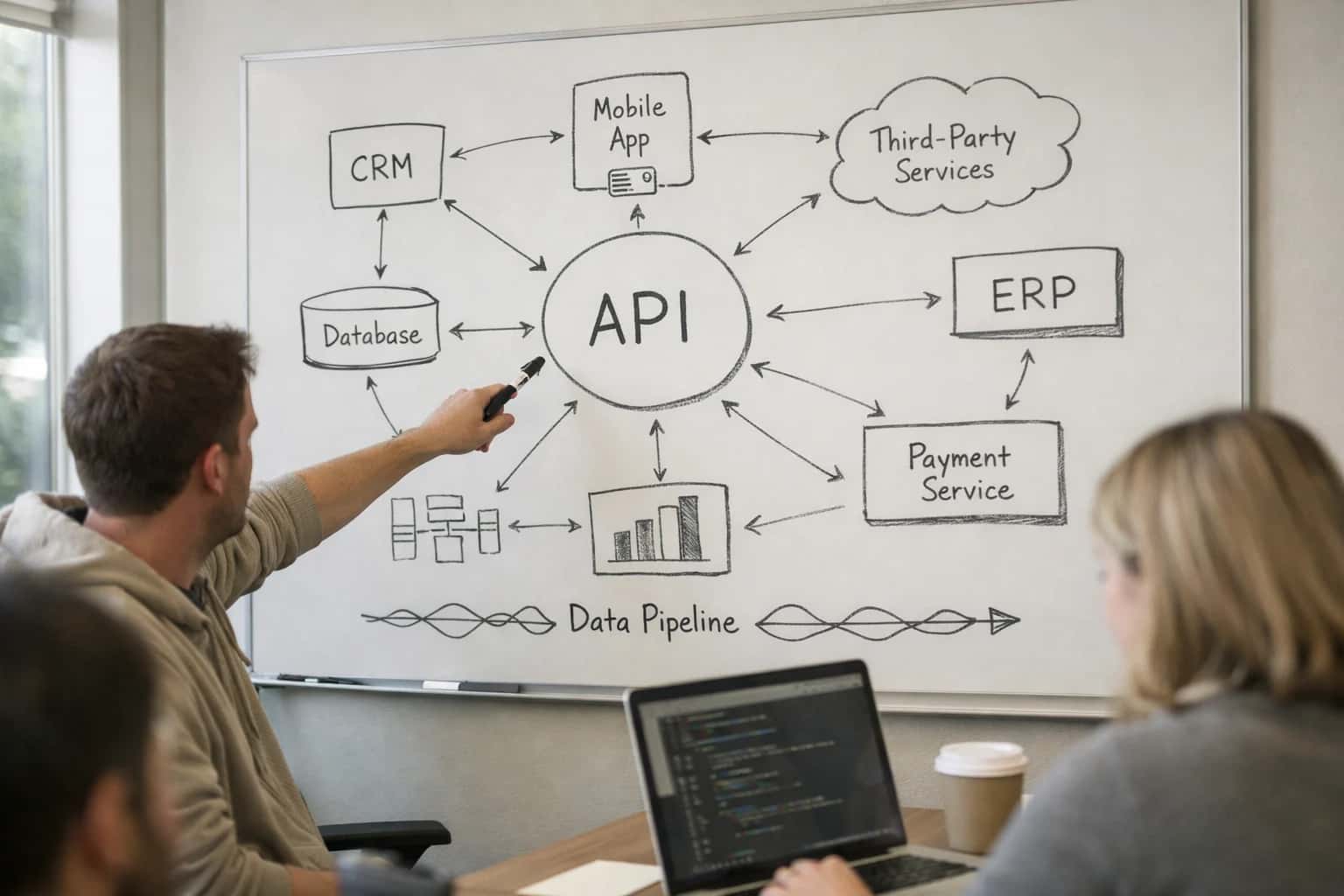
Enterprise integration architect reviewing API connections on laptop, diagram showing systems connecting, modern office setup.
ARCHITECTURE AND ROLLOUT

Where AI Fits in Campground Guest Messaging

A practical blueprint for connecting Intercom's AI to Campspot's reservation system to automate guest support.

The integration connects Intercom's Fin AI agent to Campspot's Guest and Reservation APIs. This creates a unified messaging layer where the AI can access real-time booking data to answer questions, modify stays, and provide local recommendations. Key integration points include:

  • Guest Profile Objects: For personalizing responses based on past stays, loyalty status, and preferences.
  • Reservation Endpoints: To check upcoming bookings, modify dates, add guests, or process upgrades.
  • Site and Inventory APIs: To verify availability for change requests or upsell suggestions.
  • Campspot's Webhook System: To trigger the AI agent for new inbound messages or booking confirmations.


In practice, a guest might ask, "Can I add an extra night to my RV site next weekend?" The AI agent, via the integrated APIs, would:

  1. Authenticate and identify the guest and their active reservation.
  2. Query Campspot's site availability for the requested dates.
  3. If available, calculate the new rate and present the option to the guest within the chat.
  4. Upon guest confirmation, call the PATCH /reservations/{id} API to extend the stay and trigger a revised confirmation email. This moves a multi-step, manual process handled by front-desk staff into a self-service, real-time interaction, reducing response time from hours to seconds for common requests.

Rollout should be phased, starting with low-risk, high-volume queries like check-in times, pet policies, and amenity details before enabling transactional capabilities. Governance is critical: implement human-in-the-loop approval steps for any reservation modification over a certain value or for complex group bookings. All AI-driven interactions should be logged back to the guest's Campspot record via the Notes or Activities API, creating a full audit trail. This architecture ensures the AI augments, rather than replaces, staff by handling routine inquiries while escalating nuanced issues—improving guest satisfaction and operational efficiency for campgrounds using Campspot and Intercom.

ARCHITECTURE BLUEPRINT

Key Integration Surfaces: Intercom + Campground Platforms

Connecting AI to Guest Context

The core of a useful Intercom AI agent is a rich, real-time guest profile. This integration surface focuses on syncing key data objects from platforms like Campspot and ResNexus into Intercom custom attributes.

Key Data Objects to Sync:

  • Active Reservation Details: Site number, dates, party size, booked activities, and balance due.
  • Guest History: Past stays, total spend, previous support tickets, and review sentiment.
  • Profile Attributes: Preferred contact method, loyalty tier, special requests (e.g., ADA needs), and pet information.

Implementation Pattern: Use platform webhooks (e.g., Campspot's reservation.updated) to push data changes to a middleware service. This service transforms and updates the guest's Intercom contact via the Contacts API. The AI bot can then access this context to provide personalized answers about modifications, policies, or charges without asking the guest to repeat information.

CONNECTING GUEST MESSAGING TO RESERVATION OPERATIONS

High-Value Use Cases for Campground Intercom AI

Integrating Intercom with a campground management platform like Campspot creates a unified guest communication layer. These cards detail specific workflows where AI can automate support, drive revenue, and improve operational efficiency by connecting real-time chat to reservation data and APIs.

01

Automated Pre-Arrival FAQ & Policy Triage

An AI agent answers common guest questions about check-in times, pet policies, and amenity availability by querying the Campspot API for the specific reservation and site details. It can pull real-time data on pool hours or firewood sales, reducing front-desk calls by 40-60% during peak booking periods.

40-60%
Front-desk call reduction
02

In-Chat Reservation Modifications & Upsells

Guests can request to extend a stay, add an extra vehicle, or upgrade their site directly in Intercom. The AI validates site availability via the Campspot API, calculates the new rate, and initiates a secure payment link through the platform's payment gateway, turning support conversations into revenue opportunities.

Batch -> Real-time
Modification workflow
03

Local Recommendation & Activity Booking Engine

When guests ask "What can we do nearby?", the AI provides personalized suggestions based on stay duration and guest profile. It can check real-time availability for on-property activities (like guided hikes) via the Campspot Activities module and facilitate booking within the chat, driving ancillary revenue.

Hours -> Minutes
Itinerary planning
04

Automated Issue Triage & Work Order Creation

Guests report a maintenance issue (e.g., "our outlet isn't working"). The AI classifies the issue urgency, extracts the site number from the reservation context, and creates a prioritized work order in Campspot or a connected CMMS like MaintainX. It then sets guest expectations for resolution time.

Same day
Response guarantee
05

Post-Stay Review & Feedback Collection

After checkout, the AI initiates a conversation to solicit feedback. It analyzes sentiment in real-time and, for negative feedback, can trigger a recovery workflow in Campspot (like issuing a loyalty credit). Positive reviews are automatically formatted and suggested for posting to Google or TripAdvisor.

2-3x
Review response rate
06

Group & Event Inquiry Qualification

For complex group booking inquiries via Intercom, the AI acts as a qualification bot. It gathers group size, dates, and needs, then checks Campspot's block availability API. It pre-fills a quote request in the platform and routes the qualified lead to a sales manager with full context, cutting sales cycle time.

1 sprint
Lead qualification time
CAMPING GUEST SUPPORT

Example AI Agent Workflows

These workflows illustrate how an AI agent, powered by Intercom's platform and connected to Campspot's API, can automate high-volume guest interactions while maintaining a personal touch. Each flow is triggered by a guest message and results in a system update or a hand-off to a human agent with full context.

Trigger: A guest messages the Intercom inbox asking to change their reservation dates or site type.

Agent Workflow:

  1. Context Pull: The AI agent uses the guest's email or phone number from the Intercom conversation to query the Campspot API for their active reservation(s).
  2. Intent & Slot Filling: Using natural language understanding, the agent identifies the requested change (e.g., "move my stay from July 5th to July 12th") and extracts the necessary parameters (new dates, preferred site type).
  3. API Check & Response: The agent calls Campspot's GET /availability endpoint to check for open sites on the new dates. It then formulates a response:
    • If available: It presents the options, confirms pricing differences, and asks for verbal confirmation to proceed. Upon guest approval, it calls PUT /reservations/{id} to update the booking and posts a summary in the Intercom thread.
    • If not available: It suggests alternative dates or sites, pulling from real-time availability.
  4. Human Hand-off Point: If the guest's request is complex (e.g., splitting a reservation, large group changes) or requires a fee waiver, the agent summarizes the conversation and escalates the thread to a human agent with the Campspot reservation ID and the proposed change details pre-loaded.
CONNECTING INTERCOM TO CAMPSPOT'S API

Implementation Architecture & Data Flow

A technical blueprint for building a production-ready AI guest messaging bot by securely connecting Intercom to your campground management platform.

The core integration pattern uses Campspot's REST API as the system of record, with a middleware layer acting as the secure bridge to Intercom's platform. This layer, often a cloud function or containerized service, performs three critical functions: it listens for new conversations in Intercom via webhooks, fetches relevant guest and reservation context from Campspot using the guests and reservations endpoints, and orchestrates the AI agent's response. The AI agent itself—built with frameworks like LangChain or directly with OpenAI's API—is prompted with this structured context (e.g., guest name, site number, check-in date, balance due) to generate accurate, personalized replies for booking modifications, policy FAQs, or local recommendations.

For high-value actions like modifying a reservation or processing a refund, the architecture must include a human-in-the-loop approval step. The AI agent can draft the required API call payload for Campspot (e.g., a PATCH to /reservations/{id}), but the action is queued in a system like a database or message queue (e.g., Amazon SQS, Redis) for a staff member to review and approve via a simple dashboard before execution. This ensures governance and prevents unintended changes. All interactions are logged with a unique conversation_id and reservation_id to maintain a complete audit trail across Intercom, the AI service, and Campspot.

Rollout should be phased, starting with read-only Q&A use cases to build trust. Begin by connecting the AI to answer common pre-arrival questions pulled from Campspot data, then gradually introduce assisted workflows like "modify dates" or "add an extra vehicle." Monitor key metrics like deflection rate, guest satisfaction scores from Intercom, and the volume of escalated tickets requiring human review. For a deeper dive on building these orchestration layers, see our guide on Campground API Automation and Integration Hubs with AI.

BUILDING AN AI GUEST AGENT

Code & Payload Examples

Handling Incoming Intercom Messages

When a guest messages your Intercom inbox, a webhook is sent to your AI agent service. This payload contains the guest's message and metadata, which your service uses to fetch relevant reservation context from Campspot before generating a reply.

json
// Example Intercom Webhook Payload (simplified)
{
  "type": "conversation.user.created",
  "data": {
    "item": {
      "id": "conversation_123",
      "user": {
        "id": "user_456",
        "email": "[email protected]"
      },
      "conversation_parts": {
        "conversation_parts": [
          {
            "part_type": "comment",
            "body": "Can I add an extra night to my reservation next week?"
          }
        ]
      }
    }
  }
}

Your handler extracts the guest's email, queries the Campspot API for their active reservation, and passes the enriched context to the LLM.

CAMPING GUEST SUPPORT

Realistic Time Savings & Operational Impact

How connecting Intercom AI to Campspot's API transforms guest messaging workflows, reducing manual effort and improving response quality.

MetricBefore AIAfter AINotes

Initial Guest Inquiry Response

2-4 hours (manual)

Under 2 minutes (automated)

AI drafts reply using Campspot booking data; staff reviews before sending.

Booking Modification Requests

Next business day

Same-day resolution

AI fetches reservation details and policy, proposes options for agent approval.

Local Recommendation Research

15-30 minutes per request

Instant, contextual suggestions

AI cross-references guest stay dates with local event calendars and partner data.

Policy & FAQ Resolution Rate

~65% of tickets

~85% of tickets

AI handles common questions (pet policies, check-in times), escalating only complex issues.

Agent Handling Capacity

~50 concurrent conversations

~120 concurrent conversations

AI pre-qualifies and drafts responses, allowing agents to manage more guests simultaneously.

Upsell/Cross-sell Opportunity Identification

Ad-hoc, manual review

Automated, profile-triggered

AI analyzes guest booking (site type, length of stay) to flag potential add-ons (firewood, activity passes).

Post-Interaction Summary & Logging

5-10 minutes per ticket

Automatic, structured update

AI logs conversation summary and any booking changes directly to the Campspot guest record.

PRODUCTION ARCHITECTURE FOR GUEST MESSAGING

Governance, Security & Phased Rollout

A secure, controlled implementation strategy for connecting Intercom AI to your campground management platform.

This integration connects two critical systems: your Campspot API (holding PII, reservation details, and payment data) and Intercom (the conversational surface). The architecture must enforce strict data governance. We recommend a middleware layer (e.g., a secure cloud function) that acts as a policy engine. This layer brokers all communication, ensuring the AI agent only receives the specific guest and reservation context needed for the current conversation, scrubbing sensitive fields like full credit card numbers or government IDs before passing data to Intercom's LLM. All data exchanges should be logged to an immutable audit trail, keyed by reservation_id and guest_email, for compliance and debugging.

Rollout should follow a phased, risk-managed approach:

  • Phase 1: Shadow Mode & Triage. Deploy the AI to listen to incoming Intercom conversations and generate suggested responses in the background for human agents to review and send. This builds confidence in accuracy and tone without customer-facing risk.
  • Phase 2: Limited Scope Live Agent. Activate the AI to autonomously handle a narrow, high-volume intent, such as answering "What are your check-in times?" or "Do you allow pets?" by retrieving answers from a curated knowledge base and Campspot's property_details object. Implement a seamless human escalation path within the same Intercom thread.
  • Phase 3: Transactional Workflows. Once reliability is proven, enable the AI to execute safe transactions via the Campspot API, starting with modifying a reservation (e.g., adding an extra night) or processing a waiver. These actions should require explicit guest confirmation within the chat and trigger a webhook to update the Campspot reservation record, followed by a confirmation message.

Security is paramount. The integration service must authenticate using scoped API keys (not root admin credentials) with least-privilege access—e.g., read/write only to the reservations and guests endpoints. All prompts should be engineered to avoid jailbreaking and grounded strictly in the provided Campspot context to prevent hallucinations. Consider implementing a secondary review queue for any AI-suggested action involving a refund or policy exception. For a detailed look at architecting secure API automation for campgrounds, see our guide on Campground API Automation and Integration Hubs with AI.

IMPLEMENTATION BLUEPRINT

Frequently Asked Questions

Practical questions for technical teams building an AI-powered guest messaging bot by connecting Intercom to Campspot's API.

A secure integration requires a dedicated service account in Campspot with scoped API permissions and a secure middleware layer.

Typical Architecture:

  1. Create a Campspot Service Account: In Campspot's admin settings, generate an API key with permissions limited to GET /reservations, GET /guests, PATCH /reservations, and GET /sites. Never use a staff member's personal credentials.
  2. Deploy a Secure Middleware (e.g., AWS Lambda, Google Cloud Function): This serverless function acts as a bridge, handling authentication, request transformation, and logging.
  3. Implement OAuth for Intercom: Use Intercom's OAuth 2.0 to obtain an access token for the bot. Store tokens securely using a service like AWS Secrets Manager or Azure Key Vault.
  4. Establish Webhook Endpoints: Your middleware must expose a secure HTTPS endpoint for Intercom to send conversation events (e.g., conversation.created). Validate webhook signatures from Intercom.
  5. Logging & Audit: Ensure all API calls between systems are logged with user/guest IDs and timestamps for auditability.

This pattern keeps Campspot credentials out of Intercom's configuration and centralizes security controls.

Prasad Kumkar

About the author

Prasad Kumkar

CEO & MD, Inference Systems

Prasad Kumkar is the CEO & MD of Inference Systems and writes about AI systems architecture, LLM infrastructure, model serving, evaluation, and production deployment. Over 5+ years, he has worked across computer vision models, L5 autonomous vehicle systems, and LLM research, with a focus on taking complex AI ideas into real-world engineering systems.

His work and writing cover AI systems, large language models, AI agents, multimodal systems, autonomous systems, inference optimization, RAG, evaluation, and production AI engineering.


