AI integration connects to iMIS EMS at three key layers: the data model, the automation engine, and the user interface. For data, AI agents read and write to core objects like Events, Sessions, Registrations, Speakers, and Venues. For automation, they plug into iMIS workflow tools or external orchestration platforms to execute multi-step tasks. For the UI, AI surfaces as copilots within the iMIS staff console or as intelligent features in the member-facing event portal, handling tasks from agenda building to attendee support.

Integration
AI Integration for iMIS Event Coordination
Automate event setup and management in iMIS EMS using AI to draft session descriptions from speaker bios, optimize pricing tiers, and generate post-event survey analysis.
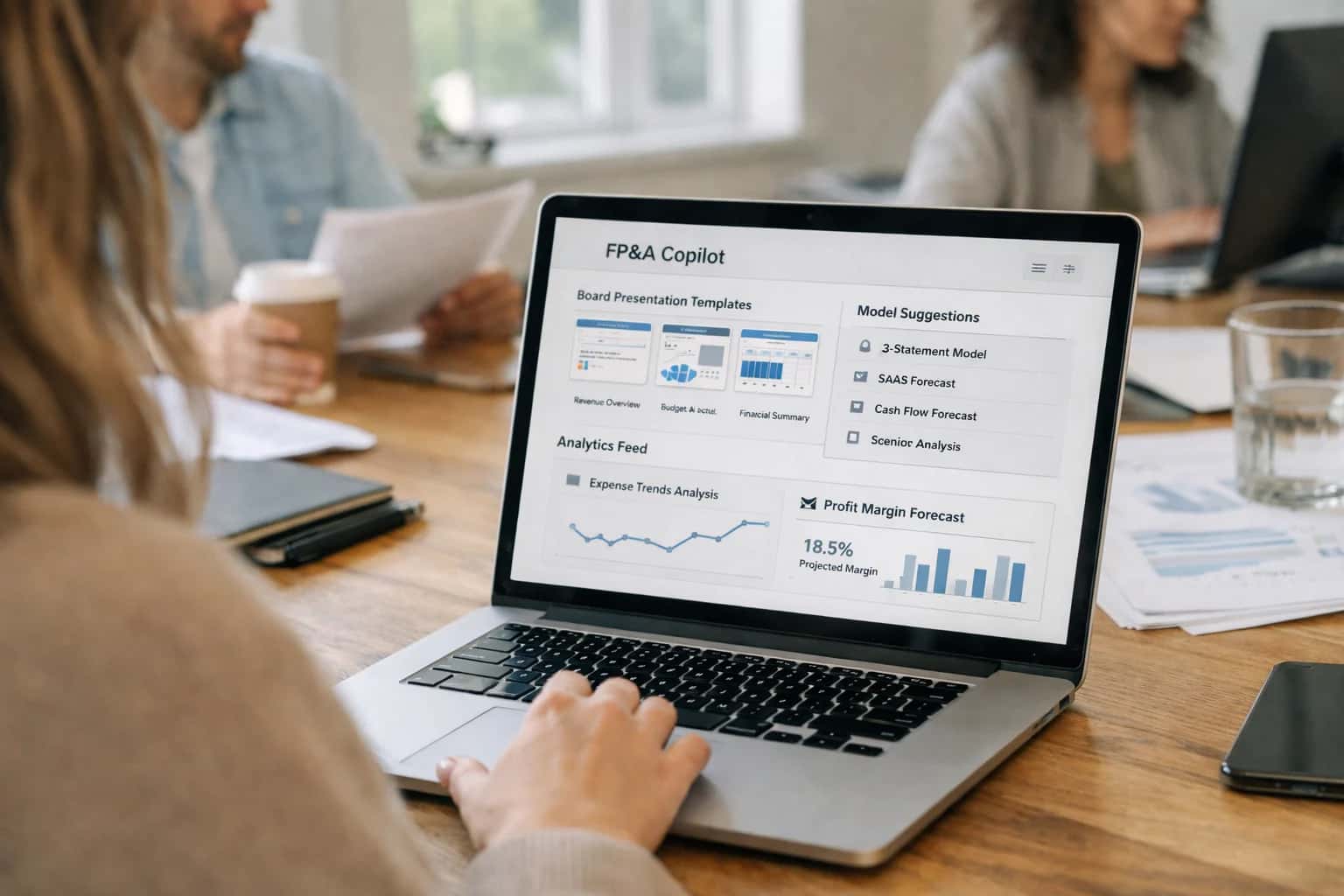
ARCHITECTURE AND ROLLOUT
Where AI Fits into iMIS Event Coordination
Integrating AI into iMIS EMS transforms manual event planning into an intelligent, proactive operation.
A production implementation typically uses a middleware layer (like an AI Agent platform) that securely calls iMIS APIs. For example, an agent can be triggered when a new Speaker record is created: it fetches the speaker's bio from the record or a linked document, uses an LLM to draft compelling session descriptions and speaker introductions, and writes them back to the Session object. Another agent monitors the Registration queue post-event, analyzes open-ended survey responses using sentiment clustering, and generates a summary report for the event manager, highlighting key themes like 'session pacing' or 'networking opportunities'.
Rollout should be phased, starting with internal staff copilots for high-volume, repetitive tasks like drafting communications or analyzing survey data. This builds trust and allows for human-in-the-loop review. Governance is critical: all AI-generated content should be logged in a dedicated Activity or custom object with an audit trail, and prompts should be engineered to pull from approved style guides and brand voice documents stored in iMIS. The final phase extends AI to members through the portal, such as a personalized session recommender that suggests Sessions based on a member's job title, past attendance, and stated learning goals from their profile.
EVENT COORDINATION SURFACES
Key iMIS EMS Modules and Touchpoints for AI
Automating Pre-Event Logistics
The Event Setup and Session Builder modules are prime surfaces for AI to accelerate planning. AI agents can ingest speaker bios, abstracts, and past session descriptions to draft compelling session blurbs, learning objectives, and speaker introductions. This reduces manual copywriting from hours to minutes.
For complex conferences, AI can analyze historical attendance data to recommend optimal session scheduling, avoiding topic conflicts and predicting popular time slots. Integration points include the session description fields, speaker management objects, and the scheduling engine's API. A typical workflow involves:
- An AI agent triggered upon session creation in iMIS EMS.
- The agent retrieves speaker data and reference materials.
- It generates a first-draft description and tags for review by the event manager.
- Approved content is posted back to iMIS, ready for the event catalog.
EVENT MANAGEMENT AUTOMATION
High-Value AI Use Cases for iMIS Events
Integrate AI directly into iMIS EMS to automate high-volume event coordination tasks, reduce manual workload for staff, and create more personalized attendee experiences.
01
Automated Session Description Drafting
Ingest speaker bios, abstracts, and past presentations to auto-generate compelling session descriptions for the iMIS event catalog. AI ensures consistency, optimizes for SEO, and frees program managers from manual copywriting.
Hours -> Minutes
Catalog setup time
02
Dynamic Pricing & Discount Optimization
Analyze historical iMIS registration data, member segments, and early-bird uptake to recommend optimal pricing tiers and discount windows. AI models predict attendance to maximize revenue and fill seats.
Batch -> Real-time
Pricing insights
03
Intelligent Waitlist & Capacity Management
Go beyond first-come-first-served. AI agents monitor registration trends and predict no-show rates to dynamically manage waitlists, release seats strategically, and personalize upgrade offers to maximize attendance.
Same day
Seat reallocation
04
Post-Event Survey & Feedback Synthesis
Automatically analyze open-ended survey responses from iMIS post-event forms. AI clusters feedback themes, scores sentiment, and generates executive summaries with actionable insights for future planning.
1 sprint
Analysis cycle
05
Personalized Attendee Session Recommendations
Leverage member profile data, past event attendance, and expressed interests to build a recommendation engine within the iMIS event portal. AI suggests relevant sessions and networking connections to boost engagement.
Personalized
Agenda building
06
Speaker & Contract Workflow Automation
Orchestrate speaker management from invitation to payment. AI agents draft invitation emails from templates, track contract status in iMIS, and auto-generate honorarium documentation, reducing administrative follow-up.
Reduce manual triage
Coordinator workload
IMIS EMS INTEGRATION PATTERNS
Example AI-Powered Event Workflows
These concrete workflows illustrate how AI agents and automations can be wired into iMIS EMS to handle high-volume, repetitive tasks, freeing staff for strategic planning and member engagement.
Trigger: A new speaker is added to the Speakers table in iMIS EMS with a bio document attached.
AI Action:
- An agent is triggered via an iMIS API webhook or a scheduled job.
- The agent retrieves the speaker's bio, past presentation titles (from previous events), and the assigned session topic from the
Event Sessionsmodule. - Using a structured prompt, an LLM generates 2-3 draft session descriptions (e.g., a 50-word abstract and a 150-word detailed summary).
- The drafts are posted to a dedicated Slack channel or saved as a note on the session record with a status of
AI_Draft_Ready.
Human Review & System Update:
- An event coordinator reviews the drafts, selects one, makes edits, and approves.
- Upon approval, the chosen description is automatically published to the iMIS session record and the public event website via API.
Key Integration Points: iMIS Speakers and Event Sessions REST API, iMIS document storage, webhook for New Speaker Added.
PRODUCTION-READY INTEGRATION PATTERNS
Implementation Architecture: Data Flow and Guardrails
A secure, governed architecture for injecting AI into iMIS EMS workflows without disrupting core operations.
A production integration for iMIS event coordination is built on a middleware layer that sits between iMIS EMS and your chosen LLM (e.g., OpenAI, Anthropic). This layer handles secure API calls to iMIS for data (e.g., Session, Speaker, Registration objects via the iMIS REST API or direct database access), processes that data through purpose-built AI agents, and writes structured outputs back to iMIS fields or workflows. Key data flows include: 1) Speaker-to-Description: An agent ingests Speaker.Bio and Session.Topic to draft a compelling session abstract. 2) Registration-to-Pricing: An agent analyzes historical Registration data and current early-bird rates to simulate uptake and recommend optimal pricing tiers. 3) Survey-to-Analysis: Post-event, an agent processes unstructured survey responses linked to the Event record, clustering themes and scoring sentiment for the event manager.
Governance is enforced at each step. All prompts and AI-generated content (drafts, recommendations, analyses) are logged to an audit table with user IDs, timestamps, and the source iMIS record ID. For high-impact actions—like publishing a session description or adjusting a published price—the architecture supports a human-in-the-loop approval. The AI output is written to a staging field (e.g., a custom AI_Draft_Description field on the Session object) and triggers an iMIS workflow task for staff review and final publish. This ensures staff maintain editorial and financial control while offloading the creative and analytical heavy lifting.
Rollout follows a phased, risk-based approach. Start with a single low-risk, high-reward workflow such as automating the first draft of session descriptions for a large conference. This delivers immediate time savings (reducing description drafting from hours to minutes per session) and builds internal confidence. Subsequent phases can introduce more complex agents for pricing optimization and real-time survey analysis, each with its own guardrails and success metrics tied to iMIS event KPIs. This modular approach allows your team to scale AI's role in event coordination without a disruptive big-bang implementation.
PRACTICAL INTEGRATION PATTERNS
Code and Payload Examples
Automating Session Drafts from Speaker Data
A common integration point is the iMIS EMS Session object. An AI agent can be triggered via a webhook when a new Speaker record is linked to an event. The agent retrieves the speaker's bio from the Individual module and recent presentation abstracts, then generates a compelling session description.
Example Python payload to trigger the agent:
pythonimport requests webhook_payload = { "event_id": "CONF2024-001", "session_id": "SESS-789", "speaker_ids": ["IND-12345", "IND-67890"], "action": "generate_description", "tone": "professional_engaging" } response = requests.post( "https://your-agent-endpoint/imis/events/generate", json=webhook_payload, headers={"X-API-Key": "your_imis_api_key"} )
The agent returns a structured JSON with the draft description and suggested keywords, which your middleware can write back to the Session.Description and Session.Keywords fields via the iMIS REST API.
AI-ASSISTED EVENT COORDINATION
Realistic Time Savings and Operational Impact
How AI integration transforms manual, time-intensive tasks in iMIS EMS, shifting staff effort from execution to oversight.
| Event Coordination Task | Before AI | After AI | Implementation Notes |
|---|---|---|---|
Session description drafting | 1-2 hours per session | 10-15 minutes review/edit | AI drafts from speaker bios and abstracts; human finalizes tone and key messages. |
Post-event survey analysis | Manual reading and coding of 500+ responses | Thematic summary and sentiment report in <1 hour | AI clusters open-ended feedback, flags critical issues for program managers. |
Pricing and tier optimization | Manual analysis of past registration data | Model-driven recommendations in minutes | AI simulates demand curves for new pricing structures; staff approves final rates. |
Speaker communication workflows | Manual email drafting and contract tracking | Automated invitation sequences and deadline reminders | AI manages template-based outreach; staff handles exceptions and negotiations. |
Waitlist and capacity management | Manual monitoring and ad-hoc email offers | Dynamic seat release based on predicted no-shows | AI prioritizes waitlist offers by member tier; staff sets overall rules. |
Event logistics email generation | Copy-pasting details into templates for each registrant | Personalized, data-merged emails triggered automatically | AI pulls venue details, session times, and dietary info from iMIS records. |
Post-event report drafting | Days compiling data from multiple modules | First-draft narrative with key metrics in 2 hours | AI generates executive summary from registration, revenue, and survey data. |
ARCHITECTING A CONTROLLED IMPLEMENTATION
Governance, Security, and Phased Rollout
A secure, phased approach ensures your AI integration for iMIS event coordination delivers value without disrupting critical operations.
A production-ready integration layers AI agents and workflows on top of iMIS EMS modules—like Events, Registrations, and Financials—without modifying core iMIS code. This is achieved via secure API calls and webhooks. For example, an AI agent triggered by a new session creation in iMIS can call an external service to draft a description using the speaker's bio from the Contacts module, then post the result back to a custom field for staff review. All data exchanges are logged, and prompts are version-controlled to ensure reproducibility and compliance with data policies.
We recommend a phased rollout starting with a single, high-impact workflow to build trust and refine the system. A common starting point is automated post-event survey analysis. In this phase, AI processes unstructured survey responses linked to an iMIS event record, summarizes sentiment and key themes, and posts a concise report to a dedicated dashboard or a note on the event record. This delivers immediate value by turning manual analysis from a days-long task into a same-day report, while operating in a read-only, audit-friendly mode.
Governance is built around iMIS's existing security model. AI agents should operate under a dedicated, least-privilege iMIS service account, with access scoped only to necessary objects like Evt_Event, Evt_Registrant, and Cm_Contact. A human-in-the-loop approval step is maintained for critical actions—like publishing AI-generated session descriptions or adjusting pricing tiers—ensuring staff retain final control. All AI-generated content and decisions are logged back to the relevant iMIS records with a clear audit trail, linking to the source prompt and data used, which is essential for board reporting and operational transparency.
For broader rollout, subsequent phases can introduce more autonomous workflows, such as dynamic waitlist management or speaker bio enrichment. Each phase includes defined success metrics (e.g., reduction in manual hours, improvement in session attendance predictions) and a rollback plan. This controlled, incremental approach minimizes risk while systematically unlocking efficiency across your entire event coordination lifecycle. For related architectural patterns, see our guide on secure API integrations for enterprise platforms.
Enabling Efficiency, Speed & Accuracy
Intelligent Analysis, Decision & Execution
We build AI systems for teams that need search across company data, workflow automation across tools, or AI features inside products and internal software.
Talk to Us
Search across company data
Give teams answers from docs, tickets, runbooks, and product data with sources and permissions.
Useful when people spend too long searching or get different answers from different systems.
Enterprise searchRAGPermissions
Read more
Automate internal workflows
Use AI to route work, draft outputs, trigger actions, and keep approvals and logs in place.
Useful when repetitive work moves across multiple tools and teams.
AI agentsWorkflow automationGovernance
Read more
Add AI to products and internal tools
Build assistants, guided actions, or decision support into the software your team or customers already use.
Useful when AI needs to be part of the product, not a separate tool.
AI integrationDecision supportModel routing
Read moreIMPLEMENTATION DETAILS
Frequently Asked Questions
Practical questions for teams planning to integrate AI agents and automation into iMIS EMS workflows for event coordination.
Integration typically occurs via iMIS REST API and webhooks. An external AI service acts as a middleware layer, listening for triggers and writing data back.
Common integration points:
- Webhook Trigger: A new
EventorSessionrecord is created in iMIS EMS. - Data Context Pull: The AI service calls the iMIS API to fetch related data:
Speakerbios, pastEventdescriptions,Pricinghistory. - AI Action: A model is prompted to generate a draft session description or analyze pricing tiers.
- System Update: The draft is posted back to a custom field on the
Sessionrecord (e.g.,AI_Description_Draft) or a pricing recommendation is added to aNote. - Human Review: An event coordinator reviews, edits, and approves the draft within the iMIS UI before publishing.
This keeps iMIS as the system of record while adding AI-assisted drafting.

About the author
Prasad Kumkar
CEO & MD, Inference Systems
Prasad Kumkar is the CEO & MD of Inference Systems and writes about AI systems architecture, LLM infrastructure, model serving, evaluation, and production deployment. Over 5+ years, he has worked across computer vision models, L5 autonomous vehicle systems, and LLM research, with a focus on taking complex AI ideas into real-world engineering systems.
His work and writing cover AI systems, large language models, AI agents, multimodal systems, autonomous systems, inference optimization, RAG, evaluation, and production AI engineering.
LinkedIn
Limited slotsGet a Free AI Consultation
Partnered with leading AI, data, and software stack.





How We Work
Custom AI workflows for your Business
One-fit-all AI don't work for modern businesses. At Inferensys, we aim to understand your business & custom requirements; which we use to define most efficient agentic workflows, the data, and the tools for your business.
01
Review the use case
We understand the task, the users, and where AI can actually help.
Read more02
Pick the right approach
We define what needs search, automation, or product integration.
Read more03
Build the first useful version
We implement the part that proves the value first.
Read more04
Improve from there
We add the checks and visibility needed to keep it useful.
Read moreThe first call is a practical review of your use case and the right next step.
Talk to Us