The integration connects at two primary surfaces within IDEXX Neo's data model: the Medical Records module, where unstructured SOAP notes, exam findings, and treatment logs are stored, and the Patient Summary/Profile view, where the synthesized history is presented. An AI agent, typically deployed as a secure microservice, is triggered via Neo's API or a scheduled batch job. It ingests all notes, lab results, imaging reports, and treatment records for a given patient, using Retrieval-Augmented Generation (RAG) over a vector store to ground its synthesis in the actual clinical data. The output is a concise, chronological narrative that highlights key events, chronic conditions, medication changes, and unresolved issues, formatted for quick veterinarian review.

Integration
AI Integration for IDEXX Neo Patient History
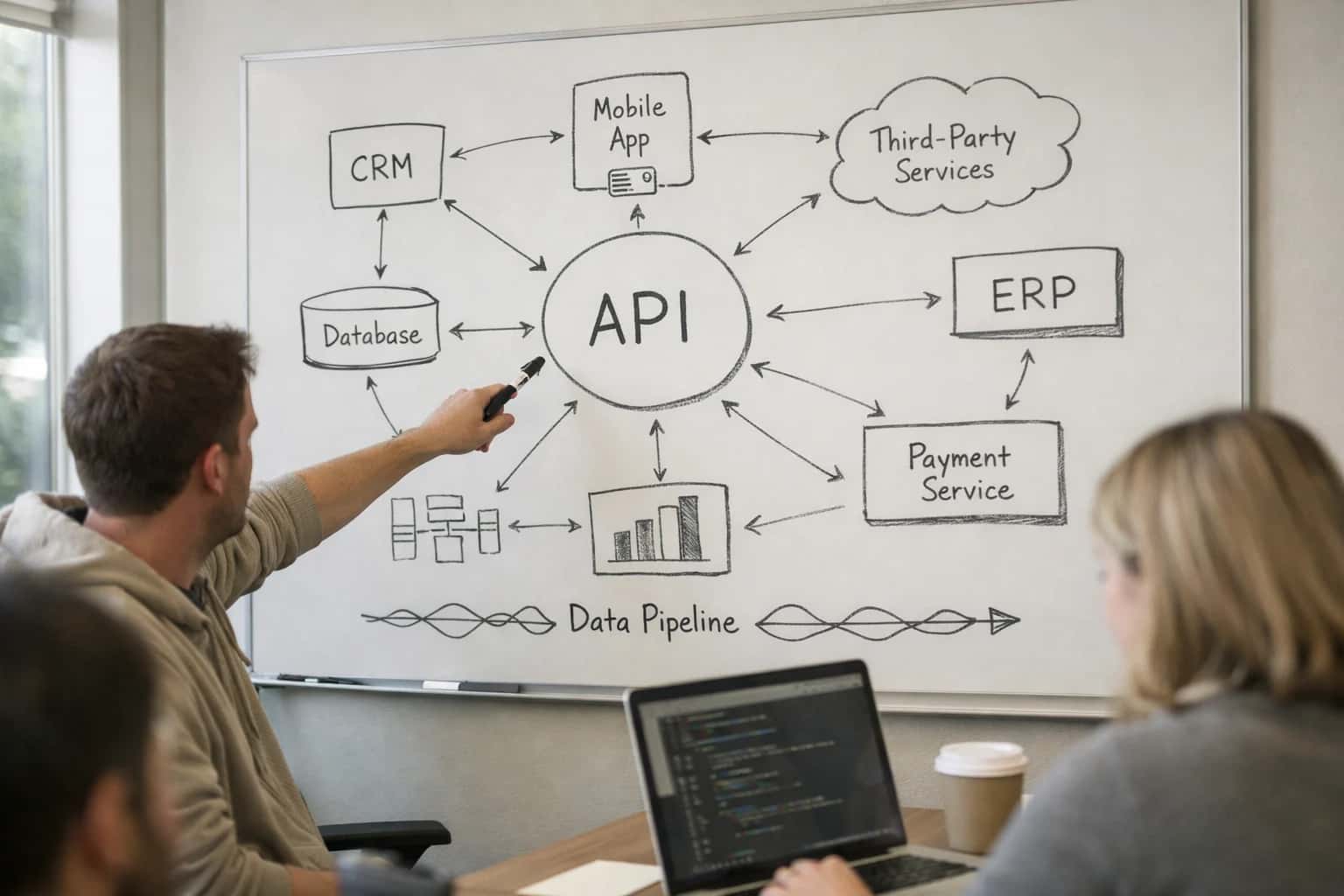
Where AI Fits into IDEXX Neo Patient History
Integrating AI into IDEXX Neo's patient history transforms disparate clinical notes into a synthesized, actionable timeline, accelerating clinical review and improving continuity of care.
For implementation, the AI service writes the synthesized summary back to a dedicated custom field in the patient record or, for a richer experience, surfaces it through a custom widget or sidebar within the Neo interface. Governance is critical: the system is designed as a clinician-in-the-loop tool. The AI-generated summary is always presented as a draft, requiring a veterinarian's review and explicit approval before it becomes part of the official medical record. All actions are logged in Neo's audit trail, linking the AI-generated content to the reviewing clinician for accountability. This pattern ensures compliance with veterinary practice standards while delivering time savings.
Rollout follows a phased approach, starting with a pilot group of veterinarians for specific case types, such as complex chronic patients or new client workups. Impact is measured in reduced chart review time—often turning a 10-minute manual synthesis task into a 1-minute review—and improved accuracy in spotting historical trends. For a deeper look at integrating AI with veterinary EHR data models, see our guide on AI Integration for Veterinary EHR Systems.
Key IDEXX Neo Data Surfaces for AI Integration
Unstructured Clinical Narratives
IDEXX Neo's core clinical notes and SOAP (Subjective, Objective, Assessment, Plan) records are the primary source for building a longitudinal patient history. These are typically free-text fields where veterinarians document observations, diagnoses, and treatment plans. An AI integration must process this unstructured data to extract key entities: presenting symptoms, diagnosed conditions, medications prescribed, procedures performed, and follow-up plans.
For synthesis, the system needs to access the PatientMedicalRecord object via the Neo API, focusing on the note_text, assessment, and plan fields. A retrieval-augmented generation (RAG) pipeline can be built to index these notes by patient and date, enabling the AI to answer timeline questions like "What was the patient's weight trend over the last three visits?" or "List all antibiotics prescribed in the last year." This transforms disparate notes into a searchable, coherent history.
High-Value Use Cases for AI-Powered Patient History
Integrating AI with IDEXX Neo's patient records transforms disparate clinical notes, lab results, and visit summaries into a coherent, actionable timeline. These patterns show where to connect AI to reduce chart review time and improve clinical decision-making.
Longitudinal History Synthesis
AI analyzes all unstructured notes, SOAP entries, and diagnostic reports for a patient, generating a concise, chronological narrative. This provides a single-page timeline view for the veterinarian, replacing manual scrolling through years of disparate entries in Neo's medical records module.
Problem List & Trend Detection
AI continuously reviews new clinical entries to identify and update a dynamic problem list. It flags trends in weight, lab values (e.g., creatinine, ALT), or medication responses, surfacing potential chronic issues or treatment efficacy directly within the patient's Neo summary.
Pre-Visit History Prep
Triggered by an upcoming appointment in Neo's scheduler, AI automatically compiles the last 12 months of relevant history, recent lab abnormalities, and pending follow-ups into a one-page brief. This equips the vet with context before entering the exam room, streamlining the visit workflow.
Referral Packet Automation
When a referral is initiated in Neo, AI assembles a comprehensive packet. It extracts and summarizes key history, imaging reports, treatment responses, and current medications from the record, generating a draft narrative for the specialist. This ensures complete information transfer and reduces admin work.
Client-Facing History Summaries
AI generates a plain-language patient history summary for pet owners via the Neo client portal. It translates clinical terms into accessible updates on their pet's health journey, improving client understanding and engagement after complex visits or for chronic condition management.
Clinical Trial & Cohort Screening
For practices involved in research, AI screens the entire Neo patient database against trial protocols. It identifies eligible patients based on diagnosis history, medication records, and lab values, exporting a de-identified candidate list and saving hours of manual chart review.
Example AI Workflows for Patient History Synthesis
These workflows illustrate how AI can systematically ingest, analyze, and synthesize disparate patient records within IDEXX Neo to produce a coherent, timeline-based history. Each pattern is designed to reduce manual chart review from hours to minutes.
Trigger: A patient is checked in for an appointment via the IDEXX Neo front desk module.
Data Pulled: The system automatically queries the Neo database for:
- All past SOAP notes and progress notes for the patient.
- Lab results (IDEXX and in-house) from the last 3 years.
- Diagnostic imaging reports.
- Prescription history from the pharmacy module.
- Previous treatment plans and estimates.
AI Action: A retrieval-augmented generation (RAG) agent processes the documents. It extracts key events, dates, findings, and treatments, then structures them into a chronological narrative. The model highlights trends (e.g., "Weight has trended upward by 15% over 18 months") and flags unresolved issues from past notes.
System Update: A draft "Synthesized Patient History" note is created and attached to the current visit record in Neo, pre-populated in a dedicated text field for the veterinarian.
Human Review: The veterinarian reviews, edits if necessary, and signs off on the synthesized history at the start of the exam, using it as the foundation for the day's clinical assessment.
Implementation Architecture: Data Flow & System Design
A practical blueprint for integrating an AI-powered patient history timeline into IDEXX Neo's clinical workflow.
The core integration connects to IDEXX Neo's API layer to pull disparate patient records. This includes structured data from the Medical Records module (SOAP notes, diagnoses, medications, lab results) and unstructured data from the Client Communications and Document Management areas (uploaded forms, email threads, handwritten notes). An orchestration service batches and ingests this data, normalizing dates, patient IDs, and encounter types into a unified JSON payload. This payload is then sent to a Retrieval-Augmented Generation (RAG) pipeline, where a vector database (like Pinecone or Weaviate) indexes the clinical notes for semantic search, grounding the LLM's synthesis in the actual patient record.
The AI workflow is triggered by a clinician opening a patient chart. A secure, serverless function calls the RAG pipeline with the patient ID. The system retrieves the most relevant clinical snippets across time, then prompts a model (like GPT-4 or Claude) with a specialized clinical template to generate a concise, chronological timeline. The output highlights key events: past diagnoses, treatment responses, recurring symptoms, and lab trends. This draft timeline is returned via API and displayed in a dedicated panel within the IDEXX Neo interface, clearly marked as an AI-generated summary for clinical review. The clinician can accept, edit, or discard the summary, with any edits fed back as human feedback to improve the model.
Governance is designed for clinical safety. All AI-generated content is logged with a full audit trail, linking the summary to the source notes and model version. The system operates under a human-in-the-loop approval pattern—no AI output is written directly back to the permanent patient record without review. Rollout follows a phased approach: starting with a pilot group of veterinarians for non-critical cases, integrating their feedback into prompt engineering, and gradually expanding access as confidence in the summary accuracy grows. This architecture ensures the integration augments the clinician's review process in IDEXX Neo, turning fragmented notes into actionable history in seconds, not minutes.
Code & Payload Examples
Fetching Disparate Patient Records
To synthesize a timeline, you first need to retrieve the raw data from Neo's various modules. This typically involves authenticated API calls to gather structured data (appointments, lab results, invoices) and unstructured data (SOAP notes, correspondence).
A robust implementation will handle pagination, error states, and respect rate limits. The example below shows a Python function to fetch clinical notes for a given patient ID, which is a common starting point for history generation.
pythonimport requests def fetch_patient_notes(patient_id, api_key, base_url): """Fetches clinical notes for a specific patient from IDEXX Neo.""" headers = { 'Authorization': f'Bearer {api_key}', 'Content-Type': 'application/json' } params = { 'patientId': patient_id, 'recordType': 'ClinicalNote', 'limit': 100 } response = requests.get( f'{base_url}/api/v1/records', headers=headers, params=params ) response.raise_for_status() return response.json().get('items', [])
Realistic Time Savings & Operational Impact
This table illustrates the operational impact of integrating AI to synthesize a concise patient timeline from disparate notes and records within IDEXX Neo, enabling faster clinical review and more informed decision-making.
| Workflow / Metric | Before AI Integration | After AI Integration | Implementation Notes |
|---|---|---|---|
Patient History Review for New Visit | 10-15 minutes manually searching notes, lab results, and past treatments | 2-3 minutes reviewing an AI-generated timeline summary | Clinician reviews and verifies AI summary; human-in-the-loop remains essential |
Identifying Trends in Chronic Conditions | Manual chart review across multiple visits, often missed or time-prohibitive | AI automatically surfaces weight, lab value, and medication adherence trends | Enables proactive care planning during the consultation |
Pre-Visit Preparation by Veterinarian | Scanning last 3-5 visit notes to refresh memory | Receiving a one-page, chronological patient summary 30 minutes before appointment | Summary pushed to IDEXX Neo dashboard or mobile app; integrates with scheduling |
Client Communication on Historical Care | Difficult to quickly summarize years of care during client conversations | AI provides talking points and a visual timeline to share with clients | Improves client trust and understanding of long-term care plans |
Hand-Off Between Shifts or Veterinarians | Reliant on verbal hand-off or incomplete chart notes | AI-generated summary provides consistent, objective patient status overview | Reduces information loss and supports continuity of care |
Data Compilation for Specialist Referrals | Manual collation of relevant records, imaging, and lab history | AI assembles a referral packet with key history highlights and attached records | Packet generated with one click; ensures specialists have complete context |
Medical Record Audit for Compliance | Hours spent sampling and reviewing records for completeness | AI pre-scans records for missing signatures, incomplete notes, or coding gaps | Flags potential issues for manager review, focusing human effort on exceptions |
Governance, Security, and Phased Rollout
A secure, governed approach to deploying AI for patient history synthesis in IDEXX Neo.
Integrating AI with IDEXX Neo's patient records requires a security-first architecture. We recommend a sidecar pattern where the AI service operates as a separate, secure microservice. This service calls IDEXX Neo's API to fetch patient data—such as visit notes, lab results, and SOAP records—processes it via a secure LLM endpoint, and writes the synthesized timeline back to a dedicated custom object or note field. All data flows are encrypted in transit, and access is strictly controlled via IDEXX Neo's native role-based permissions and API keys with minimal scopes (e.g., patient.read, clinical_note.write). Audit logs for all AI-generated summaries are written back to the patient record, creating a clear lineage of automated activity.
A phased rollout is critical for clinical adoption and risk management. We typically structure deployment in three stages: 1) Silent Pilot: The AI generates summaries in the background for a subset of patients, with outputs visible only to a small clinical review team who validate accuracy without changing workflow. 2) Assisted Draft: Validated summaries are presented as draft notes within the relevant IDEXX Neo module, requiring veterinarian review, edits, and explicit sign-off before becoming part of the official record. 3) Conditional Automation: For high-confidence, non-critical workflows (e.g., routine wellness visit summaries), the system can auto-post summaries with a flag for later review, while complex or urgent cases always require manual approval. This approach builds trust, surfaces edge cases, and aligns with clinical governance standards.
Governance extends beyond technology to operational policy. Establish a clinical review board—including lead veterinarians and practice managers—to define the scope of AI assistance, approve prompt templates, and review output quality metrics. Implement a human-in-the-loop checkpoint for any AI-generated content affecting diagnosis or treatment plans. Use IDEXX Neo's built-in version history and approval workflows to ensure all AI-assisted notes are attributable. This structured, incremental path minimizes disruption, ensures compliance with practice protocols, and delivers tangible time savings—turning hours of manual record review into minutes of clinical validation.
Enabling Efficiency, Speed & Accuracy
Intelligent Analysis, Decision & Execution
We build AI systems for teams that need search across company data, workflow automation across tools, or AI features inside products and internal software.
Talk to Us
Search across company data
Give teams answers from docs, tickets, runbooks, and product data with sources and permissions.
Useful when people spend too long searching or get different answers from different systems.

Automate internal workflows
Use AI to route work, draft outputs, trigger actions, and keep approvals and logs in place.
Useful when repetitive work moves across multiple tools and teams.

Add AI to products and internal tools
Build assistants, guided actions, or decision support into the software your team or customers already use.
Useful when AI needs to be part of the product, not a separate tool.
Frequently Asked Questions (Technical & Clinical)
Technical and clinical questions for teams evaluating AI to synthesize patient history in IDEXX Neo. Focused on data access, workflow integration, clinical safety, and rollout.
The integration uses a secure, API-first approach, typically via IDEXX Neo's REST API or a dedicated middleware layer.
Data Flow:
- Trigger: A clinician clicks "Summarize History" within a patient record or the AI process is triggered by a scheduled job for pre-visit prep.
- Context Retrieval: The system calls the IDEXX Neo API to fetch relevant, consented patient data. This includes:
- SOAP notes (Problem, Assessment, Plan)
- Lab results (IDEXX and in-house)
- Diagnostic imaging reports
- Medication and treatment history
- Vaccination records
- Client communications (relevant portal messages)
- Processing & Synthesis: Retrieved data is structured, anonymized for the LLM call if necessary, and sent to a configured AI model (e.g., GPT-4, Claude 3) with a specialized prompt engineered for veterinary clinical summarization.
- Output Generation: The model returns a concise, chronological timeline or narrative summary.
- System Update: The draft summary is presented in a dedicated UI panel within Neo or written to a designated custom field/note for clinician review and editing before finalizing.
Security: All data flows are encrypted in transit. API credentials are managed via secure secrets storage, adhering to Neo's permission scopes.

About the author
Prasad Kumkar
CEO & MD, Inference Systems
Prasad Kumkar is the CEO & MD of Inference Systems and writes about AI systems architecture, LLM infrastructure, model serving, evaluation, and production deployment. Over 5+ years, he has worked across computer vision models, L5 autonomous vehicle systems, and LLM research, with a focus on taking complex AI ideas into real-world engineering systems.
His work and writing cover AI systems, large language models, AI agents, multimodal systems, autonomous systems, inference optimization, RAG, evaluation, and production AI engineering.
Partnered with leading AI, data, and software stack.





How We Work
Custom AI workflows for your Business
One-fit-all AI don't work for modern businesses. At Inferensys, we aim to understand your business & custom requirements; which we use to define most efficient agentic workflows, the data, and the tools for your business.
01
Review the use case
We understand the task, the users, and where AI can actually help.
Read more02
Pick the right approach
We define what needs search, automation, or product integration.
Read more03
Build the first useful version
We implement the part that proves the value first.
Read more04
Improve from there
We add the checks and visibility needed to keep it useful.
Read moreThe first call is a practical review of your use case and the right next step.
Talk to Us