The integration connects at the ezyVet API layer, specifically targeting the endpoints for Appointment Booking and Client/Patient Records. The AI acts as a pre-processor for the booking widget, intercepting the initial client submission. Instead of a static form, the AI engages in a dynamic, multi-turn conversation, asking intelligent follow-up questions based on the pet's species, breed, age, and the owner's stated reason for visit (e.g., "lethargy and vomiting"). This conversation populates the correct ezyVet Appointment Type (e.g., "Sick Pet Exam," "Annual Wellness," "Dental Consult") and pre-fills structured clinical notes in the Appointment Details field, such as symptom duration and severity.

Integration
AI Integration for ezyVet Online Booking
Enhance ezyVet's online booking widget with AI that asks intelligent follow-up questions, recommends appropriate appointment types, and prevents booking errors to reduce front-desk calls and scheduling mistakes.
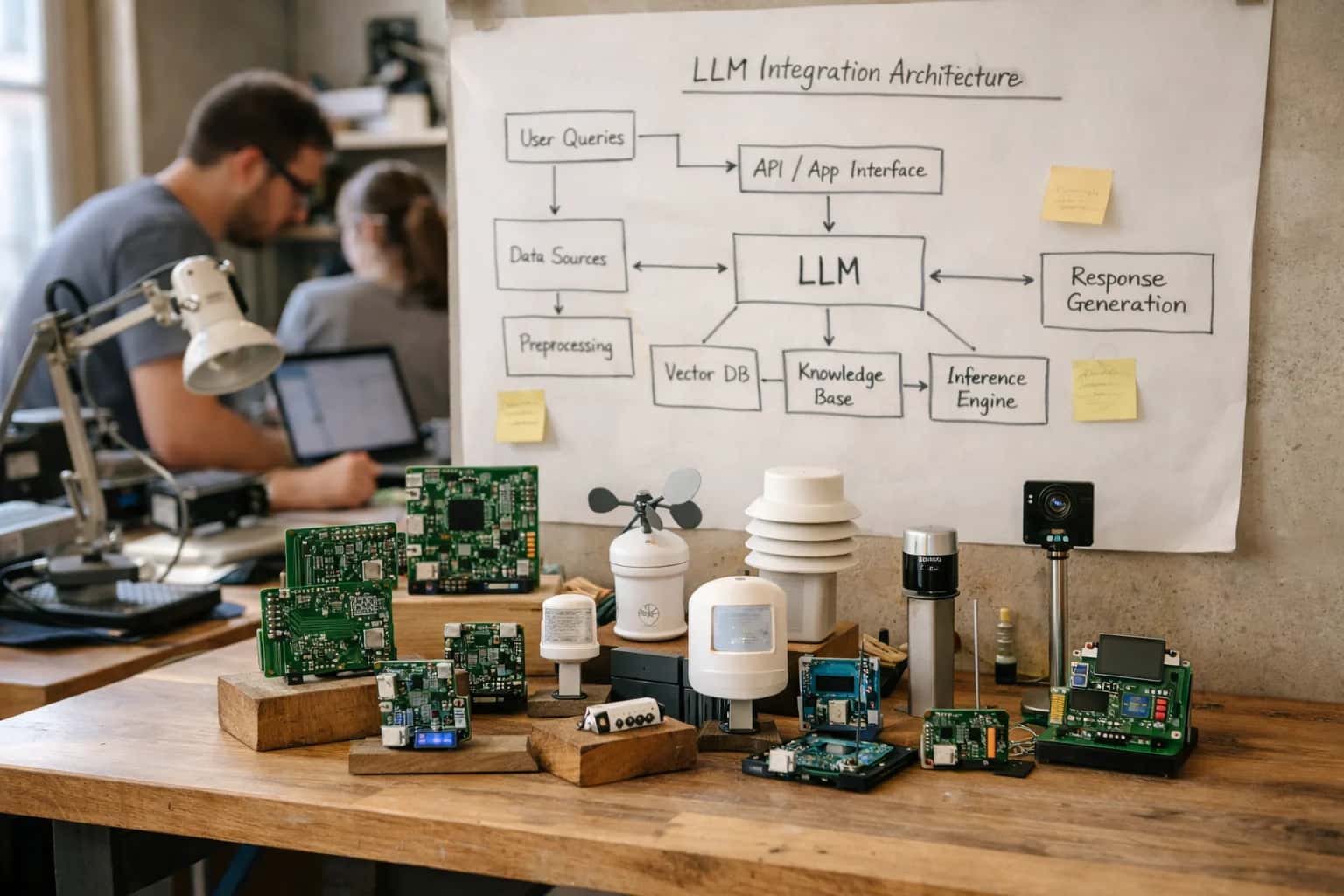
ARCHITECTURE AND ROLLOUT
Where AI Fits into the ezyVet Online Booking Workflow
Integrating AI into ezyVet's online booking widget transforms a simple scheduling tool into an intelligent intake assistant that prevents errors and captures critical information before the appointment.
From an implementation perspective, the AI service sits alongside ezyVet, not inside it. A typical architecture uses a secure webhook: the booking widget posts initial data to your AI endpoint, which processes the conversation and returns a structured payload (including recommended appointment duration, required resources, and urgency flag) back to ezyVet via its REST API to finalize the booking. This keeps the core ezyVet system unchanged while adding a layer of intelligence. Key workflows include symptom-based triage scoring to flag potential emergencies, preventive care recommendation (suggesting a dental cleaning during a wellness booking), and insurance pre-check guidance by asking about the client's provider.
Rollout is phased, starting with a pilot for non-urgent wellness bookings to build confidence. Governance is critical: all AI-generated recommendations (like appointment type) are presented as suggestions to the client, who makes the final selection. A human-in-the-loop review queue for a percentage of bookings ensures quality control. The integration also writes a detailed audit log of the AI's reasoning to the ezyVet Internal Notes field for traceability. This approach reduces front-desk call volume for booking clarification, cuts down on mismatched appointment types, and gives clinicians a head start with structured intake data, turning booking from an administrative task into the first clinical touchpoint.
ONLINE BOOKING WIDGET
Key Integration Surfaces in ezyVet
The Front-End Data Capture Layer
The ezyVet online booking widget is the primary surface for client interaction. AI integration here focuses on transforming a static form into a dynamic, intelligent intake system.
Key integration points:
- Form Field Logic: Inject JavaScript to make form fields (e.g., 'Reason for Visit') interactive. Based on initial input, the AI can generate follow-up questions (e.g., "Is your pet vomiting?" for 'Sick Visit').
- Session Context: Maintain a temporary session token or local storage to keep the AI's conversation context alive throughout the booking flow, allowing for multi-turn Q&A.
- Real-Time API Calls: As the client types, make secure API calls to your inference endpoint. The response dictates the next form field to show or provides a recommendation (e.g., "Based on 'limp,' we recommend an Orthopedic Consult.").
This layer reduces booking errors by gathering precise clinical context before the appointment is even created.
EZYVET INTEGRATION PATTERNS
High-Value AI Use Cases for Online Booking
Transform ezyVet's online booking widget from a simple form into an intelligent, guided experience. These AI integration patterns reduce front-desk workload, improve appointment accuracy, and capture richer clinical context before the pet arrives.
01
Intelligent Triage & Appointment Routing
AI analyzes the pet's symptoms, breed, and age from the booking form to recommend the correct appointment type (e.g., urgent care, routine exam, dental consult) and optimal clinician or service lane. Routes complex cases directly to the appropriate schedule, preventing mis-bookings that waste clinical time.
Batch -> Real-time
Routing logic
02
Dynamic Follow-Up Questioning
Instead of a static form, the booking widget uses a conversational AI to ask context-aware follow-up questions. For a 'limping' complaint, it asks about duration, which leg, and recent activity. This captures a structured patient history that pre-populates the SOAP note's subjective section, saving 3-5 minutes of vet time per appointment.
3-5 min/visit
Vet time saved
03
Pre-Visit Document & Consent Automation
Based on the booked service (e.g., surgery, grooming), AI automatically attaches the required digital consent forms and pre-operative instructions to the confirmation email. It can also flag patients missing current rabies certificates or heartworm test results, triggering an automated request via the client portal before check-in.
Same day
Compliance closure
04
Resource & Inventory Pre-Check
AI cross-references the booked appointments with ezyVet's inventory levels and staff schedules. If a dental cleaning is booked, it verifies anesthetic drug stock and technician availability. If resources are constrained, it can suggest alternative times or trigger low-stock alerts to the practice manager before the day begins.
Hours -> Minutes
Morning prep
05
Personalized Reminder & Prep Sequences
Goes beyond simple time/date reminders. AI generates personalized preparation instructions based on the specific appointment. For a senior pet wellness exam, the reminder includes 'please bring a urine sample.' For a suture removal, it includes a photo guide for checking incision healing. Sent via the client's preferred channel (SMS/email).
>20%
Reduced no-shows
06
Integration with Client Financial Profiles
AI reviews the client's payment history and existing care plans in ezyVet during booking. For services with high upfront cost (e.g., MRI), it can pre-approve payment plans or surface relevant wellness plan credits, increasing case acceptance. This turns the booking widget into a revenue optimization tool.
1 sprint
Implementation
IMPLEMENTATION PATTERNS
Example AI-Enhanced Booking Workflows
These concrete workflows show how AI can be integrated with ezyVet's online booking widget and backend APIs to automate intake, reduce errors, and improve scheduling efficiency. Each pattern connects a specific trigger to an AI action and a resulting system update.
Trigger: A client submits a booking request via the ezyVet online widget.
Context Pulled: The AI agent retrieves:
- The client's selected reason for visit (free-text field).
- The pet's species, breed, and age from the ezyVet patient record.
- Historical appointment data for similar cases.
AI Agent Action: A small language model (e.g., GPT-4) classifies the request into the most appropriate ezyVet appointment type (e.g., Annual Exam, Sick Visit, Dental Consult, Surgery Consult). It can also flag potential mismatches—like a "vaccine" request for a pet overdue for an exam, suggesting a Comprehensive Visit instead.
System Update: The AI returns the recommended appointment type code to the widget. The UI can:
- Auto-select the recommended type for the client to confirm.
- Display an explanation (e.g., "Based on your pet's age, we recommend an Annual Exam which includes the vaccine.").
- Update the backend booking object in ezyVet with the AI-suggested type for audit purposes.
Human Review Point: If confidence is below a set threshold, the booking is placed in a "Needs Review" queue in ezyVet for front-desk staff to manually assign the type.
CONNECTING AI TO THE BOOKING WIDGET
Implementation Architecture: Data Flow and APIs
A practical overview of how AI integrates with ezyVet's online booking system to enhance client interactions and reduce errors.
The integration connects at two primary points: the ezyVet Online Booking Widget API and the ezyVet Core REST API. The AI service acts as an intelligent middleware layer. When a client initiates a booking, the widget sends the initial request (pet type, desired service) to the AI service via a secure webhook, not directly to ezyVet. The AI then engages the client in a dynamic, context-aware Q&A session, using the ezyVet API to validate real-time data like clinician availability, patient vaccination status, or breed-specific service requirements.
The workflow is orchestrated as a stateful agent. For example, if a client selects "Annual Check-up," the AI can ask follow-ups like "Is this for a puppy under 1 year?" to recommend a Puppy Wellness appointment type, or "Has your dog had a kennel cough vaccine in the last 6 months?" for Boarding requests. Based on the conversation, the AI constructs a validated booking payload—including the correct appointment_type_id, client_id, patient_id, and reason notes—before posting it to the ezyVet POST /appointments endpoint. This prevents mismatches between client intent and the clinic's configured service codes.
Rollout is typically phased, starting with a pilot service like Vaccinations or Grooming. Governance is critical: all AI-generated booking suggestions are logged with a confidence score and the prompt chain used. For low-confidence scenarios or complex cases (e.g., a pet with a Flagged: Aggressive note in its record), the workflow can be configured to route to a human staff member for review via a dedicated queue in ezyVet before confirmation. This architecture ensures the AI augments the booking workflow without creating downstream scheduling chaos or data integrity issues.
INTEGRATION PATTERNS
Code and Payload Examples
Enhancing the Booking Widget with AI
Integrating AI directly into ezyVet's online booking widget involves intercepting the client's initial input (e.g., "annual check-up for my dog") and using an LLM to ask intelligent, dynamic follow-up questions before the appointment is finalized. This prevents booking errors and ensures the right appointment type and duration are selected.
A common pattern is to deploy a lightweight API endpoint that sits between the widget's frontend and ezyVet's backend. The widget sends the initial client query to your AI service, which returns a structured JSON object containing clarifying questions and a recommended appointment_type_id. The widget then displays these questions, collects answers, and submits the finalized booking payload to ezyVet.
python# Example: AI Service Endpoint for Widget Questions from fastapi import FastAPI from pydantic import BaseModel import openai app = FastAPI() class BookingQuery(BaseModel): client_input: str species: str # From widget dropdown @app.post("/api/booking/enrich") def enrich_booking(query: BookingQuery): prompt = f"""A client booking for a {query.species} says: '{query.client_input}'. Return JSON with: - 'clarifying_questions': array of 1-3 short questions. - 'suggested_appointment_type': string. - 'urgency_score': 1-5. """ # Call LLM (e.g., OpenAI, Anthropic) completion = openai.chat.completions.create( model="gpt-4o-mini", messages=[{"role": "user", "content": prompt}], response_format={ "type": "json_object" } ) return json.loads(completion.choices[0].message.content)
AI-ENHANCED ONLINE BOOKING
Realistic Time Savings and Operational Impact
A practical comparison of manual versus AI-assisted workflows for ezyVet's online booking widget, showing where time is saved and errors are prevented.
| Workflow Step | Before AI | After AI | Implementation Notes |
|---|---|---|---|
Appointment Type Selection | Client self-selects from a static list | AI recommends based on pet symptoms & history | Reduces misbooked appointments for complex cases |
Intake Form Completion | Generic, lengthy form for all visits | Dynamic, condition-specific follow-up questions | Captures relevant clinical context upfront |
Urgency Triage | Manual review by front desk after booking | Automated flagging of potential emergencies | Ensures critical cases are scheduled appropriately |
Client Communication for Missing Info | Phone tag or email follow-up by staff | AI chatbot prompts for clarification during booking | Cuts pre-appointment administrative calls by ~70% |
Resource & Staff Matching | Manual slot assignment based on availability | AI suggests optimal clinician & room based on case | Improves first-time resolution and staff utilization |
Error Validation (e.g., Duplicate Booking) | Manual cross-check during check-in | Real-time duplicate & conflict detection | Prevents double-booking and client frustration |
Post-Booking Instructions | Generic email sent to all clients | Personalized pre-visit instructions generated | Increases client preparedness and reduces no-shows |
ARCHITECTING FOR CLINICAL SAFETY AND OPERATIONAL CONTROL
Governance, Security, and Phased Rollout
A responsible AI integration for ezyVet Online Booking requires a layered approach to governance, data security, and controlled deployment to protect patient safety and practice operations.
Governance starts with defining clear decision boundaries for the AI. The system should handle routine clarification (e.g., 'Is this for a vaccine or a sick visit?') and data collection, but must escalate ambiguous or high-acuity cases to a human staff member. This is managed through configurable confidence thresholds and rule-based triggers within the integration layer. All AI-generated recommendations for appointment type, duration, or required resources are presented as non-binding suggestions within the booking widget, requiring final review and confirmation by the client, with a clear audit trail logged back to the ezyVet Booking and Client Communication objects.
Security is architected around ezyVet's API and data model. Patient data (PII/PHI) exchanged with AI models is never persisted in external AI training datasets. The integration uses token-based authentication with scoped permissions, accessing only the necessary Client, Patient, and Appointment Type objects. For processing, data is sent via secure, encrypted payloads to approved, HIPAA-compliant AI endpoints. All prompts and AI interactions are logged to a dedicated AI_Activity_Log custom object in ezyVet for compliance reviews, linking each interaction to a specific booking attempt.
A phased rollout is critical for adoption and risk management. We recommend a three-phase approach: 1) Shadow Mode: The AI runs in parallel with live bookings, analyzing intake data and making silent predictions without affecting workflows, allowing validation of accuracy. 2) Assisted Mode: The AI activates within the booking widget, asking clarifying questions and providing suggestions, but all bookings are routed through the standard staff review queue in ezyVet before confirmation. 3) Trusted Mode: For defined, low-risk appointment types (e.g., nail trims, weigh-ins), the AI can enable direct client booking with automated confirmation, while maintaining human-in-the-loop escalation paths. Each phase includes monitoring key metrics like booking error rates, client satisfaction scores from post-booking surveys, and staff time saved on phone clarifications.
Enabling Efficiency, Speed & Accuracy
Intelligent Analysis, Decision & Execution
We build AI systems for teams that need search across company data, workflow automation across tools, or AI features inside products and internal software.
Talk to Us
Search across company data
Give teams answers from docs, tickets, runbooks, and product data with sources and permissions.
Useful when people spend too long searching or get different answers from different systems.
Enterprise searchRAGPermissions
Read more
Automate internal workflows
Use AI to route work, draft outputs, trigger actions, and keep approvals and logs in place.
Useful when repetitive work moves across multiple tools and teams.
AI agentsWorkflow automationGovernance
Read more
Add AI to products and internal tools
Build assistants, guided actions, or decision support into the software your team or customers already use.
Useful when AI needs to be part of the product, not a separate tool.
AI integrationDecision supportModel routing
Read moreIMPLEMENTATION DETAILS
Frequently Asked Questions
Common technical and operational questions about integrating AI with ezyVet's online booking widget to enhance the client experience and reduce front-desk workload.
The integration uses a multi-step process to gather context before the client even starts typing:
- Initial Payload: When a client loads the ezyVet online booking widget, the integration captures the initial request (e.g., "book an appointment") and available session data (like returning client ID if logged in).
- Client & Pet History Lookup: If a client ID is present, the system calls ezyVet's API to retrieve a summarized history of the selected pet(s), including:
- Past appointment reasons
- Breed, age, and known conditions
- Recent medications or treatments
- Contextual Prompt Assembly: This data is formatted into a structured prompt for the LLM, grounding its questions in the specific patient's profile. For new clients, the model uses general veterinary knowledge and the initial request.
- Dynamic Question Generation: The LLM analyzes the context and generates 2-3 follow-up questions designed to clarify the visit reason and recommend the correct appointment type. For example, for a "limp" complaint and a senior Labrador, it might ask: "Is the limp constant or intermittent?" and "Has there been any known trauma or injury?"
This happens in real-time, creating a conversational booking flow that feels personalized and reduces errors.

About the author
Prasad Kumkar
CEO & MD, Inference Systems
Prasad Kumkar is the CEO & MD of Inference Systems and writes about AI systems architecture, LLM infrastructure, model serving, evaluation, and production deployment. Over 5+ years, he has worked across computer vision models, L5 autonomous vehicle systems, and LLM research, with a focus on taking complex AI ideas into real-world engineering systems.
His work and writing cover AI systems, large language models, AI agents, multimodal systems, autonomous systems, inference optimization, RAG, evaluation, and production AI engineering.
LinkedIn
Limited slotsGet a Free AI Consultation
Partnered with leading AI, data, and software stack.





How We Work
Custom AI workflows for your Business
One-fit-all AI don't work for modern businesses. At Inferensys, we aim to understand your business & custom requirements; which we use to define most efficient agentic workflows, the data, and the tools for your business.
01
Review the use case
We understand the task, the users, and where AI can actually help.
Read more02
Pick the right approach
We define what needs search, automation, or product integration.
Read more03
Build the first useful version
We implement the part that proves the value first.
Read more04
Improve from there
We add the checks and visibility needed to keep it useful.
Read moreThe first call is a practical review of your use case and the right next step.
Talk to Us