AI integration connects at three key layers within Covetrus Pulse: the Client and Patient Record API, the Marketing Automation Engine, and the Campaign Analytics modules. This allows AI models to segment audiences based on clinical history (e.g., breed-specific risk, vaccination status, chronic condition flags), generate personalized email and SMS content tailored to the pet's life stage and owner's communication preferences, and trigger multi-step nurture sequences from events like a completed wellness visit or a missed prescription refill. The integration acts as an intelligent orchestration layer, using Pulse's native tools for delivery while enhancing their logic and content.

Integration
AI Integration for Covetrus Pulse Marketing Automation
A technical guide for practice marketing managers and IT leaders on integrating AI to automate client segmentation, generate personalized email/SMS content, and measure campaign ROI directly within Covetrus Pulse.
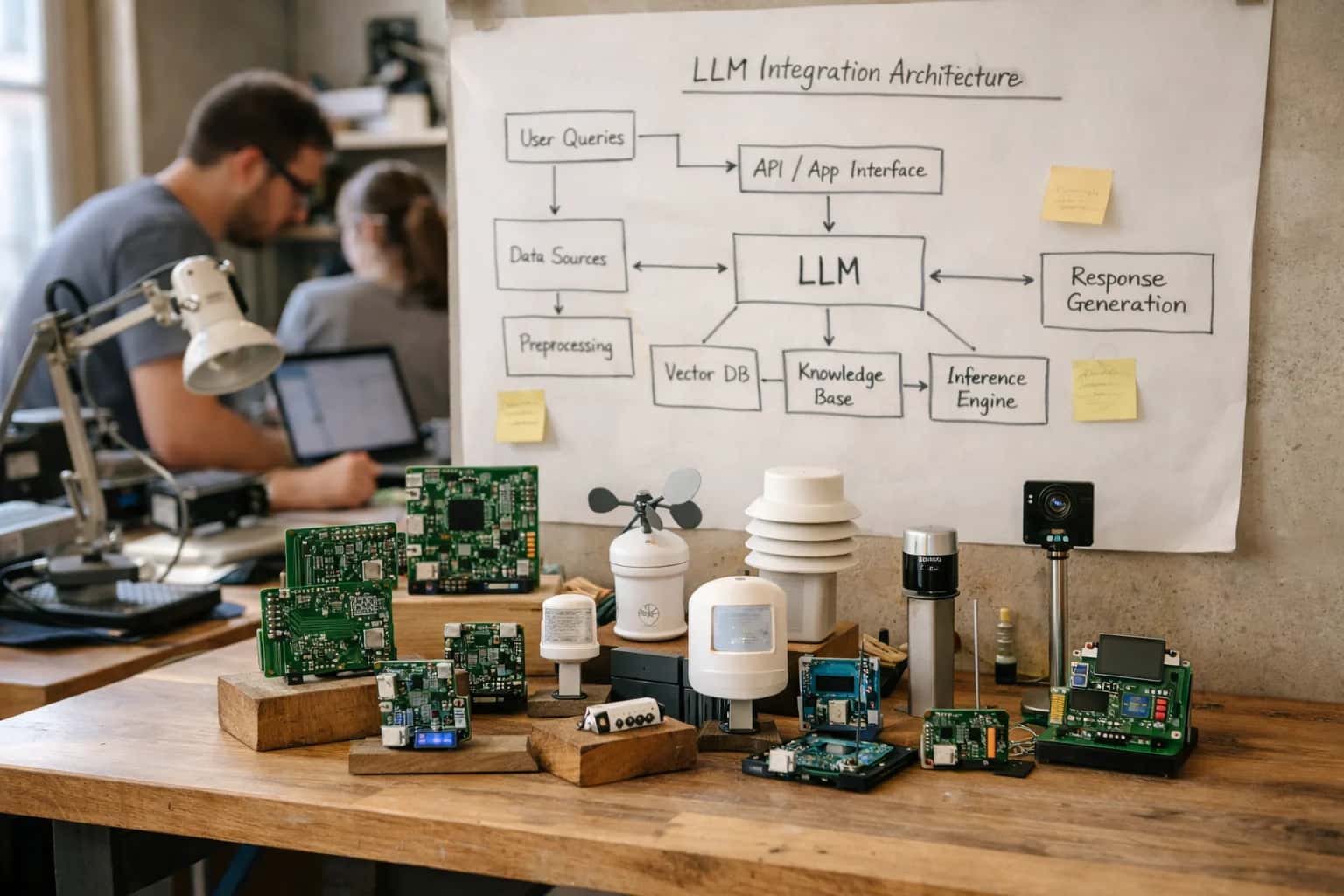
ARCHITECTURE & ROLLOUT
Where AI Fits into Covetrus Pulse Marketing
Integrating AI into Covetrus Pulse Marketing Automation transforms static campaigns into dynamic, personalized client journeys by connecting to core data and workflow surfaces.
A practical implementation involves setting up a secure middleware service that polls Pulse's API for new Client and Patient data, enriching it with AI-driven scores for preventive care likelihood or service package affinity. These scores become custom fields in Pulse, enabling dynamic list building. For content generation, the service intercepts campaign creation calls, using a RAG system grounded in the practice's approved medical content to draft personalized message variants. Key workflows include:
- Post-Visit Nurture: AI generates a visit summary and condition-specific care tips, triggering a 3-day email sequence in Pulse.
- Preventive Care Campaigns: AI segments patients overdue for services based on individualized risk, not just age, and drafts compelling reminder copy.
- Re-engagement Drives: AI analyzes client interaction decay to score churn risk and personalizes win-back offer messaging.
Rollout is typically phased, starting with read-only data analysis to build and validate segmentation models, followed by assisted content generation where marketers review and edit AI drafts within Pulse's campaign builder. The final phase enables closed-loop automation, where AI-driven segments and content are deployed automatically, with performance data fed back to refine models. Governance is critical: all client-facing content should route through a human-in-the-loop approval step in Pulse's workflow tools before sending, and AI actions must be logged to Pulse's audit trails for compliance. This approach ensures marketing remains personalized and scalable without sacrificing the trusted client-veterinarian relationship.
MARKETING AUTOMATION
Key Integration Surfaces in Covetrus Pulse
Dynamic Audience Building
AI integration transforms static client lists into dynamic, predictive segments. Instead of relying solely on basic filters like last_visit_date or species, models can analyze the full patient record to identify high-value cohorts.
Key Data Points for AI:
- Lifetime value and visit frequency
- Treatment history and chronic condition flags
- Response history to past email/SMS campaigns
- Pet age, breed, and preventive care gaps
Integration Pattern: An AI service polls the Covetrus Pulse API (e.g., /api/v1/patients and /api/v1/transactions) nightly, scores each client, and writes a segment_label (e.g., high_value_preventive_gap) back to a custom field. Marketing automations then trigger based on this field. This enables campaigns targeting "Senior Dogs Overdue for Dental" or "High-LTV Clients with Lapsed Heartworm Prevention."
COVETRUS PULSE
High-Value AI Marketing Use Cases
Integrate AI directly into Covetrus Pulse's marketing tools to move beyond batch-and-blast campaigns. These use cases focus on leveraging patient and practice data to automate segmentation, generate hyper-personalized content, and measure true campaign ROI, all within your existing workflow.
01
Dynamic Client Lifecycle Segmentation
Automatically segment client lists in Pulse based on pet life stage, health conditions, and engagement history. Move from static lists to dynamic cohorts that update in real-time, enabling targeted campaigns for new puppies, senior wellness, or chronic condition management without manual list building.
Batch -> Real-time
Segment updates
02
Personalized Email & SMS Content Generation
Generate condition-specific, clinic-branded email and SMS content for campaigns launched from Pulse. AI drafts personalized reminders, post-op care instructions, and wellness tips by pulling data from the patient's record (breed, age, last visit) and your clinic's voice, ready for staff review and send.
1 sprint
Campaign setup
03
Campaign Performance & ROI Forecasting
Measure the direct impact of marketing campaigns on Pulse revenue data. AI correlates campaign sends (e.g., dental month promotions) with appointment bookings and service revenue, providing forecasted ROI before launch and attributing actual revenue post-campaign, moving beyond open/click rates.
Same day
Insight generation
04
Intelligent Reactivation & Churn Prevention
Identify at-risk clients likely to lapse using Pulse visit history and engagement data. AI scores churn risk and triggers automated, personalized reactivation sequences via Pulse's communication tools, suggesting specific services (e.g., overdue vaccines) to bring clients back into active care.
05
Automated Review & Reputation Management
Integrate AI to monitor sentiment from client feedback and automate review generation workflows. After a visit, AI can draft a personalized review request based on the services rendered, and analyze incoming reviews to alert managers to service issues or highlight positive feedback for staff recognition.
06
Service-Specific Promotional Campaigns
Launch data-driven campaigns for underutilized services. AI analyzes Pulse service history and pet demographics to identify clients most likely to need and accept offers for services like senior bloodwork, dental cleanings, or nutritional consults, then generates targeted campaign content for those segments.
COVETRUS PULSE INTEGRATION PATTERNS
Example AI Marketing Workflows
These workflows demonstrate how AI agents can be integrated with Covetrus Pulse's marketing automation tools to segment audiences, generate personalized content, and optimize campaign performance. Each pattern connects to specific Pulse APIs and data objects.
Trigger: Scheduled batch job (e.g., nightly) or a new lab result/visit note entered in Pulse.
Context/Data Pulled:
- Patient records (species, breed, age, weight history)
- Visit history (last wellness exam date, services rendered)
- Diagnostic data (last heartworm test, fecal result)
- Client communication preferences (email/SMS opt-in status from Pulse)
Model or Agent Action: An AI agent evaluates each patient against a set of clinical guidelines and practice goals. It creates dynamic segments such as:
Due_For_Annual_ExamAt_Risk_For_Dental_Disease(based on breed, age, lack of recent dental)Overdue_For_Heartworm_Preventative(based on local seasonality and last test date)
System Update or Next Step: Segments are written back to Pulse as custom fields on the patient record or as static lists within the Pulse marketing module. A campaign is automatically triggered for each segment.
Human Review Point: The campaign templates and segment logic are reviewed and approved by the Practice Manager or Head Veterinarian during initial setup. The agent's segmentation rationale can be logged for audit.
CONNECTING AI TO PULSE MARKETING MODULES
Implementation Architecture & Data Flow
A practical blueprint for integrating generative AI and RAG into Covetrus Pulse's marketing automation workflows, focusing on secure data access, campaign orchestration, and measurable ROI.
The integration architecture connects to Covetrus Pulse's Marketing Module API and Client Data Model. A secure middleware layer, typically deployed as a cloud function or containerized service, acts as the orchestration hub. It handles three primary data flows: 1) Segment Enrichment – Pulling client and pet records (species, breed, age, last visit, purchased services) to build dynamic audiences. 2) Content Generation – Using retrieved context to prompt LLMs for personalized email/SMS drafts, subject lines, and educational snippets. 3) Campaign Feedback Loop – Sending campaign engagement data (opens, clicks) back to the AI layer for performance analysis and model tuning.
Implementation centers on event-driven workflows. For example, a 'Wellness Reminder' campaign is triggered by a patient's vaccine due date in the medical record. The system: queries Pulse for the pet's history, generates a personalized message draft, routes it for staff approval via a configured queue, and upon approval, pushes the final content and audience segment back to Pulse for sending. Key technical surfaces are the ClientCommunication and MarketingCampaign APIs, webhooks for automation triggers, and a vector store for RAG-powered retrieval of clinic-specific marketing guidelines and past high-performing content.
Rollout follows a phased governance model. Start with a single, high-ROI use case like re-engagement campaigns for lapsed patients. Implement strict human-in-the-loop approval for all AI-generated content before sending. Audit trails must log all AI interactions, prompts used, and data accessed for compliance. This controlled approach minimizes risk while demonstrating value, allowing practice managers to expand AI automation to other workflows like seasonal promotions or preventive care series based on proven results.
INTEGRATION PATTERNS
Code & Payload Examples
Dynamic List Segmentation
Use AI to analyze client and pet data from Pulse to create dynamic marketing segments. This pattern calls an AI service to score and categorize clients based on purchase history, pet life-stage, and engagement levels, then updates Pulse lists via its REST API.
Typical Workflow:
- Query Pulse for client records with recent transaction data.
- Send payload to an AI model for segmentation scoring (e.g., "high-value chronic care," "new puppy owner," "preventive care lapsed").
- Use the returned segment labels to add/remove clients from corresponding Pulse marketing lists.
python# Example: Call AI service to segment a batch of clients import requests # Payload to AI segmentation service segmentation_payload = { "clients": [ { "client_id": "C-1001", "last_visit_date": "2024-03-15", "total_spend_12mo": 1250.75, "pets": [{"species": "Canine", "age": 8, "conditions": ["arthritis"]}], "last_email_open": "2024-03-10" } # ... more clients ] } # Get AI-generated segments ai_response = requests.post(AI_SEGMENT_ENDPOINT, json=segmentation_payload).json() # Update Covetrus Pulse list membership for assignment in ai_response['segment_assignments']: pulse_payload = { "action": "add", "list_id": PULSE_LIST_IDS[assignment['segment']], "client_ids": [assignment['client_id']] } requests.post(PULSE_API_BASE + "/lists/update", json=pulse_payload)
AI-ENHANCED MARKETING OPERATIONS
Realistic Time Savings & Marketing Impact
This table shows the operational impact of integrating AI directly into Covetrus Pulse's marketing automation workflows, focusing on time savings and campaign effectiveness for veterinary practice marketing teams.
| Marketing Workflow | Before AI Integration | After AI Integration | Implementation Notes |
|---|---|---|---|
Client List Segmentation | Manual filtering by basic fields (last visit, species) | Dynamic scoring based on health data, spend, and engagement | AI models analyze clinical and transactional data from Pulse records |
Email Campaign Content Creation | Manual drafting of 2-3 template variations | AI generates 5-10 personalized drafts per campaign in minutes | Uoses practice brand voice and condition-specific educational content |
Campaign Send-Time Optimization | Fixed schedule (e.g., Tuesday 10 AM) | AI predicts optimal send time per client segment | Analyzes historical open rates from Pulse communication logs |
SMS/Text Message Personalization | Generic reminders (e.g., "Fido's due") | Personalized messages with pet name, service, and clinic staff mention | Pulls from patient record and staff assignment data in Pulse |
Campaign Performance Analysis | Weekly manual report compilation | Automated daily insights on opens, clicks, and conversion to appointments | AI correlates campaign engagement with Pulse scheduling module bookings |
Lead Scoring for New Client Promotions | Manual review of web form submissions | Automated scoring based on pet type, requested service, and location | AI prioritizes high-intent leads for immediate follow-up by staff |
A/B Testing & Iteration | Monthly review to adjust one variable (e.g., subject line) | Continuous multivariate testing with AI-driven recommendations | Tests content, imagery, and CTAs simultaneously; learns from Pulse data |
CONTROLLED IMPLEMENTATION FOR MARKETING TEAMS
Governance, Permissions & Phased Rollout
A practical approach to deploying AI in Covetrus Pulse Marketing Automation with clear controls, role-based access, and incremental value delivery.
Integrating AI into your Covetrus Pulse marketing workflows requires a governance model that aligns with your practice's existing roles and data policies. This typically involves creating a dedicated service account for the AI system with API access scoped to specific Pulse modules—primarily the Client/Patient module for segmentation data and the Marketing Campaigns module for content creation and send execution. Access should be restricted to read/write permissions only on the objects and fields necessary for segmentation logic and campaign updates, ensuring the AI cannot modify core clinical or financial records. All AI-generated content and audience lists should be tagged within Pulse for auditability, and a manual approval step can be enforced in the campaign workflow before any AI-drafted email or SMS is sent to clients.
A phased rollout mitigates risk and builds internal confidence. Phase 1 (Pilot) focuses on a single, high-value use case like "post-operative care email sequences" for a specific procedure. The AI is configured to draft personalized follow-up content based on the procedure code and patient details, but all sends require marketing manager approval within Pulse. Phase 2 (Expansion) automates segmentation for recurring campaigns, such as wellness reminders, where the AI analyzes patient history (age, breed, last visit) to build dynamic lists, but human review of the list logic is required. Phase 3 (Optimization) introduces AI-driven A/B testing for subject lines and send-time optimization, running experiments on a subset of the audience before applying learnings to broader campaigns.
This controlled approach ensures the marketing team retains oversight while incrementally gaining efficiency—shifting from drafting every email to reviewing and refining AI-generated drafts, and from manual list building to auditing AI-recommended segments. It transforms the marketing role from pure execution to strategic management and creative direction. For a detailed look at building the underlying data pipelines that feed these AI models, see our guide on AI-ready data integration for veterinary platforms.
Enabling Efficiency, Speed & Accuracy
Intelligent Analysis, Decision & Execution
We build AI systems for teams that need search across company data, workflow automation across tools, or AI features inside products and internal software.
Talk to Us
Search across company data
Give teams answers from docs, tickets, runbooks, and product data with sources and permissions.
Useful when people spend too long searching or get different answers from different systems.
Enterprise searchRAGPermissions
Read more
Automate internal workflows
Use AI to route work, draft outputs, trigger actions, and keep approvals and logs in place.
Useful when repetitive work moves across multiple tools and teams.
AI agentsWorkflow automationGovernance
Read more
Add AI to products and internal tools
Build assistants, guided actions, or decision support into the software your team or customers already use.
Useful when AI needs to be part of the product, not a separate tool.
AI integrationDecision supportModel routing
Read moreIMPLEMENTATION AND WORKFLOW DETAILS
Frequently Asked Questions
Common technical and operational questions about integrating AI agents and automation into Covetrus Pulse's marketing automation tools.
AI integration connects to Covetrus Pulse's API to access key objects for segmentation logic. The typical data flow is:
- Trigger: A scheduled job or a webhook from a client lifecycle event (e.g., new wellness plan purchase, missed appointment).
- Context Pulled: The AI agent queries the Pulse API for a filtered set of
ClientandPatientrecords, along with relatedAppointment,Transaction, andMedicalRecorddata. - AI Action: Using this data, a model analyzes patterns to score clients on dimensions like:
- Engagement Likelihood: Based on past email opens/SMS replies.
- Service Propensity: Predicting interest in dental cleanings based on breed, age, and last procedure date.
- Churn Risk: Using visit frequency and spending changes.
- System Update: The AI agent writes the calculated scores and segment tags back to custom fields on the
Clientrecord in Pulse via APIPATCH. - Next Step: Pulse's native segmentation engine or a dynamic list uses these new fields to automatically populate audiences for campaigns.
This keeps the logic AI-powered while leveraging Pulse's built-in tools for execution.

About the author
Prasad Kumkar
CEO & MD, Inference Systems
Prasad Kumkar is the CEO & MD of Inference Systems and writes about AI systems architecture, LLM infrastructure, model serving, evaluation, and production deployment. Over 5+ years, he has worked across computer vision models, L5 autonomous vehicle systems, and LLM research, with a focus on taking complex AI ideas into real-world engineering systems.
His work and writing cover AI systems, large language models, AI agents, multimodal systems, autonomous systems, inference optimization, RAG, evaluation, and production AI engineering.
LinkedIn
Limited slotsGet a Free AI Consultation
Partnered with leading AI, data, and software stack.





How We Work
Custom AI workflows for your Business
One-fit-all AI don't work for modern businesses. At Inferensys, we aim to understand your business & custom requirements; which we use to define most efficient agentic workflows, the data, and the tools for your business.
01
Review the use case
We understand the task, the users, and where AI can actually help.
Read more02
Pick the right approach
We define what needs search, automation, or product integration.
Read more03
Build the first useful version
We implement the part that proves the value first.
Read more04
Improve from there
We add the checks and visibility needed to keep it useful.
Read moreThe first call is a practical review of your use case and the right next step.
Talk to Us