AI integration for Orbcomm focuses on three primary functional layers: the IoT data ingestion pipeline, the asset and alert management console, and the reporting and compliance workflows. The integration connects to Orbcomm's APIs for device data (e.g., GET /devices/{id}/messages), asset metadata, and alerting rules. AI agents act on this stream to identify patterns invisible to static thresholds, such as subtle compressor performance degradation in a reefer unit or correlating door-open events with temperature spikes for cargo integrity analysis.

Integration
AI Integration for Orbcomm for Telematics
Embed predictive AI into Orbcomm's telematics data streams to automate cold chain monitoring, prevent refrigeration unit failures, and generate intelligent compliance reports, reducing manual oversight and cargo loss.
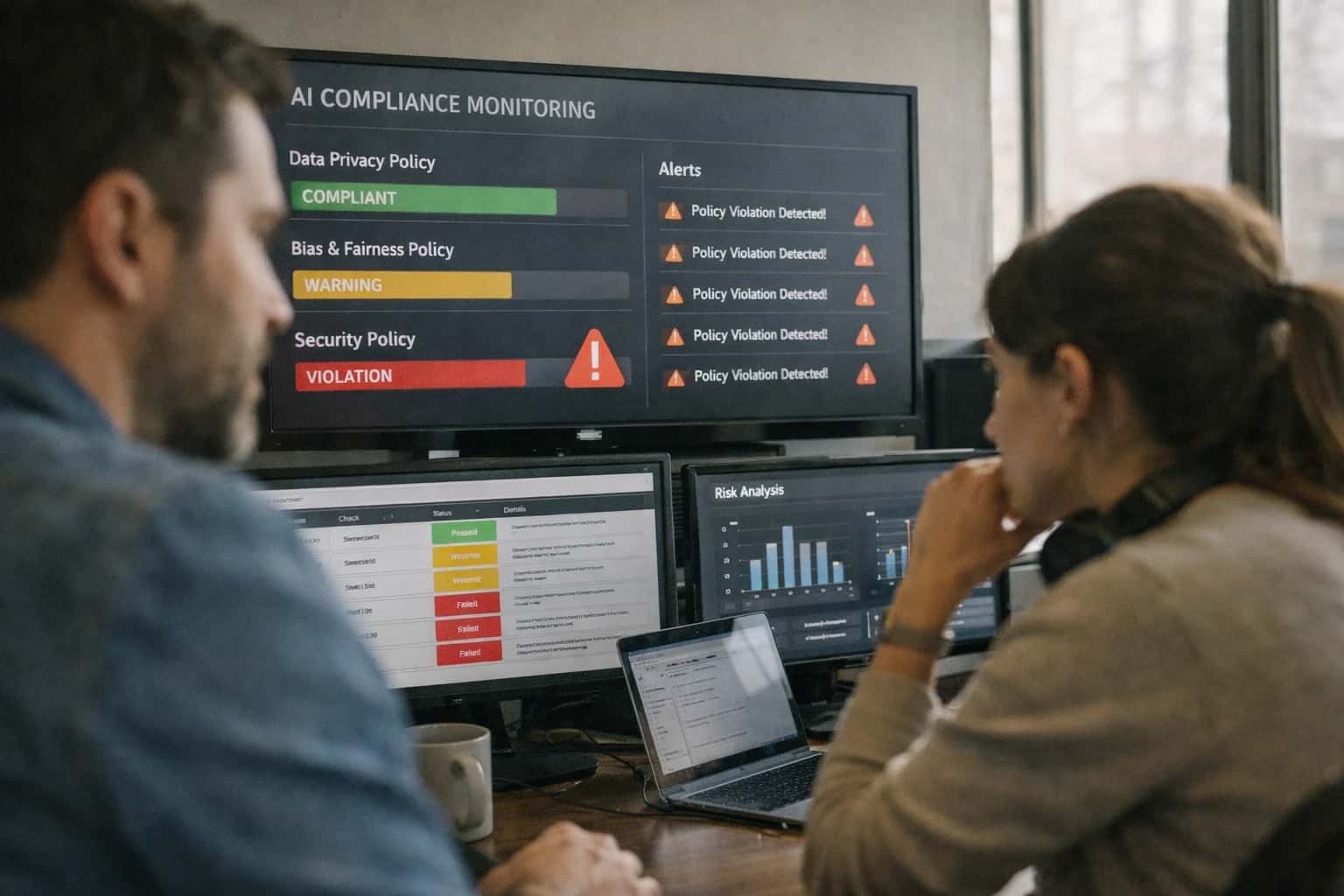
ARCHITECTURE AND IMPLEMENTATION
Where AI Fits into Orbcomm's Telematics Stack
A practical guide to embedding AI agents and predictive models into Orbcomm's asset tracking and cold chain monitoring platforms.
Implementation typically involves a sidecar service that subscribes to Orbcomm's data streams via webhook or API polling. This service runs lightweight models for real-time anomaly detection (e.g., predicting refrigeration unit failure 24-48 hours out) and orchestrates automated corrective actions. For example, an AI agent can adjust a temperature setpoint via Orbcomm's remote command API in response to a forecasted ambient temperature change, or automatically generate a work order in a connected CMMS like Fiix or UpKeep when a predictive maintenance alert is triggered. The impact is operational: moving from reactive "alarm fatigue" to prioritized, prescriptive alerts that reduce spoilage and unplanned downtime.
Rollout is phased, starting with a pilot asset group (e.g., a high-value pharmaceutical trailer fleet). Governance is critical: all AI-driven commands (like setpoint changes) should flow through an approval workflow or simulation mode initially, with a full audit trail logged back to Orbcomm's asset history. Performance is measured against baseline KPIs like mean time between failures (MTBF) and rate of temperature excursions. For a deeper dive on implementing predictive maintenance for mobile assets, see our guide on AI Integration for Enterprise Asset Management Platforms.
This architecture doesn't replace Orbcomm's core telematics; it augments it with a decision layer. The result is a system where dispatchers and fleet managers spend less time interpreting raw data and more time acting on AI-prioritized insights, turning telematics from a tracking tool into a predictive operations center. For related use cases in broader transportation workflows, explore AI Integration for Fleet Management Platforms.
WHERE TO CONNECT AI FOR TELEMATICS AND COLD CHAIN INTELLIGENCE
Key Orbcomm Modules and Data Surfaces for AI
Core Telematics Feeds for AI Models
Orbcomm's platform ingests raw, high-frequency data from connected assets—refrigeration units, trailers, containers, and powered assets. This is the primary fuel for predictive AI.
Key data surfaces include:
- Engine & Refrigeration Unit Metrics: Runtime hours, fuel levels, coolant temperatures, compressor cycles, and setpoint histories.
- Cargo Condition Data: Real-time temperature, humidity, and door sensor status (open/closed) for cold chain compliance.
- GPS & Movement Data: Location, speed, heading, and ignition status for geofence-based workflow triggers.
- Fault Code & Diagnostic Streams: Standardized J1939 CAN bus data and OEM-specific diagnostic trouble codes (DTCs).
AI integration here involves subscribing to these MQTT or REST API streams, normalizing the data, and applying models for anomaly detection (e.g., predicting a reefer compressor failure from vibration patterns) or optimization (e.g., adjusting setpoints based on external weather forecasts).
COLD CHAIN & ASSET INTELLIGENCE
High-Value AI Use Cases for Orbcomm Telematics
Embed AI directly into Orbcomm's asset tracking and telematics data streams to move from reactive monitoring to predictive operations, reducing spoilage, downtime, and manual oversight for cold chain and high-value asset fleets.
01
Predictive Refrigeration Unit (Reefer) Failure
Analyze engine hours, compressor cycles, fuel consumption, and temperature variance from Orbcomm's reefer telematics to predict mechanical failures 7-14 days in advance. Automatically generate maintenance work orders in your CMMS and alert designated technicians, preventing in-transit cargo loss.
Reactive -> Predictive
Maintenance mode
02
Automated Temperature Setpoint Optimization
Use AI to dynamically adjust reefer setpoints based on external weather forecasts, shipment progress, and product-specific profiles. Maintains product integrity while reducing fuel consumption by avoiding unnecessary cooling cycles, directly impacting operating costs.
3-8% Fuel Savings
Typical range
03
Cargo Condition Anomaly Detection
Continuously monitor temperature, humidity, and shock/vibration sensor data from Orbcomm devices. AI models identify subtle patterns indicative of spoilage risk or handling damage that threshold-based alerts miss. Automatically flags high-risk shipments for priority inspection upon arrival.
Hours -> Minutes
Risk identification
04
Intelligent Defrost Cycle Scheduling
Optimize defrost cycle timing and duration based on real-time humidity levels, door-open events, and route ETA. AI schedules cycles during periods of low thermal load or planned stops, minimizing temperature spikes and ensuring product stays within compliance bands throughout the journey.
05
Automated Compliance Reporting & Audit Trail
Transform raw Orbcomm sensor logs into audit-ready compliance reports for FDA, EU GDP, or customer-specific requirements. AI extracts and summarizes temperature excursions, validates against rules, and generates narrative explanations, reducing manual report preparation from days to hours.
Days -> Hours
Report generation
06
Predictive Asset Utilization & Redeployment
Analyze location, idle time, and duty cycle data across trailers, containers, and gensets. AI predicts future availability and optimal repositioning to meet upcoming demand, reducing empty miles and improving fleet ROI. Integrates recommendations directly into dispatch or TMS workflows.
COLD CHAIN AND ASSET INTELLIGENCE
Example AI-Powered Workflows for Orbcomm
These workflows demonstrate how AI agents and models can be embedded into Orbcomm's telematics and asset tracking platforms to automate monitoring, predict failures, and optimize operations for cold chain and high-value assets.
Trigger: Continuous analysis of reefer engine telemetry (runtime hours, compressor cycles, fuel consumption, coolant temperature) and sensor data (vibration, voltage fluctuations) from Orbcomm devices.
Workflow:
- An AI agent ingests streaming telematics data via Orbcomm's APIs or a dedicated data feed.
- A pre-trained anomaly detection model compares current operating patterns against historical baselines and known failure signatures.
- When a high-probability failure pattern is detected (e.g., compressor strain indicative of impending failure in 48-72 hours), the agent triggers an alert.
- The system automatically creates a work order in the connected CMMS (like Fiix or UpKeep) with the predicted failure details, recommended parts, and the asset's current location.
- A notification is sent via Orbcomm's platform or integrated comms (e.g., SMS, email) to the designated maintenance manager and the nearest qualified technician, prioritizing the alert based on asset value and cargo criticality.
Human Review Point: The maintenance manager reviews the AI's confidence score and recommended action before dispatching, especially for high-cost repairs.
FROM TELEMATICS DATA TO PREDICTIVE ACTIONS
Implementation Architecture: Data Flow and AI Layer
A practical architecture for embedding AI into Orbcomm's asset tracking platforms to automate cold chain monitoring and predictive maintenance.
The integration architecture connects Orbcomm's telematics data streams—including GPS location, engine diagnostics, reefer unit status (temperature, fuel, runtime), and cargo sensor readings—to a dedicated AI orchestration layer. This layer ingests real-time and historical data via Orbcomm's APIs (like orbcomm.com/api/v2/assets/{id}/messages) or webhooks, normalizes it, and enriches it with external context such as weather forecasts, traffic data, and maintenance schedules. The core AI models then process this unified data feed to detect patterns and trigger automated workflows back into Orbcomm's command and control interfaces or adjacent Transportation Management Systems (TMS).
High-value workflows are built on this pipeline. For predictive refrigeration unit failure, the AI analyzes trends in compressor cycles, voltage fluctuations, and fuel consumption against manufacturer failure models, flagging assets for preemptive maintenance days before a breakdown. For automated temperature setpoint adjustments, the system correlates external ambient temperature forecasts with cargo type specifications (e.g., pharmaceuticals, frozen foods) and sends adjusted setpoint commands via Orbcomm's SetPoint API to optimize energy use and maintain compliance. Cargo condition monitoring uses sensor data (humidity, door events, shock) to detect anomalies, automatically generating alerts and initiating documentation workflows for quality assurance teams.
Rollout is phased, starting with a read-only analytics dashboard to establish model accuracy and trust, followed by supervised automated actions (e.g., recommendations requiring dispatcher approval), and finally moving to fully autonomous control for low-risk adjustments. Governance is critical: all AI-generated commands are logged with a full audit trail in Orbcomm's activity logs, and human-in-the-loop approval gates are maintained for high-stakes actions like major setpoint changes. This architecture ensures the AI acts as a co-pilot to existing Orbcomm workflows, enhancing operational intelligence without disrupting proven telematics operations.
AI INTEGRATION PATTERNS
Code and Payload Examples
Predictive Refrigeration Unit Failure
Integrate AI models with Orbcomm's telematics data to predict mechanical failures before they cause cargo loss. This workflow involves ingesting real-time sensor streams, applying anomaly detection, and triggering maintenance workflows.
Key Data Points:
- Compressor run hours and cycles
- Setpoint vs. actual temperature differentials
- Engine on/off events and battery voltage
- Historical fault code frequency
Example Python API Call to Inference Systems:
pythonimport requests # Sample payload from Orbcomm API webhook telematics_payload = { "asset_id": "TRK-78910", "timestamp": "2024-05-15T14:30:00Z", "sensor_readings": { "compressor_runtime_hours": 2450.5, "temp_differential_c": 8.2, "battery_voltage": 23.1, "last_fault_code": "E-012", "engine_status": "ON" } } # Send to Inference AI service for prediction response = requests.post( "https://api.inferencesystems.com/v1/predictive-maintenance", json=telematics_payload, headers={"Authorization": "Bearer YOUR_API_KEY"} ) # Response includes risk score and recommended action prediction = response.json() # {"risk_score": 0.87, "predicted_failure_window": "48-72h", "recommended_action": "SCHEDULE_PM"}
High-risk predictions can automatically create work orders in your CMMS or alert dispatch teams via Orbcomm's notification channels.
AI FOR COLD CHAIN ASSET MANAGEMENT
Realistic Time Savings and Operational Impact
How embedding AI into Orbcomm's telematics platform transforms reactive monitoring into predictive asset management for refrigerated transportation.
| Metric | Before AI | After AI | Notes |
|---|---|---|---|
Refrigeration unit failure detection | Reactive alarm after failure | Predictive alert 24-72 hours prior | Based on compressor cycles, voltage anomalies, and runtime data |
Temperature excursion investigation | Manual log review (30-60 min) | Automated root-cause summary (<2 min) | AI correlates sensor data, door events, and location history |
Pre-trip inspection reporting | Paper checklist or manual app entry | AI-assisted digital checklist with anomaly flagging | Automatically flags pre-existing faults from prior trip data |
Setpoint adjustment compliance | Periodic manual audit | Continuous policy enforcement & drift alerts | AI validates setpoints against cargo type and enforces SOPs |
Cargo condition documentation | Manual photo upload and note-taking | Automated condition report generation | AI synthesizes sensor logs, geofence events, and images for proof of condition |
Maintenance dispatch workflow | Scheduled or breakdown-based | Predictive work order with parts pre-staging | Integrates with CMMS to schedule service during planned downtime |
Regulatory compliance reporting | Monthly manual compilation | Automated report drafts for FDA, EU GDP | AI extracts and formats required data from trip logs and sensor histories |
PRODUCTION-READY AI FOR TELEMATICS
Governance, Security, and Phased Rollout
Integrating AI into Orbcomm's asset tracking platforms requires a secure, governed approach that prioritizes data integrity and operational stability.
A production architecture for Orbcomm typically involves a secure, event-driven integration layer. AI models consume real-time and historical data streams from Orbcomm's Asset Tracking and Refrigeration Monitoring APIs—including GPS location, engine hours, fuel levels, temperature, humidity, and door sensor states. This data is processed in a dedicated AI environment, where models for predictive failure and setpoint optimization run. Insights and automated commands (like adjusted temperature setpoints) are sent back to Orbcomm's platform via its Command & Control API, with a full audit trail linking every AI-generated action to the source telematics data and model inference.
Security is paramount. The integration enforces strict RBAC (Role-Based Access Control) to ensure only authorized users (e.g., fleet managers, cold chain supervisors) can approve or override AI recommendations. All data in transit and at rest is encrypted. The AI system operates with a zero-trust principle towards Orbcomm's core platform, using API keys with scoped permissions and never storing raw PII or sensitive cargo information beyond the session needed for inference. This keeps the telematics data secure within Orbcomm's environment while allowing the AI to deliver actionable intelligence.
A phased rollout mitigates risk and builds trust. Phase 1 might deploy AI for cargo condition monitoring alerts only, providing human-in-the-loop notifications for temperature excursions or shock events. Phase 2 introduces predictive refrigeration unit failure models on a subset of high-value assets, allowing maintenance teams to validate predictions against actual failures. Phase 3 cautiously enables automated temperature setpoint adjustments for non-critical shipments during specific, low-risk legs, with mandatory pre- and post-trip reports. This crawl-walk-run approach, coupled with continuous model performance monitoring for drift, ensures the AI integration enhances—rather than disrupts—critical cold chain and asset operations.
Enabling Efficiency, Speed & Accuracy
Intelligent Analysis, Decision & Execution
We build AI systems for teams that need search across company data, workflow automation across tools, or AI features inside products and internal software.
Talk to Us
Search across company data
Give teams answers from docs, tickets, runbooks, and product data with sources and permissions.
Useful when people spend too long searching or get different answers from different systems.
Enterprise searchRAGPermissions
Read more
Automate internal workflows
Use AI to route work, draft outputs, trigger actions, and keep approvals and logs in place.
Useful when repetitive work moves across multiple tools and teams.
AI agentsWorkflow automationGovernance
Read more
Add AI to products and internal tools
Build assistants, guided actions, or decision support into the software your team or customers already use.
Useful when AI needs to be part of the product, not a separate tool.
AI integrationDecision supportModel routing
Read moreAI INTEGRATION FOR ORBCOMM
Frequently Asked Questions (FAQ)
Common questions about embedding AI agents and predictive models into Orbcomm's telematics and asset tracking platforms to automate cold chain monitoring, predictive maintenance, and operational workflows.
AI integration connects to Orbcomm's platform at multiple layers to process real-time and historical data:
-
Data Ingestion: Models consume data via:
- Orbcomm Platform APIs: Pulling asset status, location, and sensor readings (e.g., temperature, fuel level, door status).
- Webhook Subscriptions: Receiving real-time alerts for predefined events (e.g., geofence breach, temperature excursion).
- Historical Data Exports: For training predictive models on failure patterns and usage trends.
-
Processing & Inference: An AI orchestration layer runs models that:
- Analyze time-series sensor data for anomalies.
- Predict equipment failure (e.g., refrigeration unit compressor) days in advance.
- Recommend optimal temperature setpoints based on cargo type and ambient conditions.
-
Action & Feedback: Results are pushed back via:
- Orbcomm Commands API: Sending remote commands (e.g., adjust thermostat, run diagnostic).
- Platform Alert Enhancement: Enriching standard Orbcomm alerts with root-cause analysis and recommended actions.
- External System Webhooks: Triggering workflows in adjacent TMS, ERP, or CMMS platforms.
This architecture operates alongside Orbcomm, enhancing its native capabilities without replacing core telematics functions.

About the author
Prasad Kumkar
CEO & MD, Inference Systems
Prasad Kumkar is the CEO & MD of Inference Systems and writes about AI systems architecture, LLM infrastructure, model serving, evaluation, and production deployment. Over 5+ years, he has worked across computer vision models, L5 autonomous vehicle systems, and LLM research, with a focus on taking complex AI ideas into real-world engineering systems.
His work and writing cover AI systems, large language models, AI agents, multimodal systems, autonomous systems, inference optimization, RAG, evaluation, and production AI engineering.
LinkedIn
Limited slotsGet a Free AI Consultation
Partnered with leading AI, data, and software stack.





How We Work
Custom AI workflows for your Business
One-fit-all AI don't work for modern businesses. At Inferensys, we aim to understand your business & custom requirements; which we use to define most efficient agentic workflows, the data, and the tools for your business.
01
Review the use case
We understand the task, the users, and where AI can actually help.
Read more02
Pick the right approach
We define what needs search, automation, or product integration.
Read more03
Build the first useful version
We implement the part that proves the value first.
Read more04
Improve from there
We add the checks and visibility needed to keep it useful.
Read moreThe first call is a practical review of your use case and the right next step.
Talk to Us