AI integration for Kaleris focuses on three core operational surfaces: the gate management system, the dock door scheduling module, and the yard move execution workflows. The goal is to inject predictive intelligence into these areas to reduce trailer dwell times, optimize asset turns, and automate manual coordination. This is achieved by connecting AI models to Kaleris's APIs and event streams—such as check-in/check-out events, appointment creation, and yard move statuses—to analyze patterns and recommend or execute actions.

Integration
AI Integration for Kaleris Yard Management
A practical guide for integrating AI into Kaleris (formerly BluJay) yard management solutions to predict trailer dwell, automate yard moves, and optimize dock-to-staging flows for yard managers and logistics operations.
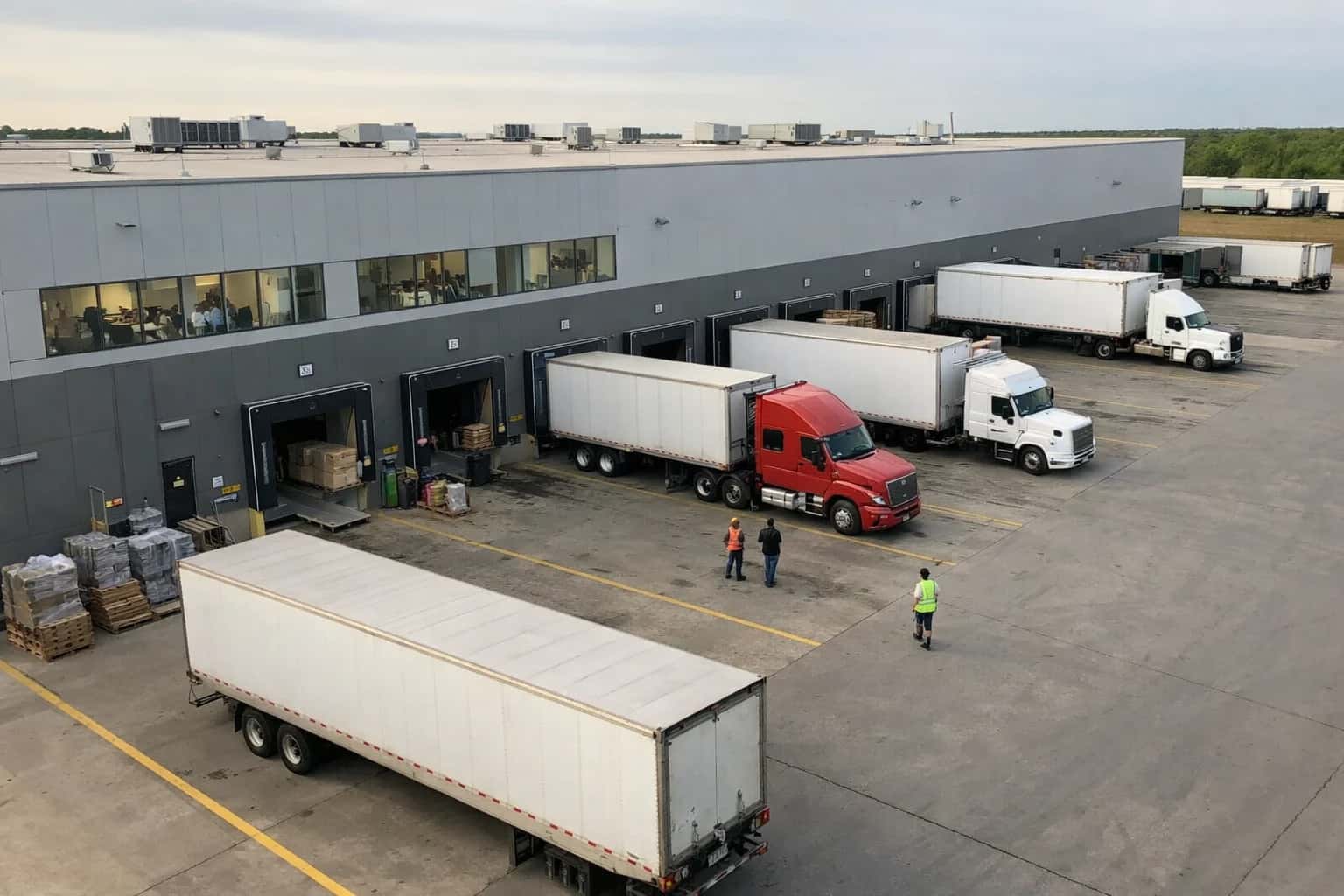
ARCHITECTURE & ROLLOUT
Where AI Fits into Kaleris Yard Operations
Integrating AI into Kaleris yard management transforms static gate logs and appointment schedules into a predictive, self-optimizing yard.
A practical implementation wires a central AI orchestration layer to listen for Kaleris events via webhooks. For example, when a trailer checks in, the system can instantly predict its likely dwell time based on its carrier, commodity, and current dock congestion. This prediction can then trigger automated workflows: a high-priority load might get a recommended dock door assignment sent back to Kaleris, while a trailer predicted for long dwell could trigger an alert to the yard manager for proactive staging. The AI layer acts as a co-pilot, suggesting optimized move sequences to yard jockeys via mobile dispatch, considering real-time factors like equipment location and priority rules.
Rollout is typically phased, starting with predictive analytics and alerts before moving to closed-loop automation. Governance is critical; all AI-generated recommendations (e.g., a dock reassignment) should be logged in Kaleris's audit trail and can be configured to require human approval for a defined period. This approach allows yard teams to build trust in the system while immediately benefiting from reduced manual look-ups and more informed decision-making, turning reactive firefighting into proactive yard flow management.
AI WORKFLOW AUTOMATION
Key Integration Surfaces in Kaleris Yard Management
Automating Dock Flow with Predictive Intelligence
Integrate AI directly into Kaleris's appointment scheduling and dock door management modules to transform static schedules into dynamic, predictive workflows. AI models analyze historical patterns, real-time carrier ETAs from telematics feeds, and inbound trailer contents to predict dwell times and optimize door assignments.
Key Integration Points:
- Appointment Booking API: Ingest and enrich booking requests with AI-predicted processing times.
- Door Assignment Engine: Provide real-time recommendations to override or confirm manual assignments based on live yard conditions and priority rules.
- Carrier Communications: Trigger automated, personalized check-in instructions and delay notifications via Kaleris's notification framework when AI predicts a schedule slip.
This moves yard managers from reactive firefighting to proactive flow control, reducing carrier wait times and maximizing door throughput.
KALERIS YARD MANAGEMENT
High-Value AI Use Cases for Yard Management
Integrate AI directly into Kaleris yard workflows to predict dwell times, automate move recommendations, and optimize dock-to-staging flows. These are practical, production-ready patterns for yard managers and operations leaders.
01
Predictive Trailer Dwell Time Forecasting
Analyze historical yard data, appointment schedules, and inbound/outbound workflows to predict dwell times for each trailer. Triggers automated alerts for trailers at risk of exceeding thresholds, enabling proactive resource allocation and communication with carriers.
Batch -> Real-time
Alerting cadence
02
Intelligent Dock Door-to-Staging Assignment
AI recommends optimal staging areas for inbound trailers based on SKU profiles, outbound load plans, and real-time dock availability. Integrates with Kaleris check-in to direct drivers, reducing touch time and cross-yard moves.
Hours -> Minutes
Planning cycle
03
Automated Yard Move Recommendations
Continuously analyzes yard map, trailer priorities, and equipment status to generate a prioritized list of next moves for yard jockeys. Pushes recommendations to mobile devices, turning reactive shuffling into a coordinated, efficient workflow.
04
Carrier Check-In/Out Automation
Deploy a voice or chat agent at the gate to handle driver interactions. Automates data entry (trailer number, PO, carrier) into Kaleris, provides gate instructions, and prints necessary paperwork, freeing gatehouse staff for exceptions.
Same day
Driver processing
05
Exception Triage & Root-Cause Analysis
Monitor Kaleris events (missed appointments, detention triggers) and external feeds (weather, carrier ETA). AI triages and summarizes the issue, suggests standard resolution paths, and logs root causes for operational reporting.
06
Yard Capacity & Utilization Forecasting
Models future yard congestion by ingesting planned receipts, shipments, and historical patterns. Provides daily/weekly heatmaps to yard managers, enabling preemptive measures like overflow planning or schedule adjustments with planners.
CONCRETE IMPLEMENTATION PATTERNS
Example AI-Augmented Yard Workflows
These workflows illustrate how AI agents and models connect to Kaleris yard data and automation surfaces to reduce dwell times, optimize moves, and automate communications. Each pattern is designed to be implemented via secure APIs, webhooks, and orchestration layers.
Trigger: A trailer's check-in event is recorded in Kaleris via gate system integration or manual entry.
Context Pulled: The AI agent retrieves:
- Trailer attributes (type, carrier, appointment status)
- Historical dwell data for same carrier, lane, and product type
- Current yard congestion metrics (door utilization, staging area capacity)
- Upcoming outbound schedule for the associated dock door
Agent Action: A fine-tuned model predicts the likelihood of the trailer exceeding its planned dwell window (e.g., >24 hours). The model outputs a risk score and primary contributing factors (e.g., "no outbound appointment scheduled," "carrier has high historical detention").
System Update: For high-risk trailers, the agent:
- Creates a high-priority task in the Kaleris task management module for the yard manager.
- Optionally triggers an automated email or SMS to the carrier dispatcher via Kaleris' communication gateway, suggesting they confirm pickup plans.
- Logs the prediction and alert in a dedicated audit table for model performance tracking.
Human Review Point: The yard manager reviews the AI-generated task list each shift, using the risk score to prioritize physical checks or carrier calls.
FROM DATA TO DOCK DOOR DECISIONS
Typical Implementation Architecture
A production-ready AI integration for Kaleris yard management connects real-time data streams to decision engines, automating workflows for yard managers and gate clerks.
The core architecture establishes a real-time data pipeline from Kaleris (BluJay) yard management systems, ingesting events for trailer check-ins/outs, gate transactions, dock door assignments, and yard moves via APIs or webhooks. This operational data is enriched with external feeds—such as appointment schedules from a TMS, driver ETA from a visibility platform like project44, and local weather forecasts—to create a unified context layer. A vector-enabled data store (e.g., Pinecone, Weaviate) is often deployed to hold historical patterns of dwell times, driver wait times, and seasonal congestion, enabling semantic search for similar past situations to inform predictions.
At the workflow layer, specialized AI agents are orchestrated to handle discrete yard functions:
- A Dwell Prediction Agent analyzes incoming trailer attributes (carrier, commodity, destination) against historical patterns and current yard congestion to forecast likely dwell time, flagging high-risk assets for proactive intervention.
- A Yard Move Recommender Agent processes real-time yard map status, upcoming appointments, and asset priorities to suggest optimal trailer shuffles or staging area assignments, outputting instructions to the Kaleris mobile interface or directly to yard jockey tablets.
- A Gate & Dock Orchestration Agent uses predicted driver arrivals and dock door readiness to dynamically sequence gate processing and recommend dock door reassignments, aiming to minimize truck queues and maximize door utilization.
Decisions and recommendations are surfaced through augmented Kaleris interfaces—embedded within existing yard manager dashboards or as push notifications—and can trigger automated workflows within the Kaleris platform, such as creating a yard move task or sending a detention alert. A human-in-the-loop approval layer is configured for high-stakes moves or exceptions, with audit trails logged back to Kaleris. The entire system is governed by prompt management and evaluation frameworks (e.g., using LangChain or Arize AI) to ensure recommendation quality and allow yard supervisors to fine-tune AI behavior based on site-specific rules, connecting to broader AI governance practices for transportation platforms.
AI INTEGRATION PATTERNS
Code and Payload Examples
Predicting Dwell with Yard Events
Predicting trailer dwell times requires correlating yard check-in/check-out events, dock door schedules, and carrier appointment data. An AI service can consume this event stream to forecast when a trailer will be ready for pull, enabling proactive yard moves.
A typical implementation involves subscribing to Kaleris webhooks for gate events and appointment changes, then enriching this data with external factors like carrier history or weather. The model outputs a predicted dwell bucket (e.g., <4 hours, 4-12 hours, >12 hours) which can be pushed back into the Yard Management System (YMS) to tag trailers and trigger alerts for yard managers.
python# Example: Call an AI service with yard event data import requests payload = { "trailer_id": "TRL-78910", "carrier_code": "CARRIER-X", "gate_in_time": "2024-05-15T08:30:00Z", "appointment_time": "2024-05-15T14:00:00Z", "door_assigned": "DOCK-12", "historical_dwell_avg_hours": 18.5, "current_yard_congestion": "high" } # Send to Inference Systems prediction endpoint response = requests.post( "https://api.inferencesystems.com/v1/yard/dwell-predict", json=payload, headers={"Authorization": "Bearer YOUR_API_KEY"} ) prediction = response.json() # Returns: {"predicted_dwell_hours": 22.3, "confidence": 0.87, "risk_bucket": "extended"}
This prediction can automate yard move recommendations or flag trailers for manual review.
YARD OPERATIONS
Realistic Operational Impact and Time Savings
How AI integration reduces manual effort and improves decision speed in Kaleris yard management workflows.
| Workflow / Metric | Before AI | After AI | Key Notes |
|---|---|---|---|
Trailer Dwell Time Prediction | Reactive review of historical reports | Proactive alerts for at-risk trailers | Predicts dwell 24-48 hours out, enabling preemptive moves |
Yard Move Recommendation | Manual planning by yard manager based on experience | AI-suggested move sequences with priority ranking | Considers dock schedules, driver ETAs, and equipment availability |
Dock Door-to-Staging Assignment | Static assignments or last-minute radio calls | Dynamic, real-time assignment based on live yard status | Integrates with WMS outbound waves to reduce staging congestion |
Gate Check-In/Out Processing | Driver paperwork and manual data entry | Automated OCR & data extraction from BOL/PRO numbers | Reduces gate queue time; data auto-populates in Kaleris |
Exception Triage (No Show, Wrong Door) | Manual investigation and phone calls to dispatch | Automated root-cause suggestion & stakeholder notification | Suggests corrective actions (e.g., reassign door, alert carrier) |
Daily Yard Check & Inventory Reconciliation | Physical drive-around and clipboard tally | AI-powered visual analysis via yard cameras + system data cross-check | Flags discrepancies between system location and camera feed |
Weekly Yard Performance Reporting | Manual data pulls and spreadsheet analysis | Automated report generation with insights on turn times, utilization | Highlights top improvement opportunities for yard managers |
ARCHITECTING FOR PRODUCTION
Governance, Security, and Phased Rollout
A pragmatic approach to deploying AI in Kaleris yard operations, balancing automation with control.
Integrating AI into Kaleris yard management requires a secure, governed architecture that respects operational authority. We typically design a middleware layer that sits between Kaleris APIs (for yard check-in/check-out, dock door status, trailer moves) and the AI models. This layer handles authentication, data anonymization for training, prompt templating for consistent reasoning, and logging all AI-generated recommendations—such as a predicted dwell time or a suggested yard move—before they are presented in the user interface or queued for automated execution. Critical actions, like automatically updating a trailer's YardStatus or assigning a dock door, should be gated behind configurable approval workflows or supervisor dashboards within the Kaleris environment.
A phased rollout is essential for building trust and measuring real impact. We recommend starting with a prediction-only phase, where AI surfaces insights—like "Trailer 1234 has an 85% probability of exceeding 48-hour dwell"—as non-blocking alerts in the yard manager's console or via integrated dashboards. This allows teams to validate accuracy without disrupting workflows. The next phase introduces recommended actions, such as suggesting an optimal staging area for a newly arrived trailer based on its contents and outbound appointment. These appear as one-click approvals in the Kaleris UI. The final phase, after extensive validation, enables conditional automation for high-confidence, low-risk tasks—like auto-checking in a pre-approved carrier or triggering a work order for a refrigeration unit showing predictive failure signs—always with a full audit trail.
Governance focuses on continuous model monitoring and human-in-the-loop safeguards. We instrument the integration to track key metrics: recommendation acceptance rates, dwell time prediction error, and manual overrides. This data feeds back to retrain and improve the models. Security is enforced through role-based access within Kaleris, ensuring only authorized personnel (e.g., Yard Supervisors) can modify automation rules or access raw AI logs. All data exchanges are encrypted, and PII is stripped at the middleware layer before any external AI processing. This structured approach ensures the AI augments the yard team's expertise, leading to measurable gains in trailer throughput and dock utilization, without introducing unmanaged risk into critical yard operations.
Enabling Efficiency, Speed & Accuracy
Intelligent Analysis, Decision & Execution
We build AI systems for teams that need search across company data, workflow automation across tools, or AI features inside products and internal software.
Talk to Us
Search across company data
Give teams answers from docs, tickets, runbooks, and product data with sources and permissions.
Useful when people spend too long searching or get different answers from different systems.
Enterprise searchRAGPermissions
Read more
Automate internal workflows
Use AI to route work, draft outputs, trigger actions, and keep approvals and logs in place.
Useful when repetitive work moves across multiple tools and teams.
AI agentsWorkflow automationGovernance
Read more
Add AI to products and internal tools
Build assistants, guided actions, or decision support into the software your team or customers already use.
Useful when AI needs to be part of the product, not a separate tool.
AI integrationDecision supportModel routing
Read moreIMPLEMENTATION AND WORKFLOW DETAILS
Frequently Asked Questions
Common technical and operational questions about integrating AI agents and automation into Kaleris yard management workflows.
This workflow uses historical and real-time data from Kaleris to forecast when a trailer will be unloaded and ready for release.
Trigger: A trailer check-in event is logged in Kaleris.
Context/Data Pulled: The AI agent ingests:
- Trailer attributes (type, size, carrier)
- Appointment details and dock door assignment
- Associated purchase order/SKU data for expected unload complexity
- Historical dwell times for similar loads, carriers, and receiving teams
- Real-time yard status (congestion at assigned door, available yard jockeys)
- External factors like weather from a connected API
Model/Action: A time-series forecasting model analyzes this context to predict a probabilistic dwell time range (e.g., "4-6 hours").
System Update: The predicted dwell time and confidence score are written back to the trailer record in Kaleris via API.
Next Step: The prediction triggers downstream workflows:
- For Yard Ops: Alerts if a trailer is approaching its predicted dwell limit.
- For Dispatch: Informs carrier ETA for the empty equipment return.
- For Planning: Feeds into daily labor forecasting models.

About the author
Prasad Kumkar
CEO & MD, Inference Systems
Prasad Kumkar is the CEO & MD of Inference Systems and writes about AI systems architecture, LLM infrastructure, model serving, evaluation, and production deployment. Over 5+ years, he has worked across computer vision models, L5 autonomous vehicle systems, and LLM research, with a focus on taking complex AI ideas into real-world engineering systems.
His work and writing cover AI systems, large language models, AI agents, multimodal systems, autonomous systems, inference optimization, RAG, evaluation, and production AI engineering.
LinkedIn
Limited slotsGet a Free AI Consultation
Partnered with leading AI, data, and software stack.





How We Work
Custom AI workflows for your Business
One-fit-all AI don't work for modern businesses. At Inferensys, we aim to understand your business & custom requirements; which we use to define most efficient agentic workflows, the data, and the tools for your business.
01
Review the use case
We understand the task, the users, and where AI can actually help.
Read more02
Pick the right approach
We define what needs search, automation, or product integration.
Read more03
Build the first useful version
We implement the part that proves the value first.
Read more04
Improve from there
We add the checks and visibility needed to keep it useful.
Read moreThe first call is a practical review of your use case and the right next step.
Talk to Us