AI integration for Bokun supplier management connects at three key surfaces: the Supplier API, Activity Management module, and Document Storage. The primary data objects are supplier records, activity listings, and attached contracts or certification files. An AI agent can be triggered via webhook on supplier creation or document upload to initiate automated workflows, such as extracting key terms from a PDF contract, validating insurance expiry dates, and populating custom fields in the supplier profile. This transforms a manual data-entry process into a same-day onboarding sequence.

Integration
AI Integration for Bokun Supplier Management
Automate supplier onboarding, contract review, performance scoring, and compliance tracking in Bokun using AI agents and document intelligence. Reduce manual review from days to hours.
ARCHITECTURE & ROLLOUT
Where AI Fits into Bokun Supplier Management
A technical blueprint for embedding AI into Bokun's supplier lifecycle, automating onboarding, performance monitoring, and contract workflows.
High-value use cases center on continuous oversight and risk reduction. For example, an AI model can periodically score supplier performance by analyzing linked data: booking cancellation rates from the Reservations API, average customer review sentiment from post-tour surveys, and on-time check-in logs from the Bokun mobile app. This performance score can automatically trigger workflows in Bokun, such as flagging a supplier for review, adjusting their activity visibility in search rankings, or initiating a re-certification process. Another pattern uses AI for contract intelligence, monitoring obligation deadlines and alerting operations managers via Slack or email.
A production rollout typically involves a middleware layer that subscribes to Bokun webhooks, orchestrates AI services (like OCR and LLMs), and writes back enriched data via the Bokun REST API. Governance is critical: all AI-generated data should be written to a custom object or note field with an audit trail, and key decisions (like suspending a supplier) should remain a human-in-the-loop approval step. Start by piloting a single workflow, such as automated document classification for new supplier onboarding, before expanding to performance monitoring and predictive risk scoring.
AI-READY SURFACES
Key Integration Points in Bokun’s Supplier Module
Automating New Provider Setup
Bokun’s supplier onboarding workflow involves collecting business details, insurance certificates, and service contracts. AI can be integrated here to:
- Extract and validate data from uploaded PDFs using OCR and LLMs, auto-populating supplier profiles.
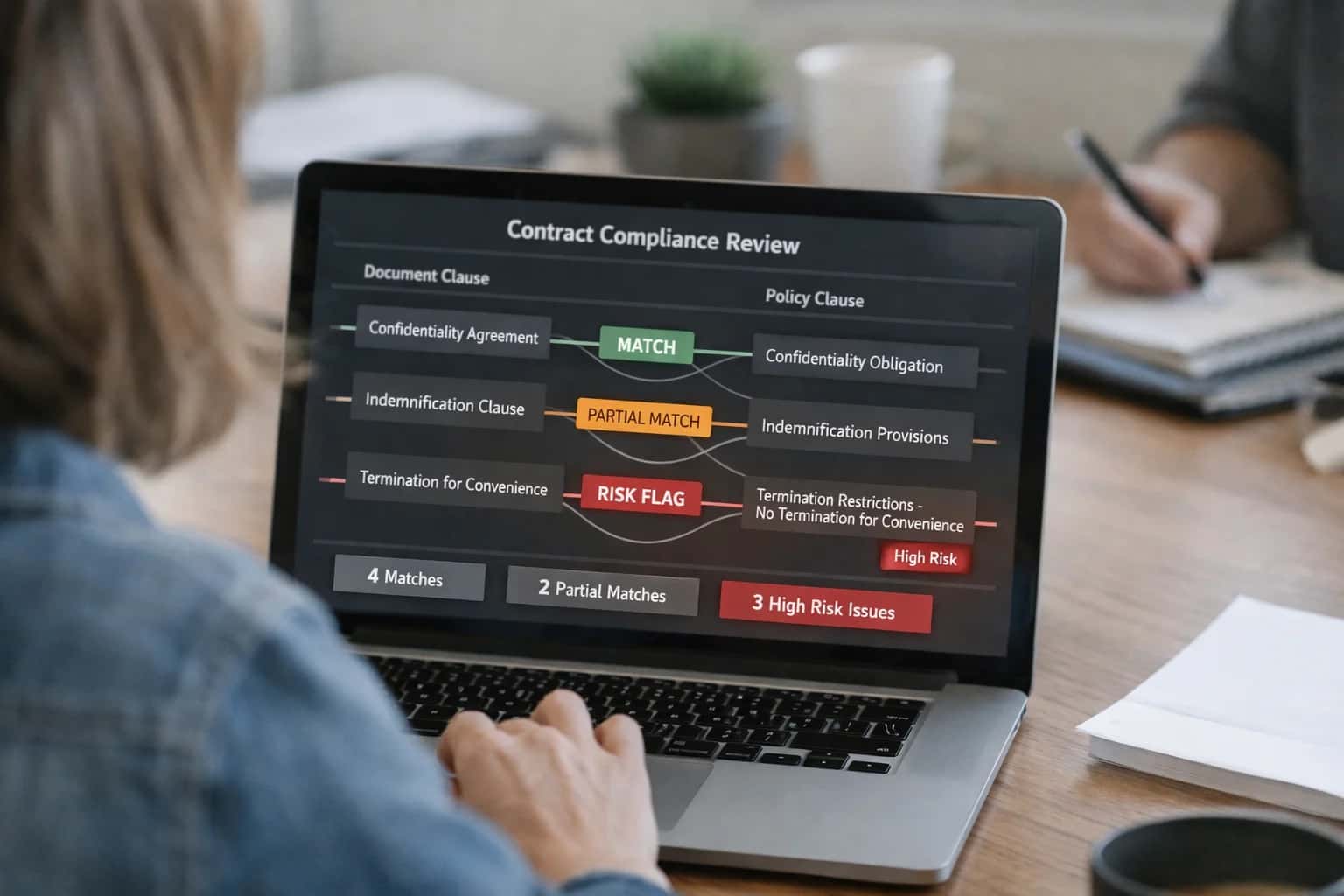
- Review contract clauses against a standard playbook, flagging non-standard liability terms or payment schedules.
- Initiate automated follow-ups for missing documents via email or SMS, reducing manual chase time from days to hours.
Integration is typically event-driven, using Bokun’s webhooks for supplier.created or document.uploaded to trigger an AI review agent. The agent returns structured data via API to update the supplier record and post notes for human review.
python# Example: Webhook handler for new supplier document from bokun_sdk import SupplierClient from ai_agent import contract_review_agent def handle_document_webhook(event): supplier_id = event['supplierId'] doc_url = event['documentUrl'] # AI agent reviews the contract review_result = contract_review_agent.analyze(doc_url) # Update supplier record with findings client = SupplierClient() client.update_supplier(supplier_id, { 'risk_score': review_result.risk_score, 'notes': review_result.summary, 'status': 'pending_review' if review_result.requires_attention else 'approved' })
AUTOMATE ONBOARDING, MONITORING, AND CONTRACT WORKFLOWS
High-Value AI Use Cases for Bokun Supplier Management
Integrate AI directly into Bokun's supplier and activity provider modules to automate manual processes, improve relationship quality, and reduce operational risk. These use cases focus on the specific objects, workflows, and data surfaces within Bokun where AI agents can add immediate value.
01
Automated Supplier Onboarding & Vetting
AI agents ingest new supplier applications and supporting documents (insurance, licenses, certifications) via Bokun's API or web forms. They perform OCR extraction, cross-reference expiry dates, and flag missing compliance items, automatically updating the supplier's status and triggering follow-up tasks for your operations team.
Days -> Hours
Onboarding timeline
02
Dynamic Supplier Performance Scoring
Continuously analyze Bokun data—booking volume, cancellation rates, customer review sentiment, guide punctuality logs—to generate a real-time performance score for each activity provider. AI surfaces trends and alerts for underperforming suppliers, enabling proactive management and contract renewal decisions.
Batch -> Real-time
Insight delivery
03
Intelligent Contract & SLA Review
Connect AI to the document storage linked to Bokun supplier records. Agents extract key clauses, payment terms, liability limits, and renewal dates from PDF contracts. They compare terms against your standard template, highlight deviations, and summarize obligations for your legal or procurement review.
80% First-Pass Review
Manual effort reduction
04
Proactive Capacity & Availability Sync
AI monitors supplier-submitted calendars in Bokun against real-time demand signals. It predicts booking clashes and capacity shortfalls, then automatically sends nudges via email or API to request calendar updates. This reduces overbooking and improves inventory accuracy across your distribution channels.
Prevents Overbooking
Primary risk reduction
05
Automated Compliance & Document Expiry Tracking
An AI agent acts as a continuous auditor, scanning the Documents section of each Bokun supplier profile. It tracks expiry dates for insurance, safety certificates, and guide licenses, sending automated escalation workflows to the supplier and your team weeks in advance of renewal deadlines.
Zero Manual Tracking
Operational overhead
06
Supplier Communication & Issue Triage
Integrate an AI copilot with Bokun's internal notes and communication logs. It summarizes issue threads, categorizes support tickets (billing, operational, quality), and drafts response templates for your manager. This turns fragmented communications into actionable, prioritized follow-ups.
Hours -> Minutes
Issue resolution prep
BOKUN INTEGRATION PATTERNS
Example AI-Driven Supplier Workflows
These concrete workflows illustrate how AI agents can automate high-friction supplier management tasks in Bokun, connecting to supplier profiles, contracts, and performance data to reduce manual oversight and improve operational reliability.
Trigger: A new supplier profile is created in Bokun via API or manual entry.
AI Agent Action:
- Document Ingestion: The agent retrieves attached supplier contracts, insurance certificates, and qualification documents from the Bokun supplier record or a linked cloud storage URL.
- Intelligent Extraction: Using an LLM with OCR capabilities, it extracts key terms: liability limits, payment terms (net-30, 50% deposit), cancellation policies, guide certification requirements, and expiry dates.
- Compliance Check: The agent cross-references extracted terms against a configurable rule set (e.g., 'Minimum liability insurance: $2M', 'Payment terms must not exceed net-45').
- Bokun Update & Alert:
- Writes extracted key dates (insurance expiry, contract end) to custom fields in the Bokun supplier profile.
- Flags non-compliant terms in a summary.
- Creates a task in Bokun or posts a message to a designated Slack/Teams channel for a human manager: "New supplier 'Alpine Guides LLC' onboarded. ✅ Insurance compliant. ⚠️ Contract payment terms are net-60 (exceeds policy)."
Human Review Point: Manager reviews the flagged term summary and either approves with a note or initiates re-negotiation.
A PRODUCTION BLUEPRINT FOR SUPPLIER INTELLIGENCE
Implementation Architecture: Data Flow and Guardrails
A practical architecture for embedding AI into Bokun's supplier management workflows, focusing on secure data flow, automated decision support, and operational guardrails.
The integration connects to Bokun's Supplier API and Webhook system to create a real-time intelligence layer. Core data objects include supplier profiles, contract documents, performance_score metrics, and onboarding_task lists. An AI agent, acting as a middleware service, ingests this data via secure API calls, processes documents (contracts, insurance certificates) through an OCR and extraction pipeline, and enriches supplier records with structured attributes like risk_score, compliance_status, and performance_trend. Processed data is stored in a dedicated vector database (e.g., Pinecone) for semantic search and retrieval, enabling queries like "Find suppliers with expiring insurance in the next 30 days."
Workflow automation is triggered by Bokun events. For example, a new supplier_created webhook initiates an automated onboarding workflow: the AI agent extracts key terms from the uploaded contract, checks for missing clauses against a compliance template, and creates a tailored task list in Bokun for the operations team. For performance monitoring, the agent periodically analyzes booking data, customer feedback, and guide reports to generate a supplier performance score, posting it as a private note on the supplier record and flagging underperformers for review in a dedicated Slack channel.
Governance is built into the architecture. All AI-generated outputs (scores, extracted terms) are logged with a human-in-the-loop approval step before being written back to Bokun. A separate audit trail records every AI action, model version used, and the source data for full traceability. Access is controlled via role-based permissions, ensuring only authorized managers can view AI-generated risk scores or trigger automated contract reviews. The system is designed for phased rollout: start with document extraction for new suppliers, then add performance scoring for top-tier partners, before fully automating renewal workflows.
AI-ENHANCED SUPPLIER WORKFLOWS
Code and Payload Examples
Automating New Supplier Intake
When a new activity provider submits their details via a Bokun form, an AI agent can be triggered to review the submission, extract key data, and populate a supplier record. The agent uses an LLM to parse uploaded documents (e.g., insurance certificates, business licenses) for critical dates and compliance flags.
Example Payload for Webhook Trigger:
json{ "event": "supplier_application_submitted", "application_id": "APP-78910", "supplier_name": "Coastal Kayak Adventures", "documents": [ "https://bucket.s3.amazonaws.com/insurance_2025.pdf", "https://bucket.s3.amazonaws.com/business_license.pdf" ], "webhook_to": "https://your-ai-service.com/onboarding" }
The AI service processes the documents, returns a structured summary, and the integration creates or updates the Bokun supplier via the POST /suppliers API, setting custom fields for insurance_expiry and compliance_status.
BOKUN SUPPLIER MANAGEMENT
Realistic Time Savings and Operational Impact
How AI integration transforms manual, reactive supplier operations into a proactive, data-driven process.
| Workflow | Before AI | After AI | Implementation Notes |
|---|---|---|---|
Supplier Onboarding Document Review | 2-3 hours manual review per contract | 15-20 minute AI-assisted summary & red flag highlight | Human final approval required; AI extracts key terms, insurance dates, and SLAs. |
Performance Scoring & KPI Tracking | Monthly spreadsheet compilation from guide feedback & reviews | Real-time dashboard with automated sentiment & metric aggregation | AI analyzes post-tour surveys, punctuality logs, and customer ratings daily. |
Contract Renewal & Compliance Tracking | Calendar reminders with manual document retrieval and review | Automated 60-day alerts with expiring clause summaries and risk scores | AI scans contract repository, flags upcoming renewals, and suggests negotiation points. |
New Supplier Vetting & Qualification | Ad-hoc reference checks and capacity verification | Structured scoring based on automated market analysis and capacity signals | AI cross-references online presence, reviews, and availability data for initial triage. |
Issue Triage & Dispute Resolution | Reactive email chains and manual log compilation | Centralized case log with AI-generated incident summaries and root-cause analysis | AI aggregates feedback, booking notes, and communications to surface recurring issues. |
Supplier Communication & Updates | Bulk emails or individual calls for policy changes | Targeted, personalized notifications via preferred channels based on AI segmentation | AI determines optimal channel (email, SMS, portal) and tailors message for supplier type. |
Reporting for Procurement & Finance | Quarterly manual report creation for cost analysis | On-demand spend, performance, and risk reports with predictive insights | AI correlates supplier cost with performance data, forecasting impact on tour margins. |
OPERATIONALIZING AI FOR SUPPLIER MANAGEMENT
Governance, Security, and Phased Rollout
A practical guide to deploying AI for Bokun supplier management with controlled risk and measurable impact.
A production-grade AI integration for Bokun supplier management must be built on a secure, auditable foundation. This starts with establishing a dedicated service layer that brokers all communication between your AI models and the Bokun API. This layer handles authentication via secure API keys (stored in a secrets manager), enforces role-based access control (RBAC) to ensure only authorized systems can trigger supplier onboarding or scoring workflows, and logs all AI-generated actions—such as contract clause flagging or performance score updates—to an immutable audit trail. Supplier data, including contract PDFs and performance metrics, should be processed in-memory or within a secure, isolated environment before any structured output is written back to Bokun's supplier, contract, or custom object records.
We recommend a phased rollout to de-risk implementation and demonstrate value incrementally. Phase 1 (Pilot): Automate a single, high-volume workflow like new supplier document intake. Configure an AI agent to monitor a dedicated email inbox or cloud folder for new supplier agreements, extract key terms (liability clauses, payment terms, insurance expiry) using OCR and an LLM, and populate a draft supplier record in Bokun for human review. Phase 2 (Scale): Expand to automated performance scoring. Connect the AI to Bokun's booking and feedback data to generate weekly supplier scorecards based on punctuality, customer ratings, and cancellation rates, posting summaries to a dedicated supplier dashboard or Slack channel for your ops team. Phase 3 (Optimize): Implement predictive alerts, where the AI analyzes trends to flag at-risk suppliers for proactive re-negotiation or to recommend top performers for expanded allocation.
Governance is critical for maintaining trust. Establish a clear review protocol: for the first 90 days, all AI-generated contract summaries and onboarding recommendations should require a manager's approval in Bokun before the supplier record is activated. Use this period to refine prompts and scoring logic. Implement a feedback loop where your team can correct AI outputs directly within the interface, feeding those corrections back as fine-tuning data. This controlled, iterative approach ensures the AI augments your team's expertise in Bokun without introducing unmanaged risk into your core supplier relationships.
Enabling Efficiency, Speed & Accuracy
Intelligent Analysis, Decision & Execution
We build AI systems for teams that need search across company data, workflow automation across tools, or AI features inside products and internal software.
Talk to Us
Search across company data
Give teams answers from docs, tickets, runbooks, and product data with sources and permissions.
Useful when people spend too long searching or get different answers from different systems.
Enterprise searchRAGPermissions
Read more
Automate internal workflows
Use AI to route work, draft outputs, trigger actions, and keep approvals and logs in place.
Useful when repetitive work moves across multiple tools and teams.
AI agentsWorkflow automationGovernance
Read more
Add AI to products and internal tools
Build assistants, guided actions, or decision support into the software your team or customers already use.
Useful when AI needs to be part of the product, not a separate tool.
AI integrationDecision supportModel routing
Read moreBOKUN SUPPLIER MANAGEMENT
Frequently Asked Questions
Practical questions and workflow walkthroughs for integrating AI into Bokun's supplier management operations, from contract review to performance monitoring.
This workflow uses an AI agent to process and validate new supplier submissions, reducing manual data entry and risk.
- Trigger: A new supplier application is submitted via a Bokun web form or uploaded as a document.
- Context Pulled: The AI agent extracts key fields (company name, tax ID, insurance details, service offerings) from the uploaded documents using OCR and NLP.
- Agent Action: The agent cross-references the extracted data against internal databases and public records for validation, flags missing or inconsistent information, and performs an initial risk assessment.
- System Update: A draft supplier record is automatically created in Bokun via its API, populated with the validated data. The workflow creates a task in your project management tool (e.g., Asana) for a human to review flagged items.
- Human Review Point: A procurement manager reviews the flagged discrepancies and the drafted record before activating the supplier in Bokun.
This cuts onboarding time from days to hours and ensures data consistency.

About the author
Prasad Kumkar
CEO & MD, Inference Systems
Prasad Kumkar is the CEO & MD of Inference Systems and writes about AI systems architecture, LLM infrastructure, model serving, evaluation, and production deployment. Over 5+ years, he has worked across computer vision models, L5 autonomous vehicle systems, and LLM research, with a focus on taking complex AI ideas into real-world engineering systems.
His work and writing cover AI systems, large language models, AI agents, multimodal systems, autonomous systems, inference optimization, RAG, evaluation, and production AI engineering.
LinkedIn
Limited slotsGet a Free AI Consultation
Partnered with leading AI, data, and software stack.





How We Work
Custom AI workflows for your Business
One-fit-all AI don't work for modern businesses. At Inferensys, we aim to understand your business & custom requirements; which we use to define most efficient agentic workflows, the data, and the tools for your business.
01
Review the use case
We understand the task, the users, and where AI can actually help.
Read more02
Pick the right approach
We define what needs search, automation, or product integration.
Read more03
Build the first useful version
We implement the part that proves the value first.
Read more04
Improve from there
We add the checks and visibility needed to keep it useful.
Read moreThe first call is a practical review of your use case and the right next step.
Talk to Us