AI integration connects directly to the RPM data ingestion layer of your telehealth platform, typically via APIs or webhooks from connected devices (e.g., glucose monitors, blood pressure cuffs, pulse oximeters). The core architectural pattern involves a secure middleware service that consumes this high-frequency, time-series data, applies AI models for trend analysis and anomaly detection, and then pushes structured alerts and patient summaries back into specific platform modules. Key integration surfaces include the clinician dashboard for real-time alerts, the patient longitudinal record for trend visualization, and care team messaging workflows for automated escalation.

Integration
AI Remote Patient Monitoring (RPM) Integration for Telehealth
Architect AI analytics on RPM device data (e.g., glucose, blood pressure) with real-time alerting and summary generation for clinicians within telemedicine dashboards like Amwell, Teladoc, and Mend.
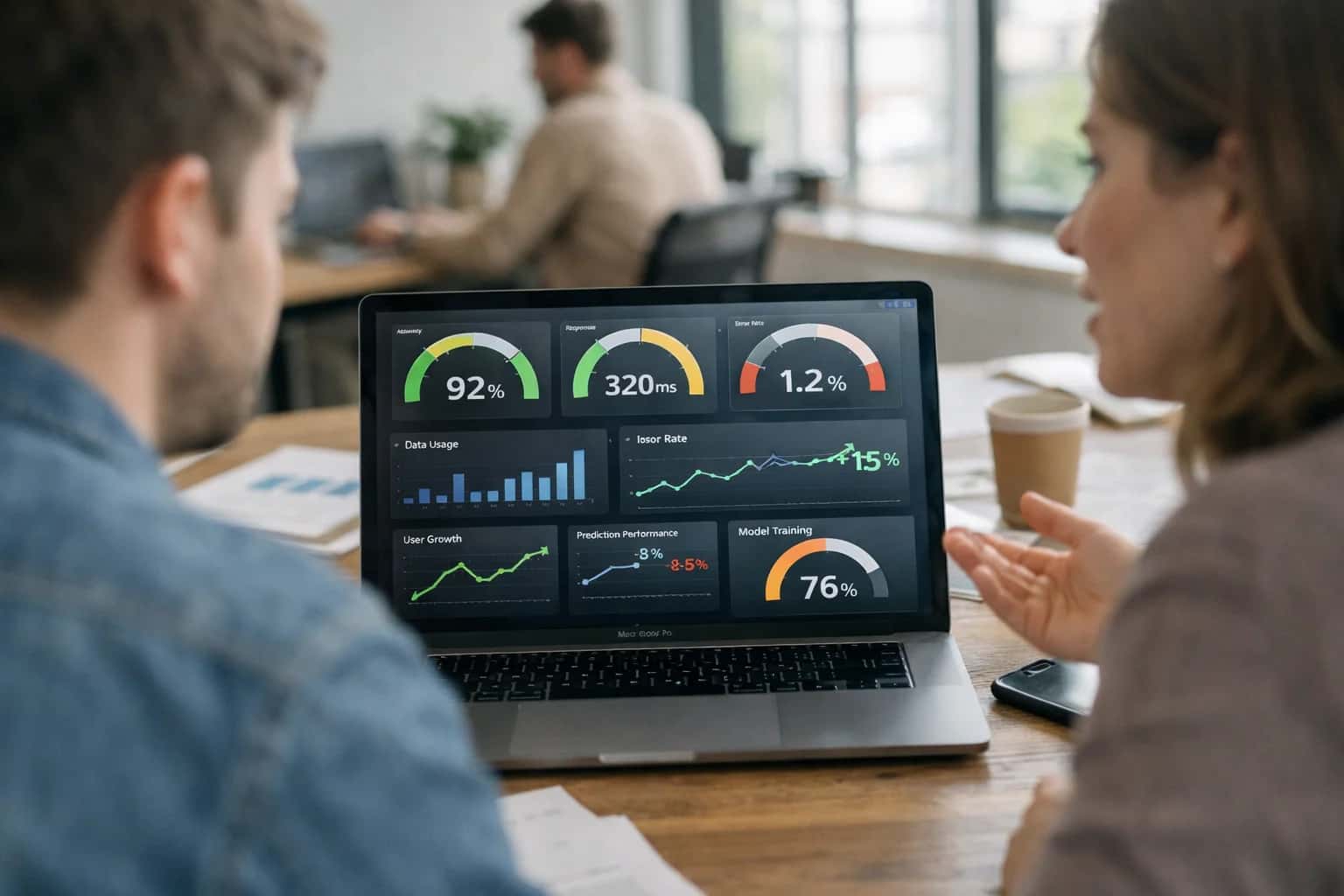
ARCHITECTURE AND IMPLEMENTATION
Where AI Fits into Telehealth RPM Workflows
Integrating AI analytics into Remote Patient Monitoring (RPM) transforms raw device data into actionable clinical intelligence within platforms like Amwell, Teladoc, and Mend.
High-value use cases focus on reducing manual review burden and preventing adverse events. For example, an AI agent can continuously analyze a diabetic patient's glucose readings from a connected monitor. Instead of a clinician reviewing a daily log, the system automatically flags patterns suggesting hyperglycemia, drafts a summary note for the patient's chart in the telehealth EHR, and can trigger a pre-configured workflow in the platform's care coordination module—such as sending a secure message to a nurse for follow-up or auto-scheduling a check-in video visit. This turns reactive data review into proactive, condition-specific intervention.
A production rollout requires careful governance. AI-generated alerts should be configurable by clinical protocols (e.g., thresholds for hypertension) and include confidence scores. Implement a human-in-the-loop approval step for high-risk alerts before they are written to the patient record. All AI actions must generate an audit trail within the platform's logging system to satisfy HIPAA and clinical governance. Start with a pilot on a single chronic condition (e.g., hypertension RPM), validate the AI's precision and recall against clinician judgment, and then scale to additional device types and care pathways, ensuring the integration supports the platform's native role-based access controls (RBAC) for different clinician and staff personas.
AI REMOTE PATIENT MONITORING (RPM) INTEGRATION
Integration Surfaces in Telehealth Platforms
Connecting RPM Data Streams
The first integration surface is the ingestion layer, where AI processes raw, high-frequency data from connected devices like glucose monitors, blood pressure cuffs, and pulse oximeters. This involves:
- API Hooks & Webhooks: Establishing secure connections to device cloud platforms (e.g., Dexcom, Withings) or middleware aggregators to receive streaming data payloads.
- Data Normalization: Using AI to map disparate data schemas (units, timestamps, patient IDs) into a unified clinical model compatible with the telehealth platform's data store.
- Anomaly Detection: Running initial lightweight models on the ingest pipeline to flag critical readings (e.g., severe hypoglycemia) for immediate alerting, before deeper analysis.
This layer ensures AI has a clean, real-time feed of patient vitals, which is foundational for all downstream analytics and alerting workflows within the clinician dashboard.
INTEGRATION PATTERNS FOR TELEHEALTH DASHBOARDS
High-Value AI Use Cases for RPM
Architect AI analytics on continuous RPM device data (glucose, blood pressure, weight, SpO2) to generate clinician alerts, patient summaries, and care plan nudges directly within platforms like Amwell, Teladoc, and Mend. Focus on augmenting, not replacing, existing clinical workflows.
01
Real-Time Vital Sign Alert Triage
Ingest streaming data from connected devices (e.g., Bluetooth glucometers, BP cuffs) via platform webhooks or IoT middleware. Apply AI rules to filter noise and prioritize true clinical alerts (e.g., sustained hypertension, hypoglycemic trends) for nurse review in the telemedicine dashboard, reducing alert fatigue.
Batch -> Real-time
Alerting cadence
02
Weekly Patient Summary Generation
Automatically synthesize 7 days of RPM data into a concise, narrative summary for the clinician's pre-visit review. The AI pulls trends, highlights adherence gaps, and flags concerning patterns, writing back a summary note to the patient's chart in the telemedicine platform.
30 min -> 2 min
Review prep time
03
Automated Escalation & Messaging Workflows
Orchestrate multi-step workflows triggered by AI-analyzed RPM data. Example: if a patient's weight trend suggests worsening CHF, the system can auto-schedule a nurse callback, send a tailored educational video via the patient portal, and flag the PCP in the care team dashboard.
Same day
Intervention speed
04
Chronic Condition Adherence Scoring
Calculate a daily/weekly adherence score based on device usage, reading frequency, and vitals within target ranges. Surface this score to care managers in the telemedicine admin console to prioritize outreach, integrating with existing patient risk stratification modules.
Manual -> Automated
Patient prioritization
05
Medication Reconciliation Support
Cross-reference RPM trends (e.g., blood pressure not dropping) with the patient's medication list from the connected EHR. The AI can flag potential non-adherence or need for therapy adjustment, generating a note for pharmacist or provider review within the telehealth workflow.
Proactive detection
Risk reduction
06
Population Health & Cohort Analytics
Run federated analytics across de-identified RPM data within the telemedicine platform to identify population trends (e.g., seasonal BP variations, device-specific adherence rates). Generate reports for health system administrators to optimize device formularies and care protocols.
1 sprint
Insight generation
CONCRETE IMPLEMENTATION PATTERNS
Example AI-Augmented RPM Workflows
These workflows illustrate how AI agents can be integrated into platforms like Amwell or Mend to process RPM device data, generate intelligent alerts, and create clinician-ready summaries. Each pattern details the trigger, data flow, AI action, and system update.
Trigger: A patient's connected blood pressure cuff syncs a reading exceeding predefined thresholds (e.g., systolic > 180 mmHg) to the telemedicine platform's RPM module.
Context/Data Pulled: The AI agent is invoked via a platform webhook. It retrieves:
- The current elevated reading with timestamp.
- The patient's last 7 days of BP trends from the platform's data store.
- Current medications (e.g., antihypertensives) from the linked EHR or patient profile.
- Any recent patient-reported symptoms from intake forms.
Model/Agent Action: A small language model classifies the event severity and drafts a context-aware alert:
- Classifies the event as
Critical,Urgent, orMonitorbased on trend, absolute value, and medication adherence. - Drafts a concise summary: "Patient [Name] recorded BP 182/95 at 14:30. Trend shows increasing systolic over 3 days. Currently on lisinopril 10mg daily. No new symptoms reported. Recommended: clinician review for possible medication titration."
- Suggests a follow-up action (e.g., "Schedule telehealth visit within 24 hours").
System Update/Next Step: The classified alert and draft summary are posted back to the platform via API, creating a prioritized task in the clinician's dashboard within the RPM workflow. The task is tagged with the severity level and pre-populated with the AI-generated note for quick review.
Human Review Point: The clinician reviews the AI-prioritized task, approves or edits the note, and initiates the next step (e.g., sending a message, scheduling a call) directly from their dashboard.
BUILDING A PRODUCTION-READY AI LAYER FOR RPM
Implementation Architecture: Data Flow & Guardrails
A secure, governed architecture for integrating AI analytics into remote patient monitoring workflows within platforms like Amwell and Mend.
The core integration pattern involves a secure middleware layer that sits between the telemedicine platform's RPM module and the AI services. This layer ingests structured device data (e.g., glucose readings, blood pressure, SpO2) via platform APIs or webhooks, normalizes it into a patient-time series format, and routes it to purpose-built AI models. For example, a hypertension management workflow in Amwell would see blood pressure data flow from the patient's connected device → Amwell's RPM dashboard → a secure API call to our inference service → an AI model analyzing trends against clinical thresholds. The results—escalation alerts, trend summaries, or patient-specific insights—are then written back to a dedicated panel in the clinician's dashboard using the platform's custom widget or note API, ensuring the AI output is contextualized within the existing workflow.
Governance is engineered at multiple levels. Data anonymization and tokenization occur at ingestion, with PHI stripped before processing and re-associated only for write-back via secure, audited lookups. A human-in-the-loop (HITL) approval queue is configured for high-severity alerts (e.g., "critical hyperglycemia detected") before they populate the clinician's view, allowing for rapid review by a nursing team. All AI inferences are logged with a full audit trail—including the source data payload, model version, confidence score, and the clinician who acted on the alert—to satisfy HIPAA requirements and support model performance monitoring. This is often implemented using a dedicated audit microservice that writes to a secure log database, accessible for compliance reporting.
Rollout follows a phased, risk-managed approach. We typically start with a single-device, single-condition pilot (e.g., glucose monitoring for a diabetes cohort) within a sandbox environment of the telemedicine platform. This allows for validation of data flows, alert accuracy, and clinician feedback on dashboard integration. Successful pilots are then scaled by adding device types (e.g., blood pressure cuffs, weight scales) and clinical protocols, with performance dashboards tracking key operational metrics like alert volume, clinician response time, and false-positive rates. The architecture is designed to be platform-agnostic at the core, allowing the same AI analytics engine to be adapted for Mend's digital care plans or Doxy.me's patient-reported outcome workflows with minimal re-engineering.
AI RPM INTEGRATION PATTERNS
Code & Payload Examples
Ingesting & Structuring RPM Device Streams
AI-driven RPM requires a normalized pipeline for diverse device data (glucose meters, BP cuffs, pulse oximeters). The first step is ingesting payloads from device APIs or IoT hubs, often via webhooks, and structuring them for time-series analysis.
A typical ingestion service validates the payload, extracts key vitals and timestamps, and writes to a patient-specific data store. This enables real-time alerting and aggregates data for daily or weekly AI summaries.
python# Example: Webhook handler for a glucose meter data push from datetime import datetime def handle_glucose_webhook(payload): """Process incoming glucose reading from IoT platform.""" # Validate and extract patient_id = payload.get('patient_external_id') reading_mgdl = payload.get('value') timestamp = datetime.fromisoformat(payload.get('timestamp')) device_id = payload.get('device_id') # Enrich with clinical context (e.g., pre/post-meal) reading_context = infer_reading_context(timestamp, patient_id) # Structure for time-series DB structured_record = { 'patient_id': patient_id, 'metric': 'blood_glucose', 'value': reading_mgdl, 'unit': 'mg/dL', 'timestamp': timestamp, 'device_id': device_id, 'context': reading_context, 'ingested_at': datetime.utcnow() } # Write to data store & trigger real-time evaluation write_to_timeseries_db(structured_record) evaluate_for_alert(structured_record) return {"status": "processed"}
AI RPM INTEGRATION
Realistic Time Savings & Operational Impact
How AI analytics on remote patient monitoring data changes clinician workflows and operational efficiency within platforms like Amwell or Mend.
| Workflow / Metric | Before AI | After AI | Implementation Notes |
|---|---|---|---|
Critical Alert Triage | Manual review of all incoming alerts by nursing staff | AI prioritizes alerts by severity & context; only high-risk routed immediately | AI filters ~70% of non-urgent readings; human-in-the-loop for final review |
Daily Patient Summary Generation | Clinician manually reviews 24-hour data trends for each high-risk patient | AI auto-generates a narrative summary with trend highlights & exceptions | Summaries pre-loaded into patient chart; clinician review time cut by ~80% |
Medication Adherence Follow-up | Reactive calls after missed readings or based on scheduled check-ins | AI identifies patterns suggesting non-adherence and triggers automated, personalized messages | Integrates with platform messaging; reduces manual outreach by care coordinators |
RPM Enrollment & Onboarding | Standardized packet sent; follow-up calls to explain device use | AI-driven video/chat agent answers common setup questions and confirms first reading | Leverages platform's patient portal; cuts initial support calls by ~50% |
Chronic Care Plan Adjustments | Plan reviewed during scheduled monthly telehealth visits | AI flags sustained trends (e.g., rising BP) to prompt earlier, data-informed plan updates | Triggers a task in clinician's platform dashboard for review between visits |
Billing & Documentation Support | Manual abstraction of qualifying data points for CPT codes (e.g., 99453, 99454) | AI extracts and suggests qualifying events & time thresholds for RPM billing | Outputs structured data for platform reporting or EHR integration; reduces coding time |
Patient Education & Engagement | Static PDFs or generalized content sent post-enrollment | AI tailors educational snippets based on patient's own data trends and gaps in understanding | Content delivered via platform's patient app; improves engagement metrics |
PRODUCTION ARCHITECTURE FOR RPM DATA
Governance, Security & Phased Rollout
Deploying AI on sensitive RPM streams requires a security-first, phased approach that clinicians and compliance officers can trust.
The core integration surfaces are the device data ingestion APIs (e.g., Amwell's RPM module, third-party device cloud webhooks) and the clinical dashboard where alerts and summaries are surfaced. AI agents act as middleware: they consume normalized glucose, blood pressure, or SpO2 time-series data, apply analytics and anomaly detection models, and generate structured alerts or daily/weekly patient summaries. These outputs are written back via secure API calls to create RPM alert tickets in the clinician's work queue and append summary notes to the patient's longitudinal record within the telemedicine platform.
A production architecture isolates the AI inference layer from the core platform. RPM data flows through a secure, HIPAA-aligned pipeline: data is ingested, de-identified for model processing if possible, analyzed by purpose-built models (e.g., for trend detection or threshold breaches), and then re-identified for alert generation. All actions—data access, model calls, alert creation—are logged to an immutable audit trail. Role-based access control (RBAC) ensures only authorized clinicians can view AI-generated insights, and all outputs are clearly labeled as 'AI-Assisted' to maintain clinical oversight.
Rollout follows a phased, risk-managed path. Phase 1 is a silent pilot: AI processes retrospective or real-time data but only logs insights internally for validation against clinician judgments. Phase 2 introduces non-interruptive alerts, such as a dedicated 'AI Insights' panel within the Amwell dashboard, allowing clinicians to review without workflow disruption. Phase 3 integrates prioritized alerts into the main clinician queue, starting with high-confidence, high-urgency detections like sustained hyperglycemia. Each phase includes feedback loops where clinician overrides or dismissals are used to retrain and calibrate models, ensuring the AI augments rather than annoys the care team.
Enabling Efficiency, Speed & Accuracy
Intelligent Analysis, Decision & Execution
We build AI systems for teams that need search across company data, workflow automation across tools, or AI features inside products and internal software.
Talk to Us
Search across company data
Give teams answers from docs, tickets, runbooks, and product data with sources and permissions.
Useful when people spend too long searching or get different answers from different systems.
Enterprise searchRAGPermissions
Read more
Automate internal workflows
Use AI to route work, draft outputs, trigger actions, and keep approvals and logs in place.
Useful when repetitive work moves across multiple tools and teams.
AI agentsWorkflow automationGovernance
Read more
Add AI to products and internal tools
Build assistants, guided actions, or decision support into the software your team or customers already use.
Useful when AI needs to be part of the product, not a separate tool.
AI integrationDecision supportModel routing
Read moreAI REMOTE PATIENT MONITORING (RPM)
FAQ: Technical & Commercial Questions
Architecting AI analytics on RPM device data (e.g., glucose, blood pressure) with alerting and summary generation for clinicians within telemedicine dashboards like Amwell. Below are common technical and commercial questions for planning this integration.
The first technical hurdle is establishing a secure, scalable pipeline for heterogeneous device data. A typical implementation pattern involves:
- API & Webhook Integration: Connect to the telemedicine platform's (e.g., Amwell, Teladoc) existing RPM data APIs or set up webhooks to receive push notifications when new device readings (glucose, BP, SpO2, weight) are posted to a patient's chart.
- Data Normalization Layer: Ingest raw JSON/HL7 payloads and map them to a unified internal schema. This layer handles unit conversions (e.g., mg/dL to mmol/L) and standardizes timestamps.
- Context Enrichment: Merge device readings with static patient data (age, conditions, medications) from the platform's user profile and EHR modules to provide clinical context for the AI.
- Secure Storage: Processed data is stored in a HIPAA-aligned environment, often in a time-series database or data lake, with strict access controls tied to the platform's RBAC.
Key Consideration: The integration must not create a separate data silo. All AI-generated insights should be written back as structured annotations within the platform's existing patient record to maintain a single source of truth.

About the author
Prasad Kumkar
CEO & MD, Inference Systems
Prasad Kumkar is the CEO & MD of Inference Systems and writes about AI systems architecture, LLM infrastructure, model serving, evaluation, and production deployment. Over 5+ years, he has worked across computer vision models, L5 autonomous vehicle systems, and LLM research, with a focus on taking complex AI ideas into real-world engineering systems.
His work and writing cover AI systems, large language models, AI agents, multimodal systems, autonomous systems, inference optimization, RAG, evaluation, and production AI engineering.
LinkedIn
Limited slotsGet a Free AI Consultation
Partnered with leading AI, data, and software stack.





How We Work
Custom AI workflows for your Business
One-fit-all AI don't work for modern businesses. At Inferensys, we aim to understand your business & custom requirements; which we use to define most efficient agentic workflows, the data, and the tools for your business.
01
Review the use case
We understand the task, the users, and where AI can actually help.
Read more02
Pick the right approach
We define what needs search, automation, or product integration.
Read more03
Build the first useful version
We implement the part that proves the value first.
Read more04
Improve from there
We add the checks and visibility needed to keep it useful.
Read moreThe first call is a practical review of your use case and the right next step.
Talk to Us