AI integration connects directly to the data objects and APIs that power Skyward's mobile check-in module. The primary surfaces are the Visitor Management, Event Registration, and Volunteer Management records. AI can act on fields like CheckInTime, BadgeID, EventID, VolunteerRole, and PhotoURL (where configured and compliant with privacy policies). This allows for automated workflows such as pre-populating recurring volunteer badges, flagging check-ins against watchlists via API calls, or triggering follow-up communications based on event attendance duration.

Integration
AI Integration with Skyward Mobile Check-In
Add AI-powered facial recognition, automated screening, and badge printing to Skyward's mobile check-in workflows for school events, volunteers, and visitors. Reduce front-desk queues and improve campus security.
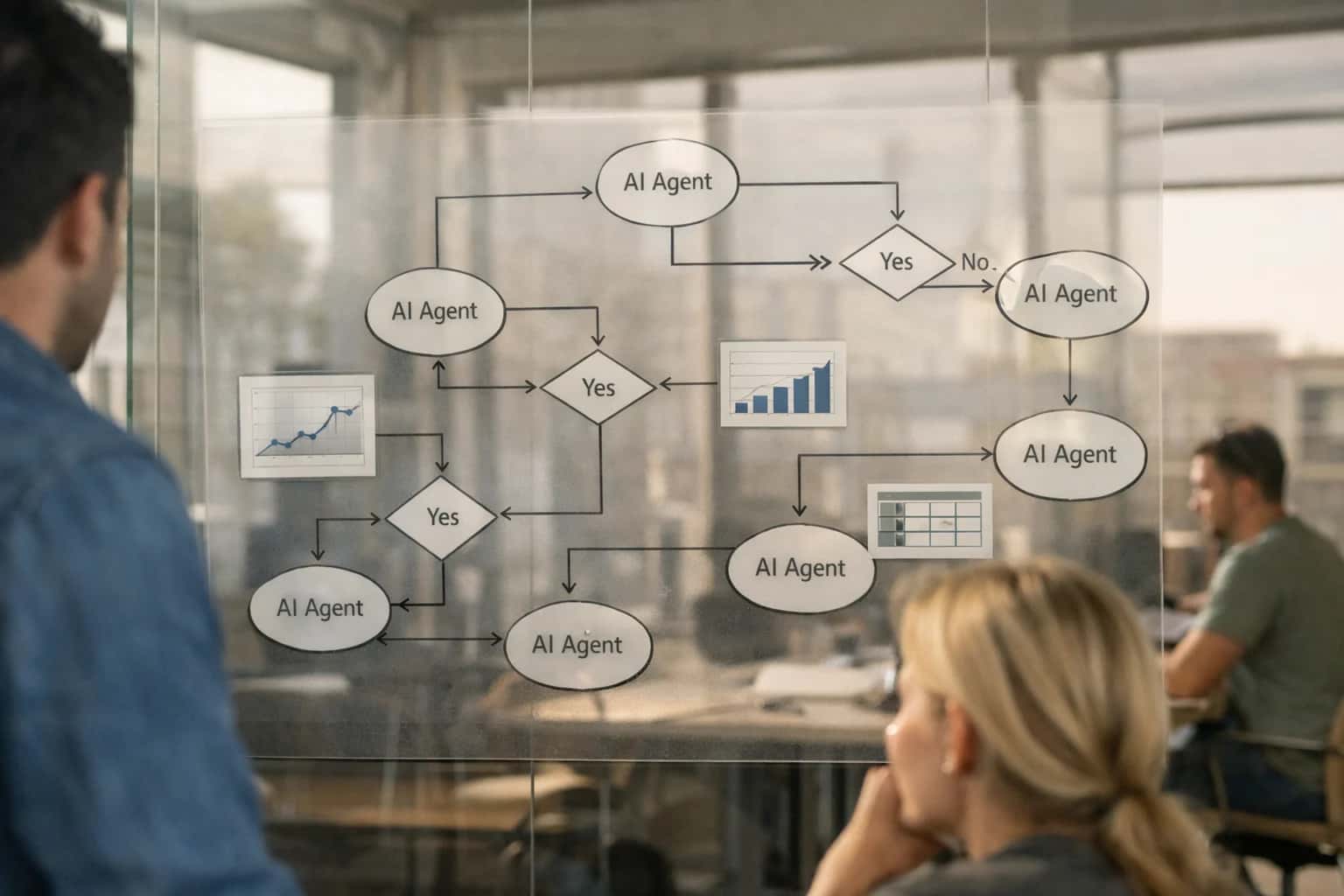
ARCHITECTURE FOR EVENT, VOLUNTEER, AND VISITOR WORKFLOWS
Where AI Fits in Skyward Mobile Check-In
A practical blueprint for embedding AI agents and automation into Skyward's mobile check-in workflows to reduce queues, improve security, and automate post-event tasks.
Implementation typically involves a middleware agent that listens to Skyward's check-in webhooks or polls its APIs. When a check-in event occurs, the agent can execute a sequence of steps: 1) Enrich the record (e.g., pull volunteer training status from an HR system), 2) Apply business logic (e.g., route a first-time visitor to a specific welcome queue), and 3) Trigger downstream actions like printing a customized badge via integrated hardware or sending a personalized thank you SMS to a volunteer. For facial recognition—where legally and ethically appropriate—a separate, secure service would handle biometric matching and return only a VisitorID to Skyward, never storing raw images in the SIS.
Rollout should start with a single, high-volume event type (e.g., parent-teacher conference nights) to validate the data flow and user experience. Governance is critical: establish clear audit logs for all AI-triggered actions, implement role-based access controls (RBAC) for override capabilities, and design human review steps for any exception flagged by the system (like a potential watchlist match). This approach turns mobile check-in from a simple logging tool into an intelligent gateway that improves operational efficiency and safety for your district.
ARCHITECTURE BLUEPRINT
AI Integration Points in Skyward's Check-In Ecosystem
Front-End User Interaction Points
AI can be embedded directly into the check-in user interface to guide and assist visitors, volunteers, and event attendees. Key integration surfaces include:
- Pre-Check-In Form Intelligence: Use AI to pre-populate fields by reading driver's licenses or business cards via the device camera, reducing manual entry.
- Dynamic Question Routing: Based on the event type or visitor category (e.g., contractor, volunteer, parent), an AI agent can ask conditional follow-up questions (e.g., "Which student are you here to see?") and validate responses against Skyward's student directory in real-time.
- Access & Badge Logic: An AI layer can evaluate check-in purpose, time of day, and past visit history to recommend badge type (e.g., "Visitor", "Volunteer") and print permissions, calling Skyward's API to log the decision.
This creates a faster, more accurate check-in experience that reduces front-desk staff burden.
SKYWARD MOBILE CHECK-IN
High-Value AI Use Cases for Mobile Check-In
Integrate AI directly into Skyward's mobile check-in workflows to automate manual tasks, personalize the visitor experience, and enhance security and operational efficiency for events, volunteers, and daily campus traffic.
01
Automated Visitor Pre-Clearance & Badge Printing
AI reviews pre-registered visitor lists against internal watchlists or policy rules. Upon arrival, approved visitors are greeted by name, and a thermal badge printer is triggered automatically, eliminating front-desk queues. Workflow: Pre-registration data → AI policy check → Skyward check-in API → Print command.
Queue -> Walk-up
Visitor experience
02
Intelligent Volunteer Matching & Scheduling
For event volunteer check-in, an AI agent cross-references the volunteer's profile, skills, and availability against real-time needs from the event coordinator. It suggests role assignments or redirects volunteers to where help is needed most, updating Skyward records in real-time.
Manual -> Optimized
Staffing efficiency
03
Facial Recognition for Secure, Hands-Free Entry
Where privacy policies allow, integrate a secure facial recognition system with Skyward's check-in. Authorized individuals (e.g., frequent volunteers, approved vendors) can be granted building access through a kiosk without presenting ID, logging the secure check-in event directly to Skyward's audit trail.
Seconds
Check-in time
04
AI-Powered Emergency Roll Call & Accountability
During a drill or emergency, trigger an AI agent to analyze real-time Skyward Mobile Check-In data against expected occupancy lists (e.g., for an event). It instantly generates a discrepancy report, identifying individuals who are checked in but not accounted for in safe zones, speeding up accountability.
Minutes -> Real-time
Safety response
05
Personalized Event Guidance & Communication
Upon checking into a large event (e.g., parent-teacher conferences, graduation), an AI agent uses the individual's profile (student's teacher, graduate's name) to send a personalized SMS or email with a map, schedule, and next steps via Skyward's communication APIs.
Generic -> Personal
Attendee experience
06
Automated Compliance Documentation for Background Checks
For volunteers requiring background checks, an AI workflow monitors Skyward check-ins against an integrated compliance database. If a volunteer checks in without a current clearance, the system can gently deny entry, notify the coordinator, and automatically initiate the renewal process via connected HR systems.
Batch -> Real-time
Compliance enforcement
SKYWARD MOBILE CHECK-IN
Example AI-Powered Check-In Workflows
These workflows illustrate how AI agents can automate and enhance Skyward Mobile Check-In for events, volunteers, and visitors, reducing front-desk congestion and improving the guest experience.
Trigger: A visitor submits their check-in details via the Skyward Mobile Check-In app or a pre-event web form.
Context Pulled: The AI agent queries Skyward's VisitorManagement API for the event schedule, approved visitor list, and any pre-registered details (name, company, purpose).
Agent Action:
- Validates Identity: Cross-references the submitted name/email against the pre-approved list.
- Assesses Risk/Routine: Classifies the visit as
routine(e.g., parent-teacher conference, scheduled tour) orrequires escort(e.g., vendor delivery, facility tour). - Generates Badge: For routine visits, the agent triggers a print job to a connected badge printer with visitor name, photo (if uploaded), date, time, and destination.
- Sends Notification: Dispatches an automated SMS or in-app notification to the host (teacher/staff) that their visitor has arrived and their badge is ready.
System Update: The check-in is logged in Skyward with status Checked-In - Badge Printed. The visitor receives a digital pass on their phone to proceed directly to a self-service kiosk or pick up their pre-printed badge.
Human Review Point: Visits flagged as non-routine or where identity cannot be verified are routed to a front-desk staff dashboard for manual review before badge printing is approved.
SECURE, EVENT-DRIVEN INTEGRATION
Implementation Architecture: Data Flow & APIs
A production-ready integration for Skyward Mobile Check-In connects AI services to live event data via secure APIs and webhooks, enabling real-time processing without disrupting core SIS operations.
The integration is anchored on Skyward's Family/Student Access APIs and Event Management modules. When a visitor initiates a mobile check-in via the Skyward portal or kiosk app, the system captures the check-in attempt—including a photo upload for facial recognition workflows—and posts this event data to a secure webhook endpoint. This payload, containing the EventID, PersonID, CheckInTimestamp, and image data, triggers the AI processing pipeline. The pipeline first validates the event against Skyward's master schedule via API call to ensure the check-in is for a valid, active event, preventing processing for canceled or future activities.
For facial recognition workflows (where legally and ethically approved), the image is processed by a dedicated, on-premises or VPC-hosted AI service. This service compares the upload against a pre-authorized, hashed gallery of volunteer/staff/student photos synced nightly from Skyward's PersonPhoto tables. A match confidence score and PersonID are returned. This result, along with any custom form data collected during check-in, is sent back to Skyward via the Check-In API to finalize the attendance record, automatically populating the CheckedInBy field and logging the method as 'AI-Assisted'. For badge printing, the system calls a separate print service API, passing the PersonID and EventID to generate a badge with the individual's name, role, and event-specific details, all sourced from the initial Skyward API validation call.
Governance is built into the data flow. All image data is processed ephemerally and never stored in the AI layer; only match results and audit logs persist. The system implements a human-in-the-loop review queue for low-confidence matches or flagged individuals, pausing the automated workflow and notifying designated school staff via Skyward's internal alert system. Rollout follows a phased approach: starting with non-facial recognition features like automated badge printing and form data extraction, then layering in optional facial recognition for specific, consent-based groups (e.g., pre-registered volunteers) after policy review and testing.
SKYWARD MOBILE CHECK-IN INTEGRATION PATTERNS
Code & Payload Examples
Triggering a Check-In Record
When a visitor scans a QR code or enters their details via a kiosk, an external system can create a check-in record in Skyward via its API. This is useful for integrating third-party kiosk hardware or custom mobile apps with Skyward's backend.
The payload must include the visitor's pre-registered ID, event ID, and a timestamp. The API call returns a unique check-in record ID and can trigger Skyward's internal workflows for badge printing or notifications.
pythonimport requests # Example: Create a Skyward Mobile Check-In record skyward_api_url = "https://yourdistrict.skyward.com/api/checkin/v1/visitors" headers = { "Authorization": "Bearer YOUR_API_TOKEN", "Content-Type": "application/json" } payload = { "visitor_id": "V-2024-001234", # Pre-registered in Skyward "event_id": "EVT-5678", "checkin_timestamp": "2024-05-15T09:30:00-05:00", "location": "Main Office Kiosk 1", "notes": "AI-assisted name match confidence: 98%" } response = requests.post(skyward_api_url, json=payload, headers=headers) if response.status_code == 201: checkin_data = response.json() print(f"Check-in ID: {checkin_data['id']}") # Use this ID to trigger badge printing workflow else: print(f"Check-in failed: {response.text}")
SKYWARD MOBILE CHECK-IN WORKFLOWS
Time Saved & Operational Impact
How AI integration reduces manual effort and accelerates visitor, volunteer, and event management processes within Skyward's mobile check-in ecosystem.
| Workflow / Task | Before AI Integration | After AI Integration | Operational Notes |
|---|---|---|---|
Visitor Check-In & Badge Printing | Manual data entry, ID verification, badge printing (3-5 mins per visitor) | Automated data pre-fill, optional facial recognition match, instant badge print (30-60 secs) | Staff shift from data entry to exception handling and guest greeting |
Volunteer Background Check Verification | Manual cross-reference of cleared lists with sign-in sheets; next-day follow-up for mismatches | Real-time API check against clearance database; immediate on-site approval or redirection | Ensures compliance and safety without delaying volunteer start |
Event Attendee Pre-Registration Processing | Manual review of spreadsheets/forms to pre-load attendee lists into Skyward | AI parses email confirmations, forms, and lists; auto-creates check-in records | Eliminates 1-2 hours of prep work per event for office staff |
Student Early Dismissal / Pick-Up Authorization | Front office calls classroom, verifies paper log, manually updates Skyward attendance | Parent request via app triggers AI agent to verify auth, notify teacher, log dismissal | Reduces front office disruption; logs are automatic and audit-ready |
Field Trip Permission Slip & Medical Form Intake | Manual collection, filing, and verification of paper forms before trip day | AI extracts data from uploaded PDFs/Photos, flags missing info, updates Skyward records | Nurse and trip coordinator get digital, searchable records 48 hours faster |
High-Volume Event Check-In (e.g., Conferences, Games) | Long queues, multiple staff stations, manual lookups for will-call or walk-ups | Self-service kiosks with AI-assisted name search/ID scan; staff assist only exceptions | Can handle 2-3x visitor volume with same staff; reduces wait times from 10+ mins to <2 mins |
Visitor & Volunteer Reporting for Compliance | Monthly manual compilation from sign-in sheets and Skyward exports for fire marshal/board | Automated daily reports generated by AI; anomalies (e.g., uncleared volunteer) flagged in real-time | Shifts reporting from a monthly 4-hour task to a continuous, automated audit trail |
ARCHITECTING FOR SCALE AND TRUST
Governance, Security & Phased Rollout
A production-grade AI integration for Skyward Mobile Check-In requires a deliberate approach to data security, user privacy, and controlled adoption.
Implementation begins by establishing a secure data pipeline between Skyward's Student, Contact, and Event tables and the AI processing layer. We use Skyward's API or a secure file export to a dedicated, encrypted staging area. For facial recognition workflows, biometric templates are processed ephemerally or hashed and stored separately from PII, never writing raw images back to the SIS. All AI-generated outputs—like automated badge data—are validated against existing Skyward permissions (Family Access roles, Event visibility) before being passed to the badge printing module or check-in kiosk interface.
A phased rollout is critical for trust and operational refinement. Phase 1 focuses on non-identifying automation: using AI to pre-populate badge fields from event registration data and generate print queues. Phase 2 introduces assisted matching, where the system suggests a check-in based on a captured image but requires staff confirmation before completing the transaction, logging each step to an audit trail. Phase 3, full automated recognition, is enabled only for specific, pre-consented event types (e.g., recurring volunteer groups) after analyzing accuracy metrics from the previous phase. This crawl-walk-run approach lets you build confidence, adjust prompts, and train staff on the new workflow.
Governance is maintained through a dedicated admin panel within your check-in management console. This panel controls which events or user groups can use AI features, sets confidence thresholds for auto-check-in, and provides a clear audit log of all AI-assisted transactions. For districts with strict compliance needs, a human-in-the-loop review queue can be mandated for all check-ins where the system's confidence score falls below a set threshold, ensuring staff oversight for edge cases. This architecture ensures the integration enhances efficiency without compromising the security or privacy expectations inherent in a K-12 student data system.
Enabling Efficiency, Speed & Accuracy
Intelligent Analysis, Decision & Execution
We build AI systems for teams that need search across company data, workflow automation across tools, or AI features inside products and internal software.
Talk to Us
Search across company data
Give teams answers from docs, tickets, runbooks, and product data with sources and permissions.
Useful when people spend too long searching or get different answers from different systems.
Enterprise searchRAGPermissions
Read more
Automate internal workflows
Use AI to route work, draft outputs, trigger actions, and keep approvals and logs in place.
Useful when repetitive work moves across multiple tools and teams.
AI agentsWorkflow automationGovernance
Read more
Add AI to products and internal tools
Build assistants, guided actions, or decision support into the software your team or customers already use.
Useful when AI needs to be part of the product, not a separate tool.
AI integrationDecision supportModel routing
Read moreIMPLEMENTATION AND WORKFLOW DETAILS
Frequently Asked Questions
Practical questions for K-12 IT and operations teams planning AI integration with Skyward's Mobile Check-In for events, volunteers, and visitors.
The integration connects at the point a visitor initiates check-in via the Skyward Mobile app or a kiosk.
Typical Workflow:
- Trigger: A visitor scans a QR code or enters an event code in the Skyward Mobile Check-In app.
- Context Pull: The integration layer (via Skyward API) retrieves the event details, expected attendee list, and any pre-registration data.
- AI Action: For facial recognition workflows (where legally and ethically approved), the system compares a live capture against a pre-approved photo database (e.g., pre-registered volunteers). For non-biometric flows, an AI agent validates the provided name/ID against the list and checks for any alerts (e.g., custodial restrictions).
- System Update: Upon successful verification, the AI service calls back to Skyward's API to:
- Log the check-in time and attendee type.
- Update the real-time headcount for the event.
- Trigger the next step (e.g., badge print command).
- Human Review Point: If the AI confidence score is below a set threshold, or if a restriction flag is found, the workflow routes to a staff device for manual review before proceeding.

About the author
Prasad Kumkar
CEO & MD, Inference Systems
Prasad Kumkar is the CEO & MD of Inference Systems and writes about AI systems architecture, LLM infrastructure, model serving, evaluation, and production deployment. Over 5+ years, he has worked across computer vision models, L5 autonomous vehicle systems, and LLM research, with a focus on taking complex AI ideas into real-world engineering systems.
His work and writing cover AI systems, large language models, AI agents, multimodal systems, autonomous systems, inference optimization, RAG, evaluation, and production AI engineering.
LinkedIn
Limited slotsGet a Free AI Consultation
Partnered with leading AI, data, and software stack.





How We Work
Custom AI workflows for your Business
One-fit-all AI don't work for modern businesses. At Inferensys, we aim to understand your business & custom requirements; which we use to define most efficient agentic workflows, the data, and the tools for your business.
01
Review the use case
We understand the task, the users, and where AI can actually help.
Read more02
Pick the right approach
We define what needs search, automation, or product integration.
Read more03
Build the first useful version
We implement the part that proves the value first.
Read more04
Improve from there
We add the checks and visibility needed to keep it useful.
Read moreThe first call is a practical review of your use case and the right next step.
Talk to Us