Skyward's notification system is built to trigger alerts based on data changes in core modules like Attendance, Gradebook, Student Fees, and Behavior Tracking. Traditionally, these are rule-based broadcasts: 'Send an email to Parent A if Student B has 3 unexcused absences.' AI integration transforms this by injecting intelligence into both the trigger logic and the message content. Instead of a generic template, an AI agent can analyze the student's full context—past attendance patterns, current grades in specific classes, and even notes from a recent counselor meeting—to draft a personalized, actionable message for the parent or student, suggesting specific next steps or resources.

Integration
AI Integration with Skyward for Notification Workflows
Automate complex, conditional notification workflows in Skyward SIS using AI to personalize messages and RPA to execute steps. Reduce manual effort and improve communication consistency for attendance, grades, fees, and interventions.
ARCHITECTURE FOR CONDITIONAL, PERSONALIZED ALERTS
Where AI Fits into Skyward Notification Workflows
A practical blueprint for embedding AI into Skyward's notification engine to move from static broadcasts to dynamic, personalized communications.
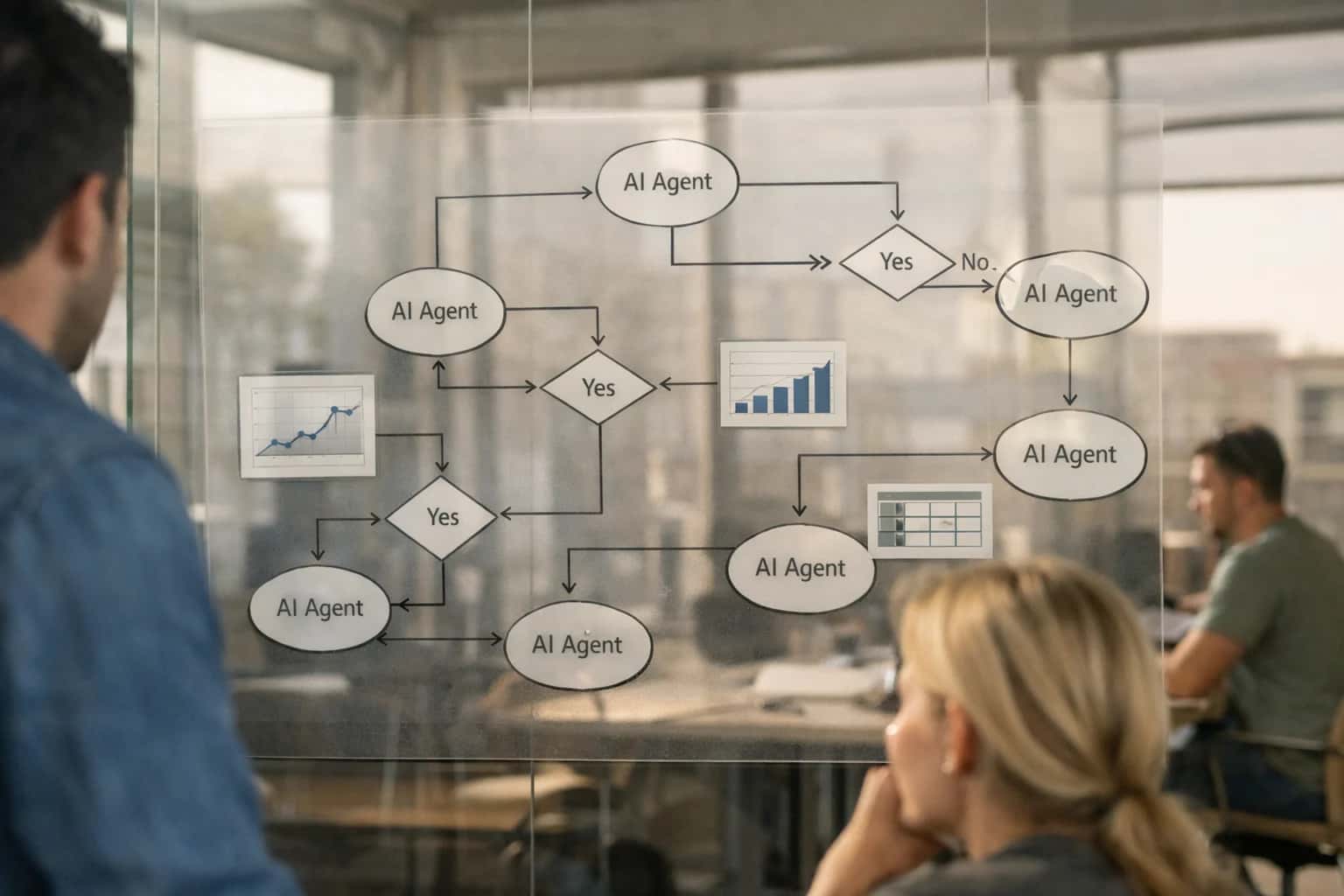
Implementation typically involves an AI orchestration layer that sits between Skyward's event system and its communication channels. When a Skyward workflow (e.g., a grade below a threshold is posted) fires a webhook or updates a queue, the AI agent is invoked. It calls Skyward's APIs to retrieve relevant student and family data, uses a language model to generate or tailor content, applies guardrails for tone and policy compliance, and then routes the finalized message back through Skyward's native email/SMS system or a connected channel. This keeps the communication audit trail within Skyward while leveraging external AI for personalization at scale. For example, a fee reminder can dynamically adjust its language and payment plan suggestions based on the family's payment history.
Rollout requires careful governance. Start with a pilot on a single, high-volume notification stream—like daily attendance alerts—where personalization can have an immediate impact on reducing follow-up calls to the school office. Implement a human-in-the-loop review phase for generated content before moving to full automation. Crucially, ensure all AI-triggered actions write a clear log back to the student's record in Skyward, maintaining a transparent chain of custody for all communications. This approach turns Skyward's notification engine from a simple broadcaster into an intelligent student support system, reducing administrative burden while making every touchpoint more relevant and effective.
PLATFORM SURFACES
Key Skyward Modules and Surfaces for AI Notification Triggers
The Primary Communication Surface
The Skyward Family Access and Student Access portals are the primary touchpoints for notifications. AI can personalize and trigger messages based on data changes within these modules:
- Attendance Alerts: Trigger personalized notifications when unexcused absences or tardies are logged, moving beyond generic "your child was absent" messages to suggest make-up work or check-in protocols.
- Gradebook Updates: Initiate proactive alerts for missing assignments, sudden grade drops, or commendations for improvement, pulling specific assignment names and course details from the gradebook.
- Fee Management: Automate payment reminders, low lunch balance alerts, and field trip fee notifications by connecting to the
feesandfood_servicedata objects. AI can draft messages that explain charges and suggest payment plan options.
These notifications can be delivered via the portal's internal messaging system or orchestrated to send via SMS/email through integrated communication platforms, with AI determining the optimal channel and timing.
CONDITIONAL WORKFLOW AUTOMATION
High-Value AI Notification Use Cases for Skyward
Skyward's notification engine is powerful but often requires manual configuration for complex, conditional scenarios. By integrating AI agents, you can automate the decision logic, personalization, and multi-step execution of critical communications, turning batch alerts into intelligent, real-time interventions.
01
Automated Attendance & Truancy Escalation
AI monitors daily attendance imports and applies district policy rules (e.g., 3 unexcused absences) to trigger a multi-step notification cascade. The agent personalizes messages for parents, auto-generates documentation for the school social worker, and schedules a follow-up task in the student's case file—all without manual review.
Batch -> Real-time
Intervention speed
02
Personalized Grade & Missing Work Alerts
Instead of generic 'grade posted' alerts, an AI agent analyzes the Skyward Gradebook API for patterns. It triggers notifications only when a student's grade drops below a threshold or multiple assignments are missing, crafting a message that lists the specific assignments and suggests next steps (e.g., 'See your math teacher during advisory').
Hours -> Minutes
Teacher time saved
03
Fee & Payment Plan Communication
AI orchestrates the entire fee lifecycle. When a new activity fee is posted, it sends an initial notice. If unpaid after a set period, it analyzes family payment history to suggest a personalized plan, generates a payment link, and escalates to the finance office only after multiple ignored attempts. This reduces awkward manual follow-ups.
1 sprint
Implementation timeline
04
Field Trip & Event Permission Workflows
Managing paper permission slips is a bottleneck. An AI agent automates the workflow: upon event creation in Skyward, it generates a digital form, texts the link to parents, tracks responses, and flags students without consent. For non-responders, it sends a reminder and finally notifies the teacher with a final roster 24 hours prior.
Same day
Roster finalization
05
Behavior Incident & MTSS/RTI Coordination
When a behavior referral is logged, an AI agent evaluates its severity and history. For minor issues, it may auto-send a notification home. For major or repeat incidents, it triggers a Multi-Tiered Support System (MTSS) workflow: notifying the counselor, checking for existing intervention plans, and scheduling a team meeting—all documented within Skyward.
Batch -> Real-time
Team coordination
06
Health & Medical Compliance Alerts
AI monitors Skyward's health records for expiring immunizations, medication authorizations, or athletic physicals. It sends tiered reminders to parents and school nurses, and if the deadline passes, automatically updates the student's status to 'non-compliant' and generates a report for the district health coordinator, ensuring audit readiness.
Proactive vs. Reactive
Compliance posture
SKYWARD INTEGRATION PATTERNS
Example AI-Orchestrated Notification Workflows
These workflows illustrate how AI agents, triggered by Skyward data changes, can personalize and route critical notifications. Each pattern combines Skyward's API, conditional logic, and generative AI to move beyond simple alerts to context-aware, actionable communications.
Trigger: Skyward attendance module flags a student exceeding a district-defined threshold for unexcused absences (e.g., 3 in a rolling 30-day period).
Context Pulled: The AI agent fetches:
- Student name, grade, school, and homeroom teacher.
- Historical attendance pattern (excused vs. unexcused trends).
- Any existing intervention plans or notes from the MTSS/RTI module.
- Parent/guardian contact preferences and past response history from the family communication log.
Agent Action:
- Analyzes the pattern to categorize likely cause (e.g., "morning tardies," "whole-day absences").
- Generates a personalized draft communication. For a pattern of morning tardies, it might draft: "Hi [Parent Name], we've noticed [Student Name] has had difficulty arriving on time for first period this month. This can impact their morning routine. Would a later bus route or a check-in with our counselor be helpful?"
- Routes the draft and a recommended action (e.g., "Send parent SMS," "Create counselor referral task") to the designated staff role (attendance officer, counselor) via a connected task system (like Microsoft Planner) for review and one-click sending.
System Update: Upon staff approval and send, the agent logs the communication, its category, and the staff member who authorized it back to a custom Skyward table or an integrated CRM for audit and future pattern analysis.
SKYWARD NOTIFICATION WORKFLOWS
Implementation Architecture: Data Flow, APIs, and Guardrails
A practical blueprint for orchestrating complex, conditional notifications in Skyward using AI to personalize content and RPA to execute the steps.
The integration connects at three key layers within Skyward's Student Management Suite: the Event Scheduler for triggers, the Message Center/Notification APIs for delivery, and the underlying SQL database for real-time student and family data. An AI agent, hosted externally for security and scalability, listens for webhook events from configured Skyward workflows (e.g., a grade falling below a threshold, an attendance code logged, a fee posted). The agent uses this trigger context to query relevant student records, guardian contacts, and historical communication via Skyward's REST API or a secured data pipeline, forming a complete profile for personalization.
Using a Retrieval-Augmented Generation (RAG) pattern, the agent grounds its responses in district-approved messaging templates, policy documents, and past successful communications before generating a personalized draft. For example, a tardy notification can reference the student's specific class, the teacher's name, and a link to the school's attendance policy. This draft is then routed through a configurable approval queue (human-in-the-loop for high-stakes messages, fully automated for routine ones) before an RPA bot executes the final send via Skyward's native Messaging API, ensuring the notification appears within the official parent portal and audit trail. This shifts notification management from batch-and-blast to dynamic, context-aware communication.
Governance is enforced through role-based access controls on the AI platform, strict prompt templates to maintain tone and compliance, and comprehensive logging that ties each AI-generated message back to the source Skyward event, user, and approval step. Rollout typically starts with a single, high-volume, low-risk workflow—like library overdue notices or lunch balance alerts—to validate data flow and user acceptance before expanding to more sensitive academic or behavioral notifications.
SKYWARD NOTIFICATION WORKFLOWS
Code and Payload Examples
Handling Skyward Events and Generating Content
When a qualifying event (e.g., a failing grade posted) occurs in Skyward, it can trigger a webhook to your integration layer. This Python FastAPI endpoint receives the event, extracts the relevant student and context data, and calls an LLM to generate a personalized notification draft.
pythonfrom fastapi import FastAPI, Request import httpx from pydantic import BaseModel app = FastAPI() class SkywardEvent(BaseModel): event_type: str # e.g., 'grade_posted', 'attendance_flagged' student_id: str student_name: str course_name: str grade_value: str teacher_name: str @app.post("/skyward/webhook") async def handle_skyward_event(request: Request): event_data = await request.json() event = SkywardEvent(**event_data) # Construct a prompt for the LLM prompt = f""" You are a supportive school administrator. Draft a concise, empathetic, and actionable email to a parent regarding their child's recent academic performance. Student: {event.student_name} Course: {event.course_name} Teacher: {event.teacher_name} Recent Grade: {event.grade_value} Tone: Supportive, collaborative, and focused on solutions. """ # Call your configured LLM (e.g., OpenAI, Anthropic) async with httpx.AsyncClient() as client: llm_response = await client.post( "https://api.openai.com/v1/chat/completions", headers={"Authorization": f"Bearer {OPENAI_API_KEY}"}, json={ "model": "gpt-4o-mini", "messages": [{"role": "user", "content": prompt}], "temperature": 0.7 } ) generated_content = llm_response.json()["choices"][0]["message"]["content"] # Return structured data for the next step (e.g., approval or send) return { "student_id": event.student_id, "notification_type": "parent_email_grade_alert", "generated_content": generated_content, "source_event": event.event_type }
This pattern separates the event ingestion from the business logic, allowing for easy testing and swapping of LLM providers.
AI-ASSISTED NOTIFICATION ORCHESTRATION
Realistic Time Savings and Operational Impact
How AI integration transforms manual, conditional notification workflows in Skyward by automating content personalization and execution logic.
| Workflow / Task | Before AI | After AI | Key Impact & Notes |
|---|---|---|---|
Attendance Notification Drafting | Manual template selection and student-specific edits | AI generates personalized message from Skyward data | Reduces drafting from 5-10 minutes per case to under 60 seconds |
Multi-Conditional Fee Reminder | Manual review of accounts, balances, and payment history | AI evaluates rules, selects recipients, drafts tiered messages | Turns a 2-hour batch process into a scheduled, automated job |
Grade Threshold Alerts | Teacher manually identifies students, sends individual emails | AI monitors gradebook, triggers alerts via Skyward API | Proactive notifications sent same day vs. end-of-week review |
Complex Workflow Orchestration (e.g., Field Trip) | Staff manually checks permissions, medical forms, balances | RPA executes checks; AI personalizes approval/denial comms | Multi-step process completes in minutes, not hours, with audit trail |
Mass Notification for Weather/Schedule | Generic message copied to all families | AI segments by bus route, grade level, or activity for relevance | Improves clarity and reduces follow-up calls to front office |
Behavior/Positive Recognition Notes | Sporadic, time-intensive for teachers to write | AI suggests draft notes based on incident/achievement data | Increases frequency of positive outreach, boosting engagement |
Notification Compliance & Audit | Manual log review to confirm required notices were sent | Automated tracking and report generation for each campaign | Ensures regulatory compliance with minimal administrative overhead |
ARCHITECTING A CONTROLLED, SECURE IMPLEMENTATION
Governance, Security, and Phased Rollout
A practical framework for deploying AI-powered notification workflows in Skyward with appropriate controls, data security, and a low-risk rollout plan.
A production-grade integration must respect Skyward's data model and security perimeter. We architect the solution to treat Skyward as the system of record, with AI agents operating as external orchestrators that call Skyward's APIs (e.g., Student, Messaging, Attendance modules) to read data and trigger actions. All personalized message content is generated externally, then injected into Skyward's native notification engine for delivery, ensuring audit trails and delivery controls remain within the familiar SIS interface. This approach maintains role-based access control (RBAC), as the AI only accesses data permitted by the service account's Skyward permissions, and all generated communications are logged in Skyward's Messaging History for compliance.
Rollout follows a phased, use-case-first approach to manage risk and demonstrate value. Phase 1 targets a single, high-volume, conditional workflow like automated attendance deficiency notices, where the AI personalizes the message based on student history and pattern (e.g., "This is your 3rd tardy this month in Period 2"). This is piloted with a small group of staff for validation. Phase 2 expands to more complex, multi-condition workflows like fee reminder escalations, where the AI sequences communications based on balance age, payment history, and family engagement tier. Each phase includes a human-in-the-loop review period where staff approve AI-drafted messages before sending, with the option to edit or override.
Governance is embedded in the workflow design. Each AI-generated notification includes a traceability tag linking it back to the source Skyward records and the specific logic rule that triggered it. A weekly audit report is generated, sampling sent messages for appropriateness and accuracy. Furthermore, the integration includes guardrails such as rate limiting on API calls to Skyward, sentiment analysis on outbound messages to flag potentially negative tones, and the ability to instantly pause all AI-generated communications from a central dashboard. This controlled architecture ensures the district maintains oversight while automating a traditionally manual and error-prone process, shifting staff effort from drafting repetitive notices to managing exceptions and strategic interventions.
Enabling Efficiency, Speed & Accuracy
Intelligent Analysis, Decision & Execution
We build AI systems for teams that need search across company data, workflow automation across tools, or AI features inside products and internal software.
Talk to Us
Search across company data
Give teams answers from docs, tickets, runbooks, and product data with sources and permissions.
Useful when people spend too long searching or get different answers from different systems.
Enterprise searchRAGPermissions
Read more
Automate internal workflows
Use AI to route work, draft outputs, trigger actions, and keep approvals and logs in place.
Useful when repetitive work moves across multiple tools and teams.
AI agentsWorkflow automationGovernance
Read more
Add AI to products and internal tools
Build assistants, guided actions, or decision support into the software your team or customers already use.
Useful when AI needs to be part of the product, not a separate tool.
AI integrationDecision supportModel routing
Read moreSKYWARD NOTIFICATION WORKFLOWS
Frequently Asked Questions
Practical questions about implementing AI to orchestrate and personalize Skyward's complex, conditional notification workflows for attendance, grades, fees, and more.
The AI agent acts as a central orchestrator, evaluating conditions and data to determine the correct workflow path and message content. A typical flow involves:
- Trigger: An event in Skyward (e.g., a grade below threshold posted, an attendance code entered, a fee assessed) is captured via API webhook or scheduled sync.
- Context Assembly: The agent retrieves the relevant student record, historical data (past notifications, responses), and any related records (guardian contacts, IEP/504 plans) from Skyward's API.
- Conditional Logic & Personalization: Using predefined rules and a language model, the agent:
- Determines the notification's priority and required steps (e.g., email parent A, SMS parent B, log a task for counselor).
- Personalizes the message content. For a low grade, it might pull the specific assignment name, the student's current grade trend, and available support resources from a knowledge base.
- Selects the appropriate communication template and channel based on family preferences and district policy.
- Execution via RPA/Bots: The agent passes the finalized instructions (recipient, channel, personalized content) to an RPA bot or automation script that logs into Skyward and executes the notification steps through the UI or API, ensuring the action is recorded in the system's audit trail.
- Human Review Point: For high-stakes notifications (e.g., disciplinary, financial holds), the workflow can be configured to pause for counselor or administrator approval before the RPA bot sends the final communication.

About the author
Prasad Kumkar
CEO & MD, Inference Systems
Prasad Kumkar is the CEO & MD of Inference Systems and writes about AI systems architecture, LLM infrastructure, model serving, evaluation, and production deployment. Over 5+ years, he has worked across computer vision models, L5 autonomous vehicle systems, and LLM research, with a focus on taking complex AI ideas into real-world engineering systems.
His work and writing cover AI systems, large language models, AI agents, multimodal systems, autonomous systems, inference optimization, RAG, evaluation, and production AI engineering.
LinkedIn
Limited slotsGet a Free AI Consultation
Partnered with leading AI, data, and software stack.





How We Work
Custom AI workflows for your Business
One-fit-all AI don't work for modern businesses. At Inferensys, we aim to understand your business & custom requirements; which we use to define most efficient agentic workflows, the data, and the tools for your business.
01
Review the use case
We understand the task, the users, and where AI can actually help.
Read more02
Pick the right approach
We define what needs search, automation, or product integration.
Read more03
Build the first useful version
We implement the part that proves the value first.
Read more04
Improve from there
We add the checks and visibility needed to keep it useful.
Read moreThe first call is a practical review of your use case and the right next step.
Talk to Us