AI integration for supplier management connects directly to the product catalog, purchase order (PO), and vendor record APIs within your salon or spa management platform. The core architecture involves an AI agent that continuously monitors inventory levels, supplier performance metrics (e.g., on-time delivery, defect rates from receiving logs), and purchase history. This agent can be triggered by low-stock webhooks or scheduled batch jobs to analyze data and execute predefined workflows, such as generating a draft PO for review or flagging a consistently underperforming supplier in the vendor dashboard.

Integration
AI for Supplier Management in Salon Software
Technical blueprint for connecting AI to vendor, product, and purchase order modules in salon management platforms (Fresha, Zenoti, Mangomint, Vagaro) to automate supplier evaluation, predict stock-outs, and negotiate reorders.
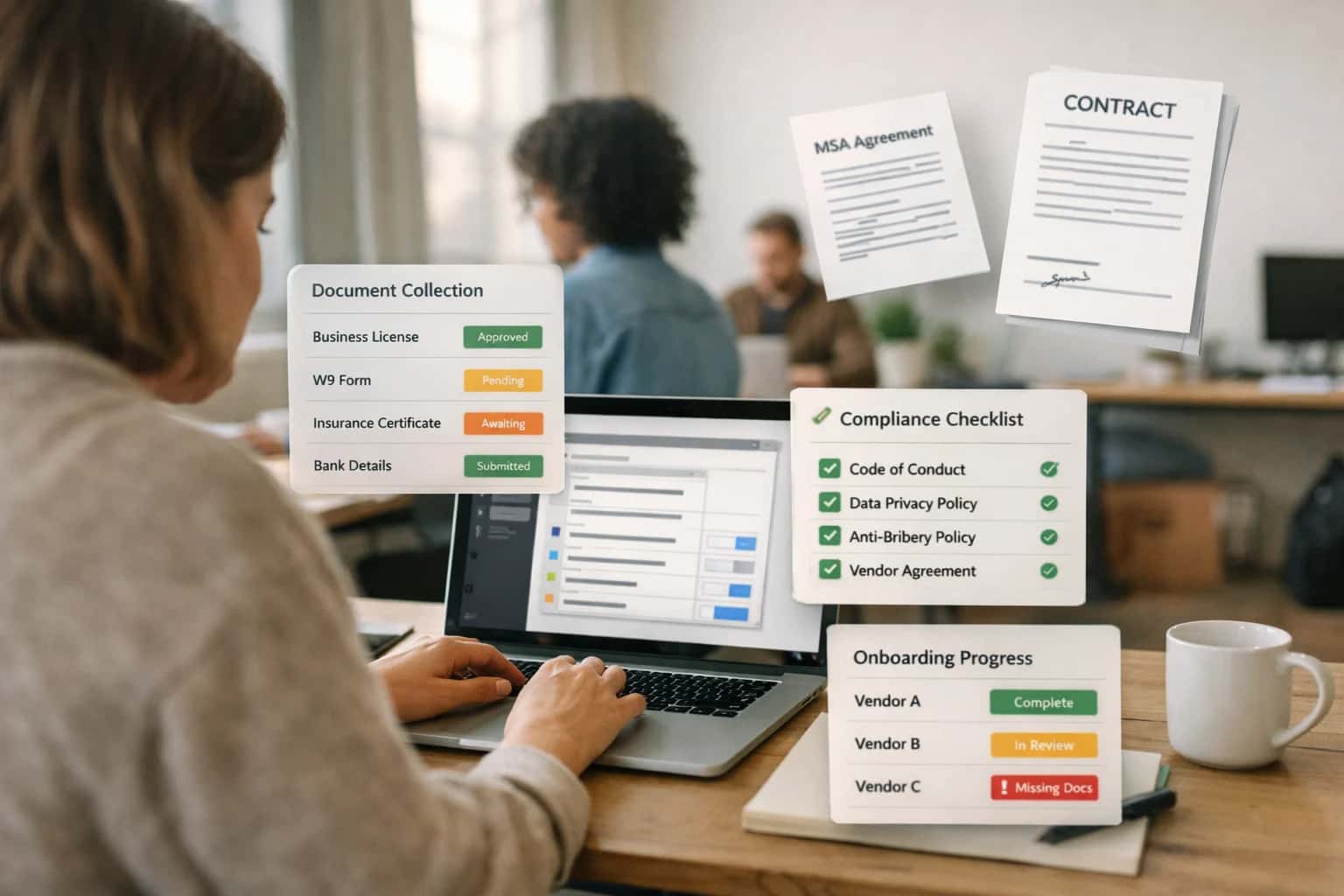
ARCHITECTURE FOR VENDOR DATA AND PURCHASE ORDER AUTOMATION
Where AI Fits into Salon Supplier Operations
A technical blueprint for integrating AI with vendor and inventory modules in platforms like Fresha, Zenoti, and Vagaro to automate supplier evaluation, reorder workflows, and cost negotiations.
High-value use cases include automated reorder negotiations and supplier performance scoring. For example, when stock for a top-selling retail product dips below a threshold, the AI can analyze historical order data, current supplier pricing catalogs (via integrated vendor portals or uploaded price sheets), and alternative supplier options from the platform's vendor list. It can then draft a PO with the optimal supplier or even generate a negotiation brief for the manager, suggesting volume-based discount requests. Another workflow involves the AI periodically scoring all active vendors based on platform data—delivery timeliness logged against POs, return rates from inventory adjustments, and cost variance—and surfacing a ranked supplier report.
Rollout requires a phased approach, starting with read-only integration to inventory and vendor modules to build performance models, followed by write access to the PO draft system for automated suggestions. Governance is critical; all AI-generated POs should route through a human-in-the-loop approval step within the platform's existing workflow, and an audit log should track every AI-initiated action. This integration doesn't replace your platform's core inventory features but augments them with predictive intelligence, turning reactive stock management into a proactive, data-driven operation. For a deeper look at connecting AI to inventory data, see our guide on AI for Inventory Management in Salon Software.
AI FOR SUPPLIER MANAGEMENT
Key Integration Surfaces in Salon Platforms
Core Data Hubs for Supplier Intelligence
The Vendor and Purchase Order (PO) modules within platforms like Zenoti, Vagaro, and Mangomint are the primary surfaces for AI integration. These modules contain structured records for supplier details, negotiated pricing, order history, and delivery performance.
An AI agent can be integrated via the platform's REST API to continuously analyze this data. Key integration points include:
- Vendor Object API: To retrieve supplier profiles, contact terms, and performance ratings.
- Purchase Order API: To fetch historical order volumes, frequencies, item-level costs, and on-time delivery metrics.
- Inventory Receiving Logs: To cross-reference POs with actual received quantities and conditions, identifying discrepancies.
By connecting here, AI can evaluate supplier reliability, flag cost outliers, and suggest renegotiation opportunities based on spend concentration and service-level agreement (SLA) adherence.
SALON AND SPA MANAGEMENT PLATFORMS
High-Value AI Use Cases for Supplier Management
Integrate AI with the vendor, purchase order, and inventory modules of platforms like Fresha, Zenoti, Mangomint, and Vagaro to automate supplier evaluation, optimize reorder workflows, and reduce procurement overhead.
01
Automated Purchase Order Generation
Connect AI to inventory-level triggers and sales velocity data from your salon software. The system analyzes usage patterns, predicts stock-outs for retail products or consumables (e.g., color, shampoo), and automatically drafts and routes purchase orders to approved suppliers via email or vendor portals.
Batch -> Real-time
Replenishment cycle
02
Supplier Performance Scoring
Build an AI agent that ingests data from purchase orders, delivery logs, and product return records within your platform. It scores suppliers on metrics like on-time delivery, defect rates, and price consistency, surfacing insights to inform negotiation and vendor selection in the supplier management module.
Quarterly -> Continuous
Evaluation frequency
03
Intelligent Reorder Negotiation
Deploy an AI copilot that uses historical order data and market benchmarks to suggest optimal order quantities and pricing. It can prepare negotiation briefs for buyers or, for routine items, automate communication with supplier APIs to secure pre-negotiated rates before PO submission.
Hours -> Minutes
Brief preparation
04
Alternative Supplier Suggestion
Implement a RAG-based system over your supplier catalog and product specifications. When a primary supplier is out of stock or raises prices, the AI cross-references attributes and suggests vetted alternatives from your platform's vendor list, accelerating the sourcing process.
1 sprint
Implementation timeline
05
Invoice-to-PO Matching & Discrepancy Flagging
Integrate AI with your platform's accounting feeds or connected QuickBooks/Xero sync. The agent matches supplier invoices against purchase orders and goods receipt data, automatically flagging quantity or price discrepancies for review, reducing manual reconciliation work for salon managers.
Same day
Discrepancy detection
06
Predictive Spend Analytics
Create a forecasting model using historical procurement data from your salon software. The AI predicts future spend by supplier category, identifies seasonal spikes for products like sunscreen or holiday gift sets, and provides budget alerts to prevent overspending.
Batch -> Real-time
Budget visibility
ARCHITECTURE BLUEPRINTS
Example AI-Powered Supplier Workflows
These workflows illustrate how AI agents can connect to the vendor, purchase order, and inventory modules within salon platforms like Fresha, Zenoti, Mangomint, and Vagaro to automate procurement, analyze performance, and optimize supplier relationships.
Trigger: Inventory levels for a top-selling retail product (e.g., shampoo) drop below a dynamic reorder point calculated by an AI forecast.
Workflow:
- The AI agent pulls the product's SKU, current supplier, last order cost, and contract terms from the platform's Product/Supplier module.
- It queries an internal database or external API for current market prices and alternative supplier catalogs.
- Using an LLM, the agent drafts a personalized negotiation email to the current supplier, referencing order history and market benchmarks to request a discount or better terms.
- The draft is sent to a human-in-the-loop approval queue in a tool like Slack or the platform's task manager.
- Upon manager approval, the agent sends the email via the salon's connected email system and logs the interaction.
- If the supplier responds via email, the agent summarizes the offer and updates the supplier record in the salon software with the new negotiated terms.
System Update: The supplier record is annotated with new pricing, and a purchase order is auto-generated if terms are accepted.
CONNECTING AI TO VENDOR AND PURCHASE ORDER DATA
Implementation Architecture: Data Flow and AI Layer
A practical blueprint for integrating AI into the supplier management workflows of salon and spa platforms.
The integration architecture connects to the supplier, product, and purchase order modules within your salon management platform (e.g., Fresha, Zenoti, Vagaro). The AI layer ingests data via platform APIs or webhooks, focusing on key objects: Supplier records (performance history, lead times), Product SKUs (cost, margin, stock levels), and PurchaseOrder transactions (quantities, dates, approval status). This creates a unified data pipeline where AI models can analyze supplier performance, predict stock-outs, and evaluate reorder timing based on real-time service booking and retail sales data.
In a typical workflow, the AI agent monitors low-stock triggers or scheduled review cycles. It then executes a multi-step process: 1) Analyzes alternative suppliers from the vendor database for cost, reliability, and sustainability scores. 2) Drafts a purchase order or negotiation brief with suggested terms. 3) Routes the draft via the platform's approval workflow to the relevant manager, logging all actions in an audit trail. This automation shifts reorder decisions from reactive, manual checks to a proactive, data-driven process, aiming to reduce carrying costs and prevent service disruptions from missing key products.
Rollout should start with a pilot on a single product category (e.g., hair color or retail skincare). Governance is critical: the AI's suggestions should remain as drafts requiring human approval, and its performance should be regularly evaluated against key metrics like order accuracy and cost savings. For enterprise chains, this architecture can be centralized, aggregating supplier data across multiple software instances to leverage collective buying power and standardized vendor scorecards.
AI INTEGRATION PATTERNS FOR SUPPLIER MANAGEMENT
Code and Payload Examples
Analyzing Vendor Data via API
To evaluate supplier performance, you need to extract key metrics from the salon platform's vendor and purchase order modules. This Python example fetches data for analysis, which an AI model can then score based on on-time delivery, defect rates, and price consistency.
pythonimport requests import pandas as pd # Example: Fetching vendor performance data from a salon platform API api_endpoint = "https://api.salonplatform.com/v1/vendors/{vendor_id}/orders" headers = {"Authorization": "Bearer YOUR_API_KEY"} params = { "start_date": "2024-01-01", "end_date": "2024-03-31", "include_line_items": "true" } response = requests.get(api_endpoint, headers=headers, params=params) orders_data = response.json() # Transform into a DataFrame for analysis df = pd.DataFrame(orders_data['orders']) # Calculate metrics: delivery delay, item return rate, cost variance metrics = { "avg_delivery_delay_days": df['actual_delivery_date'] - df['expected_delivery_date'], "return_rate": df['returned_quantity'] / df['ordered_quantity'], "cost_variance": (df['actual_unit_cost'] - df['quoted_unit_cost']) / df['quoted_unit_cost'] } # This structured data is sent to an AI scoring service
The AI service returns a composite score and flags for review, which can be written back to a custom vendor field via PATCH /vendors/{id}.
AI-POWERED SUPPLIER MANAGEMENT
Realistic Time Savings and Business Impact
This table illustrates the operational improvements when AI is integrated into the supplier and procurement modules of salon and spa management platforms like Fresha, Zenoti, and Vagaro.
| Workflow / Metric | Before AI Integration | After AI Integration | Implementation Notes |
|---|---|---|---|
Supplier Performance Review | Quarterly manual spreadsheet analysis | Monthly automated scorecards with alerts | AI aggregates purchase data, delivery times, and quality incidents from platform APIs |
Purchase Order Creation | Manual entry based on stock checks and gut feel | AI-generated draft POs with predicted need dates | Integrates with inventory APIs and sales forecasts; requires manager approval |
Reorder Negotiation | Email/phone haggling with key suppliers | AI suggests optimal order quantities and price points for negotiation | Uses historical pricing and consumption data; human finalizes deal |
New Vendor Evaluation | Manual web search and reference calls | AI-assisted market scan and initial compliance screening | Scrapes public data and cross-references against platform product catalogs |
Spend Categorization & Analysis | Monthly manual coding in accounting software | Real-time, automated categorization of platform transactions | AI maps vendor invoices to GL codes; syncs via integration to QuickBooks/Xero |
Contract & SLA Compliance Tracking | Ad-hoc checks when issues arise | Automated monitoring of delivery SLAs and payment terms | AI parses contract documents and monitors platform delivery logs for deviations |
Alternative Supplier Sourcing | Reactive search during stockouts or price hikes | Proactive recommendations during regular planning cycles | AI analyzes market trends and platform product performance to suggest substitutes |
ARCHITECTING CONTROLLED AI FOR SUPPLIER OPERATIONS
Governance, Security, and Phased Rollout
A practical framework for deploying AI-driven supplier management with proper controls, data security, and incremental value delivery.
Integrating AI with supplier and purchase order data in platforms like Zenoti, Fresha, or Vagaro requires a clear data governance model. The AI system should operate as a read-only analytics layer, accessing Vendor, Purchase Order, Product, and Inventory Receipt objects via secure API calls. All AI-generated suggestions—such as supplier performance scores or reorder recommendations—must be written to a dedicated AI Recommendation custom object or an external audit log before any action is taken. This creates a clear separation between AI analysis and system-of-record transactions, enabling mandatory human review and approval workflows before a purchase order is auto-generated or a primary supplier is changed.
A phased rollout is critical for adoption and risk management. Start with a Phase 1: Insight Generation pilot, where the AI analyzes historical supplier data (on-time delivery rates, cost variance, quality incident rates) to produce a weekly supplier scorecard report, with no automated actions. This builds trust in the data. Phase 2: Assisted Procurement introduces AI-driven reorder suggestions into the existing manual purchase order workflow within the salon software, requiring a manager to review and click 'Create PO'. Finally, Phase 3: Conditional Automation enables rules-based auto-PO generation for low-risk, high-frequency consumables (e.g., cotton pads, disposable capes) only when the AI's confidence score exceeds a defined threshold and the suggested supplier is the incumbent.
Security is paramount when connecting AI models to financial and operational data. Implement role-based access control (RBAC) so that AI-generated insights and actions are only visible to users with Inventory Manager or Owner permissions. All API traffic between the AI service and the salon platform must be encrypted, and vendor performance data used for model training should be anonymized at the supplier level where possible. Establish a regular review cadence to audit the AI's recommendations against actual outcomes (e.g., did switching a paper goods supplier based on AI advice reduce costs without causing stock-outs?), allowing for continuous model refinement and policy updates. This controlled, iterative approach ensures the integration drives efficiency without disrupting the delicate supply chain of a salon or spa.
Enabling Efficiency, Speed & Accuracy
Intelligent Analysis, Decision & Execution
We build AI systems for teams that need search across company data, workflow automation across tools, or AI features inside products and internal software.
Talk to Us
Search across company data
Give teams answers from docs, tickets, runbooks, and product data with sources and permissions.
Useful when people spend too long searching or get different answers from different systems.
Enterprise searchRAGPermissions
Read more
Automate internal workflows
Use AI to route work, draft outputs, trigger actions, and keep approvals and logs in place.
Useful when repetitive work moves across multiple tools and teams.
AI agentsWorkflow automationGovernance
Read more
Add AI to products and internal tools
Build assistants, guided actions, or decision support into the software your team or customers already use.
Useful when AI needs to be part of the product, not a separate tool.
AI integrationDecision supportModel routing
Read moreAI FOR SUPPLIER MANAGEMENT
Frequently Asked Questions
Practical questions about integrating AI with vendor, purchase order, and inventory data within your salon or spa management platform to automate procurement workflows and improve supplier performance.
AI integration connects via the platform's REST API to read and write data to key objects. The typical data flow involves:
- Authentication: Using OAuth or API keys to securely access the platform's data.
- Data Ingestion: Pulling supplier performance data from:
PurchaseOrderandPurchaseOrderLineItemobjects for cost, delivery timeliness, and quantity accuracy.ProductandInventoryobjects for stock levels, turnover rates, and waste metrics.Vendorobjects for contact info, contract terms, and payment history.
- AI Processing: An external AI service (like an Inference Systems agent) analyzes this data to generate insights.
- Action & Update: The AI can trigger actions back in the platform via API, such as:
- Creating a draft
PurchaseOrderwith suggested quantities. - Updating a
Vendorrecord with a performance score. - Posting a note or alert for the inventory manager.
- Creating a draft
This keeps the core platform as the system of record while the AI acts as an intelligent orchestration layer.

About the author
Prasad Kumkar
CEO & MD, Inference Systems
Prasad Kumkar is the CEO & MD of Inference Systems and writes about AI systems architecture, LLM infrastructure, model serving, evaluation, and production deployment. Over 5+ years, he has worked across computer vision models, L5 autonomous vehicle systems, and LLM research, with a focus on taking complex AI ideas into real-world engineering systems.
His work and writing cover AI systems, large language models, AI agents, multimodal systems, autonomous systems, inference optimization, RAG, evaluation, and production AI engineering.
LinkedIn
Limited slotsGet a Free AI Consultation
Partnered with leading AI, data, and software stack.





How We Work
Custom AI workflows for your Business
One-fit-all AI don't work for modern businesses. At Inferensys, we aim to understand your business & custom requirements; which we use to define most efficient agentic workflows, the data, and the tools for your business.
01
Review the use case
We understand the task, the users, and where AI can actually help.
Read more02
Pick the right approach
We define what needs search, automation, or product integration.
Read more03
Build the first useful version
We implement the part that proves the value first.
Read more04
Improve from there
We add the checks and visibility needed to keep it useful.
Read moreThe first call is a practical review of your use case and the right next step.
Talk to Us