In platforms like Mangomint, Zenoti, and Vagaro, consent forms are typically attached to client profiles or specific service categories. AI integration connects at three key points: 1) The client intake API, where a new profile or booking triggers a form request. 2) The document storage layer (e.g., cloud file storage linked to the client record), where completed PDFs are stored. 3) The front-desk dashboard or check-in kiosk, where staff manage pending documents. An AI agent listens for these events, retrieves relevant client data (past services, allergies, preferences), and pre-populates known fields in the digital form, reducing manual entry by 80-90% for returning clients.

Integration
AI for Consent Form Automation
A technical blueprint for integrating AI to automate client consent form pre-filling and compliance tracking within salon and spa management platforms, reducing front-desk administrative work by 70-80%.
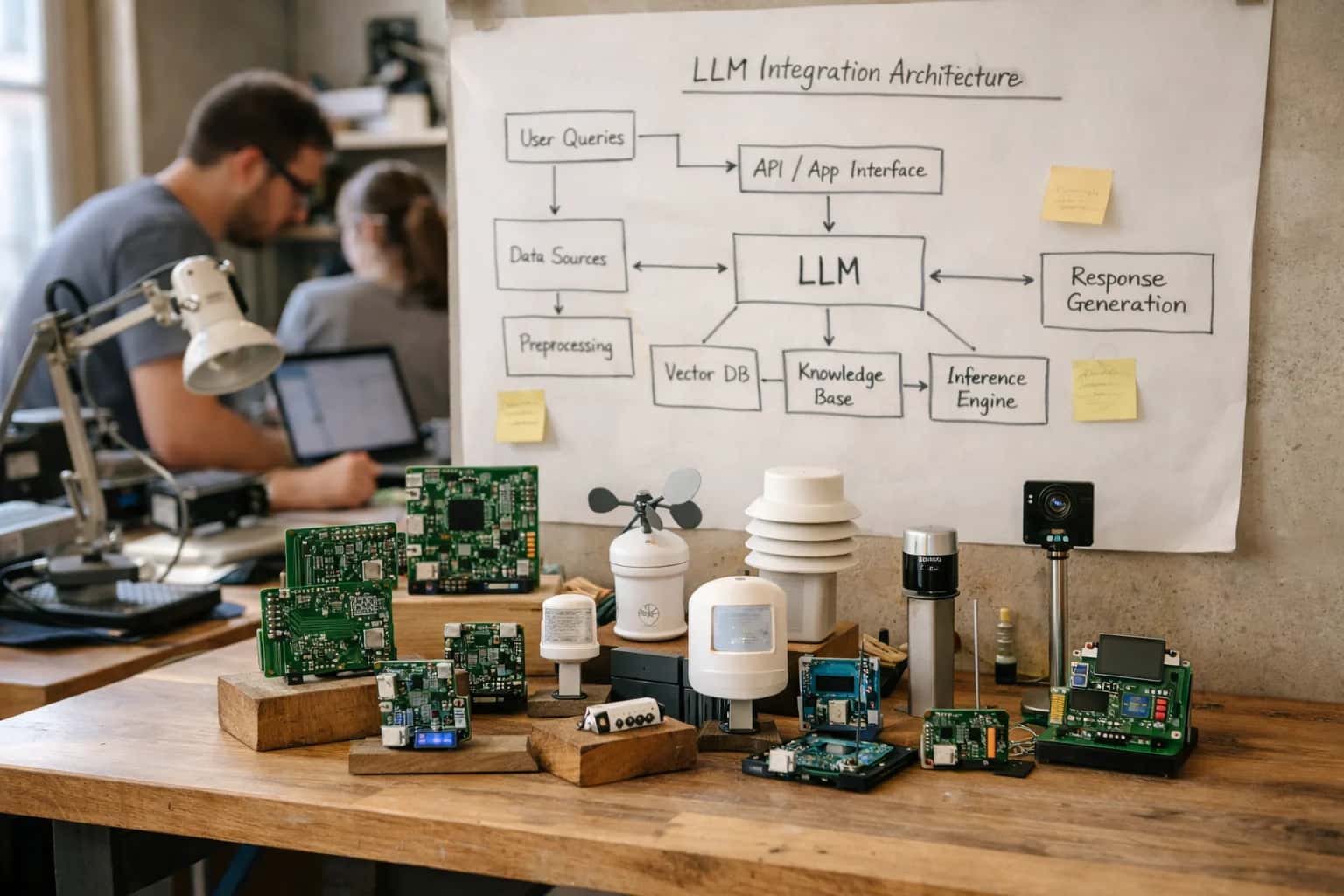
ARCHITECTURE FOR MANGOMINT, ZENOTI, AND VAGARO
Where AI Fits into Consent Form Workflows
A technical blueprint for integrating AI to automate consent form pre-filling, validation, and lifecycle management within salon and spa management platforms.
For workflow automation, AI performs two core validations. First, it flags missing or contradictory information by comparing form answers against the client's historical profile data in the platform. For example, if a new form indicates 'no allergies' but a past service note mentions a sensitivity, the AI highlights this for staff review. Second, it manages expiration dates, scanning stored forms for renewal triggers based on regulatory periods (e.g., every 12 months for certain treatments) and automatically queuing re-consent tasks in the staff workflow. This is implemented via scheduled jobs that query the platform's database or use webhooks to push alerts to the operations queue.
Rollout requires a phased approach, starting with non-clinical forms (e.g., photo release, policy acknowledgment) before handling medical-grade consents. Governance is critical: all AI-suggested pre-fills must be presented as drafts requiring staff verification before submission. The integration should maintain a full audit log, linking the AI's actions to the staff member who approved them, ensuring compliance. For a production setup, we recommend a dedicated microservice that interfaces with the platform's REST API for data retrieval and uses a headless browser or PDF library for form manipulation, ensuring the AI layer is decoupled from the core software for easier maintenance and updates. Explore our related guide on AI for Client Health History Analysis for connecting this to treatment safety workflows.
AI FOR CONSENT FORM AUTOMATION
Integration Surfaces in Salon & Spa Platforms
Pre-fill from Structured Client Data
Consent forms require accurate client details, service history, and known allergies. AI integration connects to the platform's client profile API (e.g., /clients/{id}) and visit history endpoint to retrieve structured data for auto-population.
Key Data Points:
- Personal details (name, DOB, contact)
- Past services and associated consent flags
- Stored allergy and medication information
- Previous consent form signatures and expiration dates
A pre-fill service calls these endpoints, uses an LLM to map fields to the form template, and injects known values, reducing manual data entry by up to 80% for returning clients. This integration typically sits as a middleware layer between the front-end form and the platform's core REST API.
SALON & SPA MANAGEMENT
High-Value AI Use Cases for Consent Forms
Integrate AI with platforms like Mangomint and Zenoti to automate consent form workflows, reduce front-desk administrative load, and enhance client safety and compliance.
01
Intelligent Form Pre-Filling
AI analyzes a client's existing profile, service history, and past consent documents within the management platform to auto-populate known fields (name, contact, known allergies) on new forms. This reduces manual data entry at check-in and minimizes errors.
Minutes -> Seconds
Check-in acceleration
02
Expiration & Compliance Flagging
An AI agent continuously monitors the consent document library via platform APIs, flagging forms that are nearing expiration, are incomplete, or lack required signatures. It alerts front-desk staff via the software's dashboard or internal notifications for proactive renewal.
Batch -> Real-time
Compliance monitoring
03
Risk-Based Review Prioritization
For medical spas or advanced treatment centers, AI scores new consent forms based on service type (e.g., chemical peel vs. haircut) and client health history. High-risk forms are prioritized for manager review within the platform's workflow, ensuring critical safety protocols are followed.
Proactive Safety
Risk mitigation
04
Automated Digital Intake Workflows
Trigger AI-driven, personalized digital intake packets. When a client books a specific service (e.g., laser hair removal), the system automatically assembles and sends the relevant consent forms, aftercare documents, and pre-care instructions via email or client portal before their appointment.
1 sprint
Typical implementation
05
Consolidated Client Health Profile
AI extracts key data points (allergies, medications, past reactions) from scattered consent PDFs and notes stored in the platform, building a unified, searchable health summary attached to the client profile. This provides technicians instant, safe access to critical information.
Centralized View
Informed service delivery
06
Audit Trail & Version Control
Integrate AI to automatically log all consent interactions—generation, signing, updates—creating a clear audit trail within the platform's activity logs. AI can also manage document versioning, ensuring the latest approved form is always presented to clients.
Simplified Audits
Regulatory readiness
IMPLEMENTATION PATTERNS
Example AI-Powered Consent Form Workflows
These workflows illustrate how AI can be integrated with salon and spa management platforms to automate consent form handling, reducing front-desk administrative load and improving compliance.
Trigger: A new client books a service requiring a consent form (e.g., chemical treatment, medical aesthetic procedure) via the platform's booking API.
Workflow:
- The AI agent receives a webhook with the new appointment details (client name, email, phone, service ID).
- It queries the platform's client API to check for an existing profile. If none exists, it creates a placeholder.
- Using the service ID, the agent retrieves the specific consent form template and its required fields from the platform's document library.
- The agent cross-references the client's provided information (name, DOB from profile if available) and, if the platform is connected to a broader CRM, pulls known allergies or medical conditions from a linked health history module.
- It pre-fills the digital consent form with known data (name, date, service) and highlights fields requiring client input (e.g., signature, specific medical questions).
- A personalized SMS or email with a secure link to the pre-filled form is automatically sent via the platform's communication API, timed to arrive before the appointment.
System Update: The platform's appointment record is updated with a "Consent Pending - Link Sent" status, visible to front-desk staff.
AUTOMATED DOCUMENT WORKFLOWS
Implementation Architecture & Data Flow
A practical blueprint for integrating AI to automate consent form pre-filling and compliance tracking within salon and spa management platforms.
The integration connects to the client profile and service history modules of platforms like Mangomint or Zenoti. When a new appointment is booked or a client checks in, the system triggers an AI agent via a secure webhook. This agent retrieves key data points: client name, contact details, date of birth, known allergies, recent services (e.g., chemical treatments), and the expiration dates of previously signed forms. Using a pre-configured prompt template, the AI generates a draft consent form, pre-populating all static and known variable fields, leaving only new procedure-specific sections or signatures blank. This draft is then pushed back into the platform, typically attached to the client's record or the specific appointment, ready for front-desk review and final client signing.
For ongoing compliance, a separate scheduled workflow runs nightly. It queries the platform's document management or client files API for all active clients, scanning for missing consent forms or documents nearing their expiry (e.g., annual liability waivers). The AI flags these gaps, and the system automatically generates tasks in the platform's task manager for front-desk staff or sends alerts via the internal comms module. For medical spas, the AI can be further trained to cross-reference scheduled services with consent requirements, ensuring a client signing a form for 'microneedling' also has an active 'photograph release' on file.
Rollout is typically phased: start with pre-filling for new clients in a single location, then expand to recurring client updates, and finally activate the compliance monitoring system. Governance is critical; all AI-generated content should be clearly marked as a draft, with a human-in-the-loop (the front-desk agent) required for final verification before presenting to the client. Audit logs should track which fields were auto-filled, the model version used, and the staff member who approved the form. This architecture reduces manual data entry by 70-80% for repeat clients and turns compliance from a reactive, manual hunt into a proactive, automated checklist.
CONSENT FORM AUTOMATION
Code & Payload Examples
Pre-filling from Client History
When a new consent form is initiated for a returning client, an AI agent can query the salon platform's API to retrieve structured profile data and unstructured service notes. This automates the population of fields like client name, contact details, known allergies, and previous treatment reactions.
Example API Payload for Retrieval:
json{ "client_id": "CLIENT_789", "requested_fields": [ "full_name", "date_of_birth", "contact_phone", "allergies", "last_10_service_notes" ] }
The AI parses the service notes to extract mentions of sensitivities (e.g., "client reported mild redness after peel") and suggests pre-filling relevant consent disclosures. This reduces front-desk data entry by 70-80% for repeat clients and minimizes errors from manual transcription.
AI FOR CONSENT FORM AUTOMATION
Realistic Time Savings & Operational Impact
How AI integration transforms manual consent form processes in platforms like Mangomint, from data entry to compliance tracking.
| Workflow Stage | Before AI | After AI | Key Notes |
|---|---|---|---|
Form Pre-filling for New Clients | Manual data entry from intake notes (5-10 mins/client) | AI auto-populates from profile & history (<1 min) | Leverages existing client data in Mangomint; staff reviews for accuracy |
Consent Renewal Identification | Manual calendar review or client complaint (15-30 mins/day) | AI flags expired/upcoming forms automatically (Real-time alert) | Scans client records and service dates; integrates with dashboard alerts |
Missing Document Chase | Front desk calls/emails clients ad-hoc (Variable, often missed) | AI-triggered SMS/email sequences (Automated workflow) | Uses platform comms APIs; reduces front-desk cognitive load |
Form Review & Compliance Check | Staff visually scan for completeness & signatures | AI highlights incomplete fields & signature mismatches | Adds a QA layer before filing; reduces liability risk |
Client Onboarding Time | 20-30 minutes including form handling | 10-15 minutes with pre-filled drafts | Improves first-impression and reduces front-desk bottleneck |
Audit & Reporting Preparation | Manual compilation for inspections (2-4 hours/audit) | AI-generated compliance reports on-demand (Minutes) | Exports structured data from Mangomint; ready for regulator review |
Staff Training on Form Updates | Scheduled meetings & memo distribution (Weeks to disseminate) | AI-powered knowledge agent answers staff questions (Immediate) | Integrates with internal wiki; reduces manager support tickets |
IMPLEMENTING AI IN REGULATED CLIENT ENVIRONMENTS
Governance, Security & Phased Rollout
A practical framework for deploying AI-driven consent form automation in salon and spa management platforms with appropriate controls and a low-risk rollout.
Integrating AI for consent form pre-fill and tracking directly touches protected client health and personal data within platforms like Mangomint or Zenoti. The architecture must be designed around the platform's existing client profile, service history, and document storage modules. AI agents should operate as a middleware layer, calling the platform's REST APIs to retrieve structured data (e.g., client name, date of birth, past treatments) to populate form fields, and to write back status flags (e.g., consent_expired, signature_missing) to a custom object or a dedicated field on the client record. All data flows should be encrypted in transit, and AI model calls should be logged with client ID and timestamp for a full audit trail.
A phased rollout is critical for adoption and risk management. Phase 1 (Pilot): Enable AI pre-fill for a single, low-risk consent form type (e.g., a general liability waiver) in one location. The AI suggests fields, but a staff member must review and submit. Phase 2 (Expansion): Roll out to all locations for that form type, and add logic to flag expired documents based on the platform's service_date fields, triggering automated front-desk alerts. Phase 3 (Advanced): Integrate with the platform's communication APIs to send secure, pre-filled digital consent forms to clients via email or SMS before their appointment, using AI to match the form to the booked service.
Governance is built into the workflow. The system should never auto-sign. A human-in-the-loop is required for final submission. Access to the AI tool's admin panel should be controlled via the salon platform's existing Role-Based Access Control (RBAC)—for example, only managers can adjust the field mapping rules. Regular audits should compare AI-pre-filled data against a sample of manually entered forms to monitor accuracy and drift. This approach ensures the integration enhances compliance and efficiency without introducing new liability, turning a manual, error-prone administrative task into a streamlined, auditable operation.
Enabling Efficiency, Speed & Accuracy
Intelligent Analysis, Decision & Execution
We build AI systems for teams that need search across company data, workflow automation across tools, or AI features inside products and internal software.
Talk to Us
Search across company data
Give teams answers from docs, tickets, runbooks, and product data with sources and permissions.
Useful when people spend too long searching or get different answers from different systems.
Enterprise searchRAGPermissions
Read more
Automate internal workflows
Use AI to route work, draft outputs, trigger actions, and keep approvals and logs in place.
Useful when repetitive work moves across multiple tools and teams.
AI agentsWorkflow automationGovernance
Read more
Add AI to products and internal tools
Build assistants, guided actions, or decision support into the software your team or customers already use.
Useful when AI needs to be part of the product, not a separate tool.
AI integrationDecision supportModel routing
Read moreCONSENT FORM AUTOMATION
Frequently Asked Questions
Common technical and operational questions about integrating AI to streamline consent form workflows in salon and spa management platforms.
The integration follows a secure, event-driven pattern:
- Trigger: A new appointment is booked for a service requiring a consent form (e.g., chemical treatment, medical aesthetic procedure). The platform (e.g., Mangomint) sends a webhook to the AI service.
- Context Retrieval: The AI service calls the platform's API using a secure service account to fetch:
- The client's profile (name, contact info, date of birth).
- Relevant service history (past treatments, allergies, previous consent forms).
- The specific service details and associated consent template.
- AI Action: A language model processes the retrieved data to populate the template's fields:
- Static Fields: Name, date, service name are copied directly.
- Inferred Fields: Based on history, it can pre-check boxes (e.g., "No known allergies to PPD" if past color services were fine) or add notes (e.g., "Client reported sensitive scalp during last highlight on MM/DD/YYYY").
- System Update: The populated draft form is posted back to the platform via API, attached to the client's profile and the upcoming appointment, flagged as a "draft for review."
- Human Review: The front-desk staff or service provider is notified to review the AI-populated form for accuracy before the client arrives, ensuring a final human-in-the-loop check.

About the author
Prasad Kumkar
CEO & MD, Inference Systems
Prasad Kumkar is the CEO & MD of Inference Systems and writes about AI systems architecture, LLM infrastructure, model serving, evaluation, and production deployment. Over 5+ years, he has worked across computer vision models, L5 autonomous vehicle systems, and LLM research, with a focus on taking complex AI ideas into real-world engineering systems.
His work and writing cover AI systems, large language models, AI agents, multimodal systems, autonomous systems, inference optimization, RAG, evaluation, and production AI engineering.
LinkedIn
Limited slotsGet a Free AI Consultation
Partnered with leading AI, data, and software stack.





How We Work
Custom AI workflows for your Business
One-fit-all AI don't work for modern businesses. At Inferensys, we aim to understand your business & custom requirements; which we use to define most efficient agentic workflows, the data, and the tools for your business.
01
Review the use case
We understand the task, the users, and where AI can actually help.
Read more02
Pick the right approach
We define what needs search, automation, or product integration.
Read more03
Build the first useful version
We implement the part that proves the value first.
Read more04
Improve from there
We add the checks and visibility needed to keep it useful.
Read moreThe first call is a practical review of your use case and the right next step.
Talk to Us