In a boutique spa, AI should act as an invisible concierge and operations coordinator, not a replacement for human touch. The integration surface is primarily Mangomint's Client Profiles, Appointment Calendar, Service Menu, and Communications Hub. AI connects here to automate pre- and post-service touchpoints, intelligently manage the appointment book, and provide staff with context-aware support, all while enriching the single source of truth within the management platform.

Integration
AI for Boutique Spa Management
A technical blueprint for integrating AI into high-touch boutique spa platforms like Mangomint. Focus on personalized client journeys, intimate staff coordination, and premium service automation without disrupting the curated guest experience.
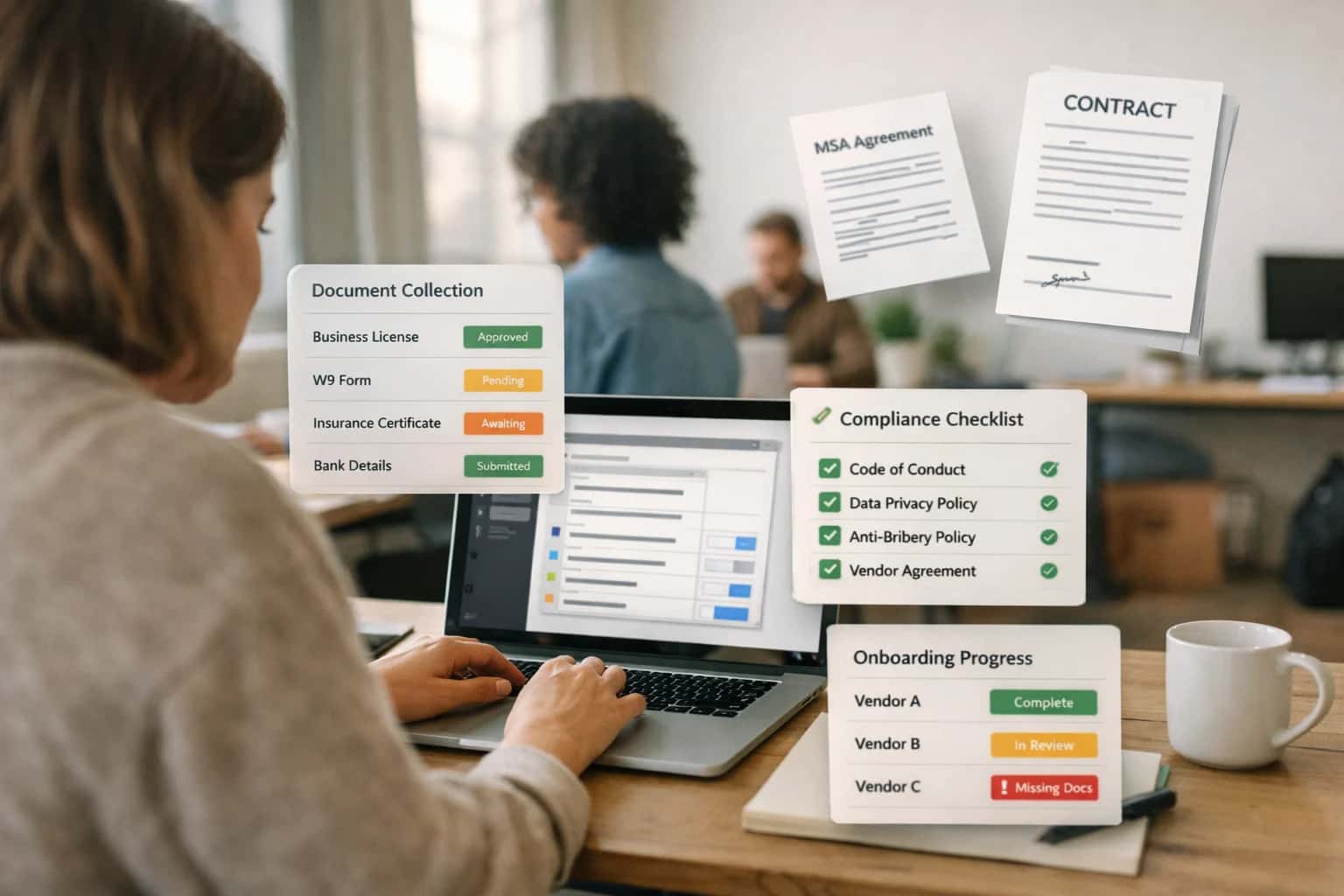
ARCHITECTURE FOR HIGH-TOUCH, HIGH-VALUE OPERATIONS
Where AI Fits in the Boutique Spa Experience
Integrating AI into platforms like Mangomint requires a nuanced approach that preserves the premium, personal client journey while automating the operational friction.
Implementation focuses on three layered workflows: 1) Personalized Journey Orchestration, where an AI agent uses client preference tags, past service notes, and purchase history to tailor confirmation messages, pre-appointment intake forms, and post-care follow-ups. 2) Intimate Staff Coordination, where AI analyzes real-time calendar density, therapist specialties, and room setups to suggest optimal booking adjustments and flag potential double-books or resource conflicts via Slack or in-app alerts. 3) Premium Service Automation, handling tasks like drafting personalized treatment plan summaries based on therapist notes, or triggering replenishment orders for high-end retail products when client purchase patterns indicate a need.
Rollout is phased and governed. Start with a read-only integration to Mangomint's reporting API, building AI models for cancellation prediction and ideal booking duration without touching production data. The next phase introduces controlled writes—such as automated SMS confirmations—via webhooks, with a human-in-the-loop approval step for all outbound client communications initially. Governance is critical: all AI-generated client interactions must be tagged in Mangomint's communication logs, and any data used for personalization must respect the client consent flags stored in their profile. The goal is to make the spa team more present and informed, not to insert a generic chatbot between them and their guests.
WHERE AI CONNECTS TO THE CLIENT JOURNEY
Key Integration Surfaces in Boutique Spa Platforms
The Foundation for Personalization
The client profile module is the core data layer for AI-driven personalization in boutique spas. This surface includes structured fields (contact info, preferences, allergies) and unstructured data (treatment notes, therapist observations, service feedback).
AI Integration Points:
- Enrichment: Use AI to parse intake forms and past service notes, extracting key preferences (pressure preference, room temperature, music choice) to auto-populate profile fields.
- Health & Safety: For medical or advanced aesthetic spas, integrate AI to cross-reference client health history with upcoming service menus, flagging potential contraindications before the appointment.
- Journey Analysis: Connect AI models to the complete visit history to identify patterns and predict future service needs, powering hyper-personalized recommendations.
This data feeds every other AI workflow, making it the critical first surface to integrate for a cohesive, intelligent client experience.
INTEGRATION PATTERNS FOR MANGOMINT AND PREMIUM PLATFORMS
High-Value AI Use Cases for Boutique Spas
For high-touch, boutique spas, AI integration should enhance the intimate client experience, not disrupt it. These patterns connect AI to specific modules and workflows within platforms like Mangomint to automate operational friction and enable hyper-personalization at scale.
01
Intelligent Waitlist & Cancellation Fill
Integrates with the appointment calendar API to monitor real-time cancellations. An AI model scores each booking for no-show risk and, upon a cancellation, instantly matches waitlisted clients based on service preferences, therapist history, and urgency. Automatically triggers SMS/email invites via the platform's comms webhook, turning empty slots into same-day revenue.
Fill slots in <5 min
Typical change
02
Hyper-Personalized Treatment Journeys
Uses a RAG (Retrieval-Augmented Generation) pattern connected to the client profile module (notes, past services, product purchases) and the service menu. An AI agent acts as a concierge, suggesting sequenced treatments (e.g., "After your CBD massage, consider a hydrating facial next month") via post-appointment emails or in-app messages, driving repeat bookings and higher lifetime value.
1:1 at scale
Engagement model
03
Front-Desk Voice & Chat Copilot
Deploys an AI agent integrated with the platform's real-time availability API and client lookup endpoints. Handles inbound phone calls and website chats to answer FAQs, check appointment times, and even book simple services using natural language. Reduces front-desk load during peak hours and provides 24/7 basic support. Learn more about front-desk automation in our guide on AI Front-Desk Assistant for Salons.
~40% call deflection
Realistic impact
04
Therapist Schedule & Skill Optimization
Connects to employee records, service history, and booking data. AI analyzes demand patterns for specific services (e.g., hot stone vs. Swedish massage) and cross-references therapist certifications and client ratings. Recommends optimal weekly schedules, identifies cross-training opportunities, and suggests shift swaps to managers via the team management API, maximizing utilization and client satisfaction.
Hours -> Minutes
Schedule planning
05
Consent & Intake Form Automation
For medical spas and treatment-focused boutiques. Integrates with the client documents module. AI pre-fills new intake and consent forms by extracting data from existing profiles and past forms. Flags missing information, expired documents, or potential contraindications based on service booked (e.g., chemical peel), streamlining compliance and enhancing client safety before they arrive.
Same-day readiness
Client onboarding
06
Context-Aware Retail Recommendations
Links AI to the point-of-sale (POS) transaction log and inventory levels. At checkout, the system analyzes the just-completed service and the client's purchase history to suggest 1-2 highly relevant retail products (e.g., the serum used in their facial). Generates a personalized explanation for the front desk to share, increasing average ticket size and product adoption.
Batch -> Real-time
Recommendation trigger
IMPLEMENTATION PATTERNS
Example AI-Powered Workflows for Boutique Spas
For boutique spas using platforms like Mangomint, AI integration focuses on elevating the high-touch client experience while automating behind-the-scenes operations. Below are concrete workflow patterns that connect AI agents to your spa management software's APIs and data.
Trigger: A client cancels an appointment within 24-48 hours via the spa software's booking API webhook.
AI Agent Action:
- The AI agent receives the cancellation event and immediately queries the platform's API for:
- The specific service duration and required therapist skill.
- The current waitlist for that service/time period.
- It scores waitlist clients based on:
- Proximity to the spa (if location data is available).
- Historical responsiveness to short-notice offers.
- Service preferences and past spending.
- The agent drafts and sends a personalized SMS/email via the platform's comms API to the top-scored client:
"Hi [Name], we've had a last-minute opening for your preferred [Service] with [Therapist] today at [Time]. Would you like to claim it? Reply YES within 10 minutes."
System Update: If the client replies "YES," the AI agent uses the booking API to confirm the appointment, update the calendar, and remove them from the waitlist—all without front-desk intervention.
Human Review Point: The agent flags any client who has canceled multiple times in a short period for manager review, potentially triggering a policy outreach.
A BOUTIQUE-FIRST APPROACH
Implementation Architecture: Data Flow and System Design
A technical blueprint for integrating AI into high-touch boutique spa operations, focusing on data flow, system design, and controlled rollout.
For a boutique spa using a platform like Mangomint, the AI integration architecture is designed to be minimally invasive, enhancing rather than disrupting the intimate client experience. The core data flow connects to three primary surfaces via API: the Client Profile & History object for personalization, the Real-Time Calendar & Resource API for scheduling intelligence, and the Service & Package Catalog for recommendations. An AI orchestration layer acts as a middleware, subscribing to webhooks for events like new bookings, completed services, and client profile updates. This layer processes data to power specific workflows—such as generating a personalized pre-appointment email based on past preferences or dynamically suggesting a waitlist client for a last-minute cancellation—before returning actionable commands (e.g., send_message, update_waitlist) back to the spa management platform.
High-value implementation patterns for boutiques include a RAG-based Service Recommender that grounds suggestions in the spa's unique service menu and client notes, and a Quiet-Hour Front Desk Agent that handles after-hours inquiries by accessing read-only calendar availability. Impact is measured in operational subtlety: reducing front-desk cognitive load during peak hours, converting waitlist opportunities from hours to minutes, and enabling therapists to receive brief, AI-summarized client preference notes before each appointment. The system design prioritizes data privacy by default, ensuring sensitive client notes and preferences are processed in-memory or within a secure VPC, with all AI-generated client communications requiring a human-in-the-loop approval step before the first send.
Rollout is phased, starting with a single pilot workflow like automated, personalized confirmation sequences for a specific service category. Governance is managed through the spa platform's existing role-based access controls (RBAC), ensuring only managers can modify AI behavior or review audit logs of automated actions. The final architecture is credible because it treats the spa management platform as the system of record, using its native APIs and extension points to embed intelligence where it directly supports the boutique's premium service model without adding complexity for staff or clients. For related enterprise-scale patterns, see our guide on AI Integration for Multi-Location Salon Management.
AI INTEGRATION PATTERNS FOR MANGOMINT
Code and Payload Examples
Enriching Client Profiles with AI
Boutique spas thrive on personalization. This integration uses Mangomint's GET /clients/{id} and PATCH /clients/{id} endpoints to enrich client profiles with AI-generated insights before appointments.
Typical Workflow:
- A webhook triggers 24 hours before an appointment.
- The system fetches the client's visit history, notes, and preferences.
- An AI model analyzes this data to generate a brief pre-appointment summary for the therapist.
python# Example: Fetch client data and call AI service import requests # Get client data from Mangomint client_id = "CLIENT_123" mangomint_api_key = "YOUR_API_KEY" client_response = requests.get( f"https://api.mangomint.com/v1/clients/{client_id}", headers={"Authorization": f"Bearer {mangomint_api_key}"} ) client_data = client_response.json() # Prepare context for AI context = { "last_visit": client_data.get('lastVisitDate'), "service_history": [s['name'] for s in client_data.get('services', [])], "therapist_notes": client_data.get('notes', '') } # Call Inference Systems' enrichment endpoint ai_summary = requests.post( "https://api.inferencesystems.com/v1/enrich/client-summary", json={"client_context": context}, headers={"X-API-Key": "YOUR_IS_KEY"} ).json() # Update client profile with AI summary update_payload = { "customFields": { "ai_prep_summary": ai_summary.get('summary') } } requests.patch( f"https://api.mangomint.com/v1/clients/{client_id}", json=update_payload, headers={"Authorization": f"Bearer {mangomint_api_key}"} )
This pattern ensures therapists are briefed on client preferences and history, enabling a high-touch, personalized experience from the moment the client arrives.
FOR BOUTIQUE SPAS USING MANGOMINT
Realistic Time Savings and Operational Impact
This table illustrates the tangible operational improvements and time savings a boutique spa can achieve by integrating AI with its core management platform, focusing on high-touch workflows.
| Workflow / Metric | Before AI | After AI | Implementation Notes |
|---|---|---|---|
Personalized client welcome & intake | Manual profile review before appointment | AI pre-fills forms & flags preferences | Uses client history via API; staff reviews for accuracy |
Appointment confirmation & reminder cadence | Generic 48hr & 24hr SMS blasts | Dynamic, preference-based sequences | AI selects channel/timing; reduces perceived spam |
Waitlist management for premium services | Manual calls when a slot opens | AI predicts cancellations & auto-fills | Triggers via calendar webhook; requires client opt-in |
Therapist-client matching for new bookings | Front desk intuition or rotation | AI suggests matches based on specialty & history | Integrates with service menu & staff profiles; final human approval |
Post-service follow-up & review solicitation | Batch email day after service | Personalized message with treatment details | AI drafts using service notes; sends at optimal time |
Retail product recommendation at checkout | Staff memory or generic bestsellers | AI suggests based on service & past purchases | Pulls from POS transaction history & inventory levels |
Weekly revenue & demand forecasting | Manual spreadsheet based on last year | AI-driven forecast with anomaly detection | Connects to reporting API; highlights variances for owner review |
PRIVACY-FIRST AI FOR HIGH-TOUCH CLIENTELE
Governance, Security, and Phased Rollout
Deploying AI in a boutique spa requires a deliberate approach that protects client trust, secures sensitive data, and integrates seamlessly into intimate service workflows.
For platforms like Mangomint, governance starts with data access controls. An AI agent should operate with a scoped service account, accessing only the client fields necessary for its function—such as appointment history, service preferences, and communication consent flags—via the platform's API. All interactions, like generating a personalized check-in message or a treatment suggestion, should be logged to an audit trail linked to the client record for full transparency. This ensures the AI acts as a supportive extension of your team, not an opaque black box.
Security is paramount with health notes, payment information, and personal details. A production integration should never store raw client data externally. Instead, use secure API calls with short-lived tokens to the spa management platform, keeping PII within its native, compliant environment. For AI features requiring memory—like a conversational booking assistant—use anonymized session IDs or store only processed, non-identifiable intent data. All communication triggers (SMS, email) must honor the client's stored marketing preferences in Mangomint, and any AI-generated outbound content should be queued for a quick staff review before sending for high-value clients.
A phased rollout minimizes disruption. Start with a low-risk, high-reward pilot like an AI-powered waitlist manager. This integrates with the calendar API to monitor cancellations and uses simple logic to fill slots, providing immediate value with minimal client-facing change. Phase two might introduce an internal staff copilot that suggests retail add-ons based on service history, allowing front-desk staff to control the final recommendation. The final phase could deploy a client-facing conversational agent for after-hours booking, but only after extensive testing within a controlled user group. Each phase should include feedback loops with therapists and front-desk staff, using their input to refine prompts and workflows, ensuring the AI enhances—not complicates—the boutique experience.
Enabling Efficiency, Speed & Accuracy
Intelligent Analysis, Decision & Execution
We build AI systems for teams that need search across company data, workflow automation across tools, or AI features inside products and internal software.
Talk to Us
Search across company data
Give teams answers from docs, tickets, runbooks, and product data with sources and permissions.
Useful when people spend too long searching or get different answers from different systems.
Enterprise searchRAGPermissions
Read more
Automate internal workflows
Use AI to route work, draft outputs, trigger actions, and keep approvals and logs in place.
Useful when repetitive work moves across multiple tools and teams.
AI agentsWorkflow automationGovernance
Read more
Add AI to products and internal tools
Build assistants, guided actions, or decision support into the software your team or customers already use.
Useful when AI needs to be part of the product, not a separate tool.
AI integrationDecision supportModel routing
Read moreBOUTIQUE SPA IMPLEMENTATION
Frequently Asked Questions
Practical questions about integrating AI into high-touch spa environments using platforms like Mangomint. Focused on preserving the premium client experience while automating operational tasks.
The integration is designed to be invisible to the client during critical touchpoints, operating in the background to empower your staff.
Key Architecture Principles:
- Staff-Facing Copilots: AI agents are built as internal tools for front desk coordinators and service providers, accessed via dashboards or Slack/Teams integrations, not as chatbots replacing human interaction.
- Proactive, Not Reactive: AI analyzes data (e.g., booking patterns, client notes) to provide staff with insights before client interactions—like a pre-appointment briefing on a VIP's preferences or a predicted no-show risk.
- Human-in-the-Loop Design: All automated client communications (SMS, email) are drafted by AI but require a one-click staff review and send. This ensures the boutique tone is maintained.
- Data Enrichment, Not Replacement: AI augments the client profile in Mangomint by summarizing past service notes or highlighting preferences, giving therapists richer context without extra data entry.
Example: An AI scans tomorrow's bookings, flags a client with a past mention of "sensitive scalp," and prompts the front desk to ensure the assigned therapist reviews the note and prepares a gentler product option.

About the author
Prasad Kumkar
CEO & MD, Inference Systems
Prasad Kumkar is the CEO & MD of Inference Systems and writes about AI systems architecture, LLM infrastructure, model serving, evaluation, and production deployment. Over 5+ years, he has worked across computer vision models, L5 autonomous vehicle systems, and LLM research, with a focus on taking complex AI ideas into real-world engineering systems.
His work and writing cover AI systems, large language models, AI agents, multimodal systems, autonomous systems, inference optimization, RAG, evaluation, and production AI engineering.
LinkedIn
Limited slotsGet a Free AI Consultation
Partnered with leading AI, data, and software stack.





How We Work
Custom AI workflows for your Business
One-fit-all AI don't work for modern businesses. At Inferensys, we aim to understand your business & custom requirements; which we use to define most efficient agentic workflows, the data, and the tools for your business.
01
Review the use case
We understand the task, the users, and where AI can actually help.
Read more02
Pick the right approach
We define what needs search, automation, or product integration.
Read more03
Build the first useful version
We implement the part that proves the value first.
Read more04
Improve from there
We add the checks and visibility needed to keep it useful.
Read moreThe first call is a practical review of your use case and the right next step.
Talk to Us