
Inferensys

Integration

AI Integration for Custom Sales Enablement Apps

Technical blueprint for building custom AI applications that extend Seismic, Highspot, Showpad, and Mindtickle. Use proprietary models and APIs to create differentiated search, coaching, and analytics workflows.
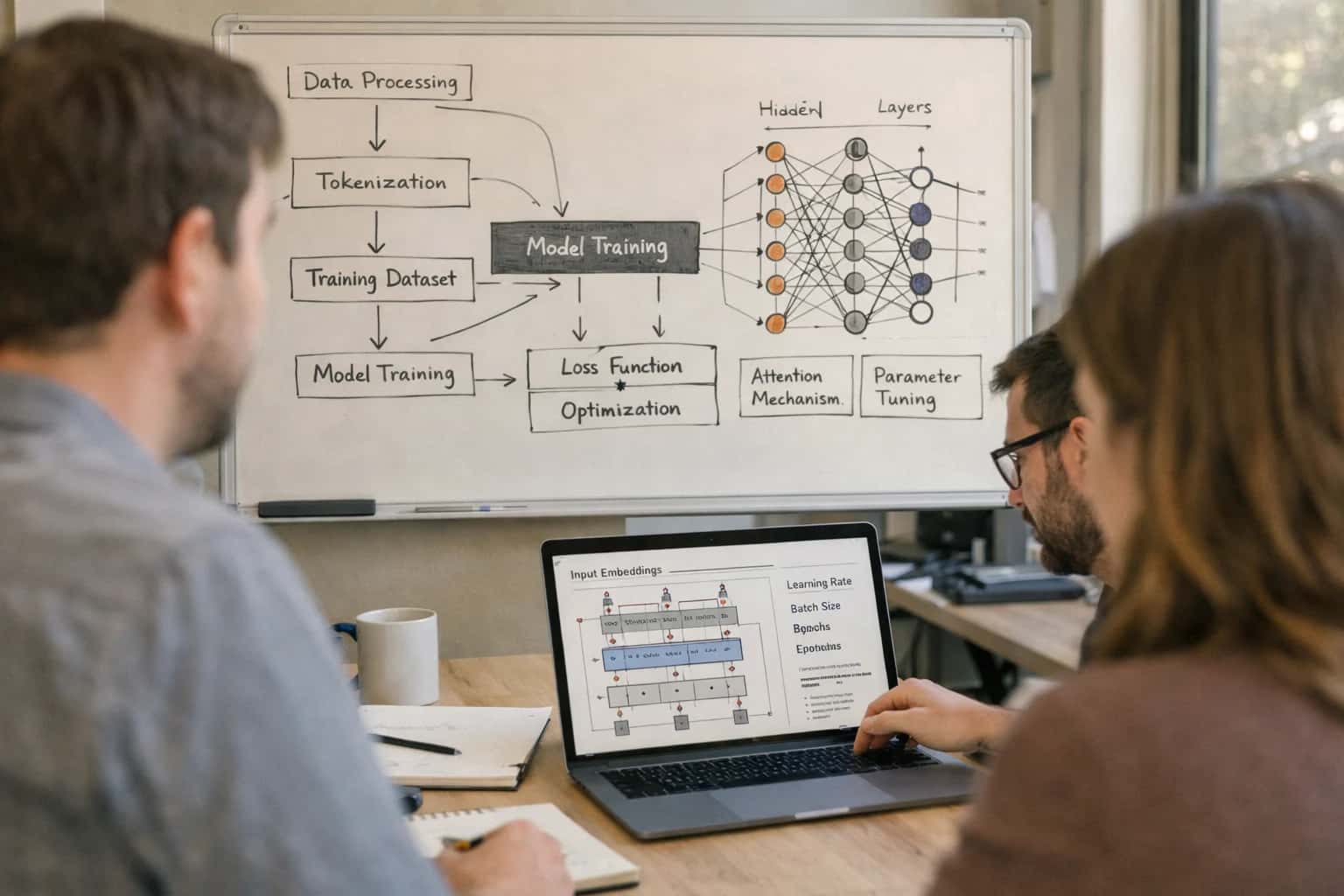
ML engineer developing custom LLM, model architecture diagrams on screens, technical deep work environment.
ARCHITECTURE FOR CUSTOM APPLICATIONS

Building Bespoke AI on Top of Your Sales Enablement Stack

A technical blueprint for building custom, AI-powered sales applications that integrate with platforms like Seismic and Highspot to enhance search, coaching, and analytics.

When a standard sales enablement platform doesn't meet your unique workflow, data, or governance needs, a custom application layer becomes essential. This approach involves building a bespoke front-end or middleware service that sits alongside your core platforms (Seismic, Highspot, Showpad, Mindtickle), using their public APIs to orchestrate data and inject AI. Key integration surfaces include:

  • Content APIs for reading asset metadata, usage data, and permissions.
  • User Activity APIs to track seller engagement with training modules and content.
  • Webhook/Event APIs to trigger real-time AI workflows (e.g., new asset uploaded, deal stage changed).
  • Write-back APIs to push AI-generated insights, tags, or recommendations into the platform for seller consumption.

The custom layer acts as an intelligent broker, applying proprietary models to platform data to power features like semantic asset search across multiple libraries, adaptive coaching engines, or predictive content performance analytics.


A production implementation typically follows this pattern:

  1. Data Synchronization Layer: A secure service polls or streams data from the enablement platform's APIs into your own data store (e.g., a vector database for semantic search, a data warehouse for analytics). This creates a real-time, queryable copy of critical data.
  2. AI Service Core: This is where your custom models run. For example, a RAG pipeline for natural-language content search, a model analyzing call transcripts to recommend training, or an algorithm correlating content usage with CRM win rates.
  3. Orchestration & Delivery: The results are delivered back to users. This can be via:
    • A separate web or mobile application for sellers.
    • Embedded widgets or iFrames injected into the native platform UI.
    • Notifications and alerts pushed to Slack, Teams, or email.
    • Enriched data written back to the platform's custom objects or metadata fields.

Crucially, this architecture keeps your IP and complex logic in your controlled environment while leveraging the enablement platform as the system of record for content and user management.

Rollout and governance require careful planning. Start with a pilot workflow, such as an AI-powered search bar for your content library. Use the enablement platform's API to index assets, build a simple RAG interface, and measure adoption and time-to-find metrics. For governance, implement audit logging for all AI-generated recommendations and establish a human review process for any AI-suggested content before it's pushed back to the production platform. This controlled, phased approach de-risks the integration and allows you to demonstrate clear ROI—like reducing content search time from minutes to seconds—before expanding to more complex use cases like automated coaching or predictive analytics.

CUSTOM SALES ENABLEMENT APPS

Key API Surfaces for Custom AI Integration

Content & Asset Management APIs

This surface connects AI to the core content repository. Use the Content API to programmatically ingest, tag, and retrieve sales assets (decks, battle cards, case studies). This enables AI to build a semantic index of your library for RAG-powered search.

Key integration points:

  • Asset Upload & Metadata: Automatically tag new assets with AI-generated topics, personas, and product mappings.
  • Content Lifecycle: Use webhooks on asset publish/archive events to trigger AI review for relevance or compliance updates.
  • Bulk Operations: Programmatically update metadata across thousands of assets to align with new AI-driven taxonomies.

Example workflow: When a new product sheet is uploaded via the API, an AI service classifies it, extracts key value propositions, and writes enriched tags back to the platform, making it instantly discoverable for relevant deals.

SALES ENABLEMENT

High-Value Use Cases for Custom AI Apps

Build custom, AI-powered applications that integrate with platforms like Seismic, Highspot, Showpad, and Mindtickle to automate workflows, personalize seller experiences, and unlock intelligence from your existing content and activity data.

01

Intelligent Content Discovery Engine

Build a semantic search layer atop your Seismic or Showpad library using RAG. Sellers query with natural language like "assets for a cost-conscious manufacturing prospect" and get precise results, bypassing rigid folder structures and outdated tags. Integrates via platform APIs to log usage for analytics.

Minutes -> Seconds
Asset find time
02

Automated Coaching & Feedback Assistant

Integrate with Showpad Coaching or Mindtickle to analyze uploaded sales call recordings. AI provides automated feedback on messaging clarity, competitor mentions, and objection handling, then suggests specific training modules or battle cards from your enablement platform to address gaps.

Batch -> Real-time
Feedback cycle
03

Dynamic Deal Room Orchestrator

Create an app that uses Highspot or Seismic APIs to build intelligent deal rooms. AI curates content dynamically based on CRM opportunity stage, stakeholder role from LinkedIn Sales Navigator, and engagement signals, automatically assembling a personalized buyer hub that updates as the deal progresses.

1 sprint
Setup vs. manual
04

Predictive Content Performance Analytics

Go beyond native platform analytics. Build a custom dashboard that ingests content usage data from Seismic/Highspot APIs and correlates it with CRM win/loss data. AI models identify which assets truly influence deal velocity and predict the performance of new content before it's published.

Same day
Insight generation
05

Personalized Seller Learning Paths

Integrate with Mindtickle or Seismic Learning to create adaptive training. AI analyzes individual assessment scores, content consumption gaps, and manager feedback to generate a unique 30-60-90 day learning plan, automatically enrolling sellers in micro-modules and simulating relevant role-plays.

Hours -> Minutes
Plan creation
06

Compliance-Aware Content Generator

For regulated industries, build an app that sits between your product team and Seismic. AI drafts new battle cards or playbooks based on approved source materials, automatically flags potential compliance issues for legal review, and publishes the finalized asset to the correct library with proper metadata.

Days -> Hours
Content lifecycle
ARCHITECTURAL PATTERNS

Example AI Workflows for Custom Enablement

Practical AI workflows for custom sales enablement applications that integrate with platforms like Seismic and Highspot via their APIs. These patterns focus on augmenting core seller workflows with proprietary intelligence.

This workflow automates the curation of a personalized deal room in a custom app by pulling context from the CRM and the enablement platform.

  1. Trigger: A sales rep creates a new opportunity stage (e.g., "Solution Review") in the CRM.
  2. Context Pull: The custom app listens via webhook, then fetches:
    • Opportunity details (industry, deal size, key contacts) from the CRM API.
    • Recent content engagement history for this account from the enablement platform's analytics API.
  3. Agent Action: An AI agent uses a RAG model over the enablement platform's content library. It retrieves and ranks assets (case studies, battle cards, whitepapers) based on the deal's industry, mentioned pain points, and competitor names.
  4. System Update: The agent calls the custom app's API to create or update a dedicated deal room, pre-populating it with the top 5-7 recommended assets, an auto-generated summary of why each is relevant, and a draft email for the rep to send to the buyer.
  5. Human Review Point: The sales rep receives a notification and can review, edit, or add to the auto-assembled room before sharing the link with the buyer. All actions are logged for attribution.
BUILDING CUSTOM AI APPS ALONGSIDE SEISMIC, HIGHSPOT, AND SHOWPAD

Implementation Architecture: Data Flow & AI Layer

A technical blueprint for connecting proprietary AI models to sales enablement platform APIs to build custom, intelligent applications.

A custom AI sales enablement app typically sits as a middleware layer, orchestrating data between your core platform APIs (Seismic, Highspot, Showpad) and your AI services. The primary integration surfaces are: Content APIs for asset metadata and binary files, User Activity APIs for engagement and search logs, and Event Webhooks for real-time triggers (e.g., a new asset upload or a deal stage change). Your custom app ingests this data to power three core AI functions: a semantic search engine over combined content libraries, a personalized recommendation service that considers user role and deal context, and an analytics copilot that answers natural language questions about content performance and seller readiness.

Implementation follows a serverless or containerized pattern. Ingested content is chunked, embedded via a model like OpenAI's text-embedding-3-small, and indexed in a vector database (Pinecone, Weaviate). User and CRM data is stored in a operational database to provide context. The app exposes a secure API that your custom front-end or a platform extension (like a Salesforce Lightning component or Teams bot) calls. For example, a query like "show me case studies for manufacturing CFOs" triggers a RAG pipeline that retrieves relevant assets, filters them by the user's permissions from the enablement platform, and formats a response. AI-generated insights, like content gap analysis, can be written back to the platform via its Custom Object or Note APIs for seller visibility.

Rollout requires a phased, data-governed approach. Start with a pilot group and a single high-value workflow, such as AI-powered search in a custom portal. Implement audit logging for all AI-generated suggestions and human-in-the-loop approval for any automated content creation or modifications written back to the production platform. Use the platform's native RBAC and content permission models to ensure AI responses respect existing governance. This architecture allows you to enhance seller productivity with AI while maintaining the security, compliance, and user experience of your established sales enablement ecosystem. For related architectural patterns, see our guides on AI Integration for Sales Enablement Platforms and Vector Database and RAG Platforms.

CUSTOM SALES ENABLEMENT APPS

Code Patterns and API Payload Examples

Semantic Search Across Platform APIs

To build a custom app with intelligent content discovery, you need to query the enablement platform's API, retrieve assets, and apply a RAG (Retrieval-Augmented Generation) layer. This pattern involves fetching content metadata, chunking documents, and performing vector similarity searches based on a seller's natural language query about a specific buyer pain point or use case.

Example: Fetching assets from Seismic for vectorization

python
import requests

# Authenticate and fetch content list from Seismic API
def fetch_seismic_assets(api_token, folder_id=None):
    headers = {'Authorization': f'Bearer {api_token}'}
    params = {'folderId': folder_id} if folder_id else {}
    
    response = requests.get(
        'https://api.seismic.com/v2/content/assets',
        headers=headers,
        params=params
    )
    response.raise_for_status()
    
    assets = response.json().get('assets', [])
    # Return metadata and pre-signed URLs for document content
    return [
        {
            'id': a['id'],
            'title': a['title'],
            'description': a.get('description', ''),
            'content_url': a['downloadUrl'],
            'tags': a.get('tags', [])
        }
        for a in assets
    ]

# This list can then be processed, chunked, and embedded into a vector store.

The retrieved chunks are then used to ground an LLM's response, ensuring recommendations are based on the latest, approved sales content.

CUSTOM APPLICATION DEVELOPMENT

Realistic Time Savings and Business Impact

Impact of building a custom AI application that integrates with platforms like Seismic or Highspot via their APIs, compared to relying solely on native platform features or manual processes.

MetricBefore AIAfter AINotes

Contextual asset search

Keyword-based platform search

Semantic/RAG-powered natural language search

Reduces time to find the right asset from minutes to seconds

Personalized content assembly

Manual copy/paste from multiple sources

AI drafts first-pass proposals & battle cards

Cuts initial draft creation from 2 hours to 15-20 minutes

Seller coaching feedback

Manager-led review of call recordings

AI analyzes transcripts & suggests improvement areas

Enables scalable, consistent feedback; flags key moments

Dynamic learning path creation

Static, one-size-fits-all training plans

AI adapts curriculum based on knowledge gaps & deal data

Accelerates time-to-ramp for new hires by 30-40%

Competitive intelligence updates

Manual monitoring & email alerts

AI ingests news/earnings, auto-updates battle cards

Ensures intelligence is current, reduces admin work by hours/week

Content lifecycle management

Quarterly manual audits for stale assets

AI flags outdated content & suggests archival

Maintains library relevance, reduces compliance risk

Cross-platform insight correlation

Manual analysis in separate BI tools

AI layer unifies data from CRM, enablement, & call tools

Delivers predictive insights on content influence in days, not weeks

ARCHITECTING FOR PRODUCTION

Governance, Security, and Phased Rollout

A practical guide to deploying, securing, and governing AI within custom sales enablement applications.

A production-grade AI integration for a custom sales enablement app requires a secure, layered architecture. The core pattern involves an orchestration layer—often a dedicated microservice—that sits between your custom application's frontend, the primary enablement platform's APIs (like Seismic or Showpad), and your AI models. This layer handles authentication, request routing, prompt assembly, and response formatting. Critical data flows, such as fetching a seller's recent content interactions from the platform API to personalize an AI-generated battle card, must be secured via OAuth 2.0 or API keys with strict scopes. All AI-generated outputs should be logged with a full audit trail, linking the request to the specific user, session, and source data used for retrieval-augmented generation (RAG).

Start with a phased, role-based rollout to manage risk and gather feedback. Phase 1 typically targets a pilot group of sales enablement managers or content creators with a single, high-value workflow—such as an AI assistant that auto-tags and categorizes new assets uploaded to your custom library. This confines initial usage to a controlled group and a non-customer-facing process. Phase 2 expands to a segment of sales reps for a low-risk, assistive feature, like a semantic search bar that queries both your custom app's knowledge base and the connected Seismic repository. Phase 3 introduces more autonomous or customer-facing AI, such as dynamic content personalization in client-facing microsites, but only after establishing human-in-the-loop review gates and performance benchmarks from earlier phases.

Governance is not an afterthought. Establish a cross-functional review board (Enablement, IT, Security, Legal) to approve new AI use cases, especially those handling sensitive deal data or generating external communications. Implement a model registry to track which LLM (e.g., GPT-4, Claude 3, a fine-tuned internal model) is used for each workflow. For RAG workflows using a vector database like Pinecone, enforce data source permissions to ensure sellers can only retrieve content they are authorized to see. Finally, plan for continuous evaluation: monitor for hallucination rates in generated content, track user trust metrics (e.g., "was this helpful?"), and set up alerts for data drift in the source content from your core enablement platforms to maintain the quality of your AI's knowledge base.

CUSTOM APP IMPLEMENTATION

Frequently Asked Questions

Architecting a custom AI-powered sales enablement application requires careful planning around integration points, data flows, and governance. These FAQs address the key technical and strategic questions our clients ask when building alongside platforms like Seismic, Highspot, or Showpad.

The most common pattern is a middleware orchestration layer that sits between your custom app and the enablement platform's APIs. This layer handles:

  1. Authentication & Rate Limiting: Manages OAuth tokens and respects API call limits for platforms like Seismic or Highspot.
  2. Data Synchronization: Pulls user profiles, content metadata, and engagement data on a scheduled basis (e.g., nightly via bulk APIs) and listens for real-time events via webhooks (e.g., content.viewed, playbook.assigned).
  3. AI Service Integration: Hosts your RAG pipelines, fine-tuned models, or orchestrates calls to external LLM APIs (OpenAI, Anthropic). This layer enriches the platform data with AI-generated insights.
  4. Custom App Backend: Serves the enriched, AI-augmented data to your custom frontend via its own secure API.

Example Payload Flow:

json
// 1. Pull from Enablement Platform API
{
  "userId": "rep_123",
  "viewedAssets": ["case_study_xyz", "battle_card_abc"],
  "assignedPlaybook": "enterprise_medtech"
}

// 2. Enrich with AI Layer (RAG Query)
// Query: "Summarize key value propositions for enterprise medtech from our case studies."

// 3. Serve to Custom App
{
  "personalizedInsights": "Based on your playbook, focus on ROI metrics from case_study_xyz...",
  "recommendedAssets": ["roi_calculator_medtech", "competitive_deck_latest"],
  "coachingTip": "Consider leading with implementation timeline from battle_card_abc."
}

This separation keeps your custom logic decoupled from the vendor API, making it more maintainable and portable.

Prasad Kumkar

About the author

Prasad Kumkar

CEO & MD, Inference Systems

Prasad Kumkar is the CEO & MD of Inference Systems and writes about AI systems architecture, LLM infrastructure, model serving, evaluation, and production deployment. Over 5+ years, he has worked across computer vision models, L5 autonomous vehicle systems, and LLM research, with a focus on taking complex AI ideas into real-world engineering systems.

His work and writing cover AI systems, large language models, AI agents, multimodal systems, autonomous systems, inference optimization, RAG, evaluation, and production AI engineering.


