AI fraud detection integrates at the transaction authorization layer, typically via webhooks from platforms like Lightspeed Retail, Shopify POS, Square Retail, or Clover. The system listens for events like transaction.created or payment.processed, extracts key payload data (amount, location, customer history, payment method, items), and runs it through a scoring model in under 500ms. This happens before the receipt prints, allowing for a hold or review status to be pushed back to the POS via its API, triggering a manager override workflow without disrupting the customer queue.

Integration
AI Integration for Fraud Detection in Retail POS
A technical guide for implementing real-time AI models to analyze POS transaction streams, flagging suspicious activity, gift card fraud, and return policy abuse for immediate review.
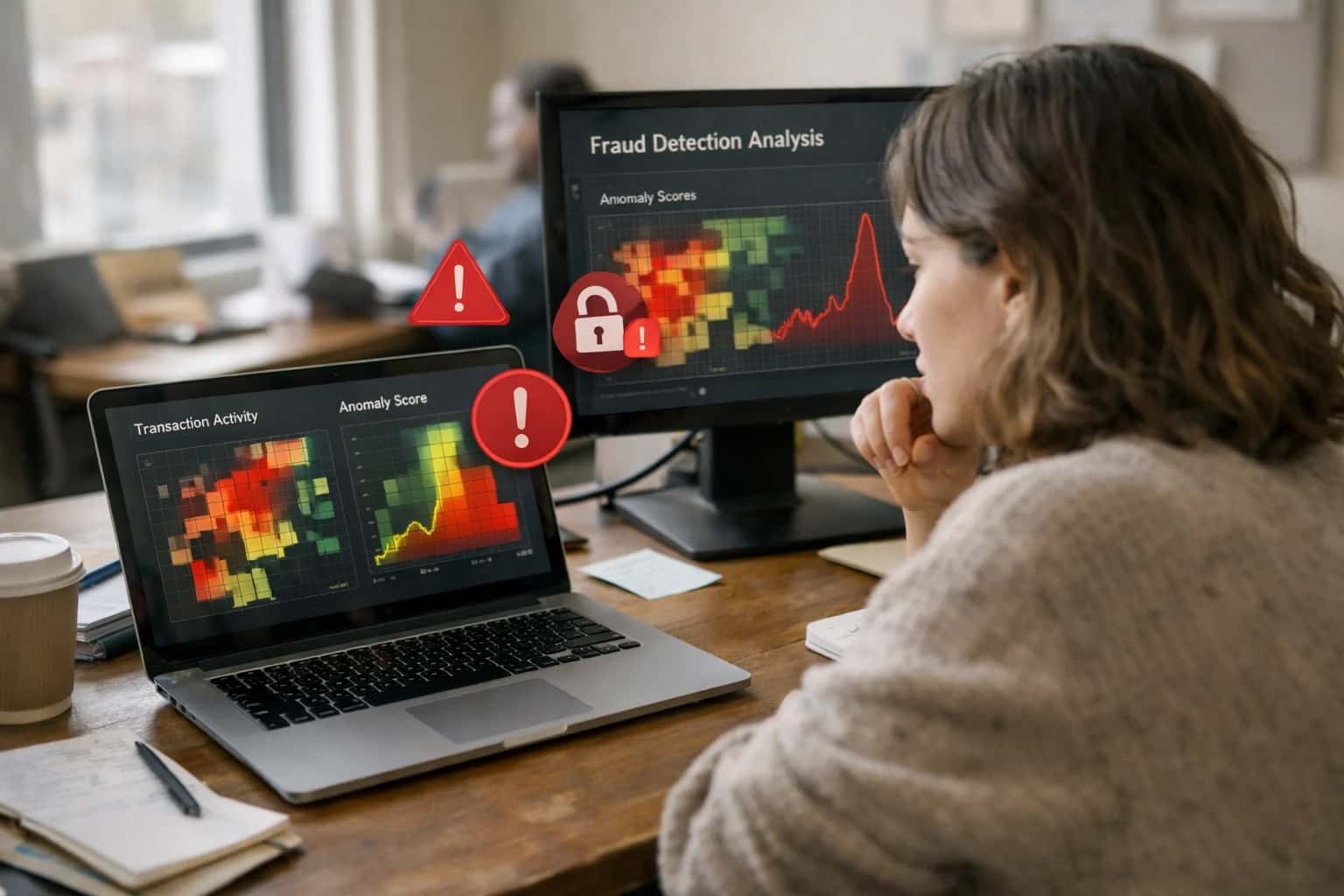
ARCHITECTURE BLUEPRINT
Where AI Fits into Retail POS Fraud Detection
A technical guide to embedding real-time AI models into your POS transaction stream to flag suspicious activity before it completes.
High-value detection targets include gift card fraud (rapid bulk purchases/redemptions), return policy abuse (serial returners, mismatched receipts), and card testing (small, rapid transactions). Implementation requires mapping to your POS's specific data model: for example, Square's Payment object versus Shopify's Order and Transaction resources. The AI model is trained on your historical transaction data, enriched with signals like time of day, employee ID, and device location, to learn your unique risk patterns—not just generic rules.
Rollout is phased: start with a shadow mode that scores transactions but doesn't block them, building a validation dataset and tuning false positives. Governance is critical; all flagged transactions should log to an audit trail with the model's reasoning (e.g., "95% similarity to known fraud pattern #12") and require a human-in-the-loop review via a dashboard like Retool or an internal admin panel. This creates a feedback loop where analyst decisions continuously retrain the model. For multi-store chains, a centralized model can detect cross-location fraud patterns invisible to individual stores.
The operational impact is moving from post-facto loss reporting to same-day intervention. Instead of discovering a gift card fraud scheme during the monthly reconciliation, your team gets an alert after the third suspicious transaction, potentially stopping thousands in losses. This integration doesn't replace your POS; it makes its existing data and workflows smarter. For a deeper dive on connecting these models to your broader retail data ecosystem, see our guide on AI Integration for Retail Store Analytics.
ARCHITECTURAL BLUEPRINT
POS Platform Integration Surfaces for AI Fraud Detection
Real-Time Payment API Hooks
The primary integration surface for real-time fraud detection is the transaction authorization stream. This involves intercepting payment requests before finalization via webhooks or API middleware.
Key Integration Points:
POST /v1/paymentsorPOST /transactionswebhook for pre-authorization.- Real-time enrichment with customer session data (browser fingerprint, location).
- Synchronous scoring call to an AI model returning a
risk_scoreandflags(e.g.,velocity_high,geo_mismatch). - Conditional hold or step-up authentication based on score thresholds.
Implementation Pattern: Deploy a lightweight service that subscribes to POS payment events, calls your fraud model (hosted or via Inference Systems), and injects a risk_metadata payload back into the transaction record for audit.
REAL-TIME TRANSACTION DEFENSE
High-Value AI Fraud Detection Use Cases for Retail POS
Integrate AI directly into your Lightspeed, Shopify POS, Square Retail, or Clover transaction streams to detect and respond to fraud patterns before checkout completes. These are production-ready patterns for retail operations teams.
01
Real-Time Gift Card & Promo Abuse Detection
Analyze transaction composition in real-time to flag suspicious patterns: rapid-fire gift card purchases with new payment methods, high-value promo code stacking from new accounts, or bulk gift card buys followed by immediate high-ticket item purchases. AI models cross-reference customer history, device fingerprint, and cart contents to score risk before payment authorization.
Batch -> Real-time
Detection speed
02
Multi-Location Return Policy Fraud
Connect AI across your store POS instances to detect cross-store return rings. Models identify customers returning high-value items without receipts across multiple locations within a short window, or consistent returns of items purchased with deeply discounted/ stolen gift cards. Automatically flags transactions for manager override and updates a shared risk ledger.
1 sprint
Typical integration
03
Card Testing & BIN Attack Defense at the Register
Monitor authorization attempts at the POS for patterns indicative of card testing: small, failed transactions from the same IP/device across multiple card numbers, or rapid sequential attempts with varying CVVs. AI throttles or blocks further attempts from that session and alerts loss prevention, integrating with your payment gateway's decline codes.
Hours -> Minutes
Response time
04
Employee-Driven Fraud & Sweetheart Deal Detection
Analyze POS operator behavior to uncover internal risks: excessive overrides, consistent 'no-sale' transactions, or unusual discount patterns applied by specific staff. AI models establish baselines for each employee role and location, flagging deviations for audit. Integrates with your HRIS for shift data and permission levels.
05
Online-to-Store (BOPIS) Fraud Orchestration
Secure your buy-online-pickup-in-store workflow. AI evaluates the online order risk score at the moment of in-store pickup via POS. If the order is flagged (e.g., new account, high-value, shipped to store), the system can require additional ID verification at pickup, trigger a manager alert, or delay fulfillment for manual review—all within the POS pickup workflow.
Same day
Review backlog cleared
06
POS-Integrated Case Management & Analyst Copilot
When a transaction is flagged, AI auto-generates a fraud case in your incident management system, pulling in the full transaction context, customer history, and similar past cases. It suggests next steps (refund, investigate, ban) and drafts communications. This turns POS alerts into actionable workflows, reducing manual triage for your loss prevention team.
REAL-TIME AUTOMATION PATTERNS
Example AI Fraud Detection Workflows for Retail POS
These concrete workflows illustrate how AI models connect to POS transaction streams, payment gateways, and CRM data to flag and triage suspicious activity before losses occur. Each pattern is designed for implementation on platforms like Lightspeed, Shopify POS, Square Retail, and Clover.
Trigger: A new sale is processed at the POS register.
Context Pulled:
- Transaction amount, time, location, and tender type (card, gift card, mobile wallet).
- Historical 90-day purchase behavior for the customer profile (if available).
- Store-level baseline for average transaction value (ATV) and velocity for the current hour/day.
AI Agent Action: A lightweight model scores the transaction against multiple risk signals in <100ms:
- Velocity Check: Is this the 3rd transaction from this payment method in the last 30 minutes?
- Amount Deviation: Does the amount exceed 3 standard deviations from this customer's or store's norm?
- Basket Mismatch: Does the product mix (e.g., five identical high-value gift cards) signal potential resale fraud?
System Update:
- Low Risk: Transaction proceeds normally.
- Medium/High Risk: The POS UI displays a discreet prompt for the cashier to request secondary ID. Simultaneously, a webhook sends an alert with the transaction payload and risk score to a dedicated Slack channel or fraud dashboard.
Human Review Point: The store manager or loss prevention team reviews the flagged transaction in the dashboard within 5 minutes, with the ability to approve, cancel, or place a hold on the transaction before settlement.
A PRODUCTION BLUEPRINT
Implementation Architecture: Wiring AI to Your POS
A technical guide to embedding real-time fraud detection into your point-of-sale transaction stream.
A production-ready fraud detection integration connects directly to your POS platform's transaction webhook or streaming API. For platforms like Lightspeed Retail, Shopify POS, Square Retail, and Clover, this typically means subscribing to the transaction.created or payment.succeeded event. The AI service ingests the payload—containing items like amount, payment_method, customer_id, items (SKUs, prices), location_id, and device_fingerprint—and runs it through a pre-trained model in under 200ms. The model evaluates risk signals such as velocity (multiple high-value transactions in short periods), atypical basket combinations (e.g., high quantities of easily resold gift cards), mismatched customer profiles, and anomalous geolocation data from the mPOS device.
When a transaction is flagged, the system must act without blocking the checkout flow. The recommended pattern is to post a high-priority alert to a dedicated review queue (e.g., in a system like ServiceNow or Jira Service Management) and, in parallel, send a real-time notification to a manager's dashboard or mobile app via push. The POS transaction proceeds, but its status is tagged internally as under_review. The alert includes the transaction ID, risk score, and key reasoning (e.g., "Velocity risk: 3rd >$500 gift card purchase in 10 minutes"). For integrations requiring immediate intervention, you can configure the webhook handler to place a temporary hold on gift card activation or digital delivery via a secondary API call, creating a fraud circuit breaker that doesn't slow down legitimate sales.
Rollout requires a phased, feedback-driven approach. Start in monitor-only mode for 2-4 weeks, logging all risk scores without taking action, to calibrate model thresholds against your specific fraud patterns and minimize false positives. Governance is critical: ensure every alert and override is logged with a user ID and reason in an immutable audit trail. Integrate with your existing RBAC so only authorized roles (e.g., Loss Prevention, Store Manager) can dismiss alerts or mark transactions as fraudulent. This architecture not only catches policy abuse and stolen payment attempts but also creates a continuous learning loop; confirmed fraud cases are fed back as labeled data to retrain and improve the model, making your defense smarter with each transaction. For a deeper dive on securing these data pipelines, see our guide on AI Integration for POS Chain Store Operations.
FRAUD DETECTION
Code & Payload Examples for POS AI Integration
Real-Time Transaction Scoring
Integrate a lightweight scoring model directly into the checkout flow to flag suspicious transactions before authorization. This typically involves a synchronous API call from the POS to your fraud service, passing key transaction attributes for immediate evaluation.
Typical Integration Points:
- Hook into the
pre-authorizationorpre-saleevent in your POS platform's API. - Use a webhook or direct REST call to your fraud detection service.
- Return a
risk_scoreandrecommendation(e.g.,approve,review,decline) to the POS, which can trigger a manual review screen for the cashier.
Key Data Sent for Scoring:
- Transaction amount, time, and location
- Payment method (new card, gift card, digital wallet)
- Customer history (is this a new profile?)
- Basket contents (high-risk items like gift cards, electronics)
- Device fingerprint from the POS terminal
AI-ENHANCED FRAUD WORKFLOWS
Realistic Time Savings & Operational Impact
How AI integration shifts manual, reactive fraud review to proactive, assisted detection within retail POS transaction streams.
| Workflow / Metric | Before AI Integration | After AI Integration | Implementation Notes |
|---|---|---|---|
High-Risk Transaction Review | Manual sampling of 1-2% of daily volume | AI-scored 100% of transactions; human reviews top 5-10% alerts | Focuses analyst time on highest-probability cases |
Gift Card Fraud Detection | Post-facto monthly audit of redemption patterns | Real-time flagging of suspicious gift card activations & rapid spends | Prevents liability before cards are fully drained |
Return Policy Abuse Identification | Store manager discretion based on limited history | Automated scoring of return frequency, receipt validity, and customer history | Reduces 'wardrobing' and serial returners at point of return |
Time to Flag Suspicious Activity | Hours to days after transaction, often from chargeback | Seconds to minutes post-authorization | Enables in-transaction intervention or immediate post-auth hold |
Multi-Location Anomaly Correlation | Manual review of separate store reports | Centralized AI model detects coordinated fraud patterns across all POS endpoints | Critical for identifying organized retail crime rings |
False Positive Rate in Alerts | High (due to broad, rule-based filters) | Reduced by 40-60% with ML-based behavioral scoring | Maintains operational efficiency by minimizing unnecessary holds |
Fraud Case Documentation | Manual note-taking in separate log or spreadsheet | Auto-generated incident summary with linked transaction, customer, and device data | Accelerates investigations and improves audit trail |
Model Tuning & Rule Updates | Quarterly review of static rules by IT/security | Continuous feedback loop from analyst overrides; model retrained monthly | AI system adapts to new fraud tactics without major code deployments |
ARCHITECTING CONTROLLED, PRODUCTION-READY FRAUD DETECTION
Governance, Security & Phased Rollout
A secure, governed rollout is critical for fraud detection, where false positives can impact customer experience and false negatives carry direct financial risk.
Production integration typically connects to the POS platform's transaction webhook or API stream (e.g., Square's Transaction.created webhook, Shopify's Order API). A middleware service ingests the payload—containing items, amounts, payment method, customer history, and device ID—and enriches it with session data (like IP geolocation) before passing it to the AI model. The model returns a risk score and flagged indicators (e.g., gift_card_velocity, billing_shipping_mismatch). For high-risk transactions, the system can trigger a hold via the POS API (like Clover's Order update) and create a case in a review queue (e.g., Zendesk, Jira) for a loss prevention agent.
Governance is built into the workflow: every flagged transaction generates an audit log with the original payload, model version, score, reasoning, and final disposition (approved/denied). This log feeds back into the model for continuous evaluation and drift detection. Access to override model decisions should be role-based (e.g., store manager vs. cashier) and require a documented reason. For platforms like Lightspeed Retail, this can integrate with existing user permissions via their Admin API.
A phased rollout mitigates risk. Phase 1 (Monitor-Only): Deploy the model in shadow mode for 2-4 weeks, comparing its flags against existing rules and manual reviews to calibrate thresholds and minimize false positives. Phase 2 (Selective Intervention): Enable automated holds only for the highest-confidence fraud patterns (e.g., rapid-fire gift card purchases) and only during peak fraud hours. Phase 3 (Full Automation): Expand to all high-risk categories, with built-in escalation paths and regular review of the agent queue. This approach allows teams to build trust in the AI's judgment while containing potential operational impact, ensuring the integration enhances—rather than disrupts—store operations.
Enabling Efficiency, Speed & Accuracy
Intelligent Analysis, Decision & Execution
We build AI systems for teams that need search across company data, workflow automation across tools, or AI features inside products and internal software.
Talk to Us
Search across company data
Give teams answers from docs, tickets, runbooks, and product data with sources and permissions.
Useful when people spend too long searching or get different answers from different systems.
Enterprise searchRAGPermissions
Read more
Automate internal workflows
Use AI to route work, draft outputs, trigger actions, and keep approvals and logs in place.
Useful when repetitive work moves across multiple tools and teams.
AI agentsWorkflow automationGovernance
Read more
Add AI to products and internal tools
Build assistants, guided actions, or decision support into the software your team or customers already use.
Useful when AI needs to be part of the product, not a separate tool.
AI integrationDecision supportModel routing
Read moreIMPLEMENTATION AND OPERATIONS
FAQ: AI Fraud Detection for Retail POS
Practical questions for technical and operational leaders planning to integrate AI-powered fraud detection into platforms like Lightspeed, Shopify POS, Square Retail, and Clover.
The integration typically uses a combination of webhooks and API polling to create a real-time risk assessment layer.
- Trigger: A transaction is initiated or completed at the POS.
- Data Payload: The POS system sends a secure webhook to your integration endpoint containing key fields:
json
{ "transaction_id": "TXN_78910", "timestamp": "2024-05-15T14:30:00Z", "amount": 2499.99, "payment_method": "card_present", "card_last_four": "4321", "customer_id": "CUST_ABC123", "items": [{"sku": "PREMIUM-001", "price": 2499.99}], "store_id": "STORE_WEST_01", "employee_id": "EMP_202" } - Enrichment: The integration service enriches this payload with historical context (e.g., customer's past 10 transactions, average ticket size for the store).
- Scoring: The enriched payload is sent to the fraud detection model (hosted on your infrastructure or a secure cloud service). The model returns a risk score (e.g., 0.87) and flags (e.g.,
high_amount_new_customer,gift_card_bulk_purchase). - Action: Based on pre-configured rules, the system can:
- Approve automatically (score < 0.3)
- Flag for immediate review (score 0.3 - 0.7) – holds the transaction and alerts a manager on a dashboard.
- Block and alert (score > 0.7) – sends a decline signal back to the POS and creates an incident log.
This architecture ensures decisions are made in under 500ms, preventing checkout friction.

About the author
Prasad Kumkar
CEO & MD, Inference Systems
Prasad Kumkar is the CEO & MD of Inference Systems and writes about AI systems architecture, LLM infrastructure, model serving, evaluation, and production deployment. Over 5+ years, he has worked across computer vision models, L5 autonomous vehicle systems, and LLM research, with a focus on taking complex AI ideas into real-world engineering systems.
His work and writing cover AI systems, large language models, AI agents, multimodal systems, autonomous systems, inference optimization, RAG, evaluation, and production AI engineering.
LinkedIn
Limited slotsGet a Free AI Consultation
Partnered with leading AI, data, and software stack.





How We Work
Custom AI workflows for your Business
One-fit-all AI don't work for modern businesses. At Inferensys, we aim to understand your business & custom requirements; which we use to define most efficient agentic workflows, the data, and the tools for your business.
01
Review the use case
We understand the task, the users, and where AI can actually help.
Read more02
Pick the right approach
We define what needs search, automation, or product integration.
Read more03
Build the first useful version
We implement the part that proves the value first.
Read more04
Improve from there
We add the checks and visibility needed to keep it useful.
Read moreThe first call is a practical review of your use case and the right next step.
Talk to Us