Traditional launch tracking in platforms like Repsly, YOOBIC, or Zipline relies on manual data aggregation: field reps submit audit photos and checklists, managers spend hours collating spreadsheets, and brand leaders get lagging reports on sell-in velocity and shelf placement. An AI integration injects intelligence directly into this workflow. By connecting to the platform's REST APIs and webhook events, an AI agent can automatically analyze every submitted audit—processing images for planogram compliance, extracting key data from notes, and classifying execution status—the moment a store visit is logged.

Integration
AI Integration for Retail New Product Launch Tracking
Use AI to monitor the speed and quality of new product launches across stores via execution platform data, identifying rollout bottlenecks and generating launch performance reports for brand managers.
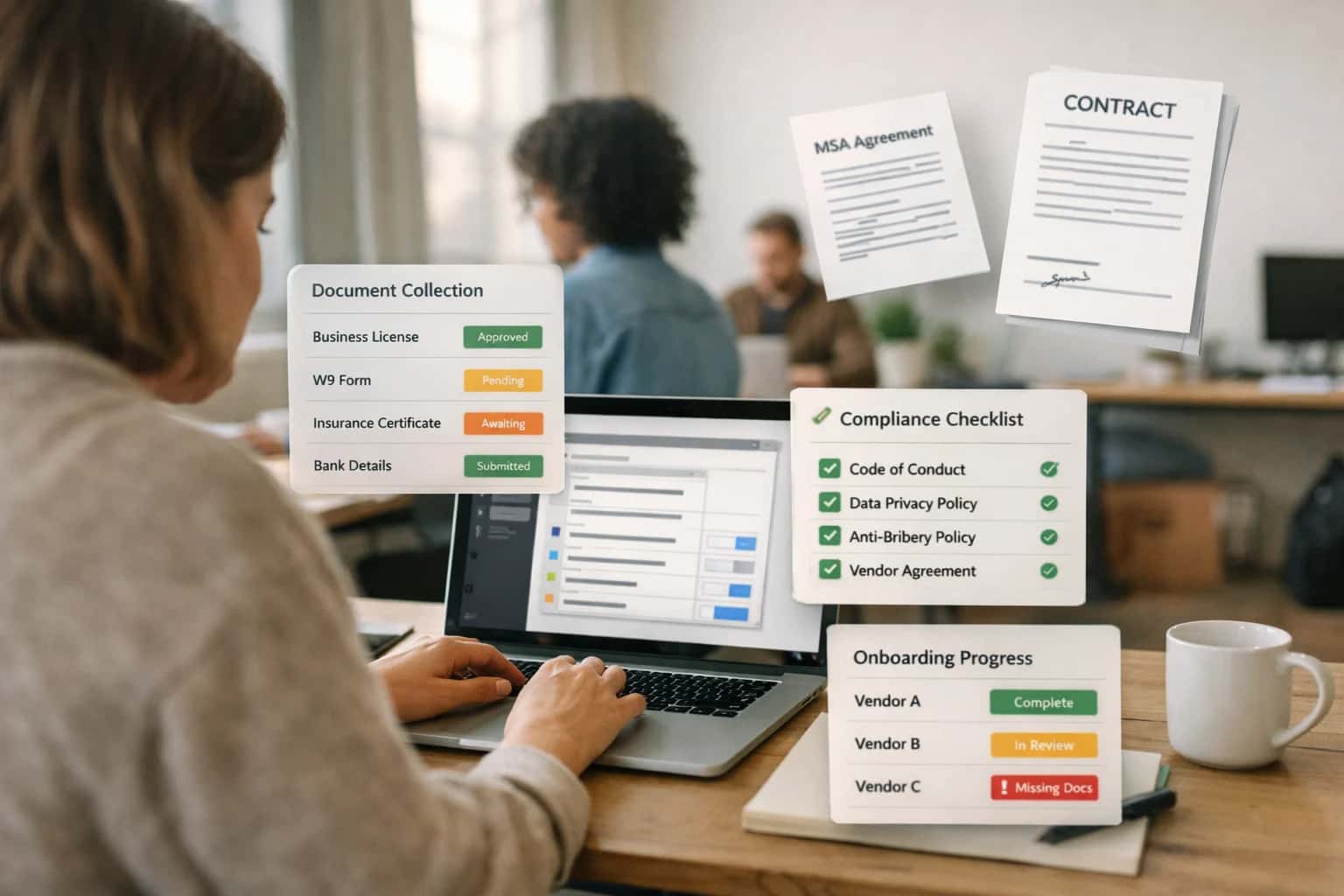
A BLUEPRINT FOR CPG AND RETAIL BRANDS
From Manual Launch Tracking to AI-Powered Execution Intelligence
Integrate AI with your retail execution platform to transform new product launch tracking from a reactive, manual process into a proactive, data-driven intelligence system.
The implementation focuses on three core surfaces: the audit/visit object, the task management module, and the reporting dashboard. For each new product launch, the AI system establishes a baseline by ingesting the launch playbook and target store list. As field data streams in, it performs real-time analysis: comparing on-shelf presence against the launch calendar, flagging stores with missing signage or incorrect pricing, and automatically generating follow-up corrective tasks assigned to the appropriate district manager or rep within the native platform. This shifts the operational cadence from "weekly launch review" to "same-day exception resolution."
Rollout requires a phased approach, starting with a pilot launch in one region to tune the AI's classification models for your specific product categories and retail environments. Governance is critical; all AI-generated flags and tasks should include an audit trail linking back to the source evidence (e.g., the audit photo ID), and a human-in-the-loop approval step can be configured for critical actions like escalating a launch delay. The result is not just faster reporting, but a closed-loop system where launch intelligence directly triggers field execution, helping brand managers move from tracking what happened to influencing what happens next across hundreds of stores.
NEW PRODUCT LAUNCH TRACKING
Where AI Connects to Your Retail Execution Platform
Launch Execution Audits
AI connects directly to the custom audit forms and checklists used to track new product launches. This includes:
- Planogram Compliance Checks: Analyzing shelf images submitted via the mobile app to verify correct SKU placement, facing, and promotional signage against the launch playbook.
- Inventory Availability Audits: Processing manual stock counts or scan data to identify stores with delayed receipt or early stock-outs, flagging supply chain bottlenecks.
- Promotional Execution: Evaluating photos of endcaps, displays, and price tags to ensure promotional materials are deployed per the launch calendar.
AI automates the scoring of these audits, moving from manual supervisor review to instant exception reporting. It can correlate launch audit scores with early sales data to identify which execution factors most impact launch velocity.
RETAIL EXECUTION PLATFORMS
High-Value AI Use Cases for Launch Tracking
Integrate AI with platforms like Repsly, Zipline, YOOBIC, and Movista to transform new product launch tracking from a manual, reactive process into a predictive, automated intelligence layer. These use cases connect AI directly to field data, audit workflows, and platform APIs to monitor rollout velocity and quality in real-time.
01
Automated Launch Compliance Scoring
AI analyzes store audit photos and checklists submitted via the platform to automatically score launch execution against planogram and merchandising standards. Flags non-compliant stores for immediate follow-up tasks, reducing manual review from days to hours.
Days -> Hours
Review time
02
Bottleneck Detection & Alerting
Monitors the velocity of launch task completion across regions and store tiers in real-time. AI identifies rollout bottlenecks (e.g., delayed training, missing POS materials) and triggers alerts in the platform for district managers, enabling same-day intervention.
Same day
Intervention speed
03
Predictive Launch Performance Reports
Generates automated, narrative-style performance reports for brand managers by synthesizing audit scores, sell-through data, and field notes. Uses LLMs to highlight top-performing regions, at-risk stores, and recommended actions, replacing manual slide deck creation.
04
Intelligent Task Prioritization for Field Teams
Integrates with platforms like Zipline to provide dynamic, context-aware task lists for field reps. AI prioritizes launch-related visits and corrective actions based on store compliance scores and historical performance, optimizing rep routing and impact.
Batch -> Real-time
Guidance update
05
Root Cause Analysis for Launch Issues
When launch KPIs are missed, AI performs root cause analysis by correlating audit data, training completion logs, and shipment records from connected systems. Delivers a summarized findings report within the execution platform to inform process improvements.
06
Launch Data Enrichment for BI Dashboards
Processes unstructured field notes and image metadata from launch audits to generate structured, tagged data. Feeds enriched insights directly into connected BI tools like Power BI or Tableau via platform APIs, creating dynamic launch tracking dashboards.
1 sprint
Dashboard readiness
FROM REACTIVE TO PROACTIVE
Example AI-Powered Launch Tracking Workflows
These workflows illustrate how AI can be embedded into retail execution platforms like Repsly, Zipline, YOOBIC, and Movista to automate the monitoring, analysis, and reporting of new product launches across hundreds of stores.
Trigger: A new product launch campaign is activated in the retail execution platform with a target go-live date and a checklist of required store-level tasks (e.g., planogram set, signage displayed, staff trained).
AI Action:
- Context Pull: The AI agent ingests the launch checklist and begins monitoring task completion data from connected stores.
- Real-Time Analysis: As audit submissions (photos, checklists) flow in, a vision/NLP model analyzes them against the launch standard:
Computer Vision: Verifies planogram compliance and correct facings from shelf images.NLP: Checks notes for mentions of training completion or unresolved issues.
- Exception Handling: Stores failing to meet pre-launch thresholds 48 hours before go-live are automatically flagged. The system generates a concise exception report:
- Store #452: Missing promotional signage (high priority).
- Store #178: Staff training not confirmed (medium priority).
System Update: High-priority exceptions are pushed as urgent tasks to the district manager's queue within the execution platform (e.g., in Zipline's task list). A summary dashboard is updated in real-time, showing launch readiness percentage by region.
FROM DATA TO ACTIONABLE INSIGHTS
Implementation Architecture: Connecting AI to Execution Data
A practical blueprint for integrating AI into retail execution platforms to track new product launches, identify bottlenecks, and automate performance reporting.
The integration architecture connects your retail execution platform (Repsly, Zipline, YOOBIC, or Movista) to an AI processing layer via secure REST APIs and webhooks. Key data objects are ingested in real-time: store audit checklists for new product placement, photo evidence of shelf execution, task completion timestamps for launch activities, and unstructured notes from field reps. This data flow is orchestrated to trigger AI analysis upon each store visit submission, moving from a batch reporting model to a per-event intelligence stream.
The AI layer performs three core functions on this stream: 1) Computer Vision Analysis of shelf images to verify correct SKU placement, facing, and promotional material against the launch planogram. 2) NLP Processing of rep notes to extract qualitative feedback on stock levels, customer reactions, or competitor activity. 3) Temporal Analysis of task completion data across stores to map the rollout velocity and identify geographic or operational bottlenecks. The output is a structured set of insights—compliance scores, exception flags, and velocity metrics—pushed back into the execution platform to create automated follow-up tasks for district managers or enrich existing launch dashboards.
Rollout is typically phased, starting with a pilot region. Governance is critical: all image and note processing should be configured to strip or hash any inadvertent PII before AI analysis. Insights are written back to a dedicated custom object or data extension within the execution platform, maintaining a clear audit trail of AI-generated findings. This architecture enables brand managers to shift from manually compiling weekly launch reports to receiving same-day, store-level intelligence, allowing them to intervene on lagging stores before the critical first sales week ends. For a deeper technical dive on API patterns, see our guide on Retail Execution Platform APIs.
AI INTEGRATION PATTERNS
Code and Payload Examples
Ingesting Launch Data via Platform Webhooks
Retail execution platforms like Repsly and YOOBIC can push real-time audit data via webhooks when a new product launch task is completed or a compliance check is submitted. This payload typically contains store ID, auditor details, timestamp, task results, and image URLs.
Your AI service should listen for these events, extract the unstructured data (notes, photos), and process it to generate a launch health score. The response can be sent back to the platform via its REST API to update custom fields or trigger a follow-up task for a store manager.
python# Example: Flask endpoint to process a Repsly webhook for a new product launch audit from flask import request, jsonify import requests from inference_ai_service import analyze_launch_audit @app.route('/webhooks/repsly/launch-audit', methods=['POST']) def handle_launch_webhook(): payload = request.json store_id = payload['locationId'] audit_data = payload['audit'] image_urls = audit_data.get('imageUrls', []) notes = audit_data.get('notes', '') # Call AI service to analyze launch execution analysis = analyze_launch_audit(notes, image_urls) launch_score = analysis['score'] bottlenecks = analysis['identified_bottlenecks'] # Push insights back to Repsly to update the audit record repsly_api_key = os.getenv('REPSLY_API_KEY') update_url = f"https://api.repsly.com/v3/audits/{audit_data['id']}" requests.patch(update_url, headers={'Authorization': f'Bearer {repsly_api_key}'}, json={'customFields': {'launchScore': launch_score, 'bottlenecks': bottlenecks}}) return jsonify({'status': 'processed'}), 200
NEW PRODUCT LAUNCH TRACKING
Realistic Time Savings and Operational Impact
How AI integration for retail execution platforms transforms the manual, reactive process of monitoring new product launches into a proactive, data-driven workflow, enabling faster issue resolution and better launch outcomes.
| Workflow Stage | Before AI | After AI | Notes |
|---|---|---|---|
Launch Readiness Verification | Manual checklist review across store lists | Automated gap analysis against launch playbook | Flags stores missing critical pre-launch tasks or materials |
In-Store Execution Evidence Review | Hours spent manually reviewing store-submitted photos and notes | AI-powered image and text analysis in minutes | Identifies correct placement, stock levels, and promotional compliance |
Bottleneck Identification | Weekly regional calls to surface issues | Daily automated alerts on underperforming stores or missing SKUs | Enables same-day intervention instead of next-week review |
Launch Performance Reporting | Manual data consolidation into slide decks for leadership | Automated report generation with insights and recommendations | Frees brand managers for strategic action vs. data assembly |
Corrective Action Triggering | Email chains to assign follow-up tasks to field teams | AI-triggered tasks created directly in execution platform (e.g., Repsly, Zipline) | Reduces task assignment lag from days to hours |
Post-Launch Analysis | Ad-hoc analysis weeks after launch to derive lessons | Continuous performance scoring and root-cause analysis during rollout | Provides real-time feedback to optimize ongoing and future launches |
Vendor & Partner Communication | Delayed reporting on co-op or vendor compliance | Automated vendor scorecards and exception reports | Improves accountability and speeds reconciliation of launch incentives |
ARCHITECTURE FOR CONTROLLED DEPLOYMENT
Governance, Security, and Phased Rollout
A practical framework for securely integrating AI into retail new product launch tracking, ensuring data governance and measurable impact.
Launch tracking integrations typically connect via the platform's REST APIs and webhook subscriptions (e.g., Repsly's Audit API, Zipline's Task Events, YOOBIC's Data Export). AI models process incoming audit data, store photos, and task completion logs to generate launch velocity scores and bottleneck alerts. A critical design pattern is maintaining a separate orchestration layer—often a cloud function or containerized service—that calls the AI model, enriches the raw platform data, and writes the insights back to a custom object or report within the execution platform. This keeps the core platform's data model intact while adding an AI-powered analytics dimension.
Governance starts with data scope and PII handling. Launch data often includes store IDs, employee names, and timestamps. The integration should be configured to process data at the aggregate or anonymized level where possible, stripping identifiable information before AI analysis unless required for personalized alerts. Access to the AI-generated insights (e.g., 'Launch Health Dashboard') should be controlled via the execution platform's native Role-Based Access Control (RBAC), ensuring only authorized brand managers or regional directors can view predictive risk scores or detailed exception reports. All AI inferences and data accesses should be logged to a separate audit trail for compliance reviews.
A phased rollout is essential. Start with a pilot cohort of 20-50 stores for a single product launch. Use the AI to generate daily 'launch pulse' reports and manually validate its bottleneck identifications (e.g., 'planogram compliance low in Midwest region'). In Phase 2, automate alerting by having the integration create high-priority tasks in the execution platform for field managers when critical launch KPIs are missed. Finally, scale to all regions and product launches, integrating the AI scores with connected BI tools like Power BI for executive reporting. This measured approach de-risks the integration and builds operational trust in the AI's recommendations.
Enabling Efficiency, Speed & Accuracy
Intelligent Analysis, Decision & Execution
We build AI systems for teams that need search across company data, workflow automation across tools, or AI features inside products and internal software.
Talk to Us
Search across company data
Give teams answers from docs, tickets, runbooks, and product data with sources and permissions.
Useful when people spend too long searching or get different answers from different systems.
Enterprise searchRAGPermissions
Read more
Automate internal workflows
Use AI to route work, draft outputs, trigger actions, and keep approvals and logs in place.
Useful when repetitive work moves across multiple tools and teams.
AI agentsWorkflow automationGovernance
Read more
Add AI to products and internal tools
Build assistants, guided actions, or decision support into the software your team or customers already use.
Useful when AI needs to be part of the product, not a separate tool.
AI integrationDecision supportModel routing
Read moreIMPLEMENTATION AND WORKFLOW DETAILS
Frequently Asked Questions
Common questions from retail operations and IT leaders planning AI integrations to track and accelerate new product launches using platforms like Repsly, Zipline, YOOBIC, and Movista.
The workflow is triggered by a launch calendar event in your retail execution platform or ERP. An AI agent then:
- Pulls Context: Retrieves the launch plan (SKUs, target stores, timeline, planogram ID) and any associated playbooks or checklists.
- Monitors Execution Data: Continuously ingests new store audit submissions, task completion reports, and photo evidence tagged with the launch campaign ID from the platform's API.
- Analyzes & Scores: Uses computer vision (for shelf images) and NLP (for rep notes) to score execution quality (e.g., 'Planogram Adherence: 92%', 'POS Material Present: Yes').
- Updates Dashboards: Pushes a real-time launch health score, bottleneck alerts, and store-level exceptions back to a custom dashboard within the execution platform or a connected BI tool like Power BI.
- Triggers Actions: Automatically creates follow-up tasks for underperforming stores or generates a daily summary email for the brand manager.
Example Payload to AI Service:
json{ "launch_id": "LAUNCH-2025-BEVERAGE", "store_id": "STORE-4582", "audit_type": "new_product_launch", "image_urls": ["https://.../shelf.jpg"], "auditor_notes": "Set up endcap, noted competitor promotion nearby.", "checklist_responses": { "primary_location_set": true, "secondary_location_set": false } }

About the author
Prasad Kumkar
CEO & MD, Inference Systems
Prasad Kumkar is the CEO & MD of Inference Systems and writes about AI systems architecture, LLM infrastructure, model serving, evaluation, and production deployment. Over 5+ years, he has worked across computer vision models, L5 autonomous vehicle systems, and LLM research, with a focus on taking complex AI ideas into real-world engineering systems.
His work and writing cover AI systems, large language models, AI agents, multimodal systems, autonomous systems, inference optimization, RAG, evaluation, and production AI engineering.
LinkedIn
Limited slotsGet a Free AI Consultation
Partnered with leading AI, data, and software stack.





How We Work
Custom AI workflows for your Business
One-fit-all AI don't work for modern businesses. At Inferensys, we aim to understand your business & custom requirements; which we use to define most efficient agentic workflows, the data, and the tools for your business.
01
Review the use case
We understand the task, the users, and where AI can actually help.
Read more02
Pick the right approach
We define what needs search, automation, or product integration.
Read more03
Build the first useful version
We implement the part that proves the value first.
Read more04
Improve from there
We add the checks and visibility needed to keep it useful.
Read moreThe first call is a practical review of your use case and the right next step.
Talk to Us