A centralized AI analytics layer connects to multiple retail execution platforms via their REST APIs and webhooks, creating a single source of truth for field data. This layer ingests structured audit scores, task completion logs, and unstructured data like rep notes and image uploads. By processing this consolidated feed, AI models can identify cross-platform patterns—such as a correlation between low compliance scores in YOOBIC and delayed task completion in Zipline—that would be invisible in siloed systems. This enables predictive risk scoring for individual stores and regions, flagging locations likely to breach compliance thresholds before the next audit cycle.

Integration
AI-Based Compliance Analytics for Retail
A practical guide to building a centralized AI analytics layer that ingests data from multiple retail execution platforms (Repsly, Zipline, YOOBIC, Movista) to predict compliance breaches, model the impact of coaching, and automate regulatory reporting.
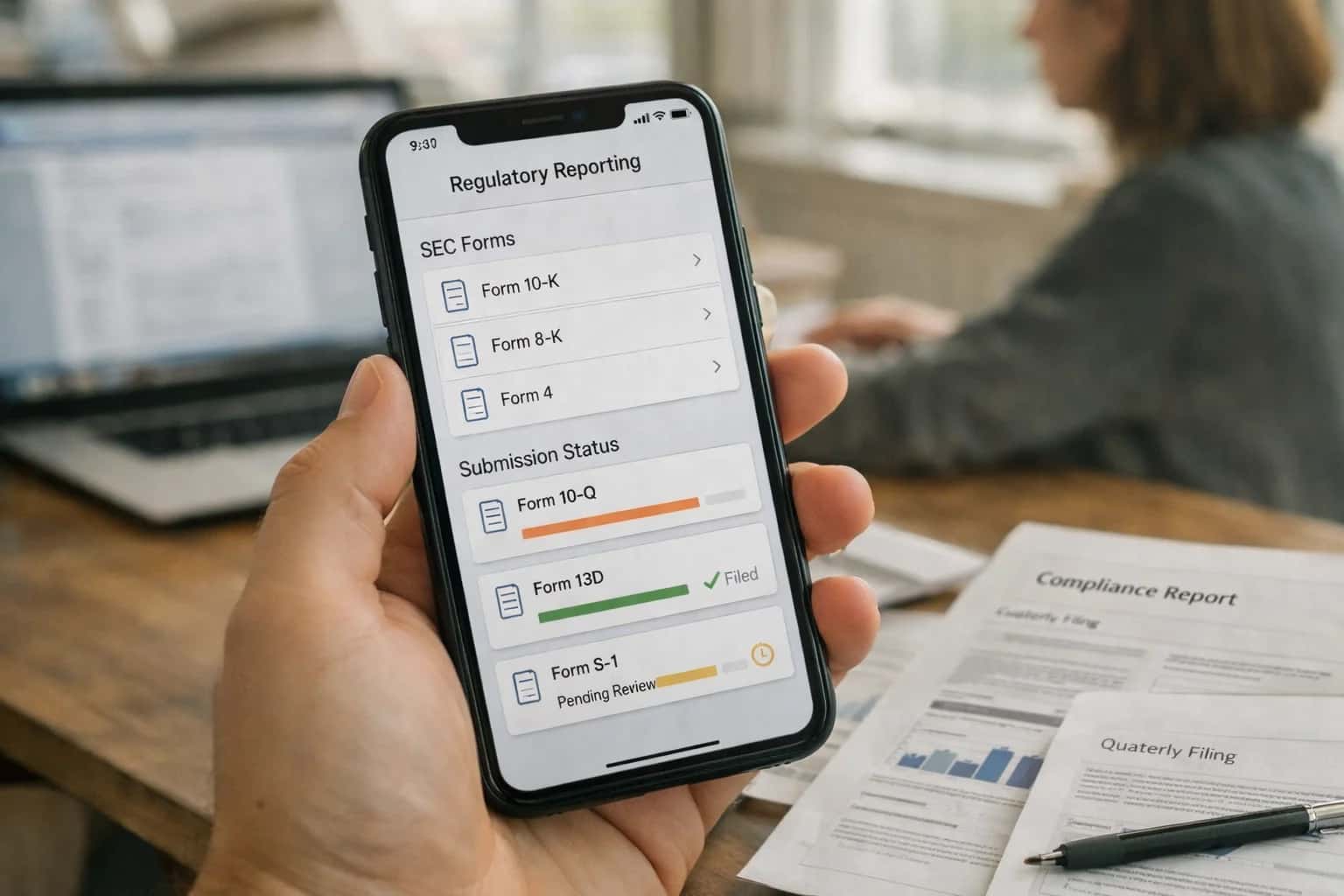
CENTRALIZED ANALYTICS LAYER
From Reactive Audits to Predictive Compliance
Build a unified AI analytics engine that ingests data from Repsly, Zipline, YOOBIC, and Movista to predict compliance breaches, model coaching impact, and automate regulatory reporting.
Implementation involves deploying vector embeddings for semantic search across historical audit notes and regulatory documents, enabling a RAG system that grounds predictions in past resolutions and policy language. For example, when a model predicts a high risk of a food safety violation, it can retrieve similar past incidents and their corrective actions from the knowledge base. The system then triggers automated workflows: generating detailed exception reports, assigning targeted coaching modules in the connected LMS, or creating pre-populated corrective action tasks back in the native execution platform. This moves the operational model from reviewing last week's failures to preventing next week's.
Rollout requires a phased approach, starting with a single data source (e.g., Repsly audit data) to establish baseline accuracy before expanding. Governance is critical: all AI-generated insights and recommended actions should be logged with a full audit trail, and key predictions (like a store closure risk) should route through a human-in-the-loop approval step within the platform's existing workflow engine. This ensures field managers retain oversight while benefiting from AI-driven prioritization. By building this analytics layer, retail ops leaders shift from reactive score-chasing to proactive, data-driven store management, reducing manual report consolidation from days to hours and focusing coaching resources where they have the highest impact.
COMPLIANCE ANALYTICS SURFACES
Where AI Connects to Retail Execution Platforms
Core Execution Data for Predictive Modeling
This is the primary fuel for compliance analytics. AI models ingest structured audit scores, task completion rates, timestamps, and geolocation from platforms like Repsly, YOOBIC, and Movista. The goal is to move from descriptive dashboards to predictive scoring.
Key Integration Points:
- Audit Result APIs: Pull historical and real-time audit data for trend analysis and anomaly detection.
- Task Completion Streams: Monitor task statuses (e.g.,
completed,overdue,failed) to model workflow bottlenecks. - Store & Rep Metadata: Enrich analysis with store tier, region, and rep tenure to control for variables.
AI Use Case: Build models that predict the likelihood of a store failing its next compliance audit based on historical performance, recent task delinquency, and seasonal factors. Output risk scores can be pushed back into the platform to flag high-priority locations for preemptive coaching.
RETAIL EXECUTION PLATFORMS
High-Value AI Compliance Analytics Use Cases
Move from reactive scorecards to predictive intelligence by layering AI over your Repsly, Zipline, YOOBIC, or Movista data. These use cases show where to connect models for automated risk scoring, impact modeling, and regulatory reporting.
01
Predictive Compliance Risk Scoring
Analyze historical audit scores, completion rates, and exception notes to predict which stores or regions are most likely to breach compliance thresholds in the next period. Integrate risk scores back into platform dashboards for proactive manager alerts.
Reactive → Proactive
Risk detection
02
Automated Regulatory Report Generation
Connect AI to audit data streams to auto-generate draft reports for food safety (FDA), OSHA, or local regulations. The system extracts evidence, fills templates, and flags missing documentation, cutting manual compilation from days to hours.
Days → Hours
Report drafting
03
Root Cause Analysis & Corrective Action
Use NLP on audit comments and image analysis on submitted photos to automatically categorize failure root causes (e.g., 'training gap' vs. 'supply issue'). Trigger predefined corrective action workflows in the execution platform based on the diagnosed cause.
Manual Triage → Auto-Routing
Issue resolution
04
Coaching Impact Modeling
Model the likely impact of different coaching interventions (e.g., targeted training module, manager visit) on future compliance scores for a specific store or rep. Use this to prioritize field leadership activities and optimize resource allocation.
Gut Feel → Data-Driven
Coaching priority
05
Cross-Platform Compliance Consolidation
Build a centralized analytics layer that ingests and normalizes compliance data from multiple retail execution platforms used across brands or regions. Use AI to deduplicate, correlate findings, and produce a single executive view of enterprise risk.
Silos → Unified View
Data consolidation
06
Anomaly Detection in Audit Submissions
Monitor for unusual patterns in audit submissions, such as identical scores across many stores, suspiciously perfect photo evidence, or abnormally fast completion times. Flag potential gaming of the system for manual review by operations leaders.
Batch → Real-time
Anomaly monitoring
CENTRALIZED ANALYTICS LAYER
Example AI-Driven Compliance Workflows
These workflows illustrate how a centralized AI analytics layer ingests data from multiple retail execution platforms (Repsly, Zipline, YOOBIC, Movista) to automate compliance management, predict risks, and optimize field operations.
Trigger: A new store audit is submitted via any connected platform (Repsly, YOOBIC).
Context Pulled: The AI layer ingests the audit data (scores, photos, notes) along with historical compliance data for that store, region, and audit type from the centralized data store.
Agent Action: A machine learning model compares the new submission against patterns of past breaches. It generates a risk score (e.g., 85% probability of a major food safety violation) and flags the specific checklist items causing concern.
System Update: The high-risk audit is automatically routed to a priority review queue in the district manager's dashboard. An alert is pushed to the manager's Zipline feed with the risk score and key evidence.
Human Review Point: The manager reviews the flagged items and AI-provided context before escalating or marking as resolved. The model's predictions are logged for continuous retraining.
ARCHITECTING FOR SCALE AND INSIGHT
Implementation Architecture: The Centralized Analytics Layer
A centralized AI analytics layer unifies data from disparate retail execution platforms to deliver predictive insights and automated reporting.
The core architecture involves establishing a secure data ingestion pipeline that pulls structured and unstructured data from platforms like Repsly, Zipline, YOOBIC, and Movista via their REST APIs and webhooks. Key data objects include audit results, task completion logs, photographic evidence, field agent notes, and geolocation stamps. This data is normalized, cleansed, and enriched in a central cloud data warehouse (e.g., Snowflake, BigQuery) or data lake, creating a single source of truth for retail field operations across all brands and regions.
On this unified dataset, we deploy a suite of AI models running in a managed inference service (like Azure AI or Amazon SageMaker). This includes:
- Predictive compliance models that analyze historical audit scores, seasonal trends, and manager coaching cycles to flag stores at high risk of future breaches.
- Natural Language Processing (NLP) pipelines that extract themes from open-ended notes and classify exception reasons, turning unstructured text into actionable categories.
- Computer vision services that analyze shelf images for out-of-stocks and planogram compliance, generating quantitative scores. The outputs—risk scores, root-cause analyses, and automated summary reports—are then pushed back into the native execution platforms via their APIs, appearing as custom dashboard widgets or triggering automated tasks and alerts for district managers.
Governance and rollout are critical. Implement role-based access controls (RBAC) so insights are scoped to a user's region or responsibility. Maintain a full audit trail of all AI-generated insights and the source data used. Start with a pilot on 2-3 high-value workflows, such as predictive compliance for food safety audits or automated promotional execution reporting, before scaling. This centralized approach future-proofs your investment, allowing you to swap underlying execution platforms or add new AI models without rebuilding core analytics for each siloed system. For a deeper technical dive on connecting to these APIs, see our guide on AI Integration for Retail Execution Platform APIs.
AI-BASED COMPLIANCE ANALYTICS
Code and Payload Examples
Ingesting Multi-Platform Audit Data
Before analysis, data from disparate retail execution platforms must be normalized into a unified schema. This Python example uses platform-specific SDKs or REST APIs to fetch recent audit results, handling pagination and field mapping.
pythonimport requests import pandas as pd from datetime import datetime, timedelta # Example: Fetch audit data from Repsly API def fetch_repsly_audits(api_key, days_back=7): url = "https://api.repsly.com/v3/audits" headers = {"Authorization": f"Bearer {api_key}"} since_date = (datetime.now() - timedelta(days=days_back)).isoformat() params = {"updatedSince": since_date, "limit": 100} all_audits = [] while url: response = requests.get(url, headers=headers, params=params) response.raise_for_status() data = response.json() all_audits.extend(data.get('audits', [])) # Handle pagination url = data.get('paging', {}).get('next') params = None # Pagination URL includes params # Normalize to common schema normalized = [] for audit in all_audits: normalized.append({ "platform": "repsly", "audit_id": audit.get('id'), "store_id": audit.get('locationId'), "auditor_id": audit.get('userId'), "score": audit.get('score'), "max_score": audit.get('maxScore'), "timestamp": audit.get('updatedAt'), "raw_data": audit # Keep original for reference }) return pd.DataFrame(normalized) # Repeat similar patterns for Zipline, YOOBIC, Movista # df_zipline = fetch_zipline_tasks(...) # df_yoobic = fetch_yoobic_checks(...) # df_movista = fetch_movista_work(...) # Combine into a single DataFrame for analysis df_combined = pd.concat([df_repsly, df_zipline, df_yoobic, df_movista], ignore_index=True)
This unified dataset is then ready for AI-powered risk scoring and trend analysis across your entire retail footprint.
AI-ENHANCED COMPLIANCE ANALYTICS
Realistic Time Savings and Operational Impact
This table illustrates the shift from manual, reactive compliance monitoring to a proactive, AI-driven analytics layer that centralizes data from multiple retail execution platforms (e.g., Repsly, Zipline, YOOBIC).
| Workflow | Before AI | After AI | Notes |
|---|---|---|---|
Compliance Report Generation | Manual data pull & spreadsheet analysis (4-8 hours weekly) | Automated report synthesis & delivery (15 minutes weekly) | AI consolidates data from multiple platforms, highlights trends, and drafts narrative summaries. |
Exception & Breach Detection | Manual review of audit photos and notes (next-day identification) | Real-time flagging of anomalies and predicted breaches (same-day alerts) | Computer vision and NLP analyze submissions as they sync; managers get prioritized alerts. |
Root Cause Analysis | Ad-hoc investigation by ops leaders (2-3 days per major issue) | AI-driven correlation of audit scores with external factors (instant hypotheses) | Models correlate compliance dips with staffing, promotions, or weather to suggest likely causes. |
Regulatory Reporting Prep | Quarterly scramble to compile evidence for audits (40+ person-hours) | Continuous data tagging and evidence folder maintenance (5 person-hours quarterly) | AI classifies and stores relevant data against specific regulations (e.g., OSHA, food safety) throughout the quarter. |
Coaching Impact Modeling | Gut-feel assessment of training effectiveness | Predictive scoring of which coaching actions will improve specific compliance KPIs | AI analyzes historical data to recommend targeted interventions for stores or reps, maximizing ROI on training time. |
Vendor Performance Scoring | Manual scorecard updates based on sporadic audit samples | Automated, data-driven vendor scorecards updated with each store visit | AI aggregates execution data (on-shelf availability, planogram compliance) by vendor, triggering contract review workflows. |
Multi-Platform Data Synthesis | Switching between 3-4 platform dashboards for a holistic view | Unified dashboard with AI-generated insights across all execution data sources | Centralized analytics layer ingests via platform APIs, providing a single source of truth for retail leadership. |
ARCHITECTING FOR PRODUCTION
Governance, Security, and Phased Rollout
A practical blueprint for deploying AI-based compliance analytics across retail execution platforms with control, security, and measurable impact.
A production-grade integration layers AI analytics on top of your existing retail execution platforms—Repsly, Zipline, YOOBIC, or Movista—without disrupting core audit and task workflows. The architecture typically involves: a secure API gateway to ingest webhook events and batch data exports; a processing layer where LLMs and computer vision models analyze audit notes, images, and scores; a vector database for RAG over manuals and historical compliance data; and an orchestration engine that pushes insights back as platform-native alerts, automated reports in connected BI tools like Power BI, or corrective tasks. Data never permanently leaves your cloud tenancy, and all model outputs are logged with full audit trails tied to the original store visit or audit ID.
Rollout follows a phased, value-driven approach. Phase 1 (Pilot): Connect AI to a single high-value workflow—like automated scoring of food safety audit photos in YOOBIC—for a controlled store group. This validates data pipelines, establishes a baseline for manual review reduction, and builds stakeholder trust. Phase 2 (Scale): Expand to predictive analytics, using historical Repsly data to model which stores are likely to breach compliance next week, and integrate these risk scores into Zipline for preemptive field guidance. Phase 3 (Orchestration): Activate cross-system workflows, such as auto-generating a vendor performance report from Movista data and routing it via email or a connected CRM like Salesforce for follow-up.
Governance is non-negotiable. Implement role-based access controls so that AI-generated insights and automated actions respect existing retail ops permissions—district managers see their stores, not the entire region. Use a human-in-the-loop approval step for any AI-recommended task that could trigger a financial action (e.g., a vendor chargeback). For regulated reporting, ensure all AI-summarized compliance data is traceable back to the source audit record and platform user. Finally, establish a continuous evaluation framework to monitor model accuracy (e.g., does the AI's predicted 'high-risk' store actually fail its next audit?) and retrain on new data quarterly to maintain performance as your retail operations evolve.
Enabling Efficiency, Speed & Accuracy
Intelligent Analysis, Decision & Execution
We build AI systems for teams that need search across company data, workflow automation across tools, or AI features inside products and internal software.
Talk to Us
Search across company data
Give teams answers from docs, tickets, runbooks, and product data with sources and permissions.
Useful when people spend too long searching or get different answers from different systems.
Enterprise searchRAGPermissions
Read more
Automate internal workflows
Use AI to route work, draft outputs, trigger actions, and keep approvals and logs in place.
Useful when repetitive work moves across multiple tools and teams.
AI agentsWorkflow automationGovernance
Read more
Add AI to products and internal tools
Build assistants, guided actions, or decision support into the software your team or customers already use.
Useful when AI needs to be part of the product, not a separate tool.
AI integrationDecision supportModel routing
Read moreIMPLEMENTATION BLUEPRINT
Frequently Asked Questions
Practical questions for retail operations and IT leaders planning an AI-powered compliance analytics layer that connects to platforms like Repsly, Zipline, YOOBIC, and Movista.
The connection is typically established via the platform's REST APIs and webhooks, acting as a middleware layer. Here's the standard pattern:
- Authentication & API Gateway: Use OAuth 2.0 or API keys provided by the retail execution platform (e.g., Repsly API, Zipline Developer Portal) to establish a secure connection. An API gateway manages rate limits and provides a single point of control.
- Data Ingestion Pipeline: Set up scheduled or event-driven jobs to pull:
- Audit results (scores, comments, photo metadata)
- Task completion logs
- Store visit summaries
- User and location master data
- Secure Processing Environment: Data is processed in a private cloud environment (AWS, GCP, Azure). Personally Identifiable Information (PII) from field rep notes or images is redacted or anonymized before AI analysis.
- Webhook Triggers: Configure the retail platform to send real-time webhooks for events like
audit.submittedortask.overdue. This triggers immediate AI analysis for time-sensitive workflows.
Example Payload for an Audit Webhook:
json{ "event": "audit.submitted", "timestamp": "2024-05-15T14:30:00Z", "data": { "audit_id": "AUD-78910", "store_id": "STORE-12345", "auditor_id": "USER-987", "form_name": "Food Safety Compliance", "total_score": 82, "submission_notes": "Minor condensation on cooler door.", "image_urls": ["https://platform.com/images/audit_78910_1.jpg"] } }
The AI layer receives this, processes the notes and images, and can push back insights or trigger tasks via the platform's API.

About the author
Prasad Kumkar
CEO & MD, Inference Systems
Prasad Kumkar is the CEO & MD of Inference Systems and writes about AI systems architecture, LLM infrastructure, model serving, evaluation, and production deployment. Over 5+ years, he has worked across computer vision models, L5 autonomous vehicle systems, and LLM research, with a focus on taking complex AI ideas into real-world engineering systems.
His work and writing cover AI systems, large language models, AI agents, multimodal systems, autonomous systems, inference optimization, RAG, evaluation, and production AI engineering.
LinkedIn
Limited slotsGet a Free AI Consultation
Partnered with leading AI, data, and software stack.





How We Work
Custom AI workflows for your Business
One-fit-all AI don't work for modern businesses. At Inferensys, we aim to understand your business & custom requirements; which we use to define most efficient agentic workflows, the data, and the tools for your business.
01
Review the use case
We understand the task, the users, and where AI can actually help.
Read more02
Pick the right approach
We define what needs search, automation, or product integration.
Read more03
Build the first useful version
We implement the part that proves the value first.
Read more04
Improve from there
We add the checks and visibility needed to keep it useful.
Read moreThe first call is a practical review of your use case and the right next step.
Talk to Us